Cognitive Development Normal Math Worksheets for Ages 4-8 - Page 2
27 filtered results
-
From - To
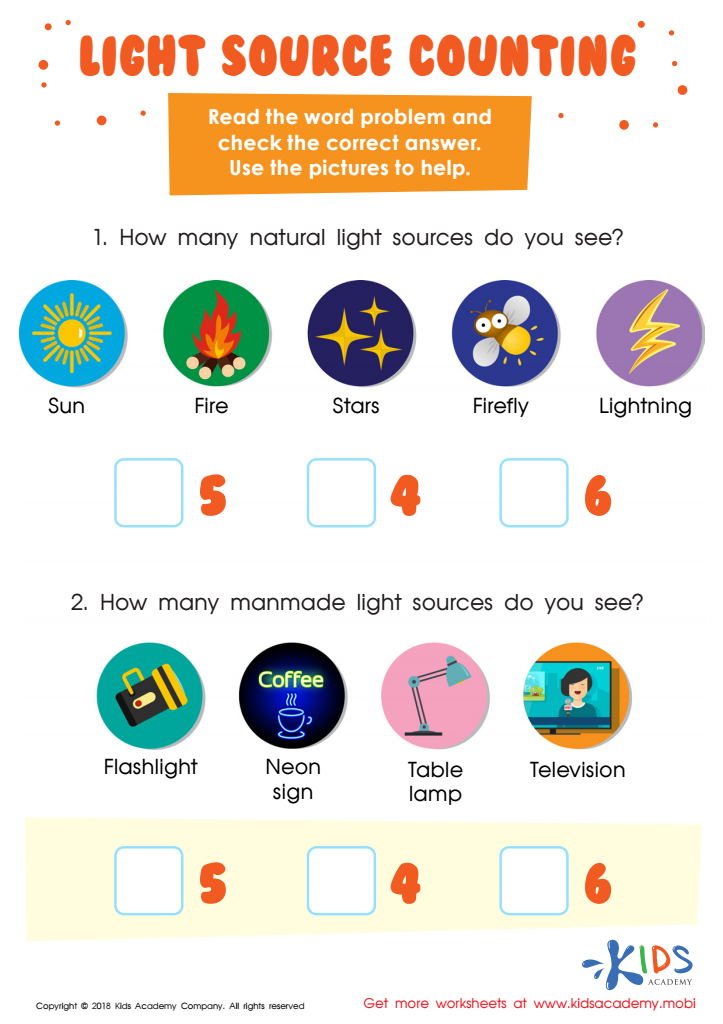
Light Source Counting Worksheet
 Assign to My Students
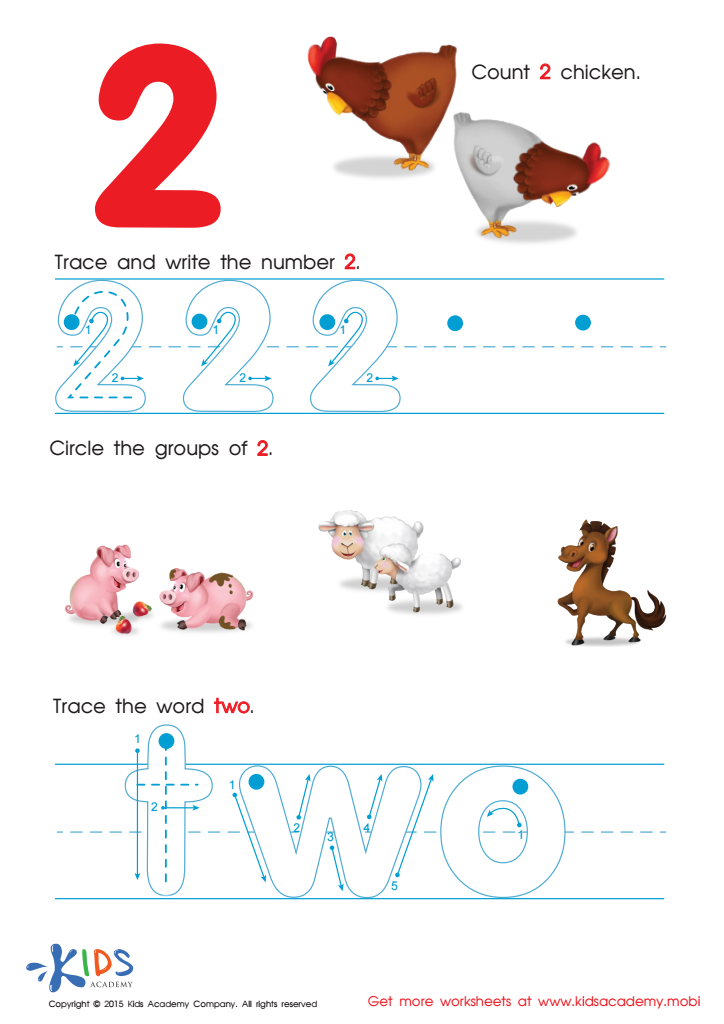
Learn to Write the Number 2 Worksheet
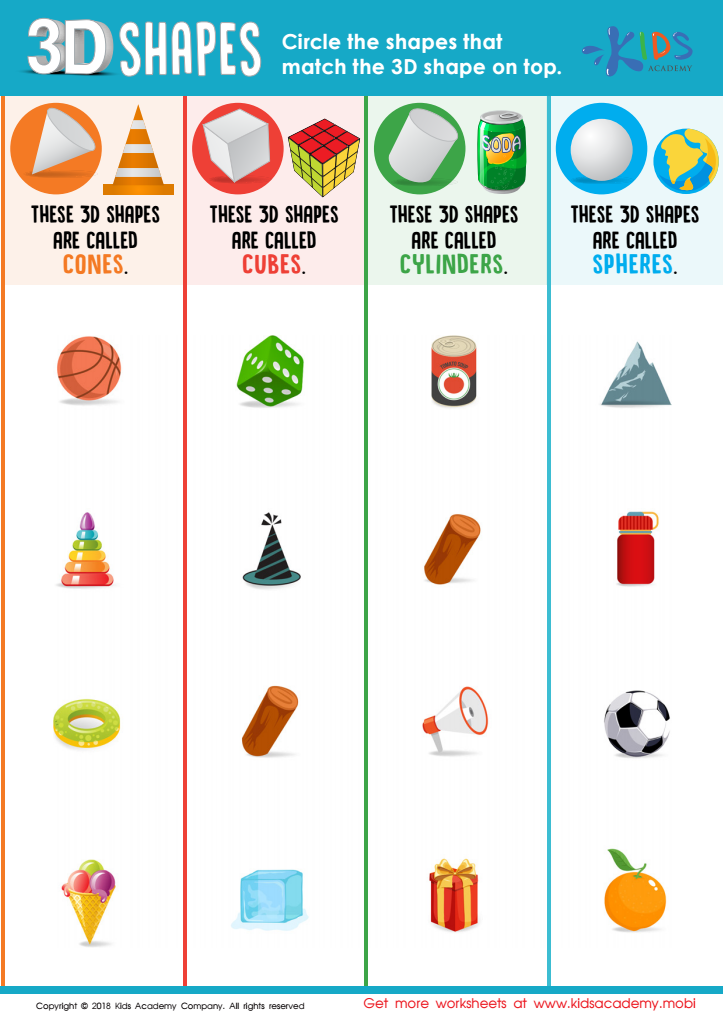
3D Shapes Worksheet







.jpg)
Understanding cognitive development in early math skills for children aged 4-8 is crucial for parents and teachers as it lays the foundation for lifelong learning. During these years, children go through significant developmental milestones that directly impact their ability to understand and engage with mathematics. Recognizing normal cognitive development in math helps adults identify appropriate teaching techniques, materials, and activities that align with children's skill levels, nurturing positive attitudes towards math.
Encouraging early math skills fosters critical thinking, problem-solving abilities, and creativity. It enables children to grasp concepts such as counting, number recognition, and basic operations, which are essential for future academic success. Exposure to math during these formative years can enhance a child's spatial awareness and logical reasoning—key components of cognitive development.
Moreover, understanding cognitive benchmarks allows parents and teachers to identify any potential challenges early, enabling timely intervention and support. This awareness can help create a supportive environment where children feel confident to explore mathematical concepts without fear of failure. Overall, prioritizing cognitive development in math for young children ensures they grasp essential skills that will benefit them throughout their educational journey and beyond.








