Understanding place values Normal Math Worksheets for Ages 4-8
9 filtered results
-
From - To
Discover the excitement of learning with our "Understanding Place Values" normal math worksheets designed for children aged 4-8! These engaging and interactive resources help young learners grasp the concept of place value in a fun and relatable way. Each worksheet incorporates colorful visuals and relatable examples to simplify the learning process. Kids will explore tens and ones through enjoyable activities that promote critical thinking and problem-solving skills. Whether used at home or in the classroom, these worksheets provide a strong foundation for future math success while fostering confidence and enthusiasm for numbers. Join the adventure today and make math learning delightful!
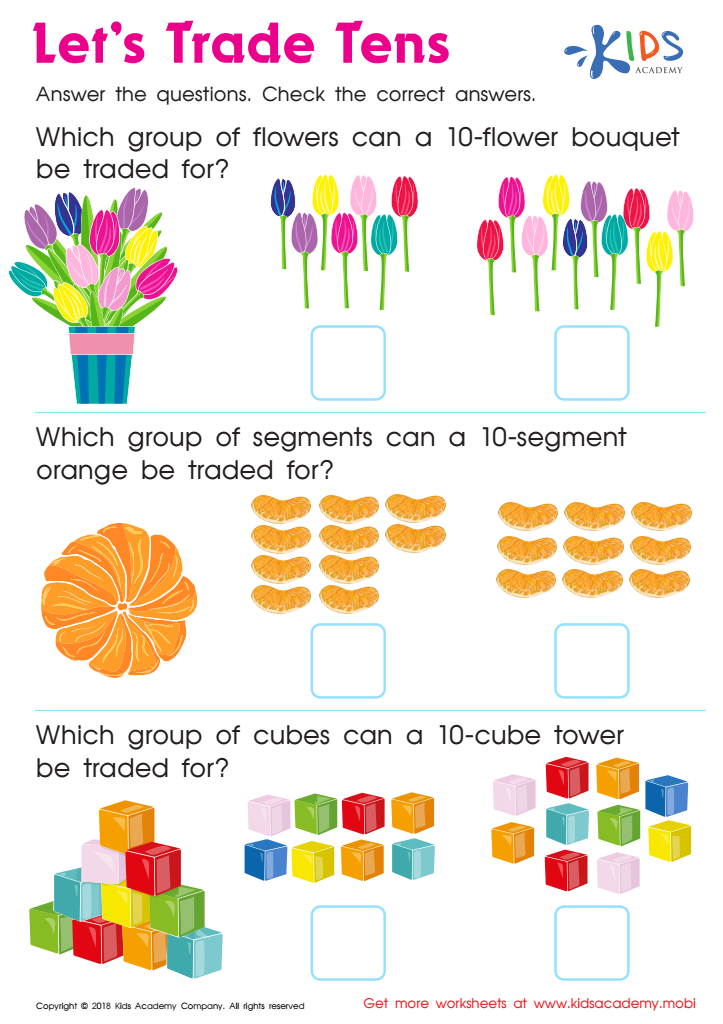
Lets Trade Tens Worksheet
 Assign to My Students
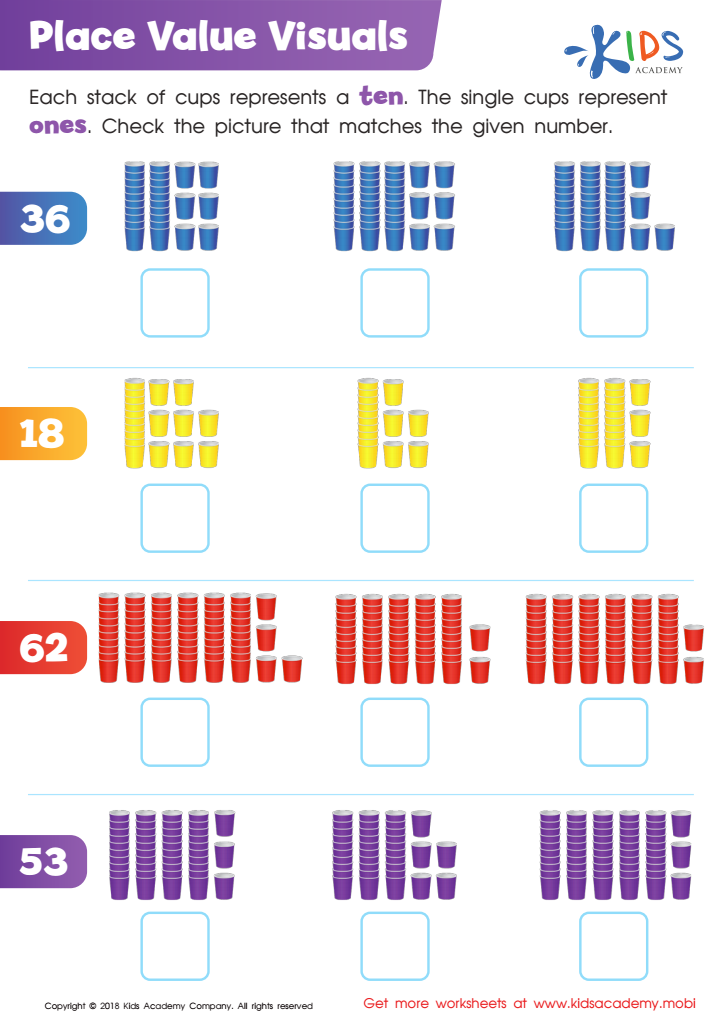
Place Value Visuals Worksheet
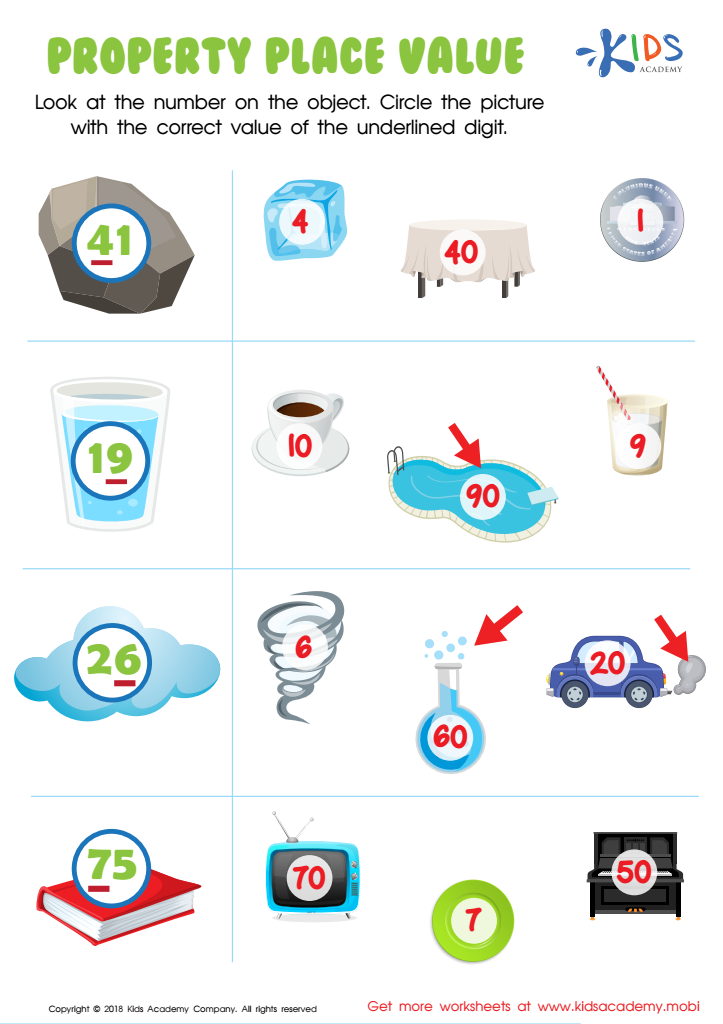
Property Place Value Worksheet
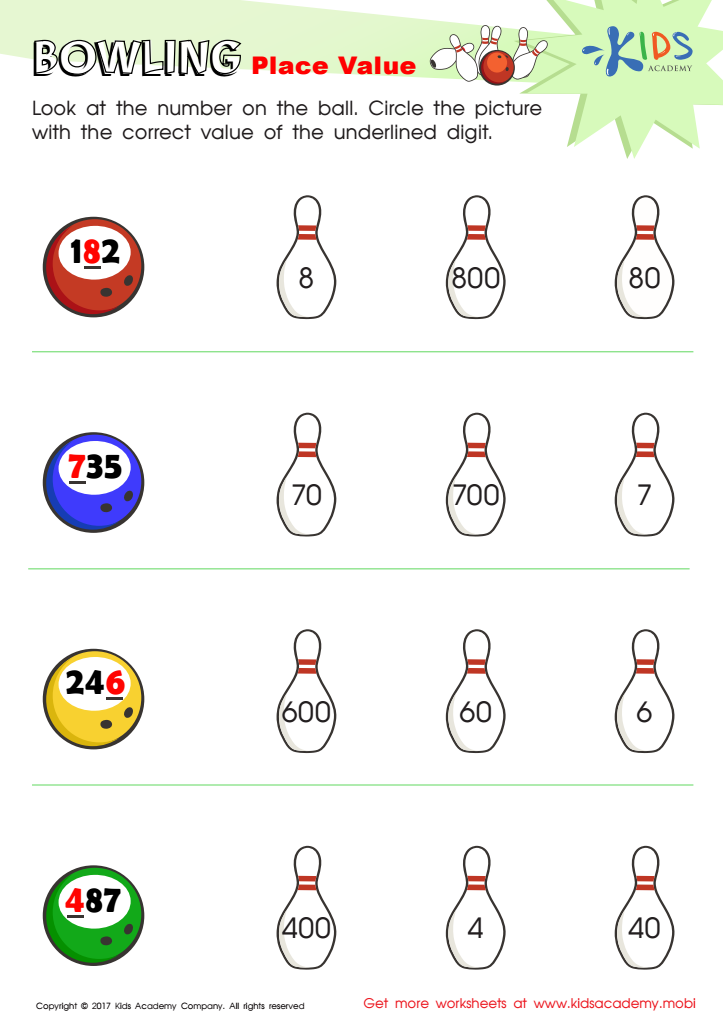
Place Value Worksheet
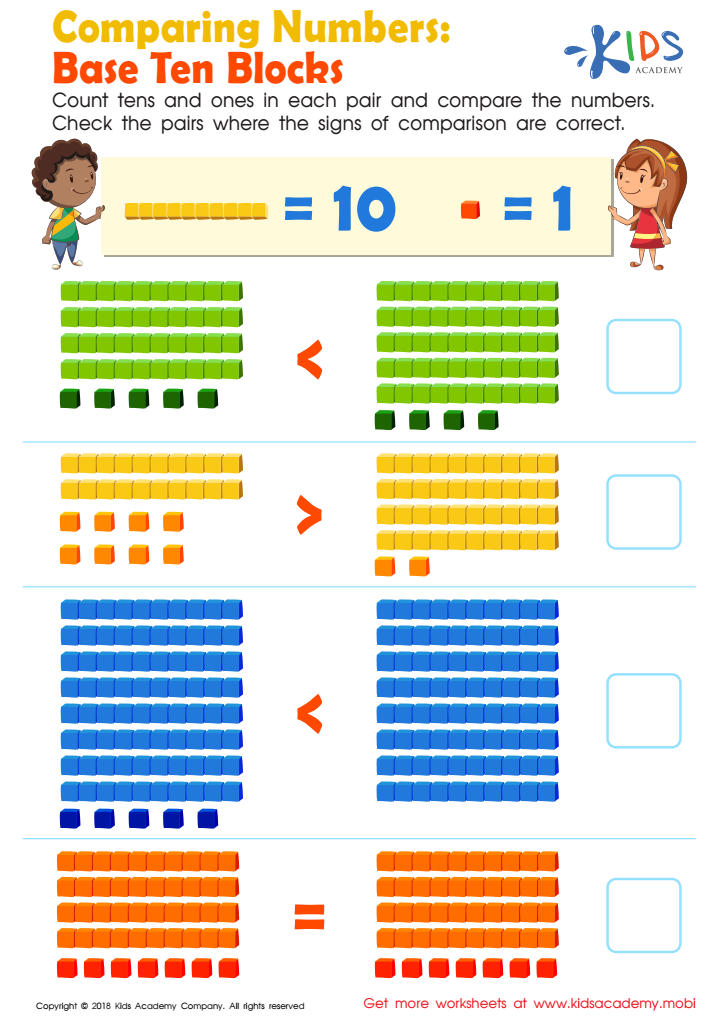
Comparing Numbers: Base Ten Blocks Worksheet
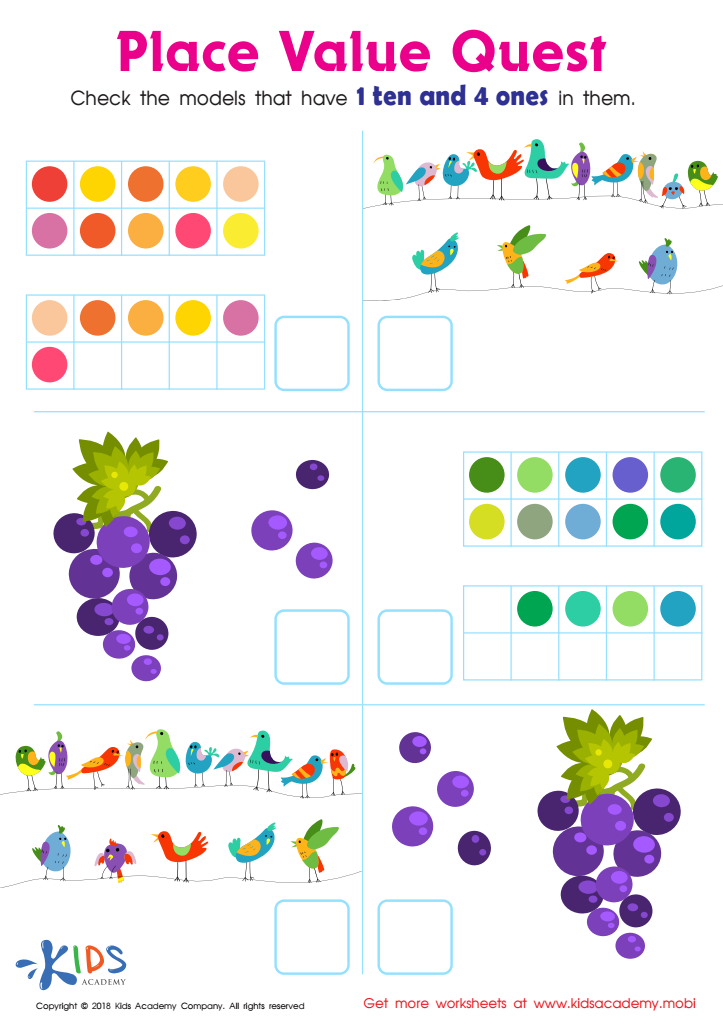
Place Value Quest Worksheet
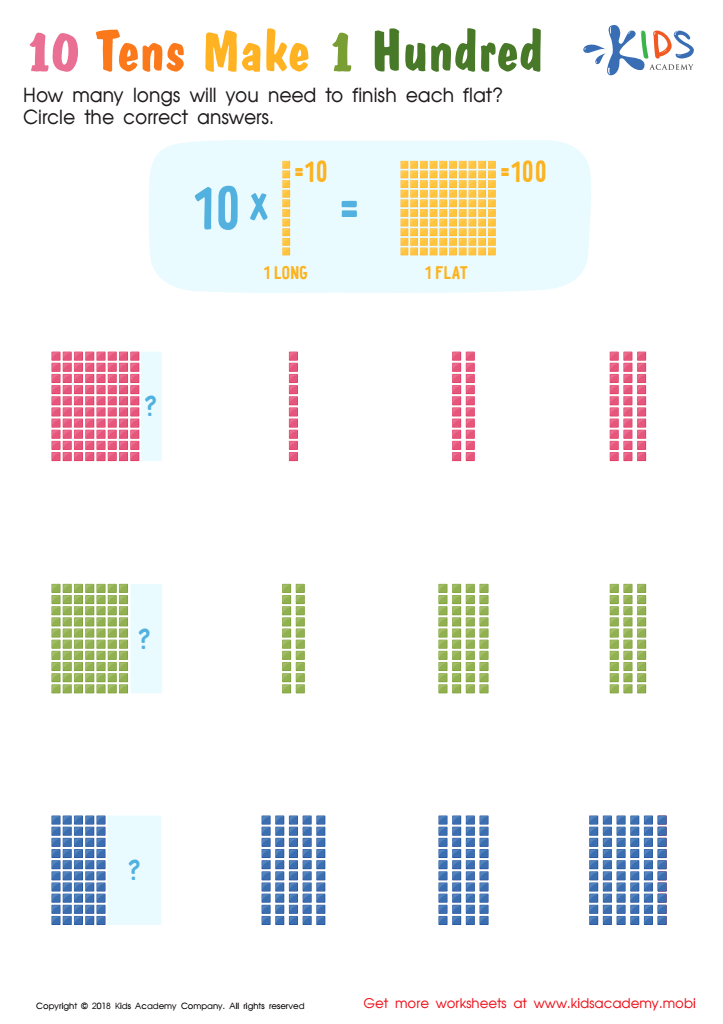
10 Tens Make 1 Hundred Worksheet
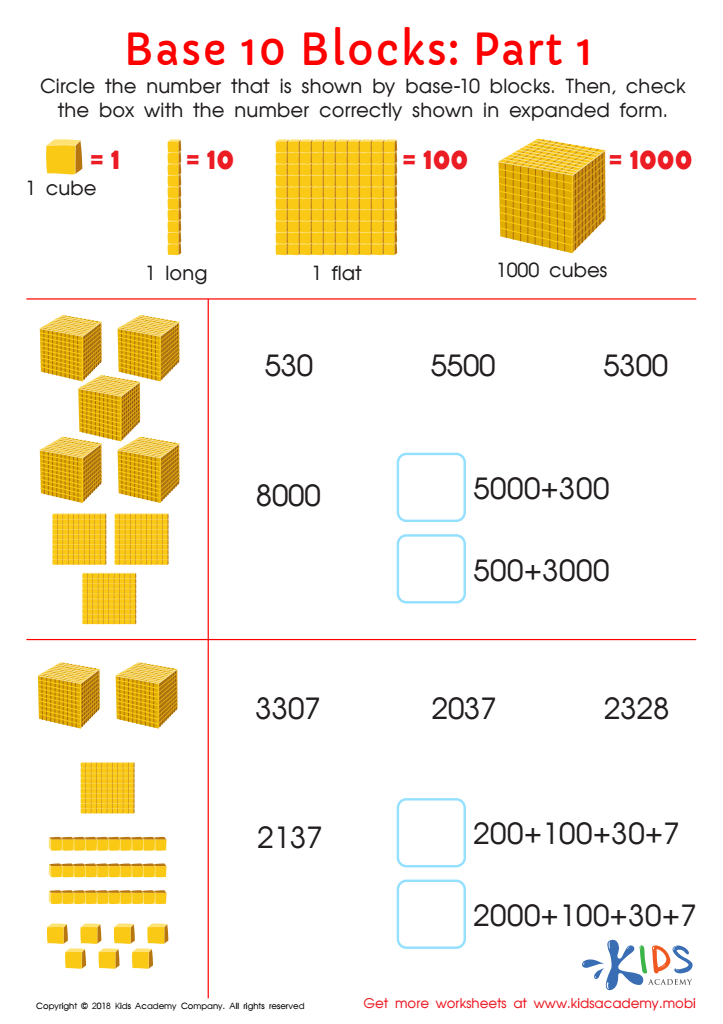
Base 10 Blocks Worksheet: Part 1
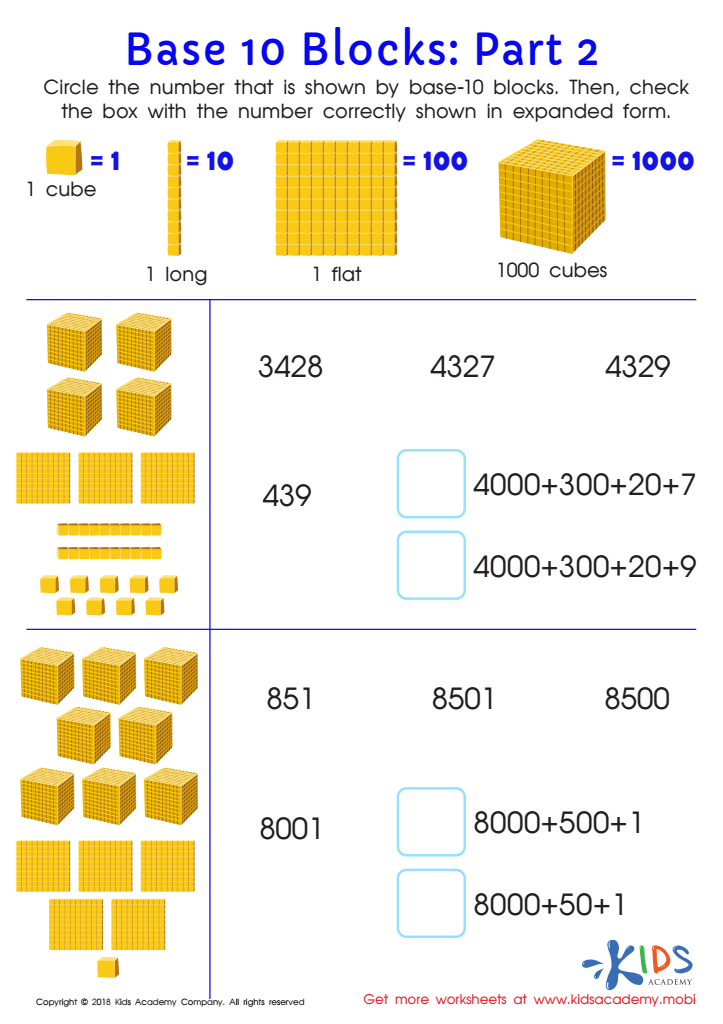
Base 10 Blocks Worksheet: Part 2







Understanding place value is fundamental for children aged 4-8 as it forms the cornerstone of their early mathematical development. Mastery of place value concepts helps young learners grasp how numbers are constructed and related. For parents and teachers, nurturing this understanding is crucial because it sets the stage for more complex mathematical operations, such as addition, subtraction, and beyond.
When children recognize that the digit 5 in "50" holds a different value than in "5," they increase their numerical literacy, enabling them to tackle larger numbers with confidence. This foundational skill supports critical problem-solving and analytical skills essential for academic success. Moreover, it aids in developing competencies that extend beyond mere numeracy; these include logical reasoning and critical thinking.
By focusing on place value early on, education becomes a collaborative effort that strengthens communication between home and school. Parents can reinforce these concepts through daily activities, fostering a positive attitude toward math from an early age. Overall, when children understand place value, they not only become proficient in mathematics but also develop a sense of accomplishment and motivation that can influence their overall love for learning. Thus, it’s vital for both parents and teachers to prioritize this understanding in young learners' education.








