
Understanding Sequences Normal Math Worksheets for Ages 4-8
4 filtered results
Difficulty Level
Grade
Age
-
From - To
Subject
Activity
Standards
Explore our "Understanding Sequences Normal Math Worksheets for Ages 4-8," designed to lay a vital foundation in your child's mathematical education. These engaging and carefully crafted worksheets help young learners grasp the concept of sequences and patterns, boosting their critical thinking and problem-solving skills. Tailored for children ages 4-8, the activities ensure age-appropriate challenges while making learning both fun and effective. Created by education professionals, these printables serve as valuable practice tools in class or at home. Empower your child's math journey with worksheets that unlock their potential and build a strong understanding of sequences. Visit Kids Academy to download now!
Favorites
With answer key
Interactive
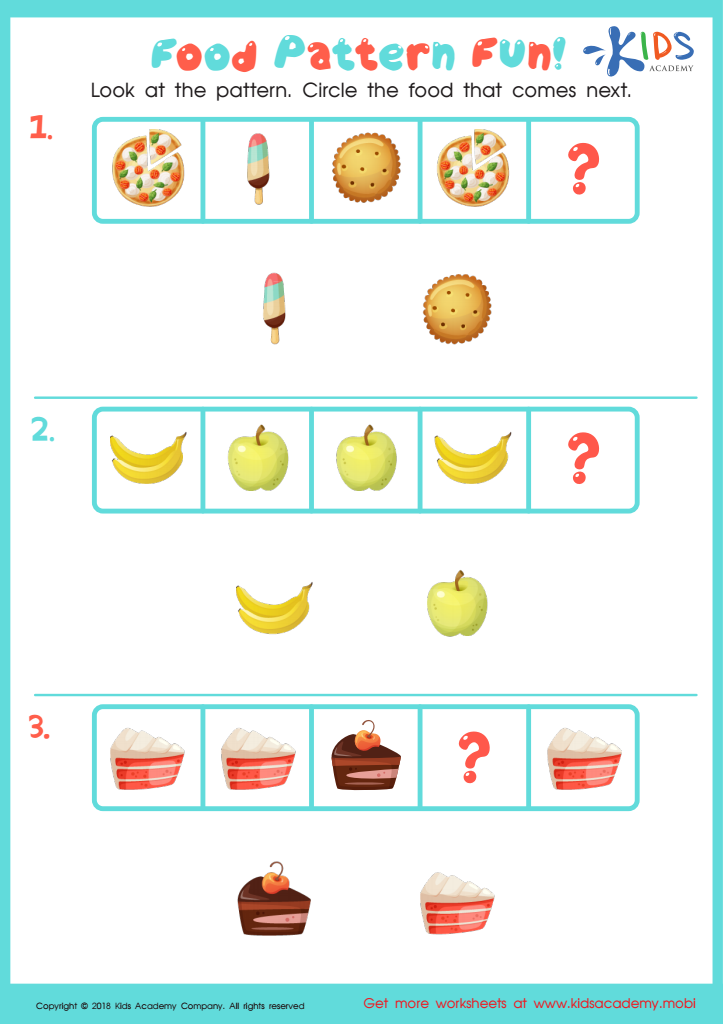
Food Pattern Fun Worksheet
Got kids who love snacks? Get them excited with this fun food pattern worksheet! Ask them to identify the foods in the printout then spot the pattern and circle the next food in each row. It's a great way to get them thinking and have fun at the same time!
 Assign to My Students
Food Pattern Fun Worksheet
Worksheet
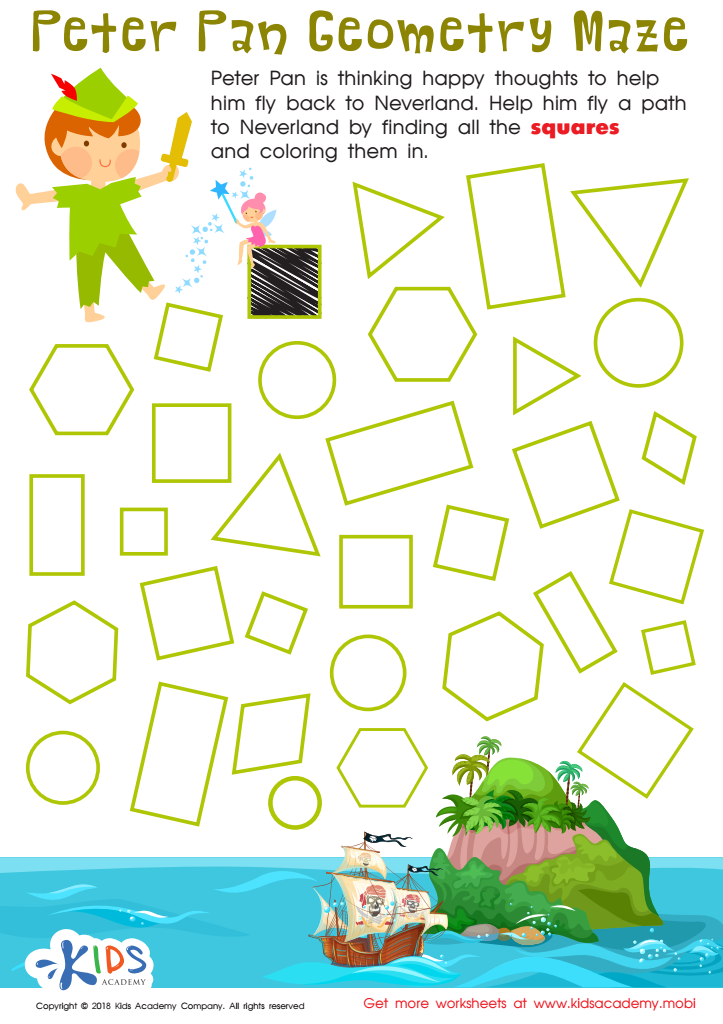
Peter Pan Worksheet
Kindergarteners can join Peter Pan on an adventure to Neverland! They can help him by coloring squares to create a path, strengthening their shape identification skills in a fun maze. Let the journey begin!
Peter Pan Worksheet
Worksheet
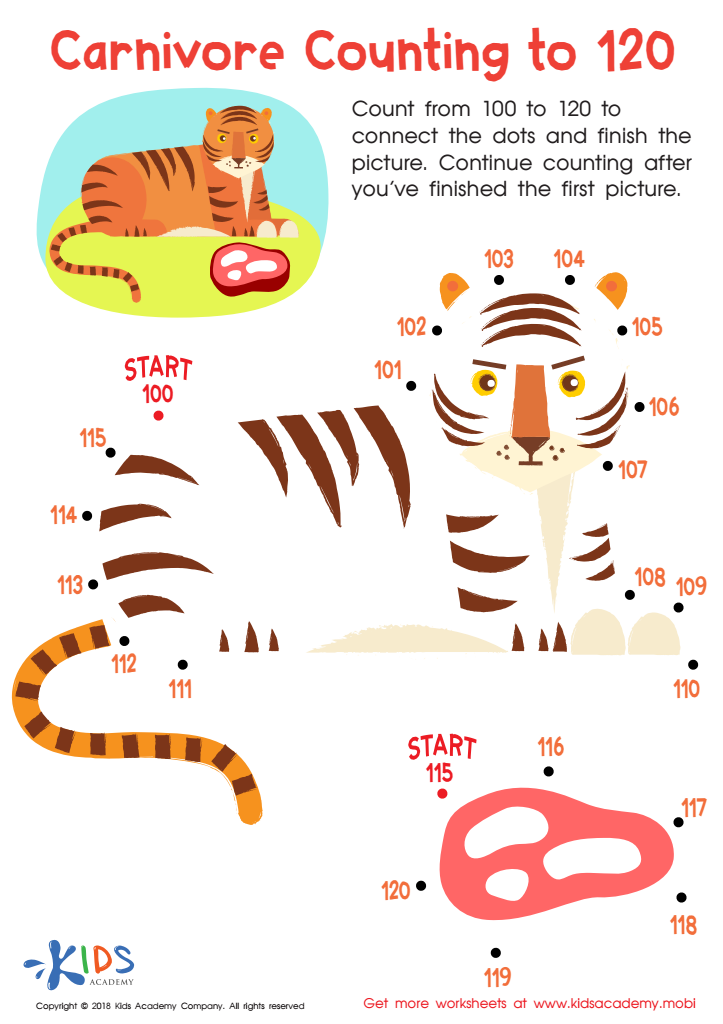
Carnivore Counting to 120 Worksheet
Ask your child to name some popular carnivores. Can they tell you what the animal in the worksheet is? A Tiger? Get them to count from 100 to 120 to connect the dots. After they finish the first picture, keep counting to help them practice!
Carnivore Counting to 120 Worksheet
Worksheet
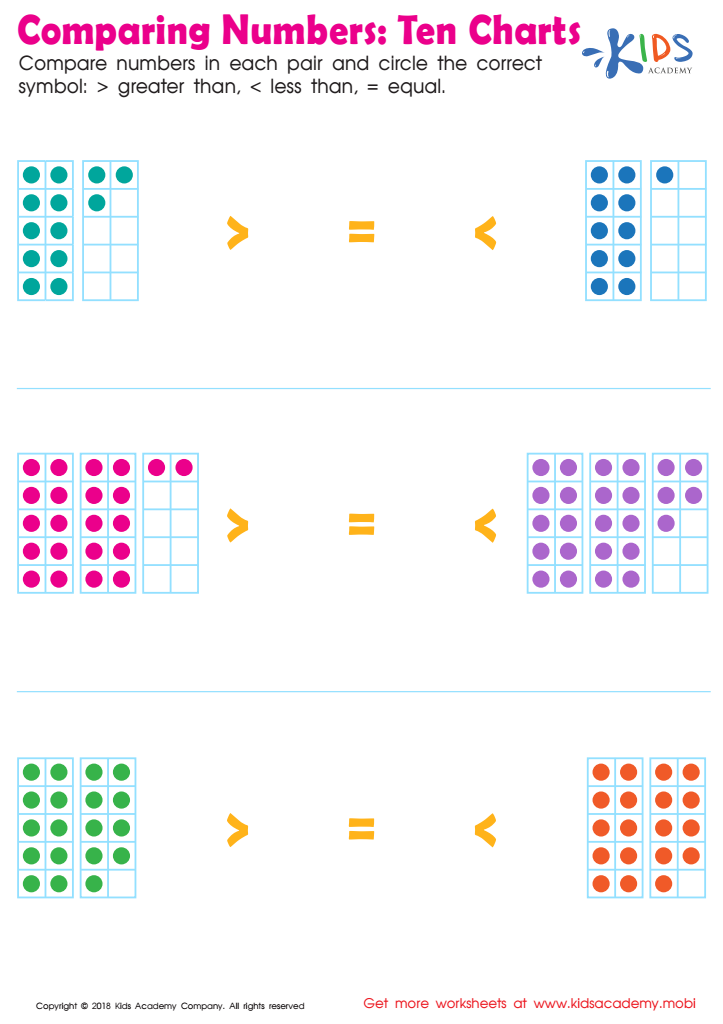
Ten Charts Worksheet
Help your child learn numbers in a creative way using this printable worksheet. They'll learn the difference between numbers, how to add them, and the symbols of "greater than", "less than" and "equals to". They can compare two sides, and identify which is greater, less or equal. Let their maths knowledge bloom!
Ten Charts Worksheet
Worksheet
Join Kids Academy for Free
Who is primarily going to use this learning content?







Understanding sequences in math is crucial for young children aged 4-8 as it lays a foundational pillar for their cognitive and academic growth. At this developmental stage, children are incredibly receptive to patterns and logical progressions. Recognizing and understanding sequences helps them in multiple dimensions of learning and aspect development:
-
Cognitive Development: Sequential learning enhances memory functions, enabling children to recall information confidently and apply it in various scenarios, improving critical thinking skills.
-
Numeracy Skills: Early familiarity with sequences builds a strong numerical foundation. They learn to count, recognize number patterns, and grasp the concept of "what comes next," which is essential for addition, subtraction, and more complex math operations in later years.
-
Problem-Solving: Understanding sequences equips children with the ability to approach problems methodically. This fosters patience and promotes a logical approach in solving tasks, ranging from puzzles to real-life scenarios.
-
Language and Communication: Sequences aid in understanding the order of events and storytelling, promoting better language skills. They learn to articulate events chronologically, improving both written and verbal communication.
-
Confidence and Enjoyment: Mastering basic sequences augments a child's confidence. Celebrating these small victories can inculcate a love for learning and reduce math anxiety early on.
Therefore, parents and teachers should prioritize sequence learning, intertwining it into fun yet educational activities, ensuring children appreciate its importance naturally and effectively.








