Vocabulary development Normal Matching Worksheets for Ages 4-8
3 filtered results
-
From - To
Enhance your child's language skills with our Vocabulary Development Normal Matching Worksheets designed for ages 4-8. These engaging and educational resources help young learners expand their vocabulary while having fun. With a variety of themed activities, our worksheets promote word recognition, comprehension, and spelling. Ideal for both classroom and at-home learning, each worksheet pairs vibrant images with corresponding words, making the learning process intuitive and enjoyable. Start your child's journey towards greater language proficiency today with Kids Academy’s expertly crafted vocabulary development matching worksheets. Suitable for all learning levels, our tools support effective early education and literacy growth.
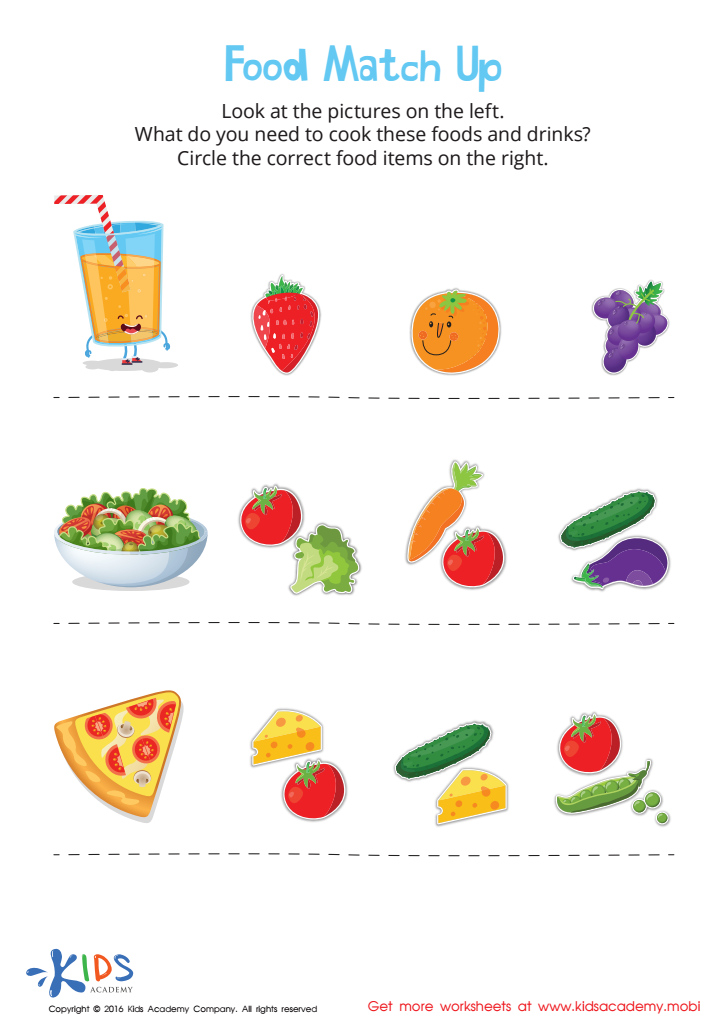
Food Match Up Worksheet
 Assign to My Students
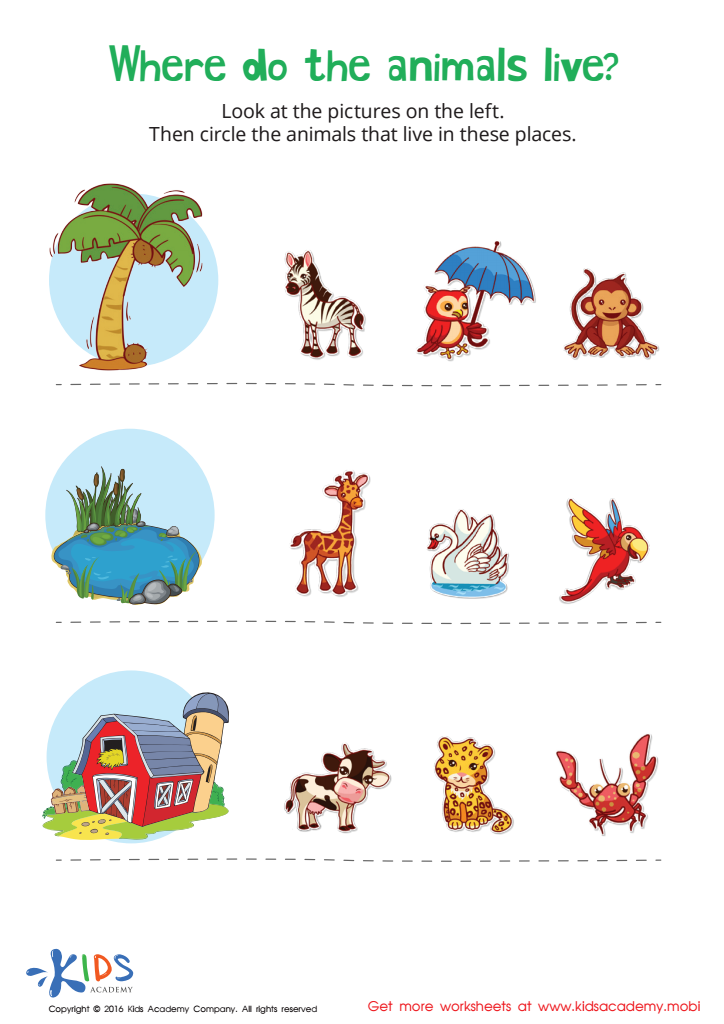
Where Animals Live Worksheet
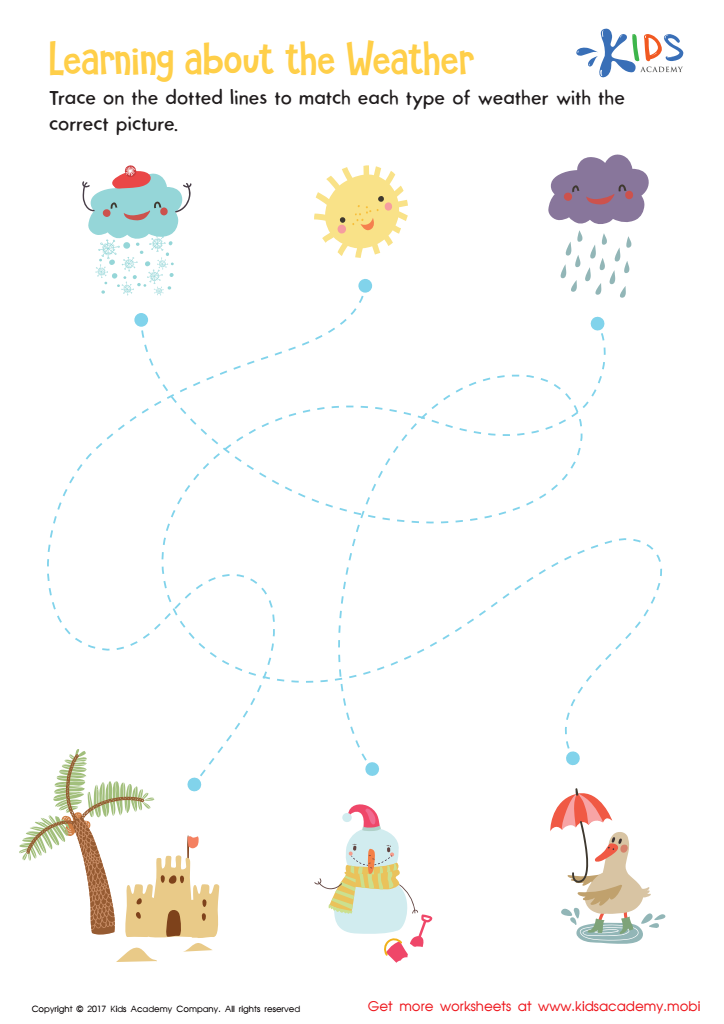








Vocabulary development for children aged 4-8 is crucial for several reasons, which underline why both parents and teachers should prioritize it. During these formative years, a robust vocabulary foundation can significantly influence a child's cognitive, social, and academic success.
Firstly, vocabulary is the building block of language and communication. A rich vocabulary enables children to express themselves more clearly and confidently. This, in turn, encourages better social interactions and relationships with peers and adults.
Secondly, a strong vocabulary is essential for reading comprehension. As children begin to read independently, understanding the words they encounter is vital. Without a sufficient vocabulary, children may struggle to grasp the meaning of texts, which can hinder their progress in other academic areas.
Additionally, vocabulary development is closely tied to cognitive development. Learning new words expands a child’s ability to think and learn about the world. It fosters critical thinking and problem-solving skills, essential for academic and real-life situations.
Parents and teachers play a crucial role in this process. They can actively encourage vocabulary growth through activities like reading aloud, engaging in conversations, and playing word games. Such practices not only make learning enjoyable but also create a supportive environment that promotes continual vocabulary expansion.
In essence, prioritizing vocabulary development in early childhood sets the stage for lifelong learning and success.








