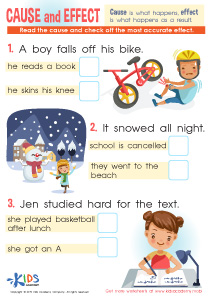
Animal identification Normal Reading Non-Fiction Worksheets for Ages 4-8
3 filtered results
-
From - To
Explore our "Animal Identification Normal Reading Non-Fiction Worksheets" designed specifically for children aged 4-8! These engaging worksheets combine educational content with fun activities to help young learners identify and learn about various animals. Each worksheet features vibrant images and easy-to-understand facts, encouraging early reading skills while promoting curiosity about the animal kingdom. Perfect for home or classroom use, these resources support educational development through reading comprehension exercises that foster critical thinking. Download the complete set and ignite your child's passion for learning in a playful, interactive way! Start your child's journey in discovering the wonders of animals today!
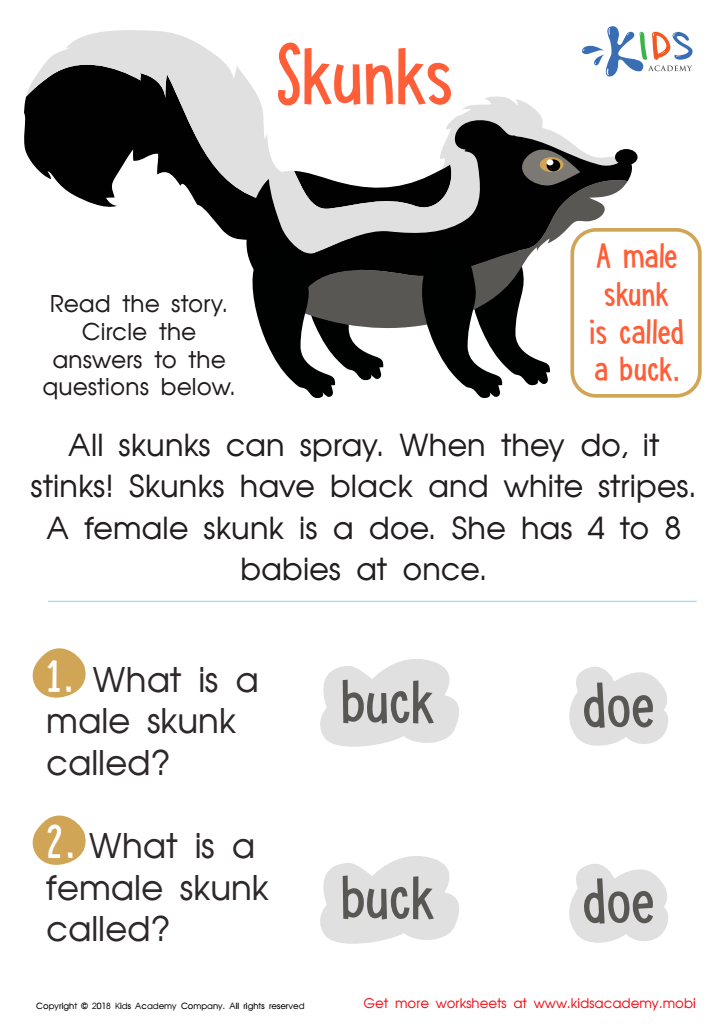
Skunks Worksheet
 Assign to My Students
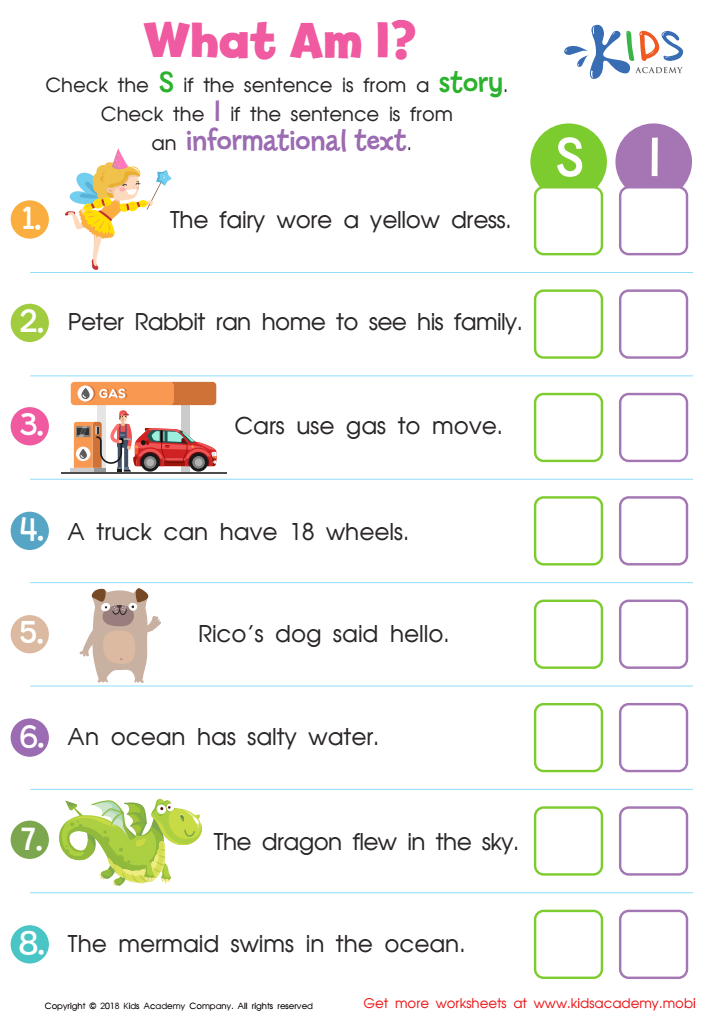
What Am I? Worksheet
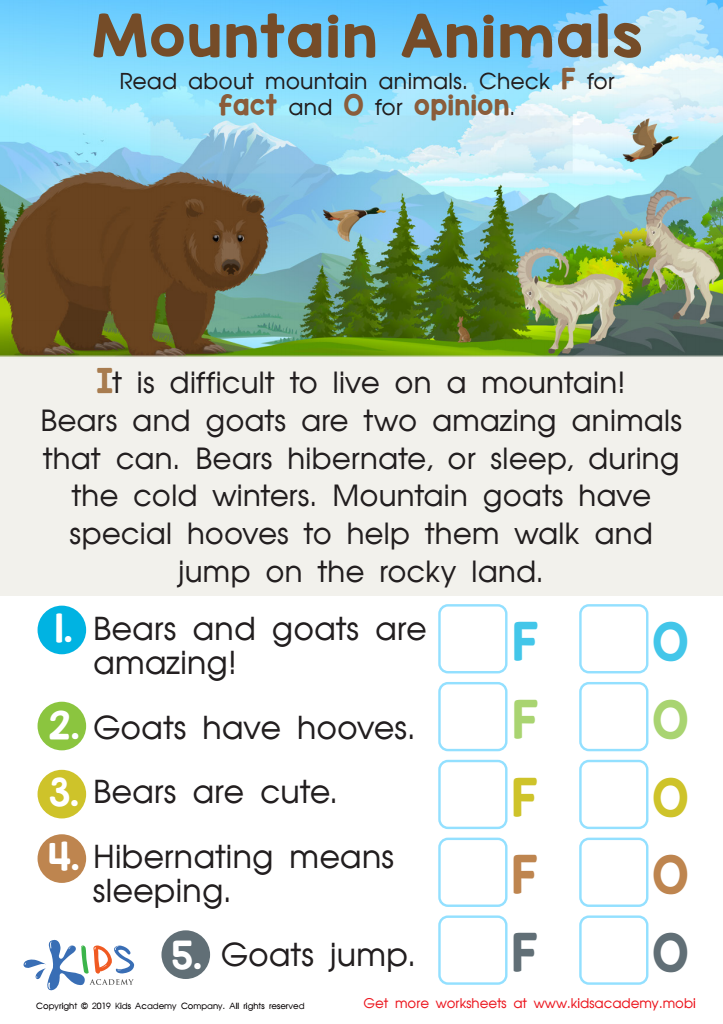
Mountain Animals Worksheet








Parents and teachers should care about animal identification literature for children aged 4-8 because it fosters essential skills and knowledge at a young age. Engaging with animal identification books helps children develop an appreciation for nature and wildlife, encouraging curiosity about the world around them. This age group is at a pivotal stage for learning, and introducing them to different animals helps expand their vocabulary, comprehension, and critical thinking.
Additionally, animal identification books often incorporate colorful visuals and fun facts that capture children's attention, making learning enjoyable. These resources can teach children about various species, their habitats, and their roles in the ecosystem, promoting early understandings of biodiversity and conservation.
Moreover, such literature supports the development of observational skills and attention to detail as children learn to recognize different animals. By discussing characteristics and differences among species, children enhance their cognitive abilities and creativity.
In a world where technology is increasingly dominant, animal identification books provide essential opportunities for hands-on, exploratory learning. They also serve as tools for fostering empathy and responsibility towards living creatures, instilling a sense of stewardship for the environment that can last a lifetime.