Developing observation skills Normal Science Worksheets for Ages 4-8
3 filtered results
-
From - To
Enhance your child's learning experience with our "Developing Observation Skills Normal Science Worksheets" tailored for ages 4-8. These worksheets provide engaging and interactive activities designed to cultivate keen observation skills, vital for scientific exploration. Through fun exercises, your child will learn to notice details, enhance their critical thinking, and foster a curiosity about the natural world. Each worksheet covers various science topics, ensuring a well-rounded understanding while making learning enjoyable. Perfect for parents and educators, our printable resources are easy to use and align with early education standards. Equip your child with the tools to explore and understand their environment!
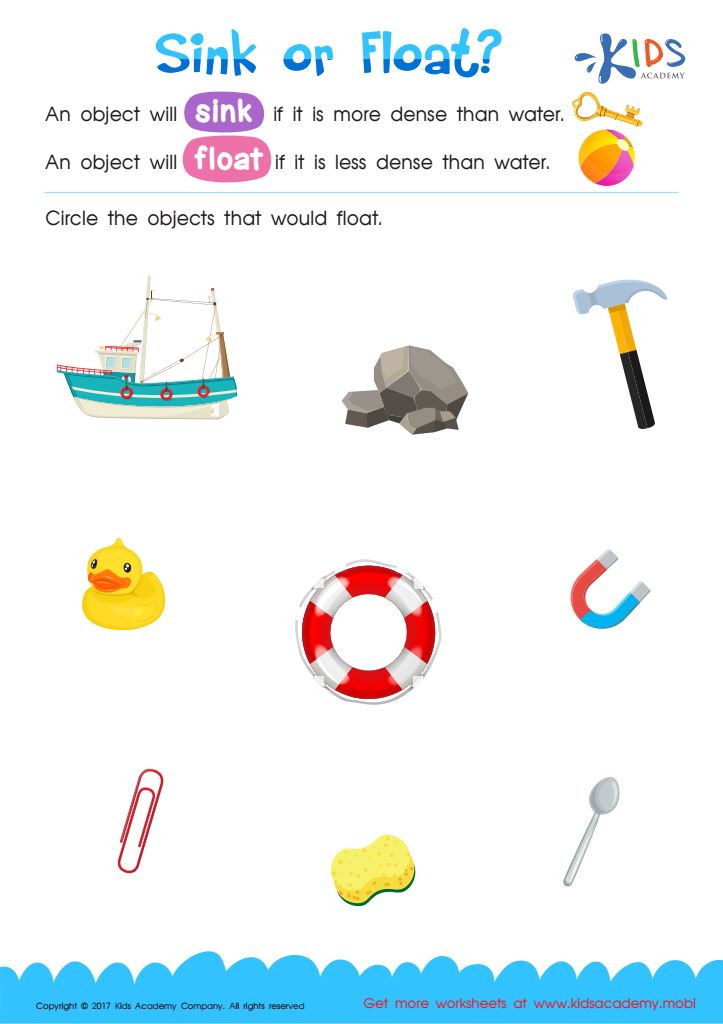
Sink or Float Printable
 Assign to My Students
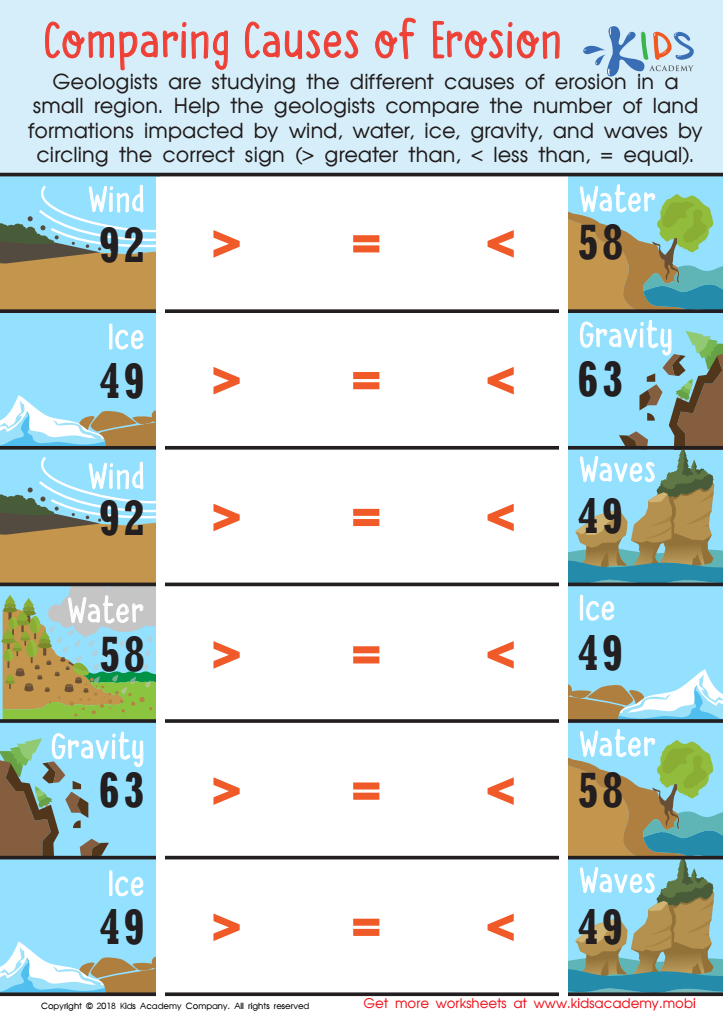
Comparing Causes of Erosion Worksheet
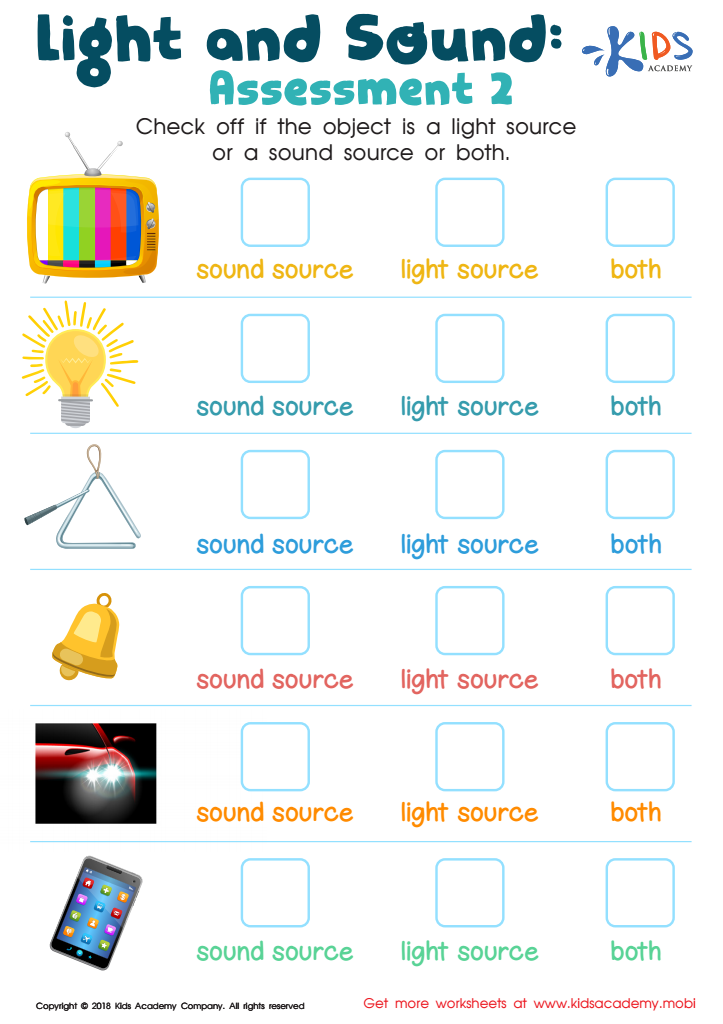
Light and Sound: Assessment 2 Worksheet




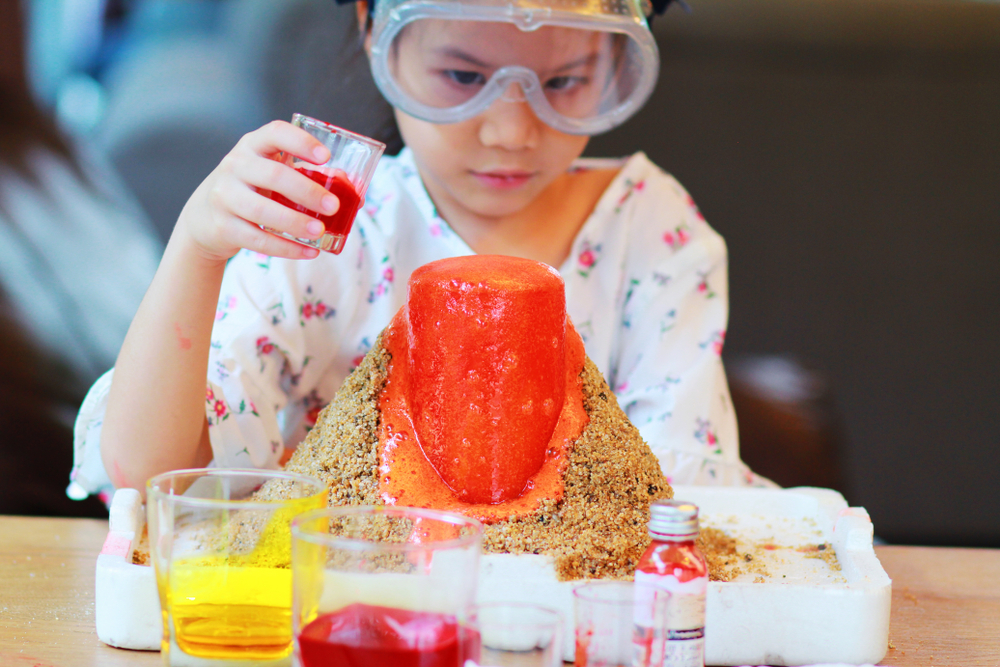



Developing observation skills in young children, particularly in ages 4-8, is essential for several reasons. First, these skills form the foundation of scientific inquiry, allowing children to notice details in their surroundings, ask questions, and make connections. Observational skills enhance critical thinking and communication, enabling children to articulate their thoughts more clearly as they describe their findings.
For parents and teachers, fostering these skills encourages a love of learning and exploration. Engaging children in observation activities—like nature walks or classroom experiments—can spark curiosity, making science feel relevant and exciting. Games that involve recognizing patterns or identifying differences also promote focus and concentration, important skills for academic success.
Moreover, observation helps children develop empathy and emotional intelligence by training them to notice and interpret the feelings and behaviors of those around them. This holistic growth supports effective collaboration with peers.
Investing in observation skills not only nurtures a child's intellectual development but also aids in social and emotional growth, making learning a joyful and meaningful experience. Thus, parents and teachers play a crucial role in ensuring children cultivate these competencies, laying the groundwork for lifelong critical thinking and problem-solving abilities.







