Enhancing Reading Comprehension Normal Science Worksheets for Ages 4-8
9 filtered results
-
From - To
Boost your child's reading comprehension with our engaging Normal Science Worksheets, tailored for kids ages 4-8! Our worksheets are designed to make learning fun and interactive by integrating fundamental science concepts with reading activities. Children will explore fascinating topics while enhancing their ability to understand and retain information. These expertly crafted materials are perfect for home or classroom use, providing young learners with the skills they need to thrive in reading and science. Join thousands of parents and educators who trust our resources to inspire curiosity and solidify foundational skills. Start your educational adventure today!
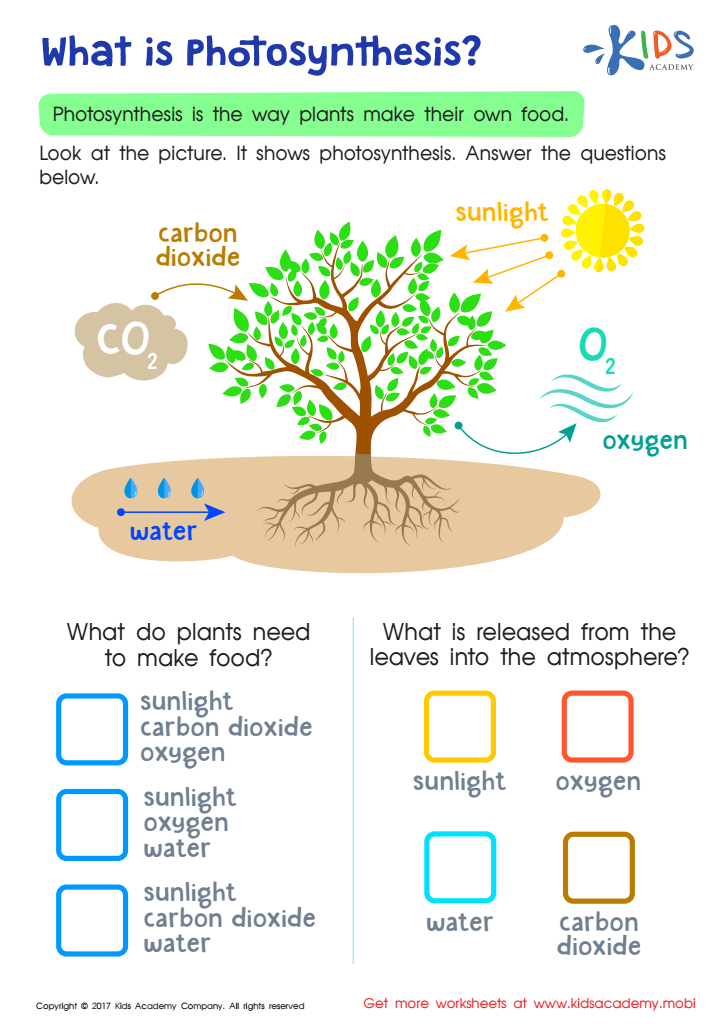
What is Photosynthesis Printable
 Assign to My Students
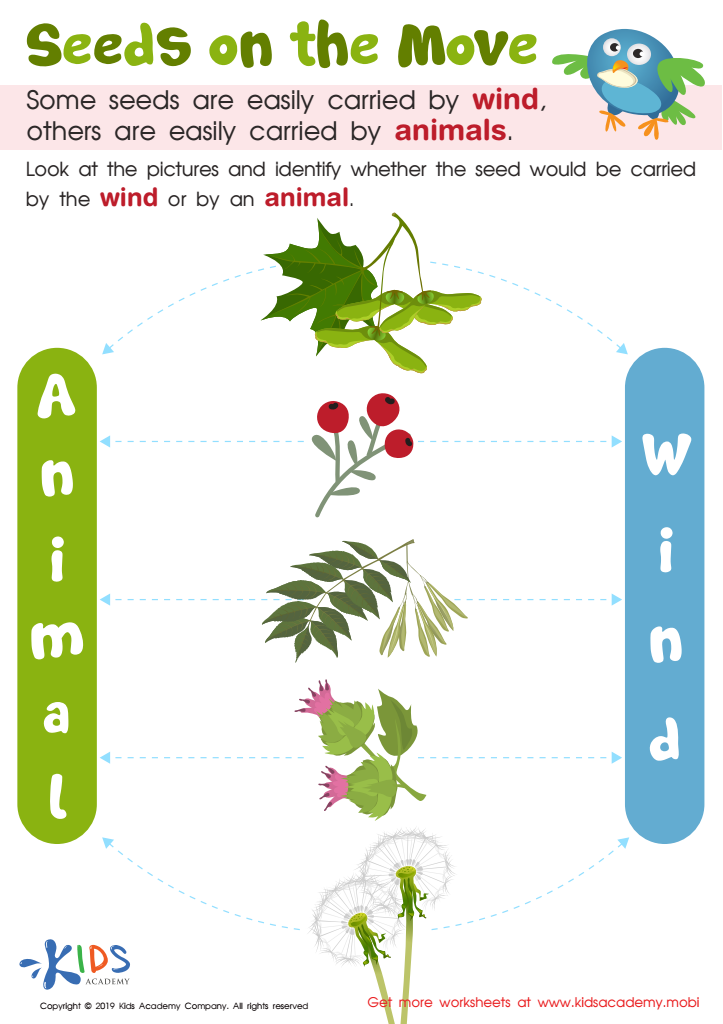
Seeds on the Move Worksheet
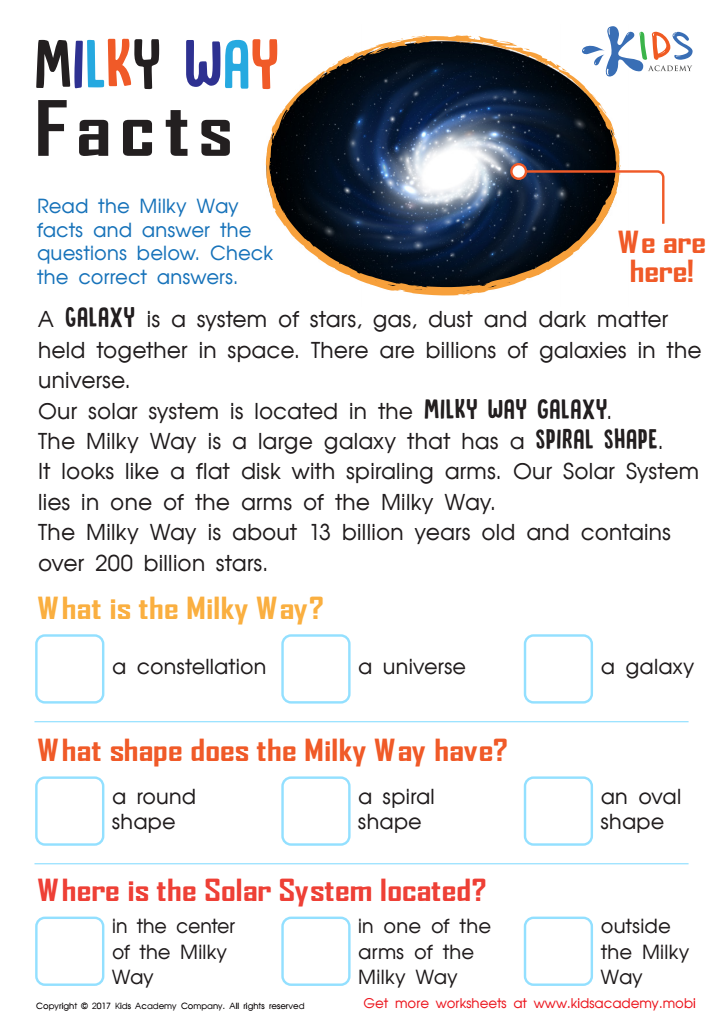
Milky Way Facts Worksheet
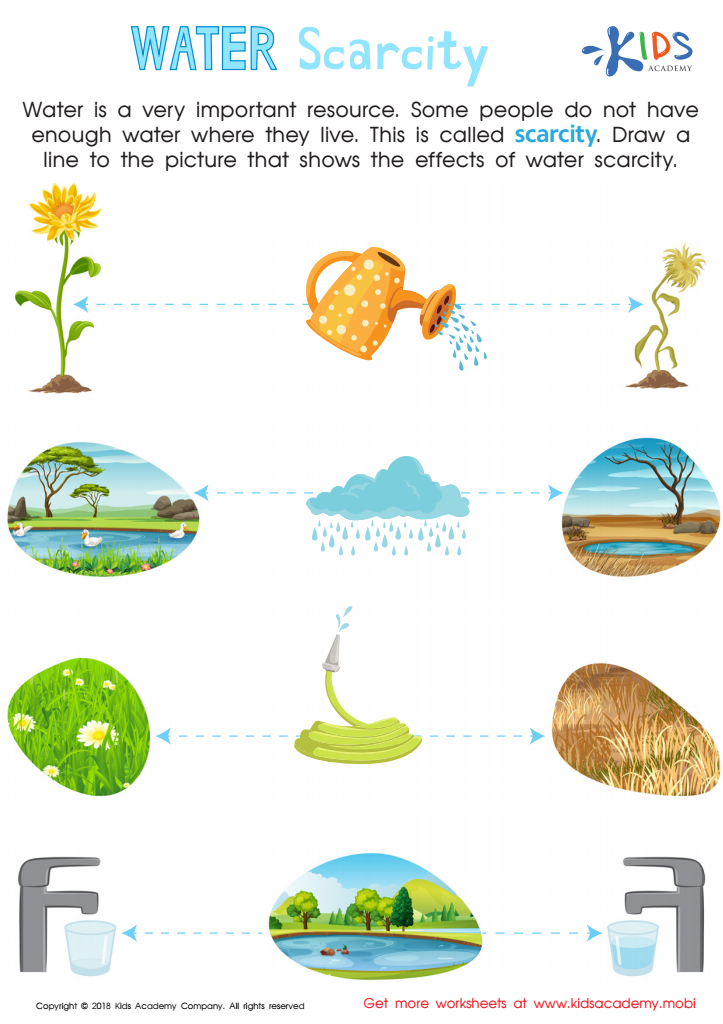
Water Scarcity Worksheet
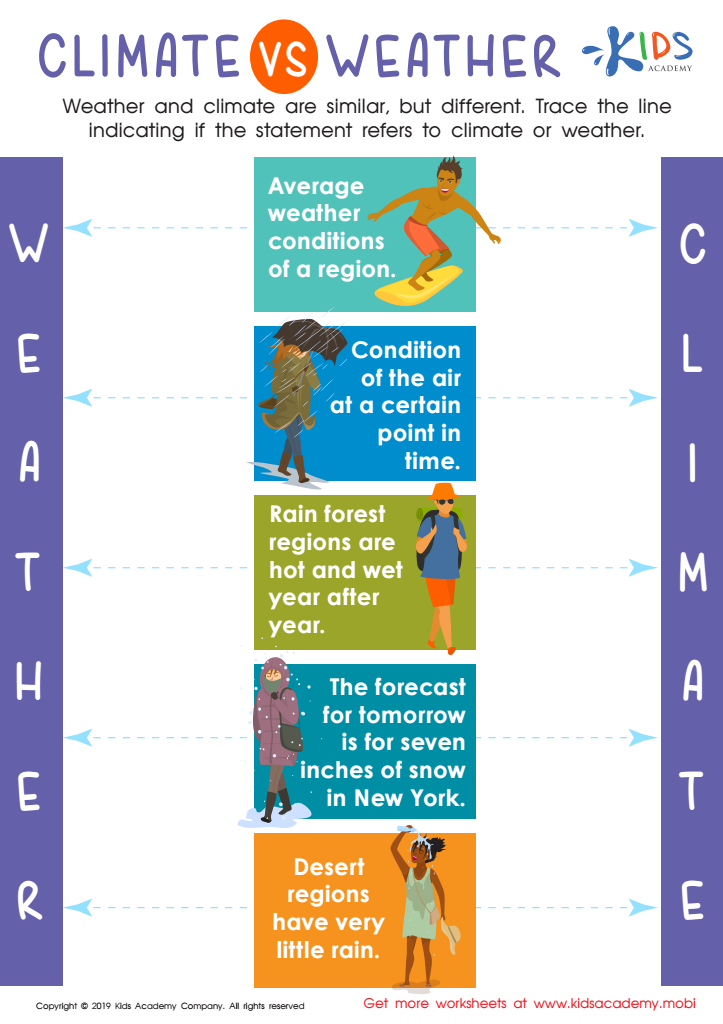
Climate vs Weather Worksheet
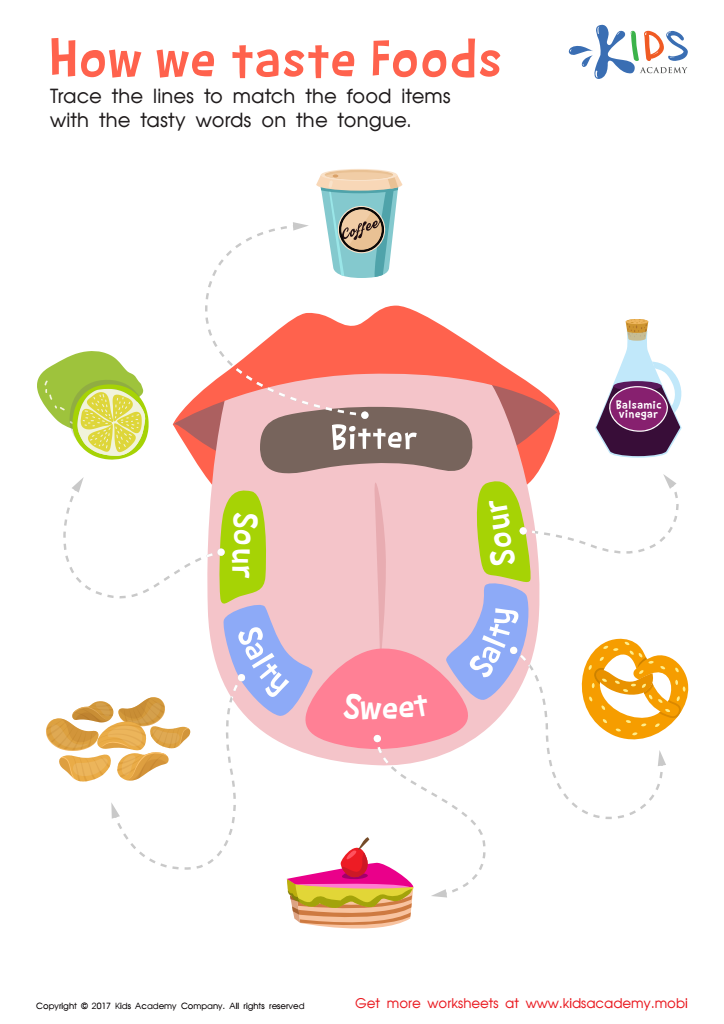
How We Taste Foods Worksheet
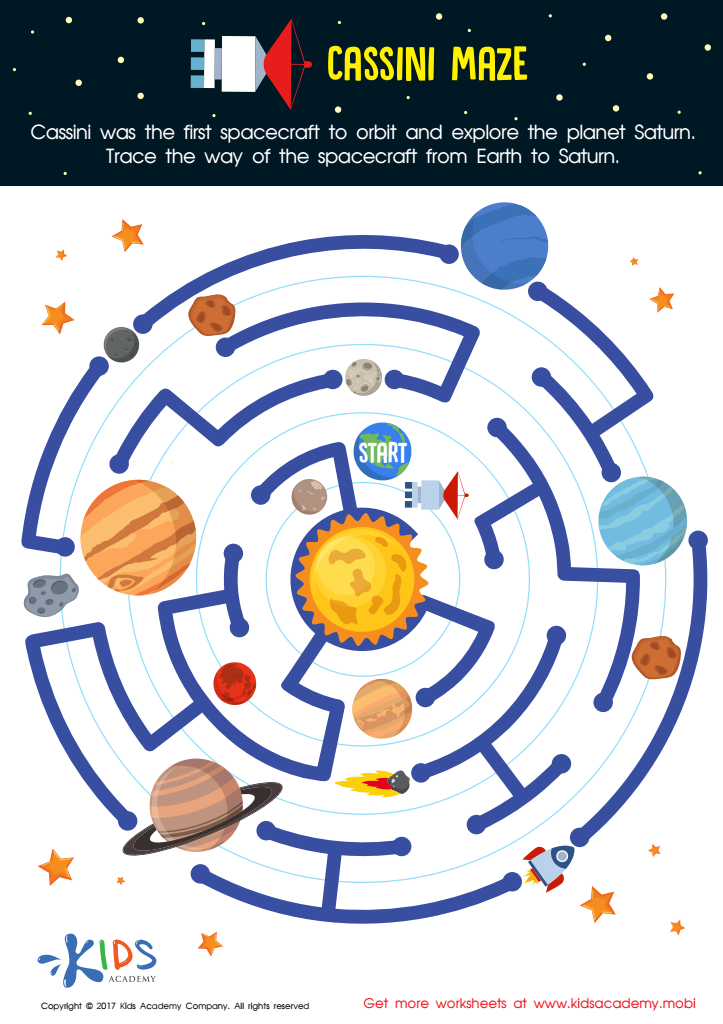
Cassini Printable Worksheet
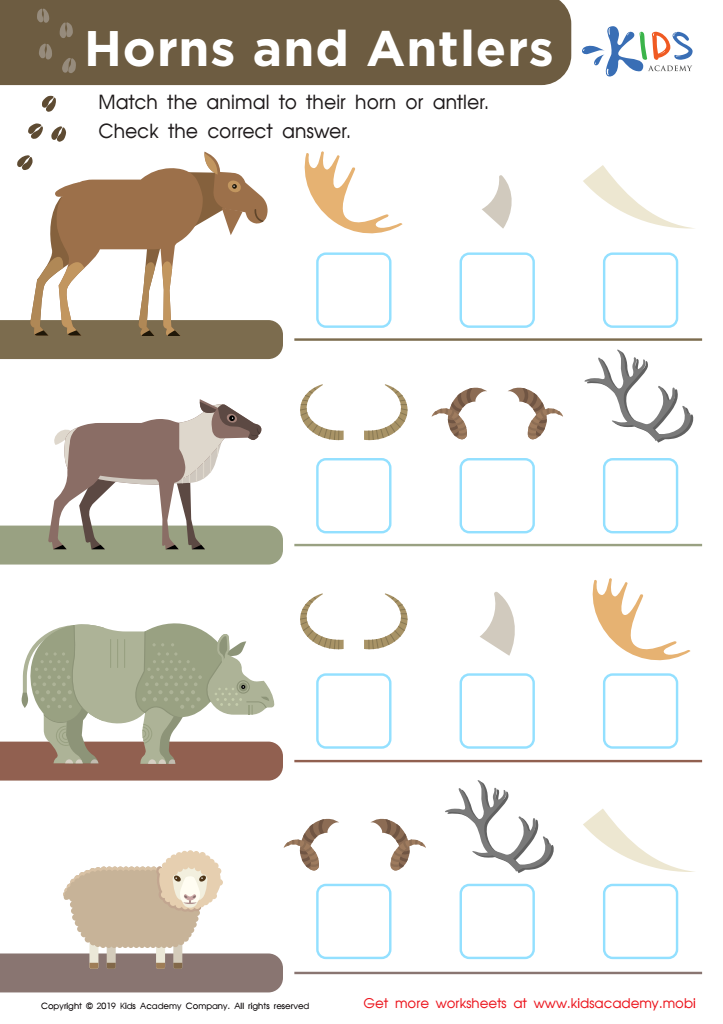
Horns and Antlers Worksheet
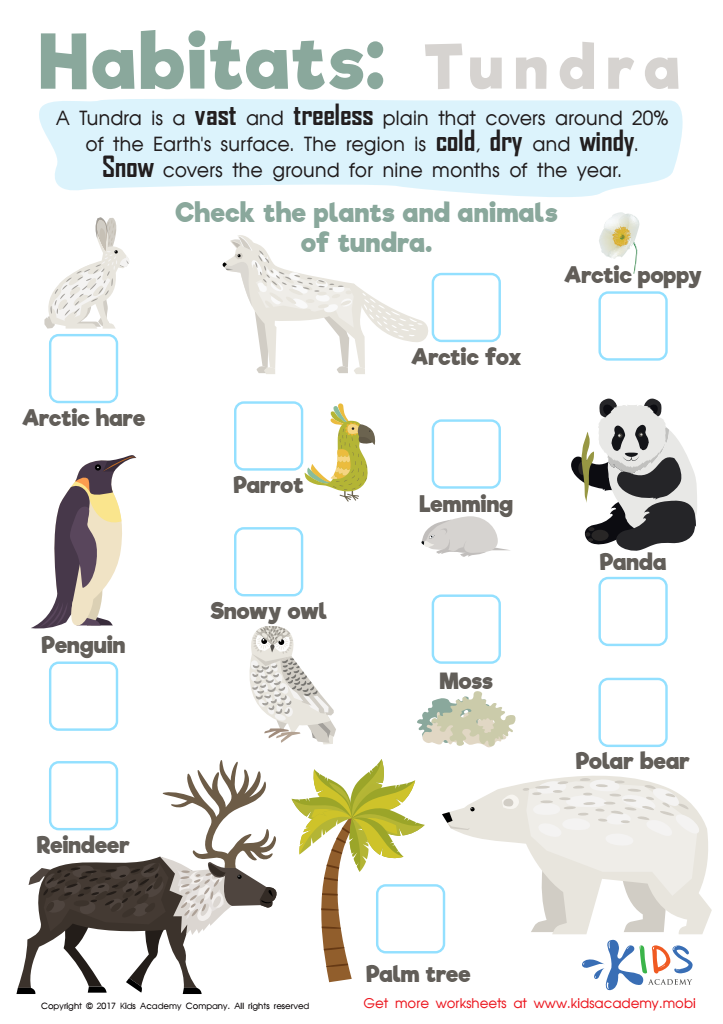
Tundra Habitats Worksheet








Enhancing reading comprehension for young children aged 4-8 is critical for laying a strong educational foundation and fostering lifelong learning. At this crucial stage, children are not just learning to read; they are beginning to understand and process information, skills that are essential for their academic success and personal growth.
Reading comprehension involves decoding words, understanding sentence structure, and grasping the meaning of the text, all of which contribute to cognitive development. By focusing on enhancing these skills early, parents and teachers can help children build an extensive vocabulary, improve their language skills, and boost overall literacy. This foundational understanding encourages curiosity, enriches imagination, and supports critical thinking, all attributes crucial in a child's holistic development.
Moreover, early intervention in reading comprehension can help identify and address learning difficulties, allowing for tailored educational strategies that cater to individual needs. This ensures that no child falls behind, promoting equity in education. Parents and teachers who emphasize reading comprehension create a supportive environment that values learning, thereby instilling a positive attitude towards education in young children.
In sum, focusing on reading comprehension enhances cognitive skills, supports language development, encourages problem-solving, and prepares children for future academic challenges, making it a vital aspect of early childhood education.







