Knowledge application Normal Science Worksheets for Ages 4-8
5 filtered results
-
From - To
Explore our engaging "Knowledge Application Normal Science Worksheets" designed for children ages 4-8! These worksheets provide young learners with opportunities to apply their scientific knowledge in fun and interactive ways. Designed to spark curiosity, each worksheet focuses on essential science concepts, helping kids develop critical thinking and problem-solving skills. From simple experiments to hands-on activities, these resources cater to diverse learning styles, ensuring an enriching educational experience. Perfect for classroom use or at-home practice, our science worksheets guide children through the wonders of the world around them. Foster a love for science and enhance knowledge application with these exciting resources today!
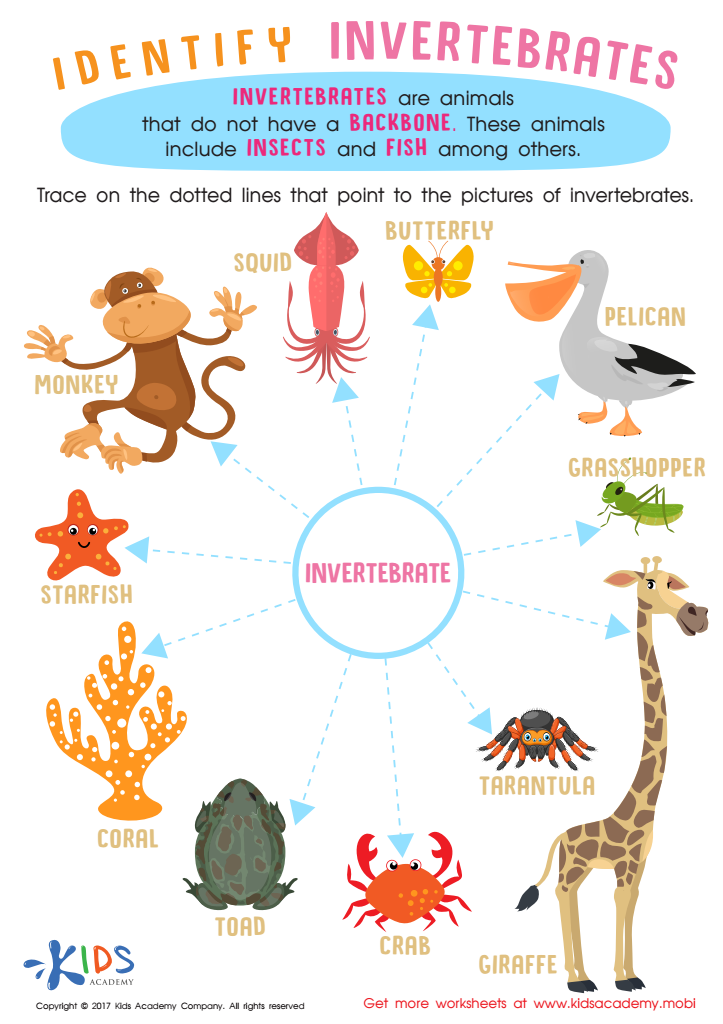
Invertebrates Worksheet for Grade 3
 Assign to My Students
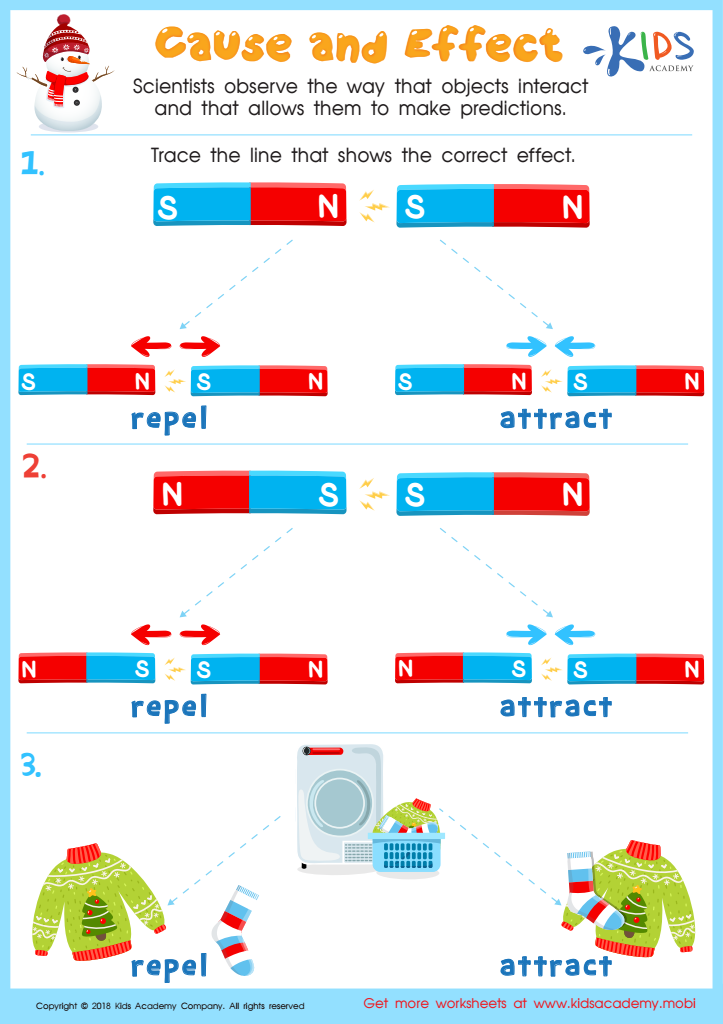
Repel and Attract Magnet Worksheet
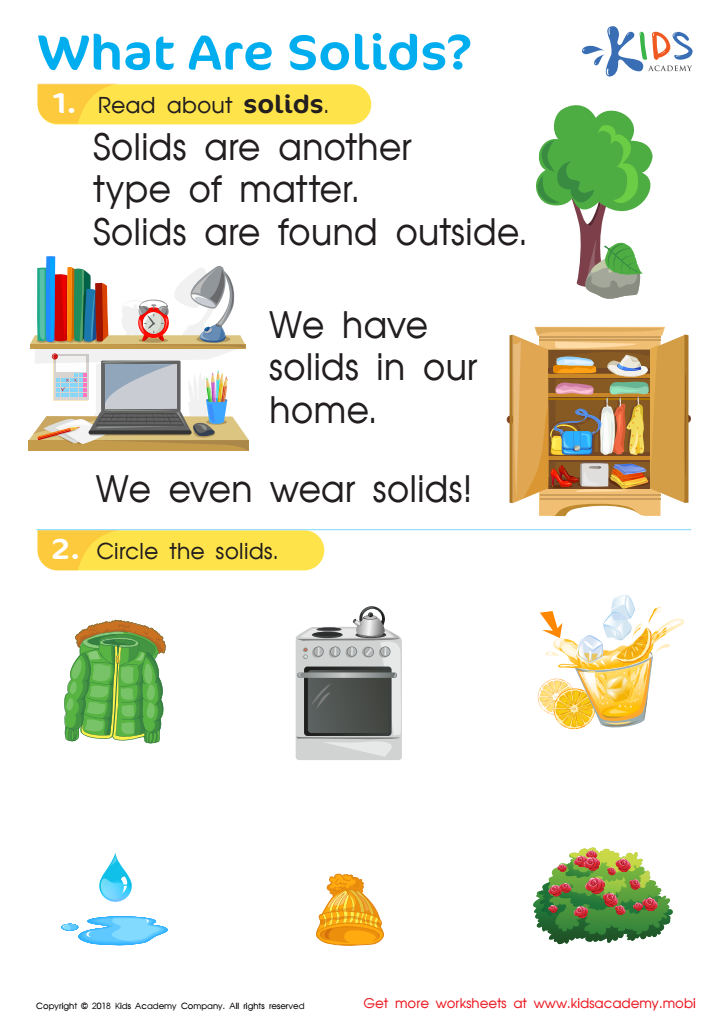
What Are Solids? Worksheet
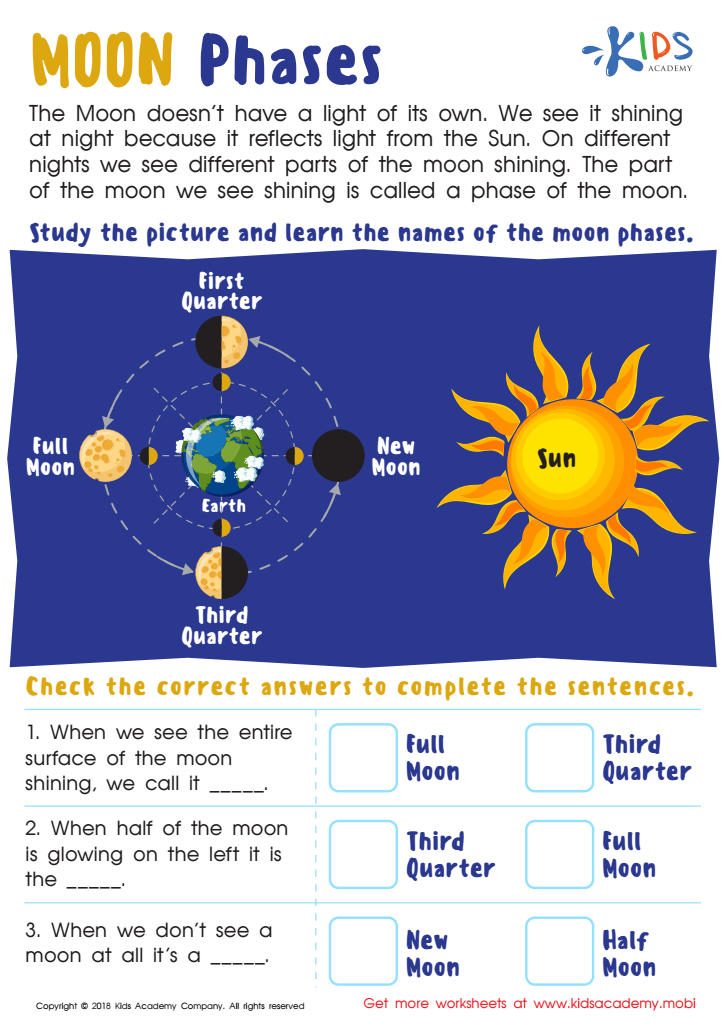
Moon Phases Worksheet
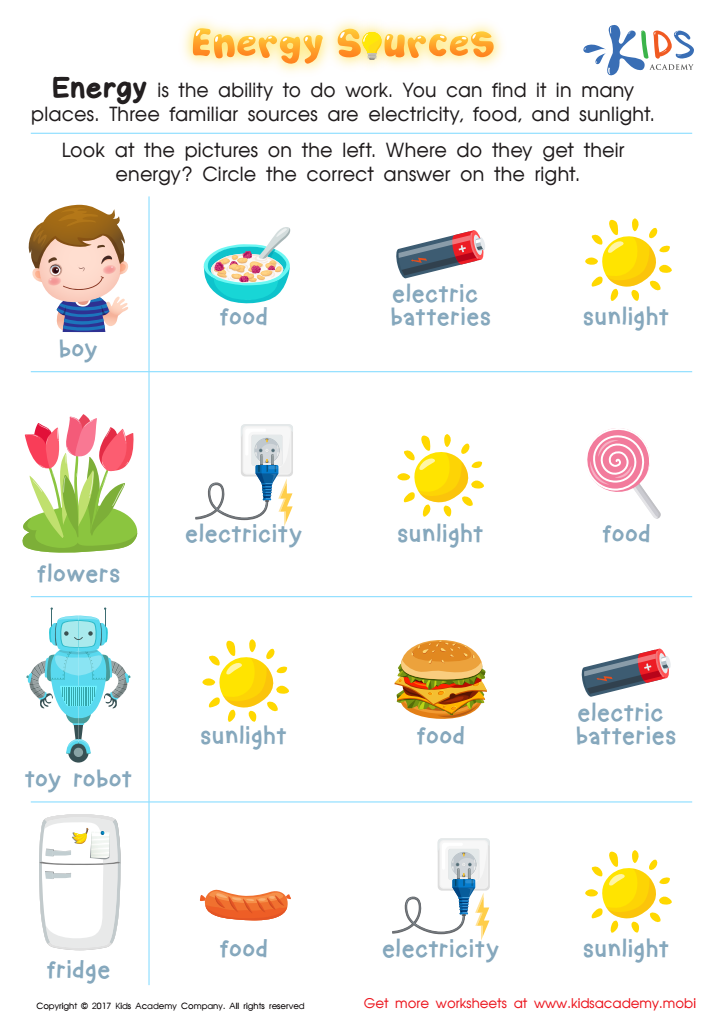
Energy Sources Printable


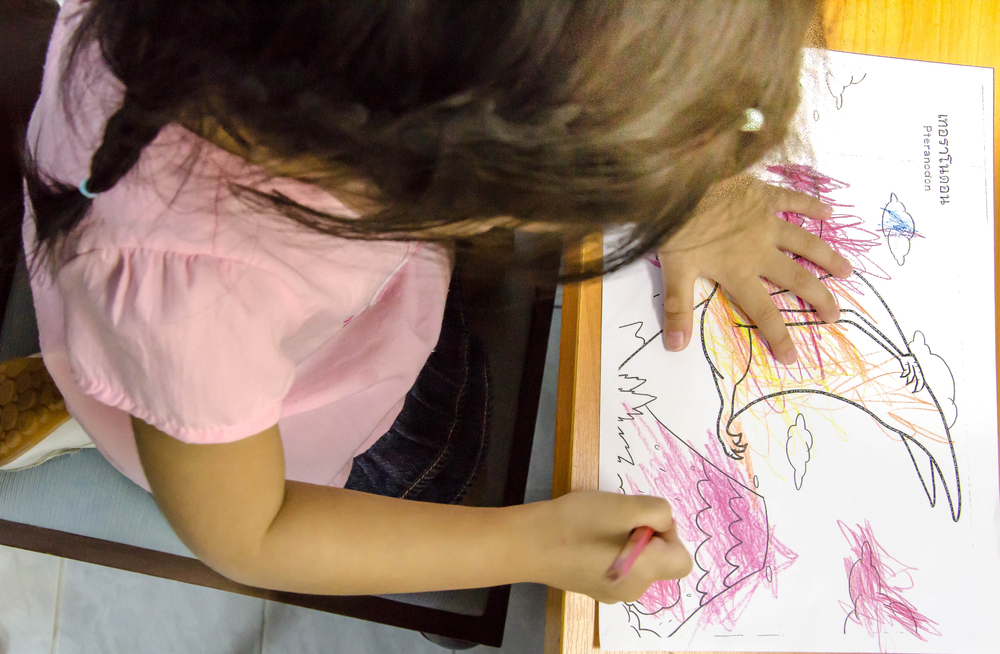




Knowledge application in Normal Science is crucial for children aged 4-8 as it lays the foundation for critical thinking, problem-solving, and scientific literacy. At this age, children are naturally curious about the world around them. Engaging them in hands-on activities and experiments enables them to apply what they learn, fostering a deeper understanding of scientific concepts.
Parents and teachers should prioritize this aspect of learning because it nurtures children's innate curiosity and encourages them to ask questions. When children apply knowledge through exploration, they develop observation skills, learn to formulate hypotheses, and recognize the importance of reasoning based on evidence. This experiential learning approach not only makes science fun and relatable but also builds resilience and adaptability as they encounter challenges.
Furthermore, acquiring practical knowledge in science promotes collaboration and communication skills as children often work together in small groups. This social aspect of learning enhances their emotional and social development. Ultimately, instilling a solid foundation in knowledge application fosters a lifelong love for learning, preparing children to navigate and engage with the complexities of the world as informed and responsible citizens. Parents and teachers play a vital role in guiding this journey, creating a stimulating environment for exploration and inquiry.







