Vocabulary enhancement Normal Science Worksheets for Ages 4-8 - Page 2
41 filtered results
-
From - To
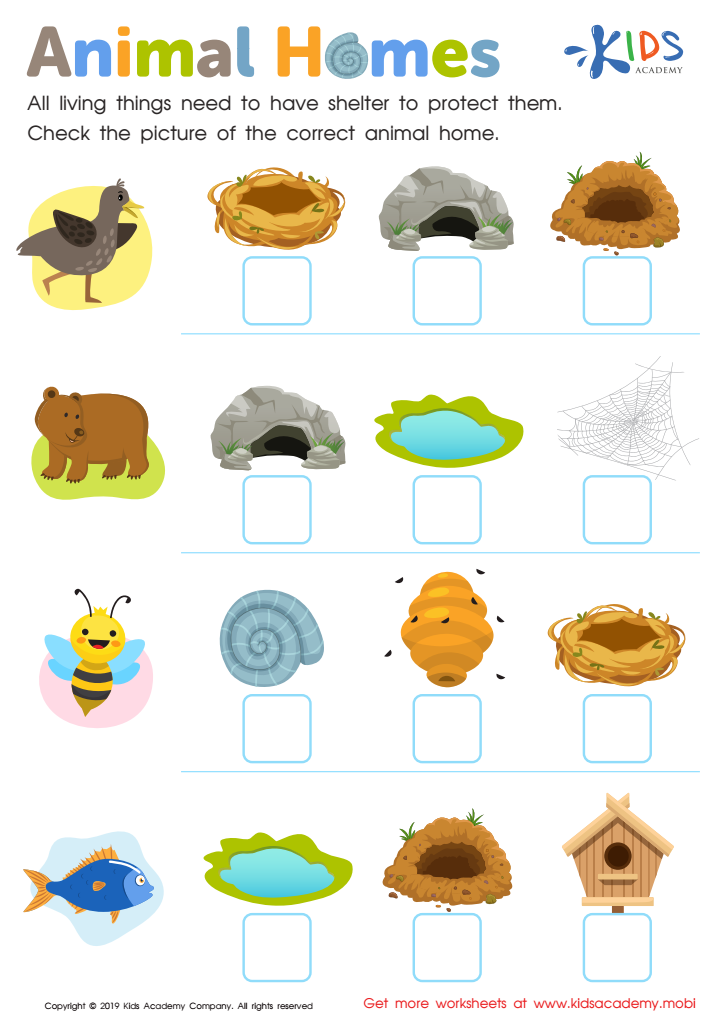
Animal Homes Worksheet
 Assign to My Students
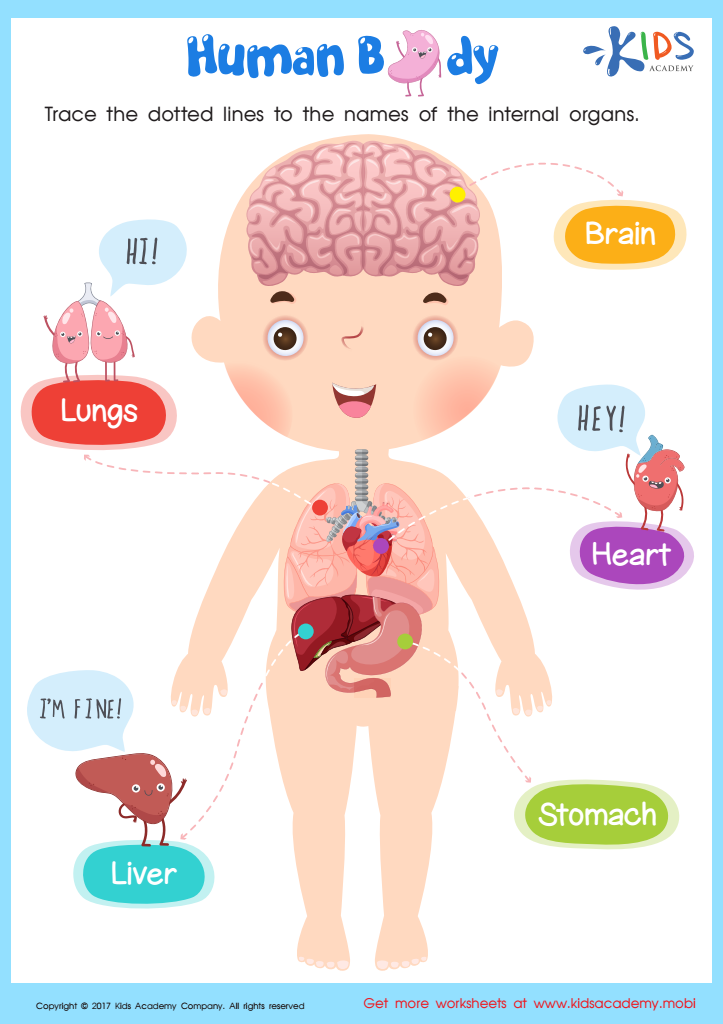
Human Body Worksheet
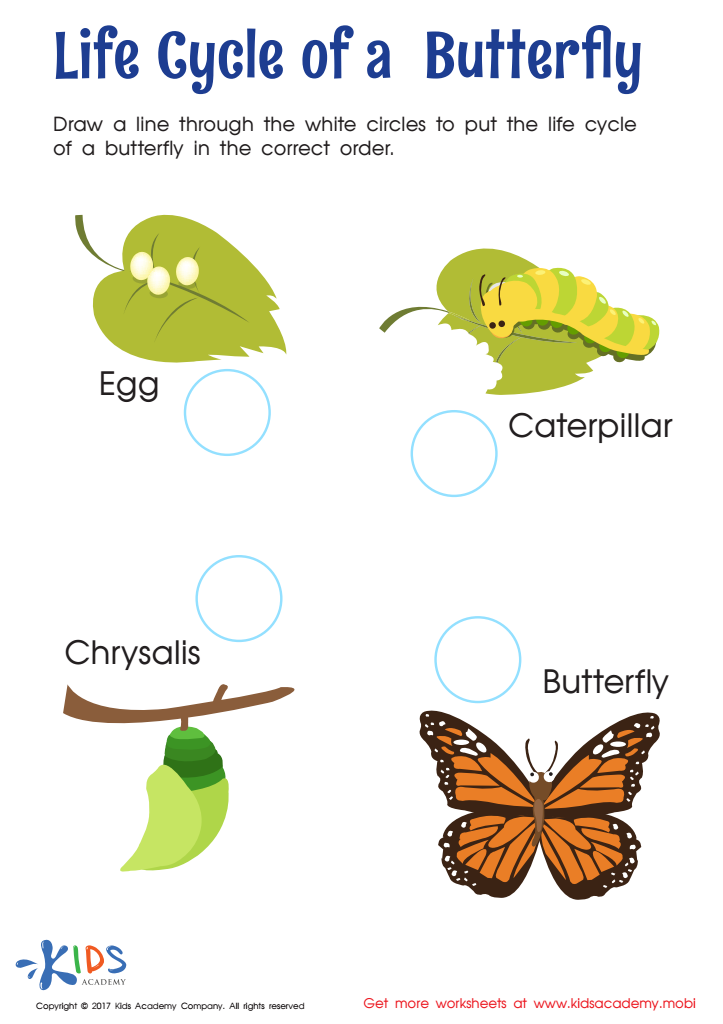
Life Cycle of Butterfly Worksheet
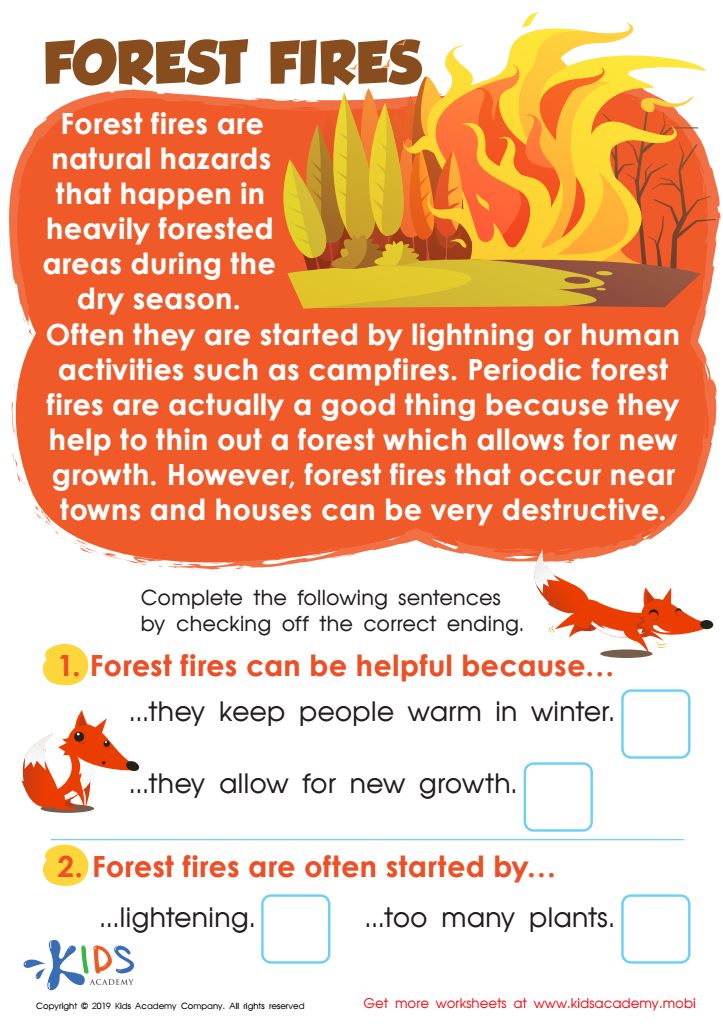
Forest Fires Worksheet
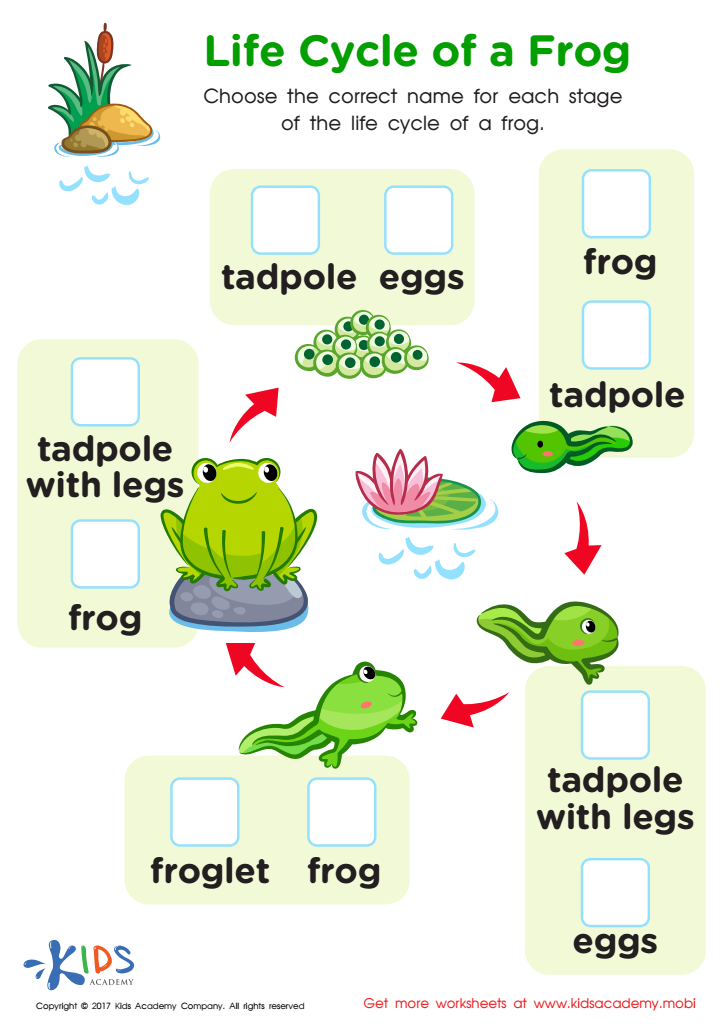
Life Cycle Frog Printable
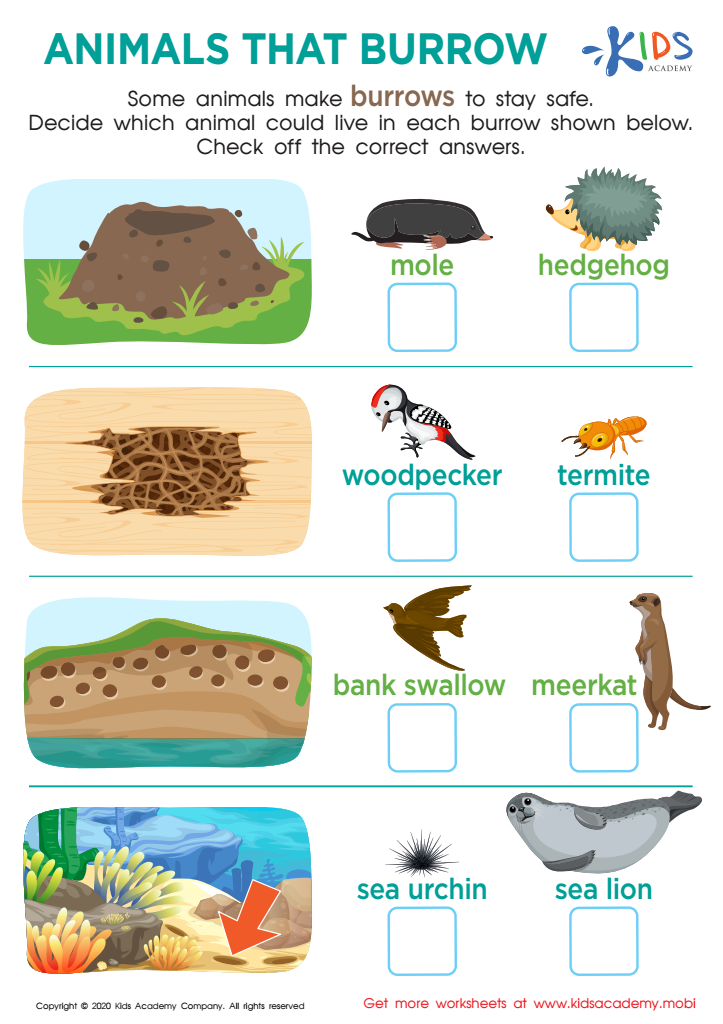
Animals That Burrow Worksheet
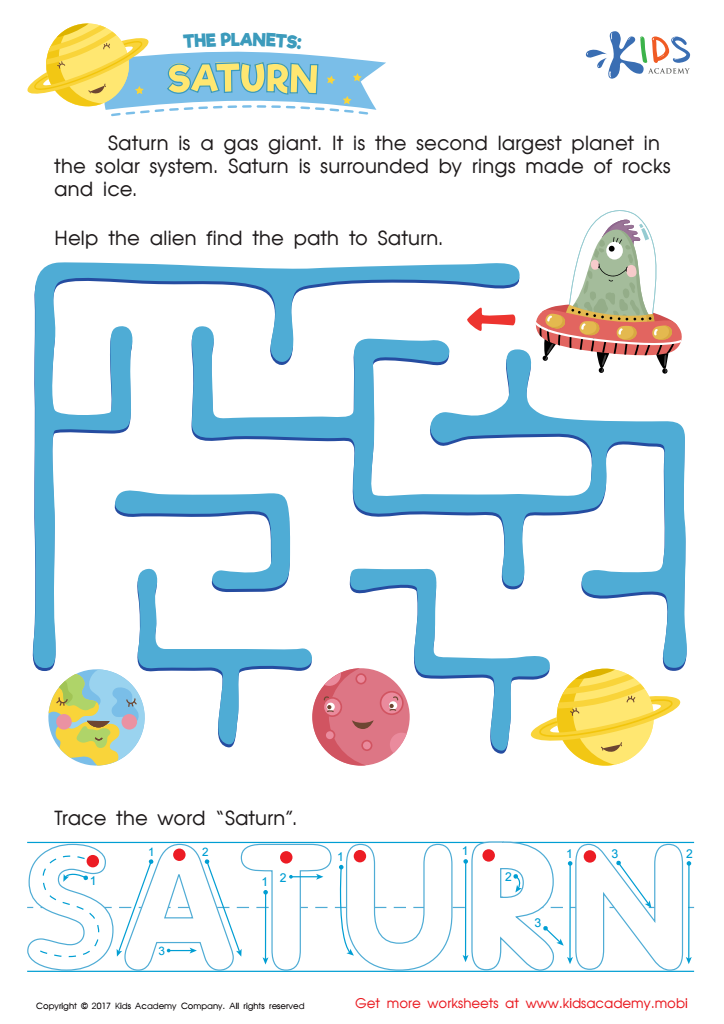
The Planets: Saturn Printable
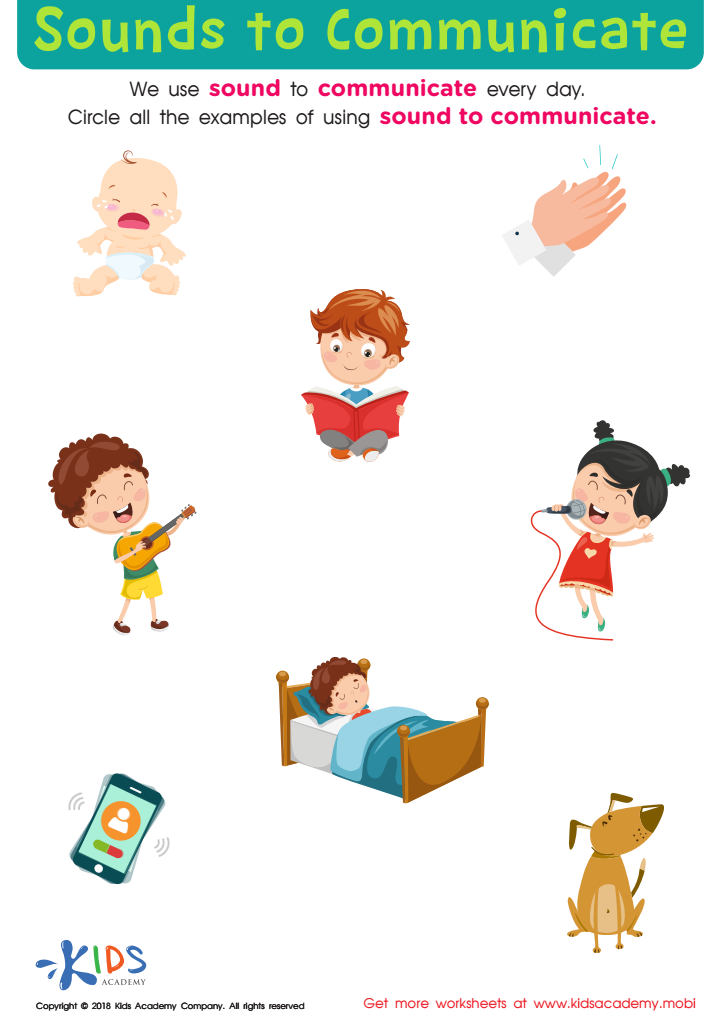
Sounds to Communicate Worksheet
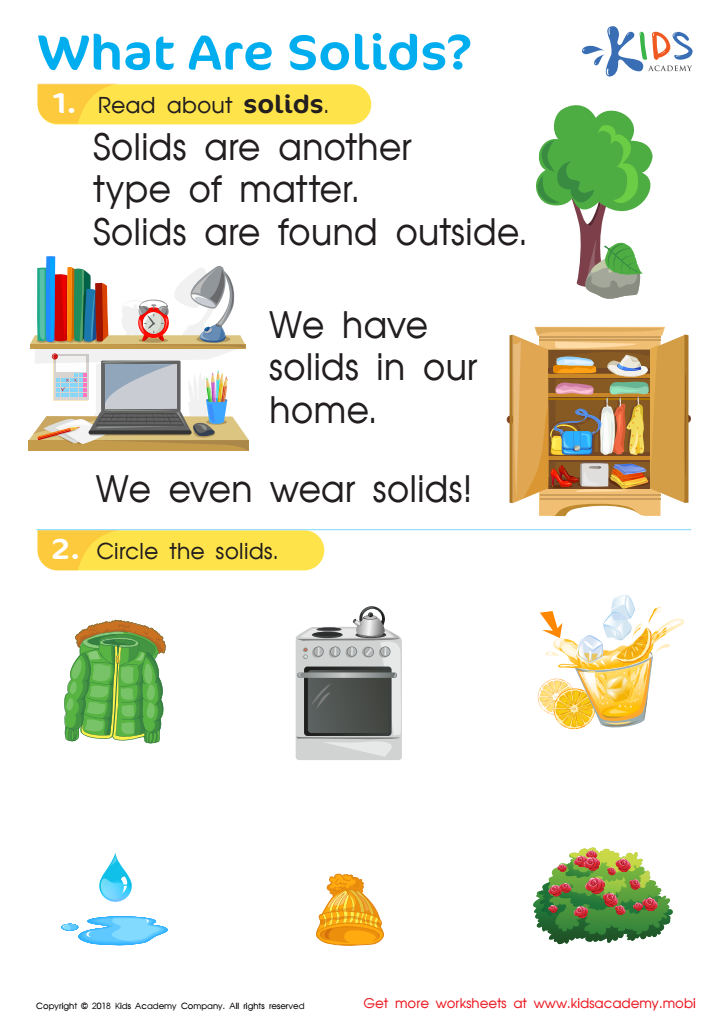
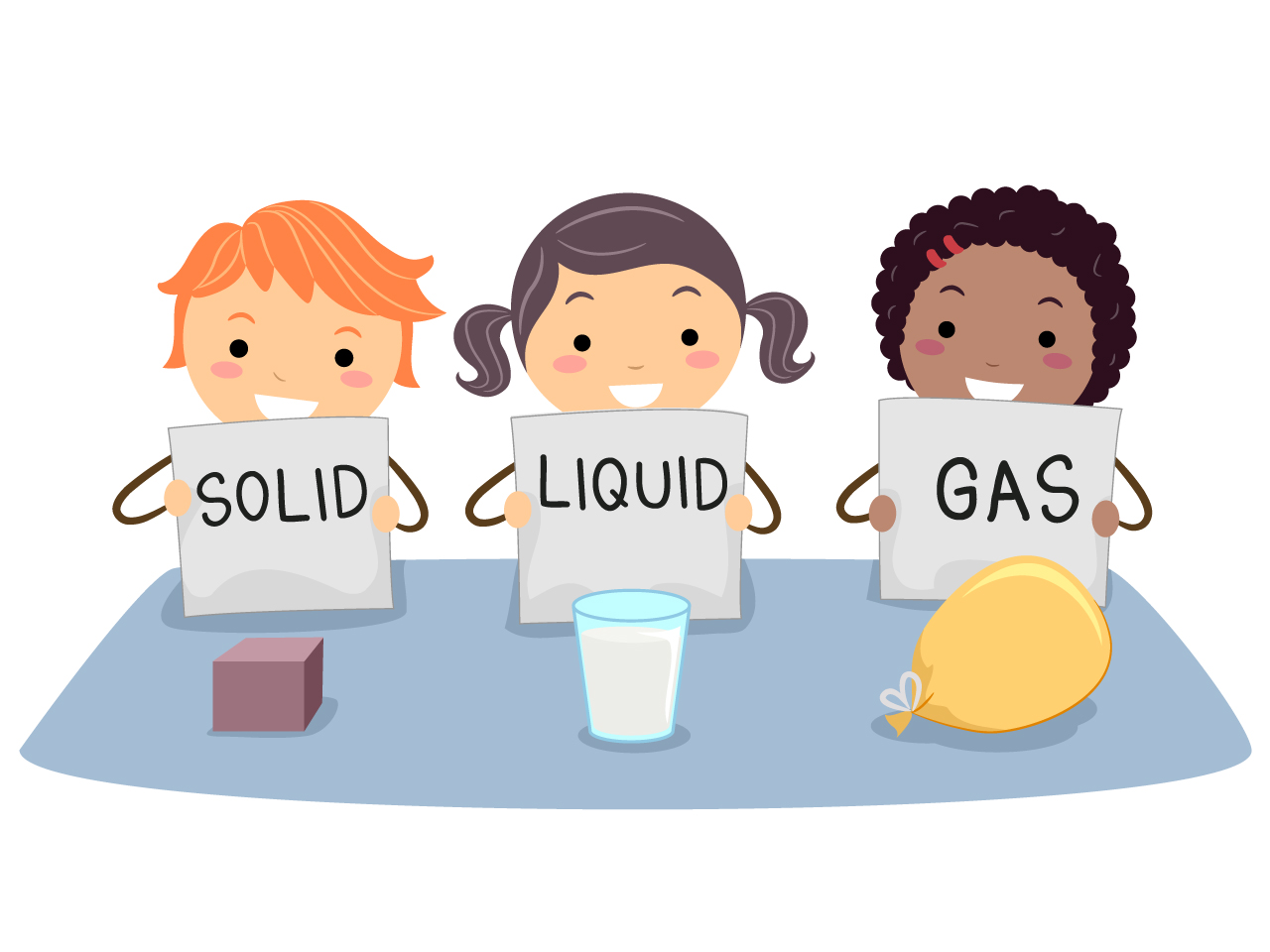
What Are Solids? Worksheet
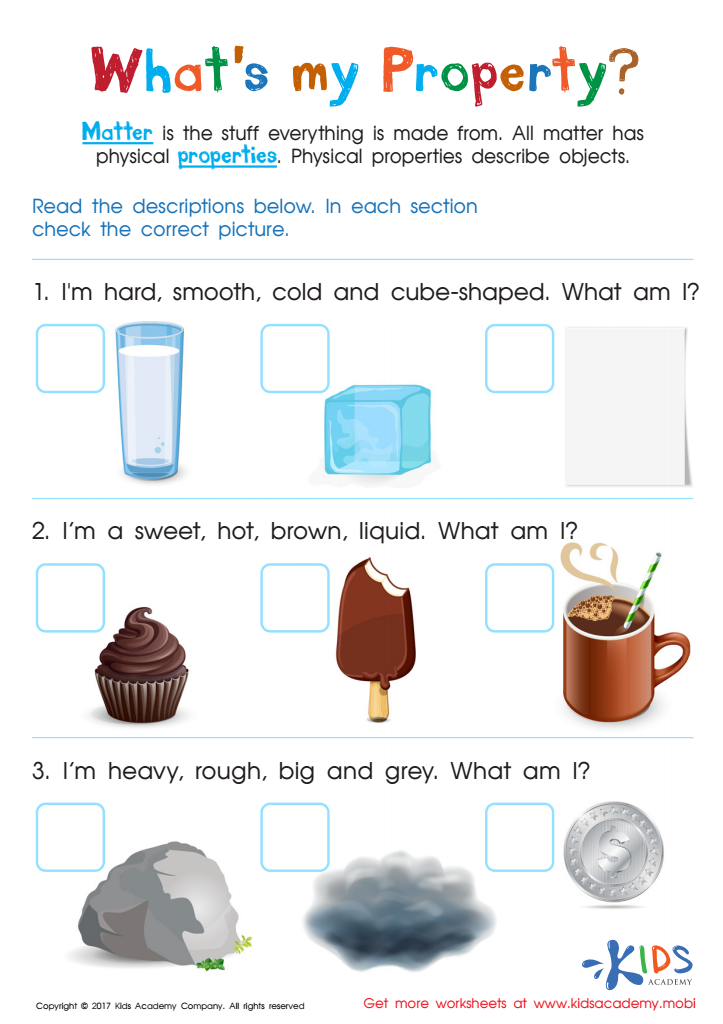
Physical Properties Of Matter Worksheet
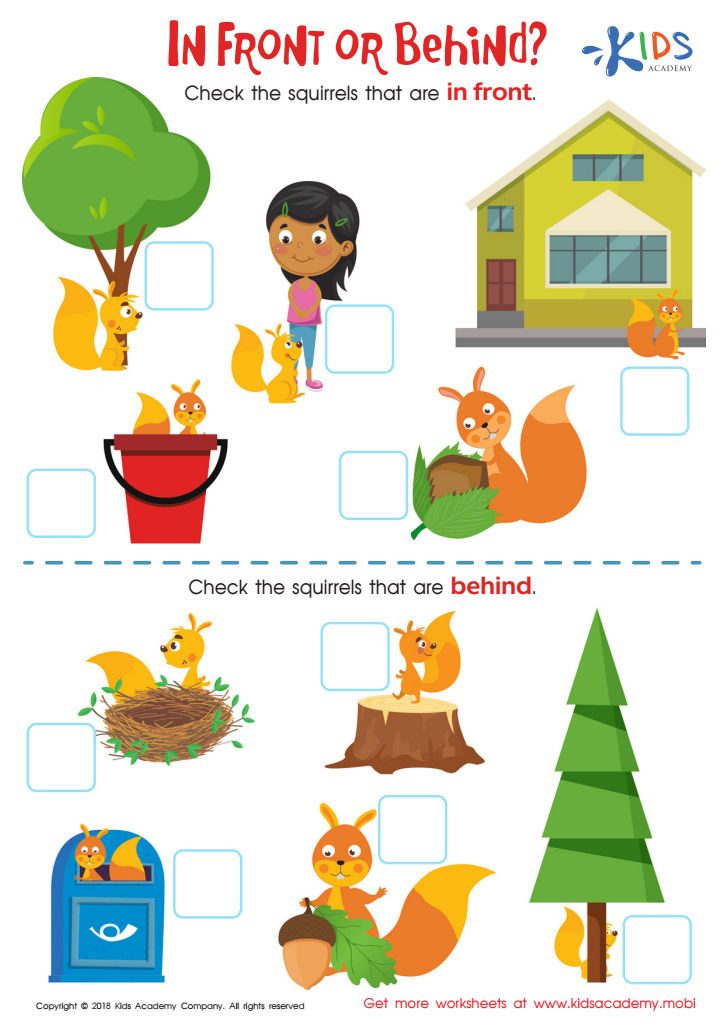
In Front or Behind: Part 2 Worksheet
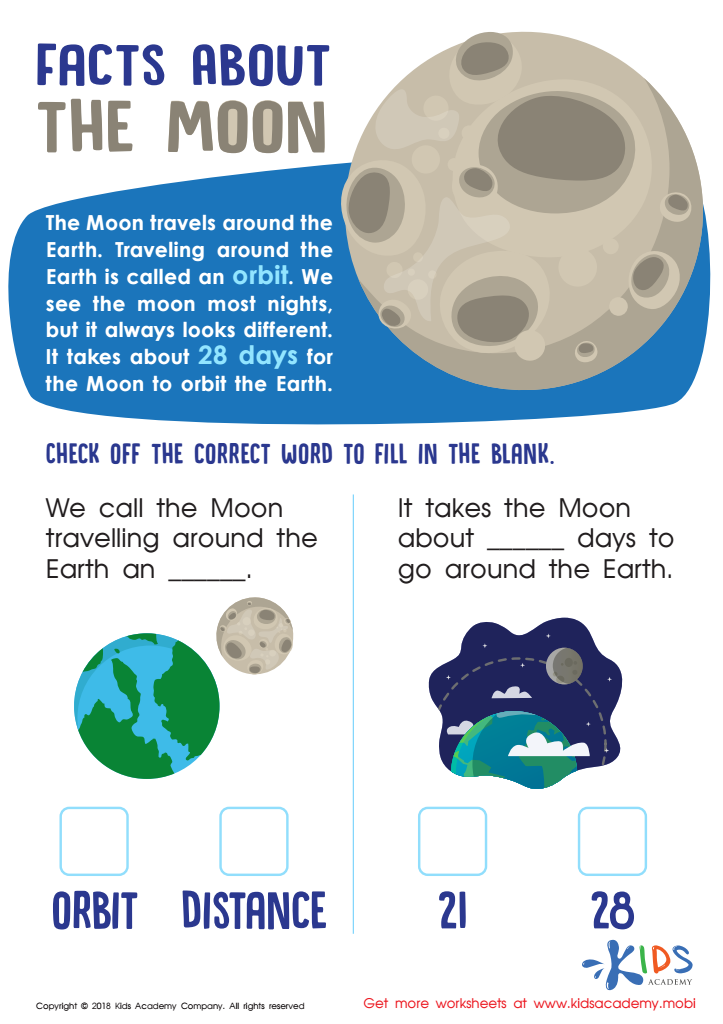
Facts About the Moon Worksheet
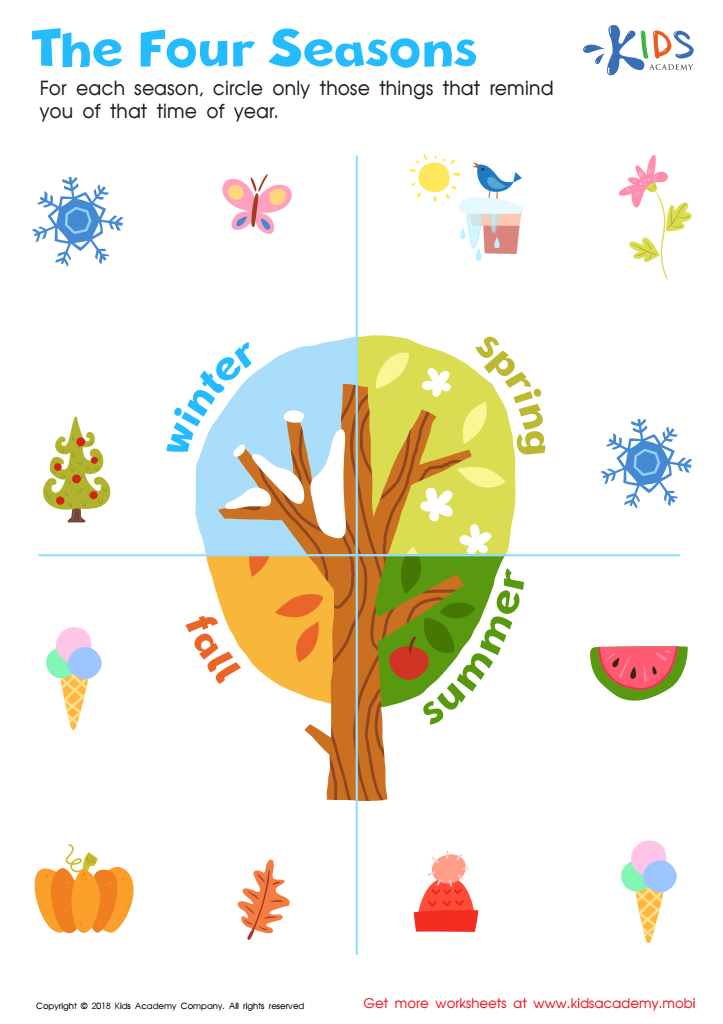
The Four Seasons Worksheet
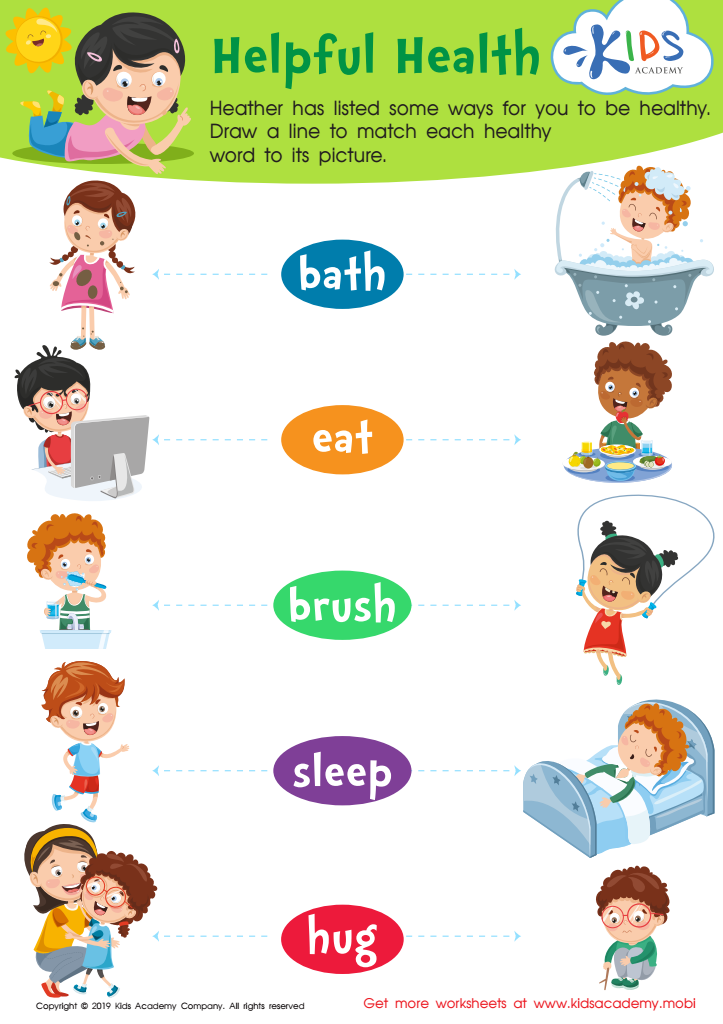
Helpful Health Worksheet
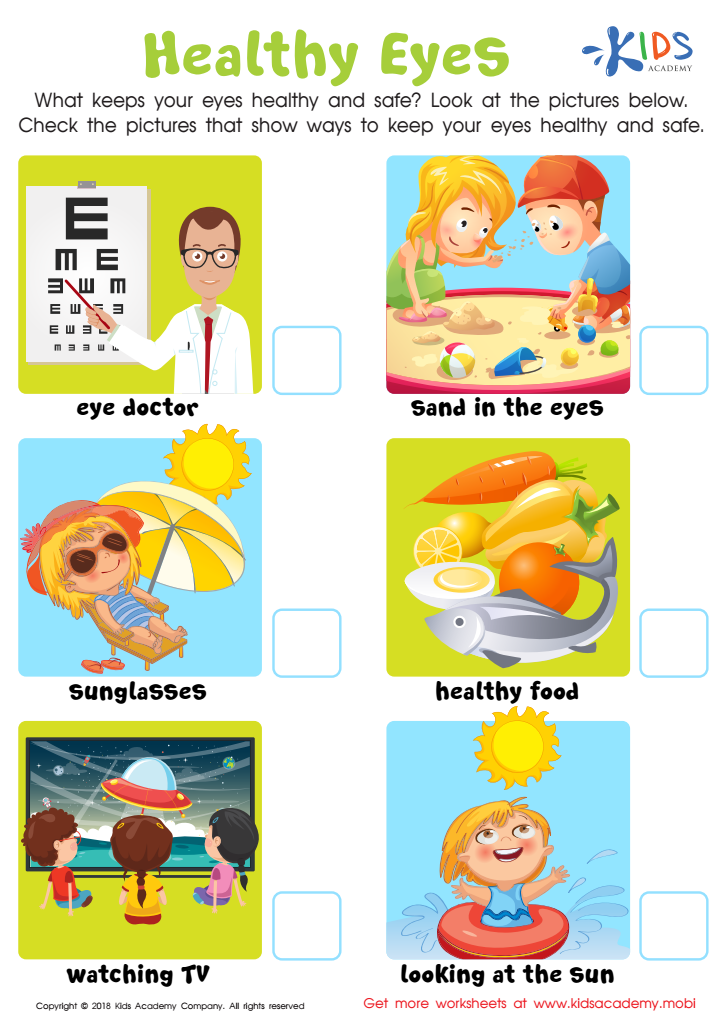
Healthy Eyes Worksheet




.jpg)

Vocabulary enhancement in early childhood, particularly in the context of science, is crucial for several reasons. First, it lays a foundational understanding of the world around children. Ages 4-8 are critical years for cognitive and language development; children become curious about their environment, and a rich vocabulary enables them to articulate their thoughts and questions.
Second, enhancing vocabulary in normal science helps develop critical thinking and comprehension skills. When children learn scientific terms, they can better grasp fundamental concepts such as ecosystems, force, matter, and change. This understanding encourages them to explore and make connections, fostering a love for learning.
Furthermore, a strong vocabulary contributes to improved literacy skills. Children with robust vocabulary early on are likely to become proficient readers and writers later, setting them up for academic success. Engaging lessons about scientific terms through hands-on activities or storytelling can nurture curiosity and encourage discussions, which reinforces language skills.
By prioritizing vocabulary enhancement in science, parents and teachers invest in children's intellectual growth and confidence in expressing observations and ideas, ultimately fostering a lifelong appreciation for learning and discovery.







