Normal Physical Science Worksheets for Ages 4-8 - Page 3
71 filtered results
-
From - To
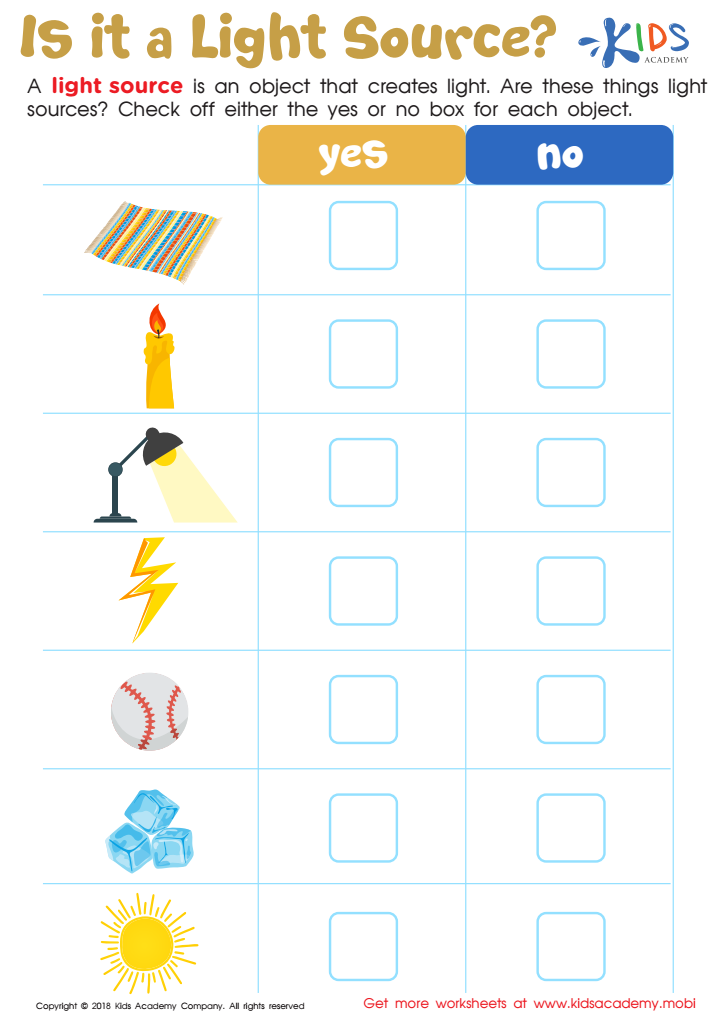
Is It a Light Source? Worksheet
 Assign to My Students
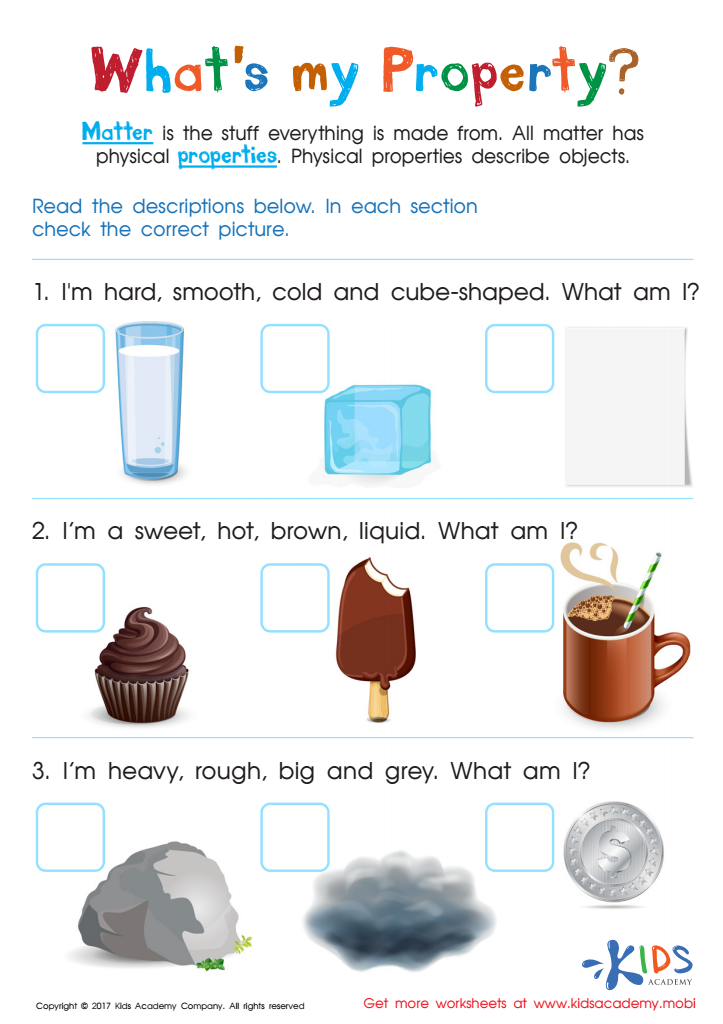
Physical Properties Of Matter Worksheet
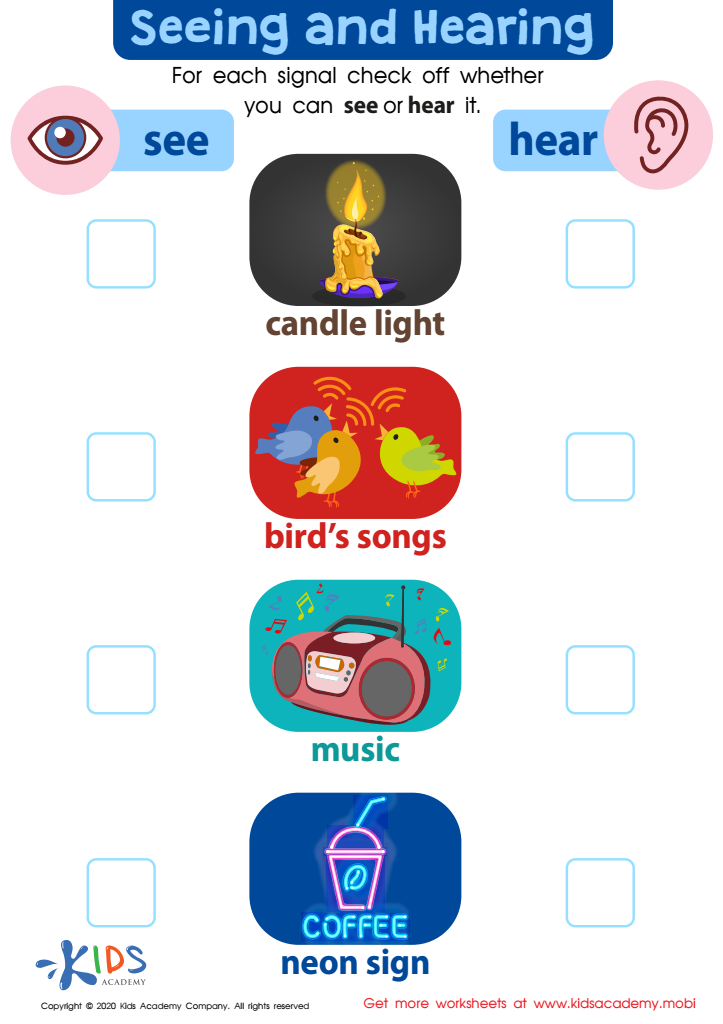
Seeing and Hearing Worksheet
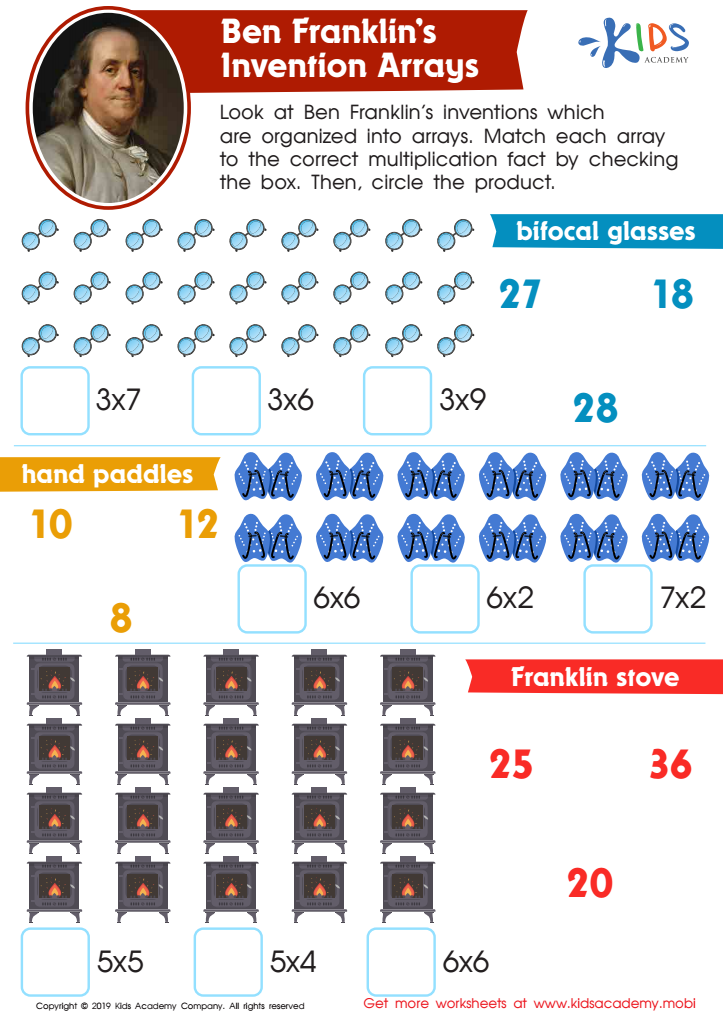
Ben Franklin’s Invention Arrays Worksheet
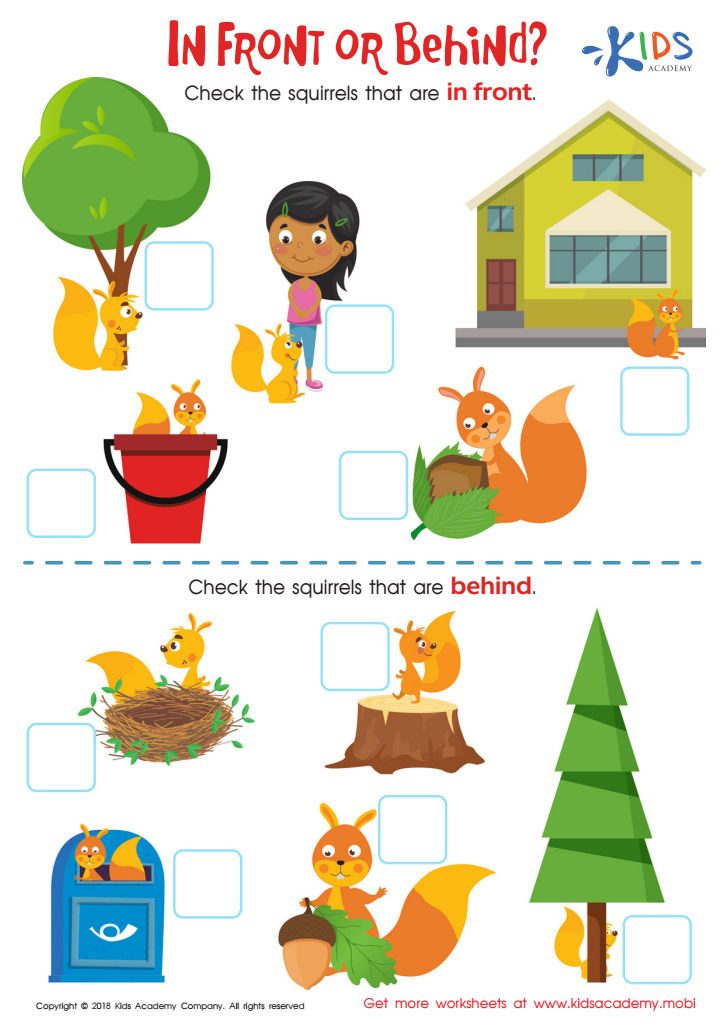
In Front or Behind: Part 2 Worksheet
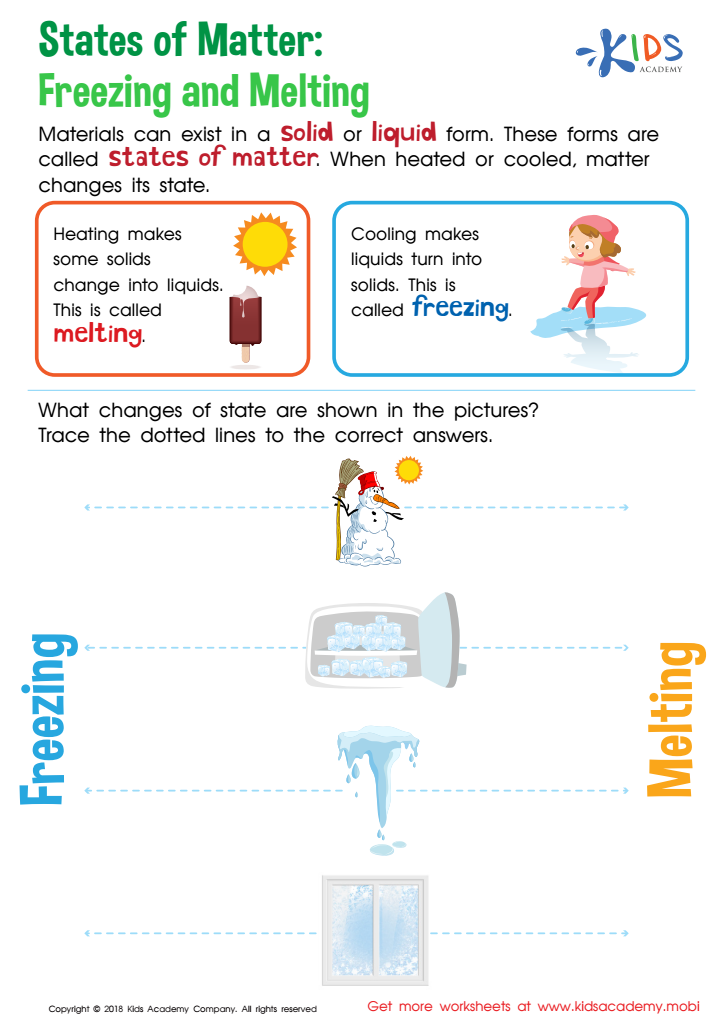
States of Matter: Freezing and Melting Worksheet
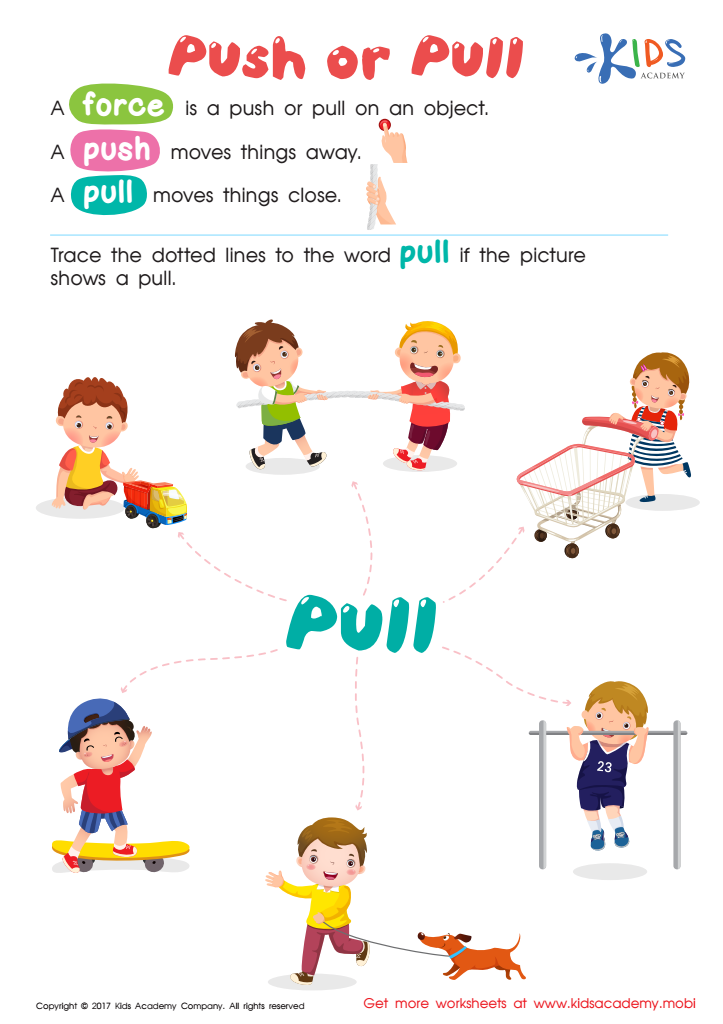
Pull or Push Worksheet
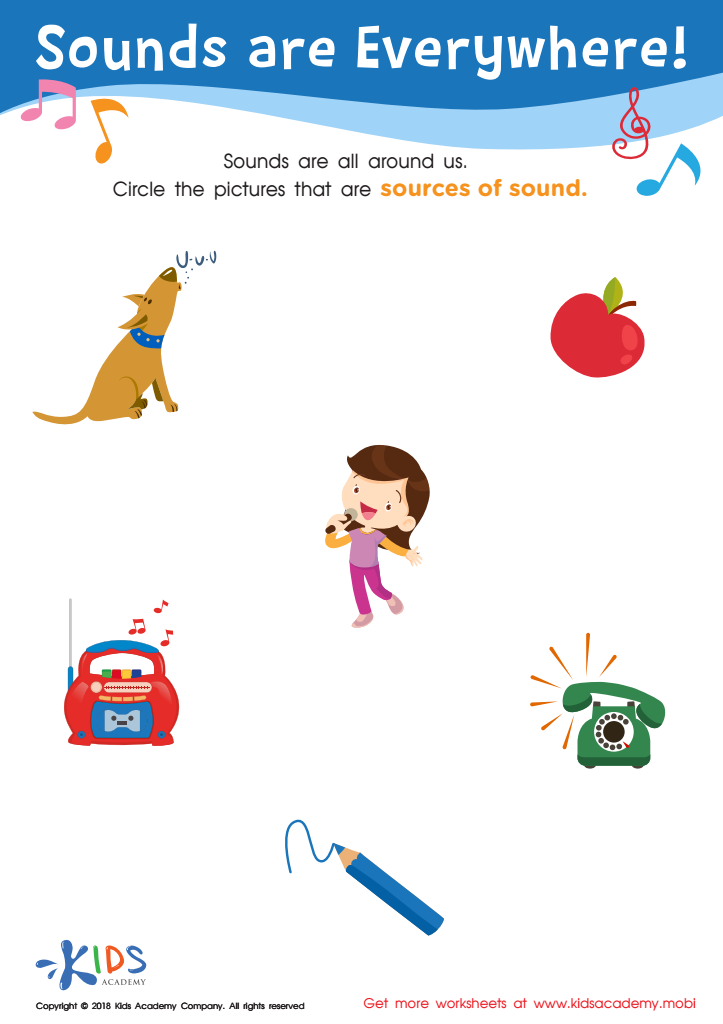
Sounds Are Everywhere! Worksheet
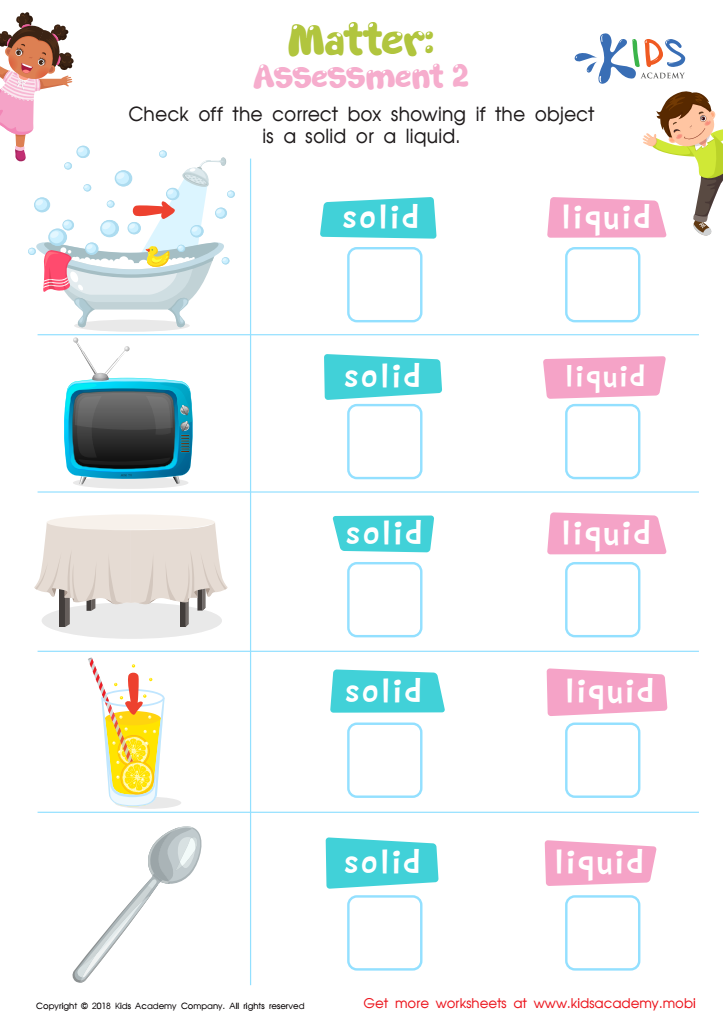
Matter: Assessment 2 Worksheet
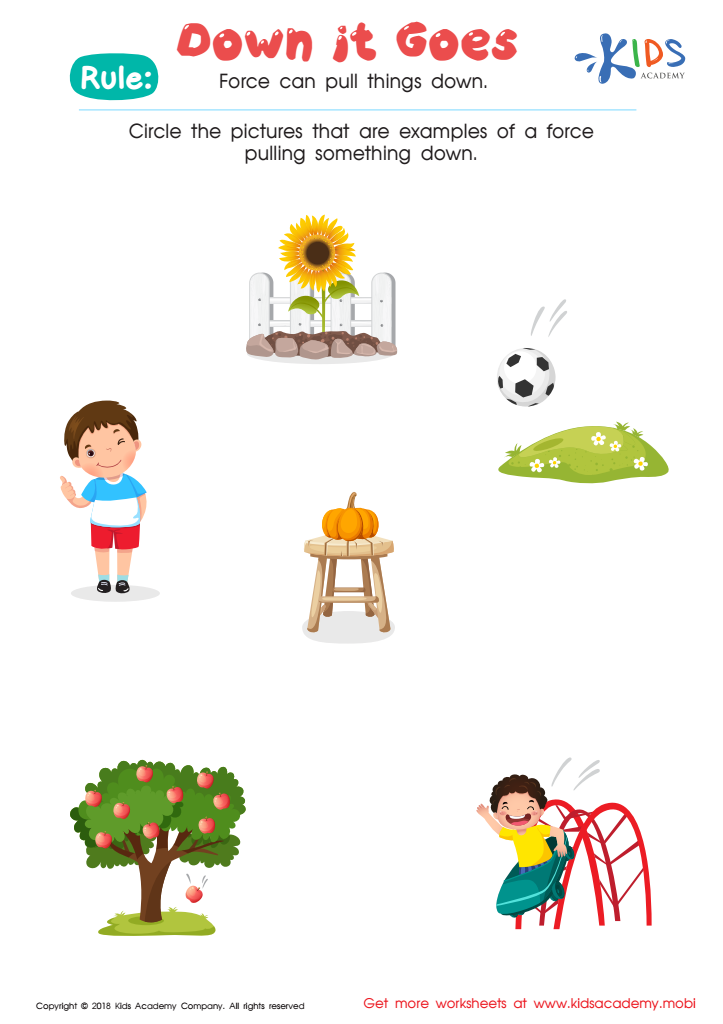
Down it Goes Worksheet
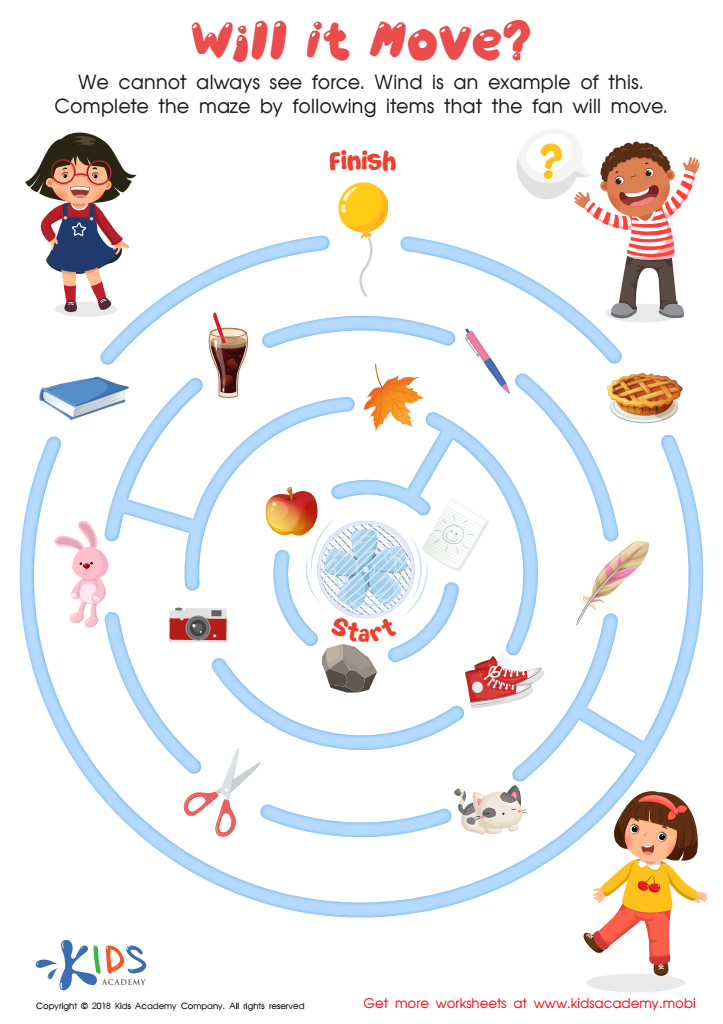
Will it Move? Worksheet
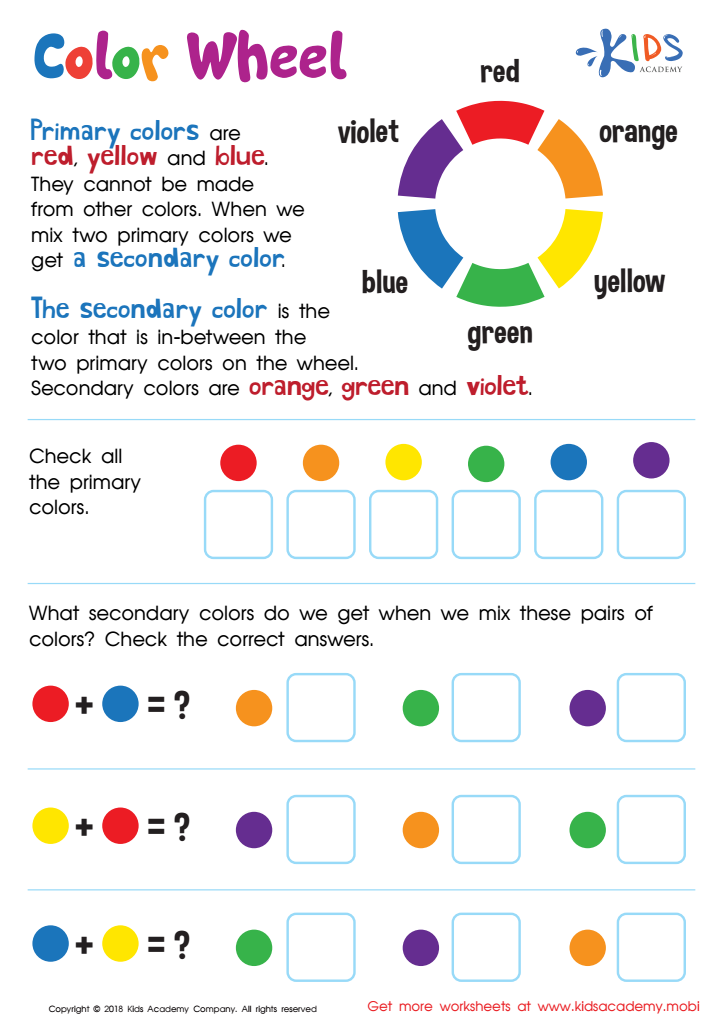
Primary and Secondary Colors Worksheet
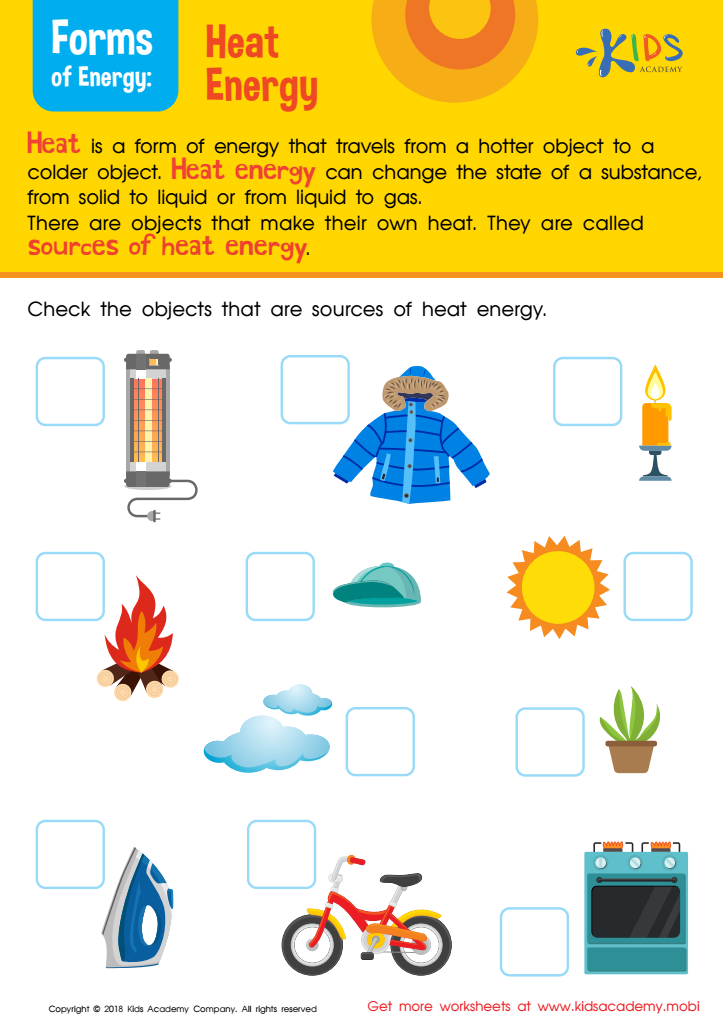
Sources of Heat Energy Worksheet
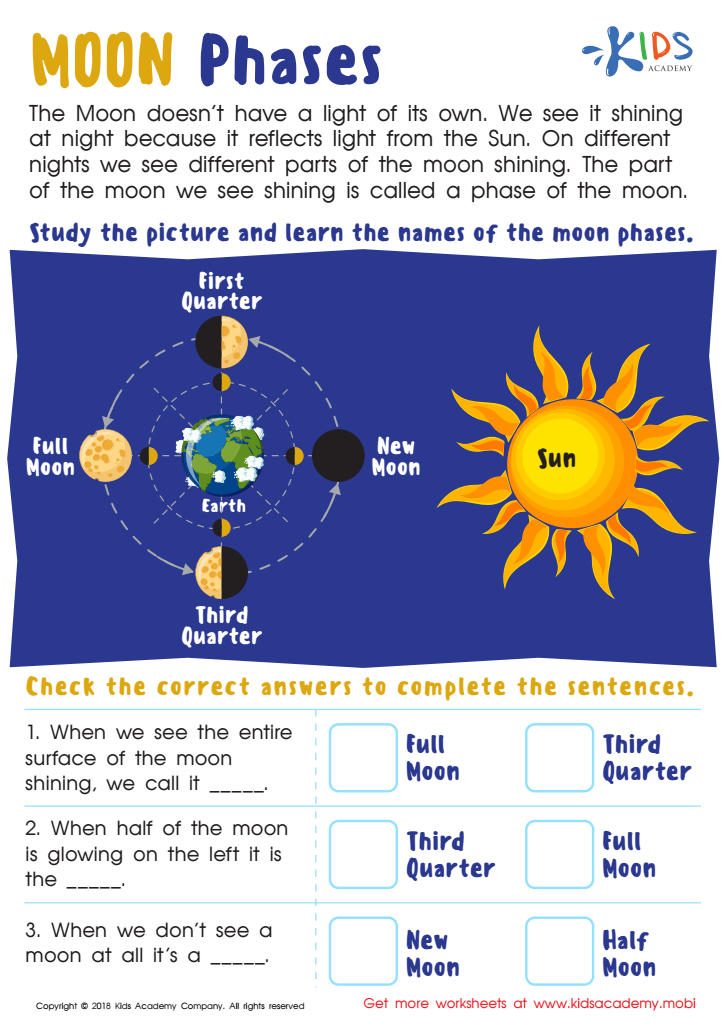
Moon Phases Worksheet
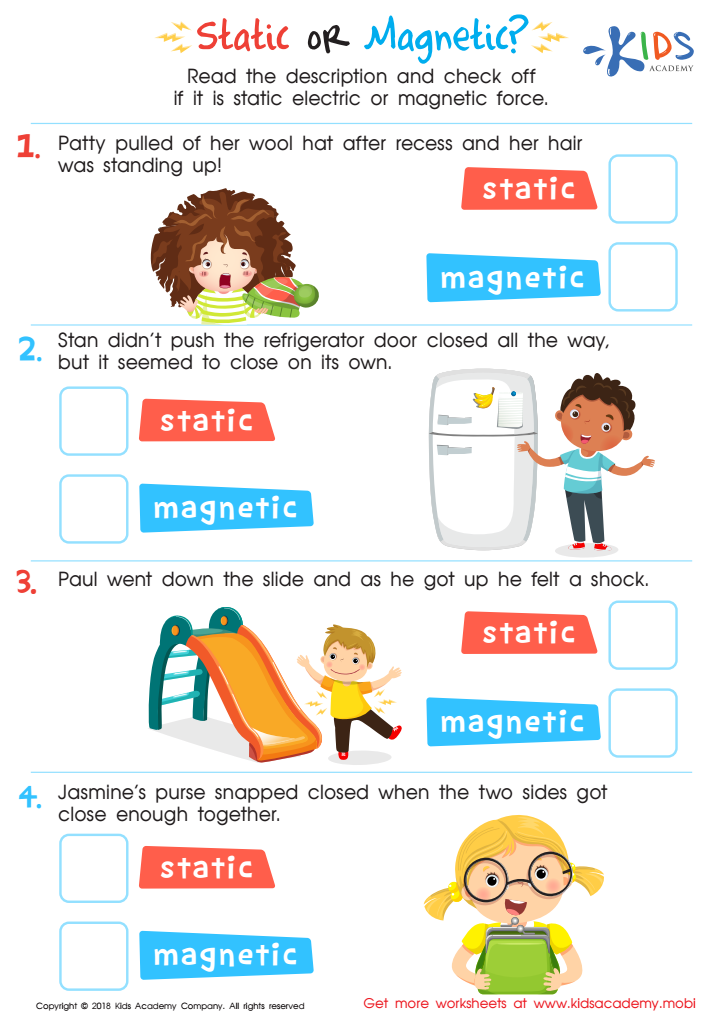
Static or Magnetic Printable Worksheet
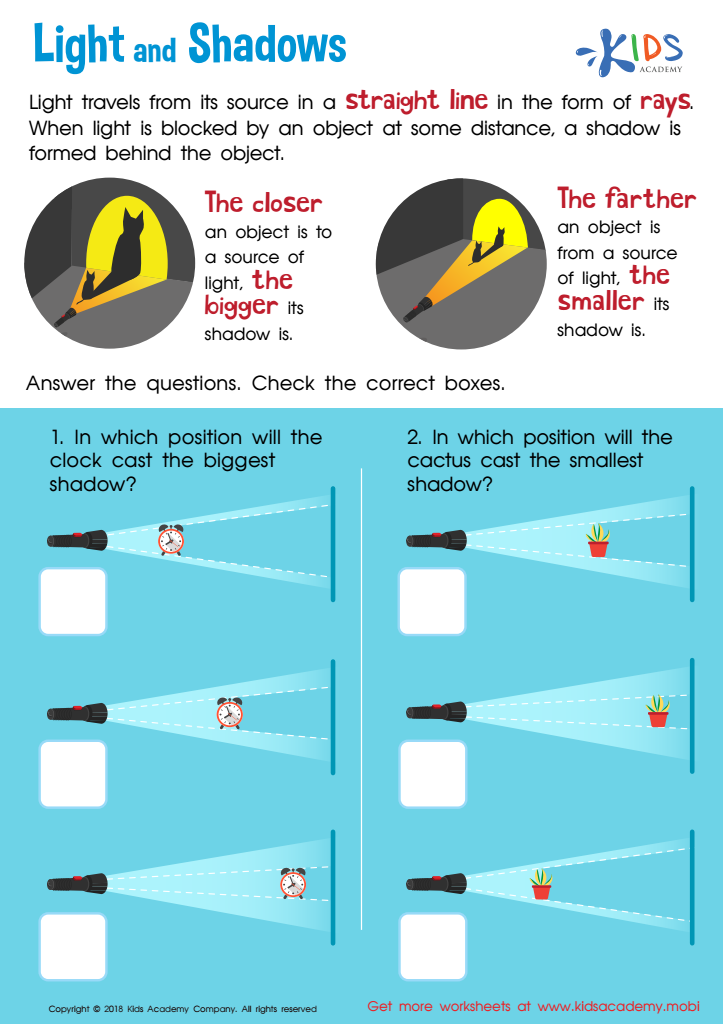
Light and Shadow Worksheet for Grade 3
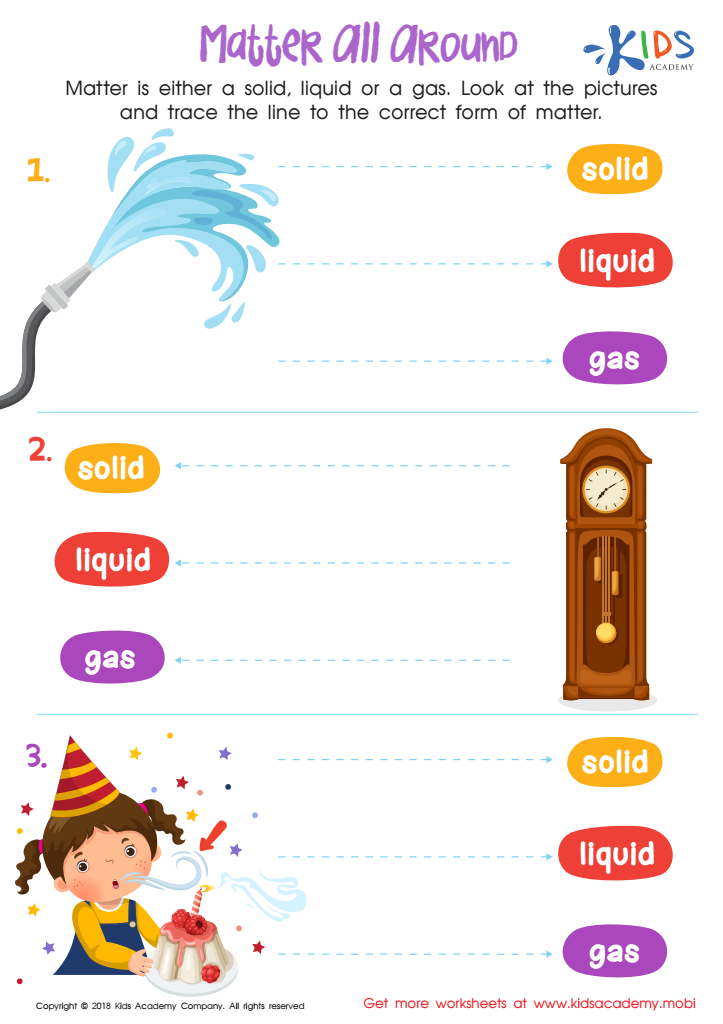
Matter all Around Worksheet
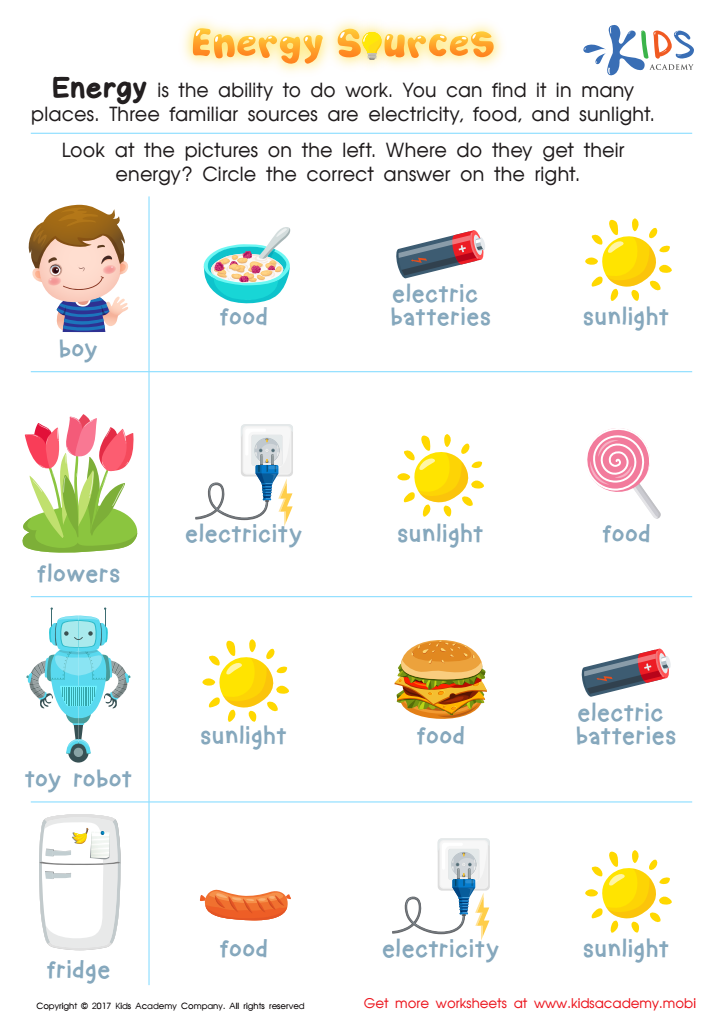
Energy Sources Printable
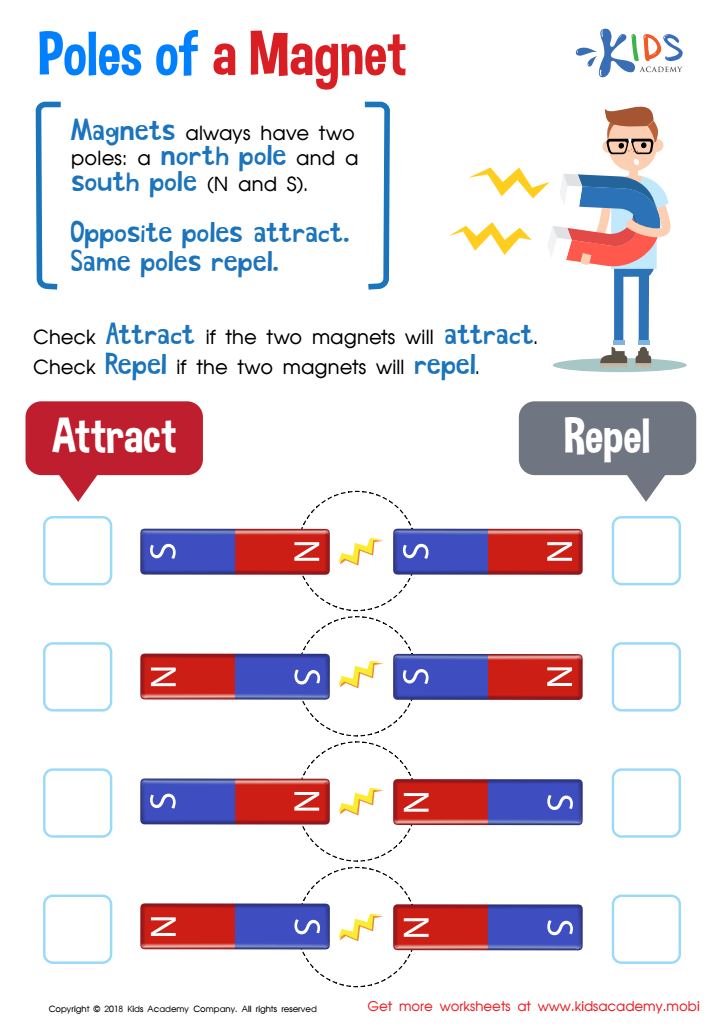
Magnet Poles Attract or Repel Worksheet
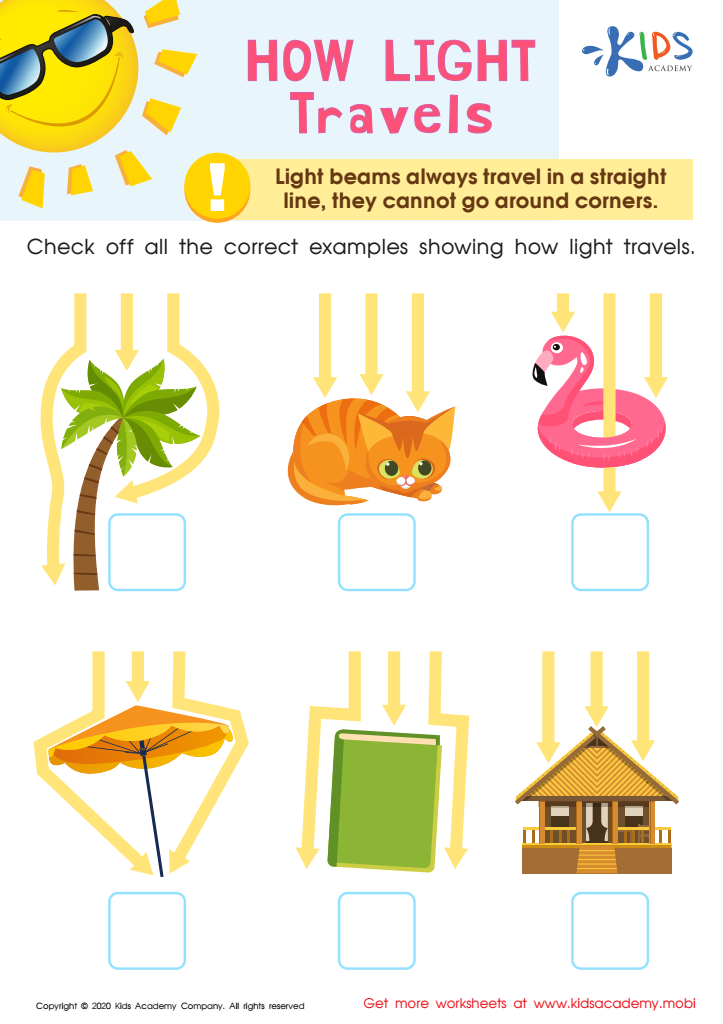
How Light Travels Worksheet
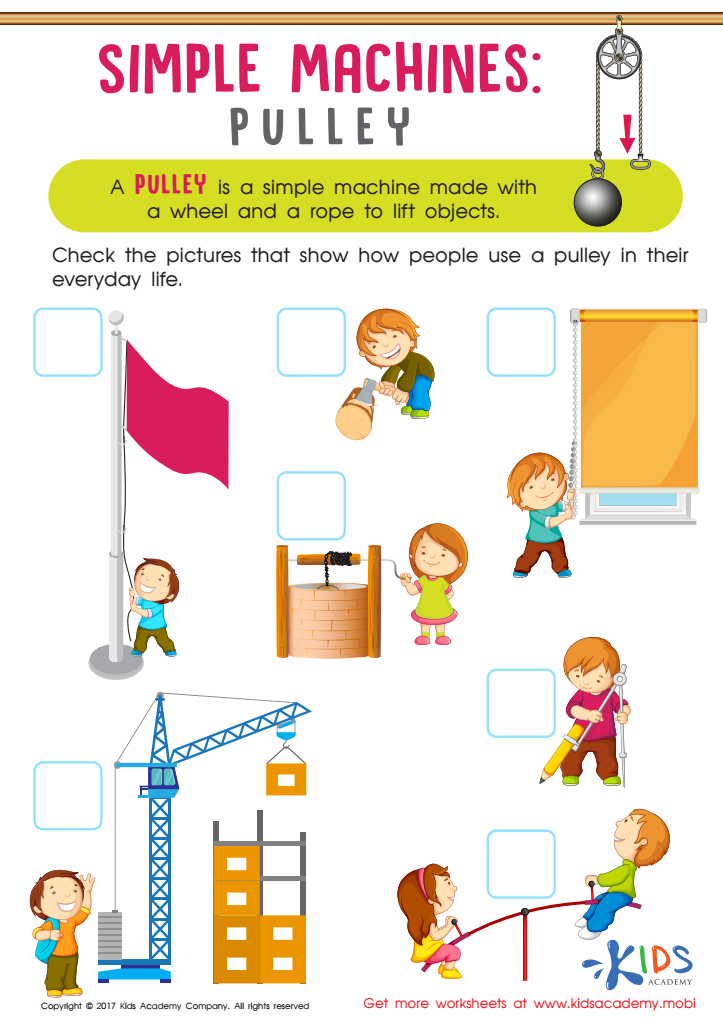
Simple Machines Pulley Worksheet
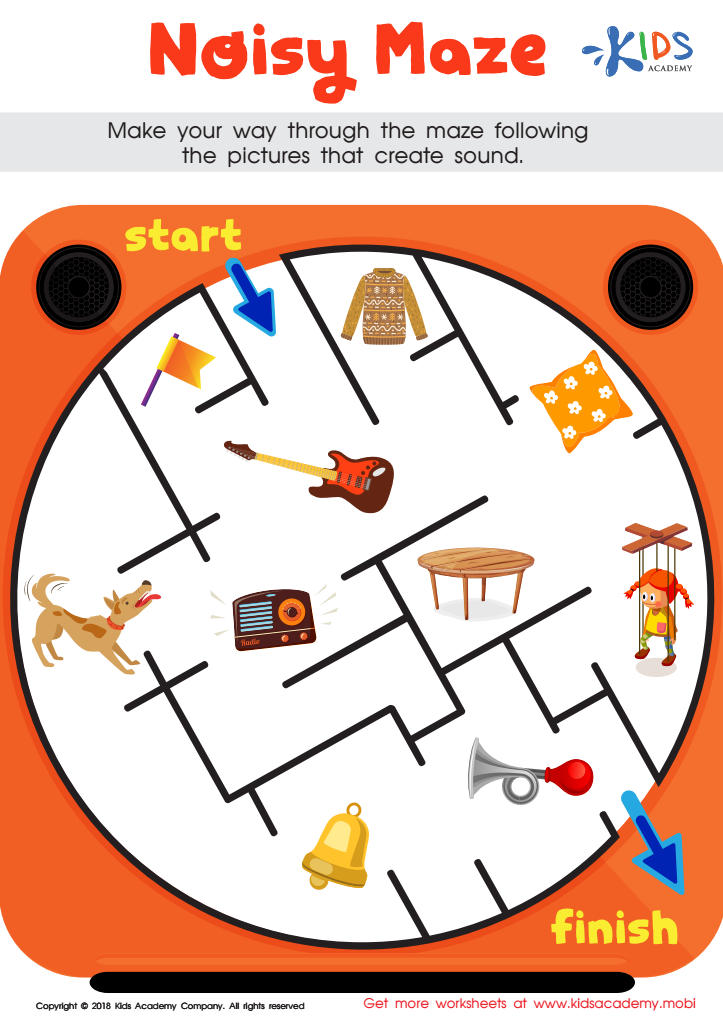
Noisy Maze Worksheet
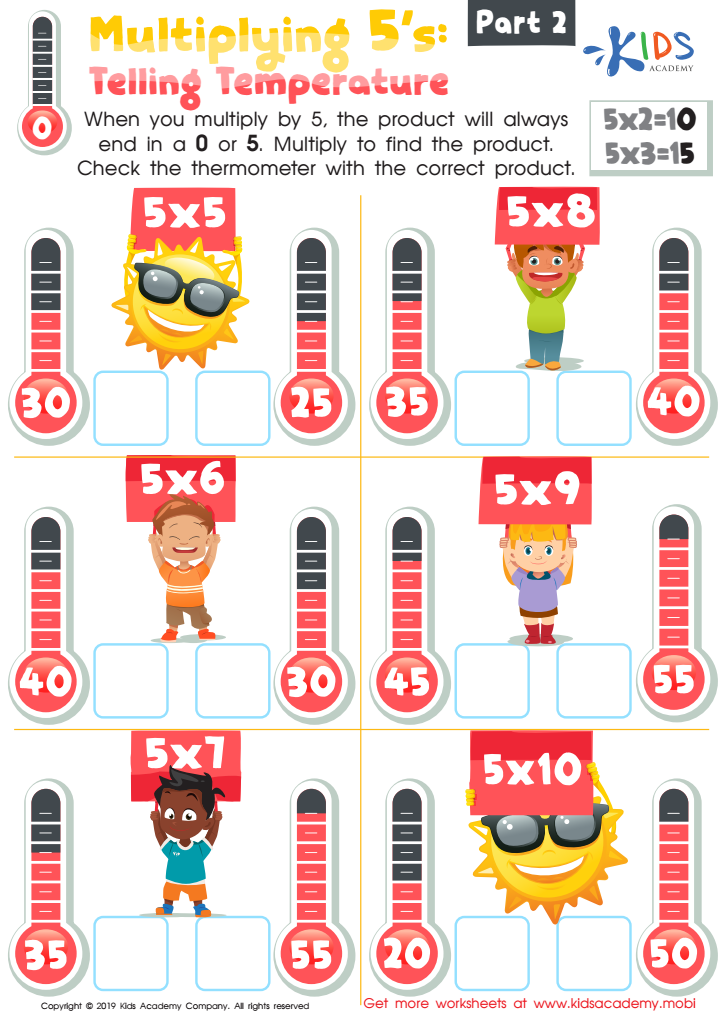
Multiplying 5’s: Telling Temperature Part 2 Worksheet







Normal Physical Science for Ages 4-8 is essential because it lays the foundation for children's understanding of the natural world. At this developmental stage, children are naturally curious and eager to explore their environment. Introducing physical science concepts, such as motion, light, and basic forces, fosters critical thinking and inquiry skills. Engaging with these topics enhances cognitive development, enabling children to ask questions, hypothesize, and seek answers.
Moreover, early exposure to science encourages a love for learning and nurtures creativity. It allows children to engage in hands-on experiments, promoting teamwork and language skills as they communicate their findings and observations. Understanding physical science helps children relate everyday experiences to scientific concepts, making learning relevant and more interesting.
Parents and teachers should prioritize early physical science education as it supports STEM (science, technology, engineering, and mathematics) readiness, paving the way for future academic success. Furthermore, instilling a sense of wonder about science can inspire lifelong learning and curiosity. In a rapidly advancing world, where scientific literacy is increasingly important, fostering an early interest in science equips children with the skills to navigate and contribute to tomorrow's discoveries.







