Categorizing objects Normal Physical Science Worksheets for Ages 4-8
3 filtered results
-
From - To
Discover our engaging Normal Physical Science worksheets designed specifically for children ages 4 to 8! These interactive resources focus on the essential skill of categorizing objects, helping young learners understand the world around them. With vibrant visuals and age-appropriate activities, children will explore various physical science concepts as they identify and sort everyday items based on shape, size, color, and other attributes. Our worksheets not only promote critical thinking and analytical skills but also make learning fun and enjoyable. Perfect for classroom use or at-home practice, these worksheets are a valuable addition to any early education curriculum. Start categorizing today!
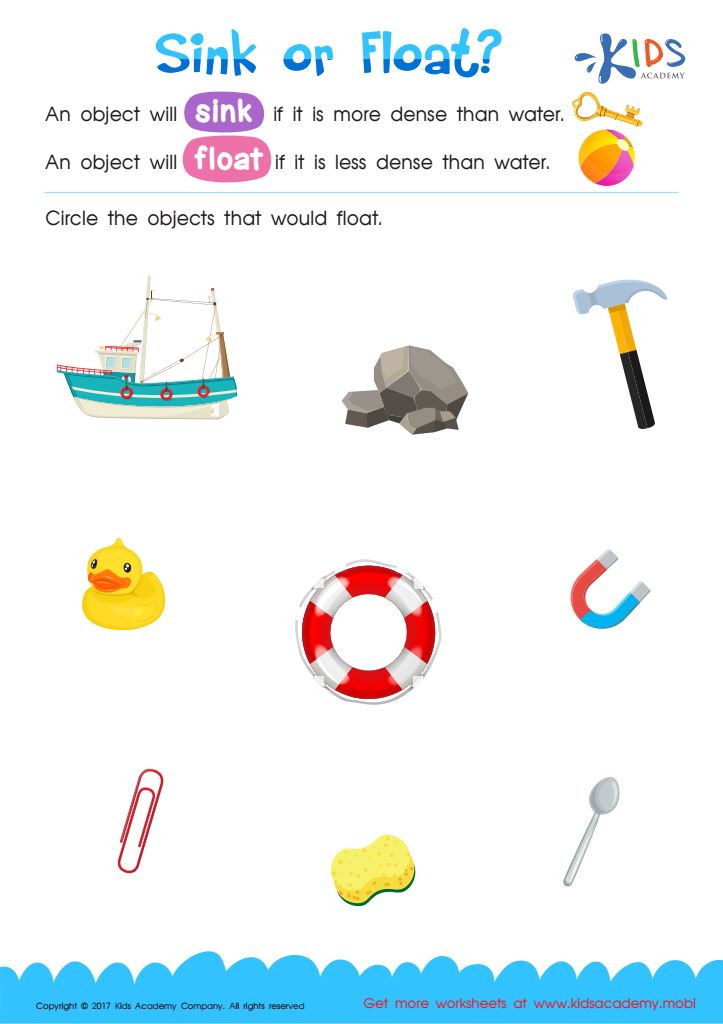
Sink or Float Printable
 Assign to My Students
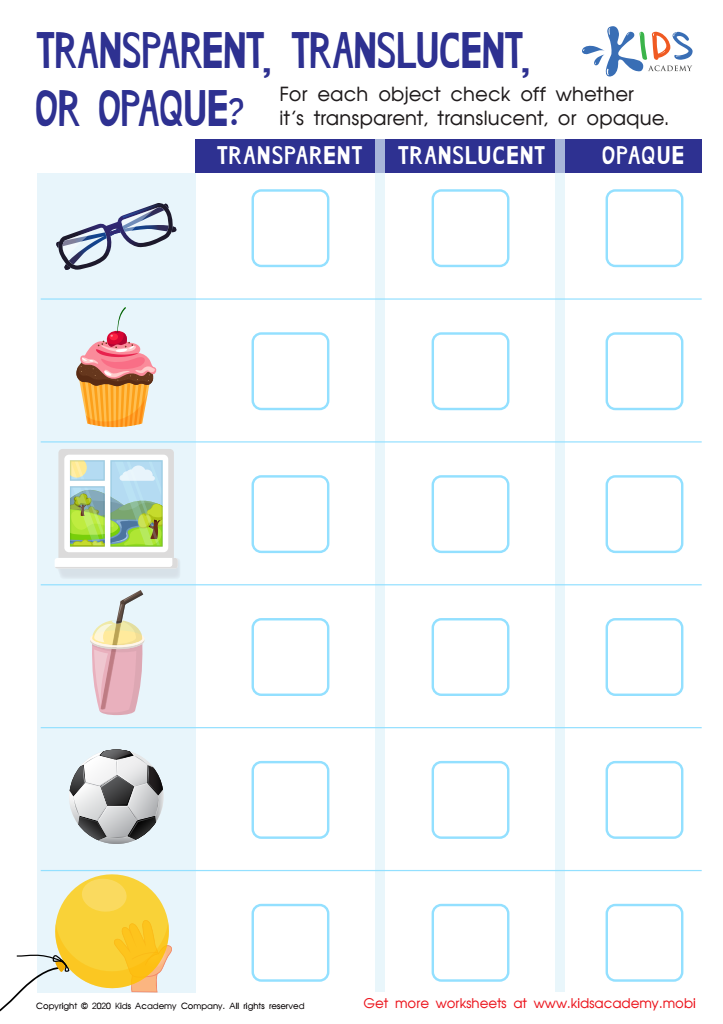
Transparent, Translucent, or Opaque Worksheet
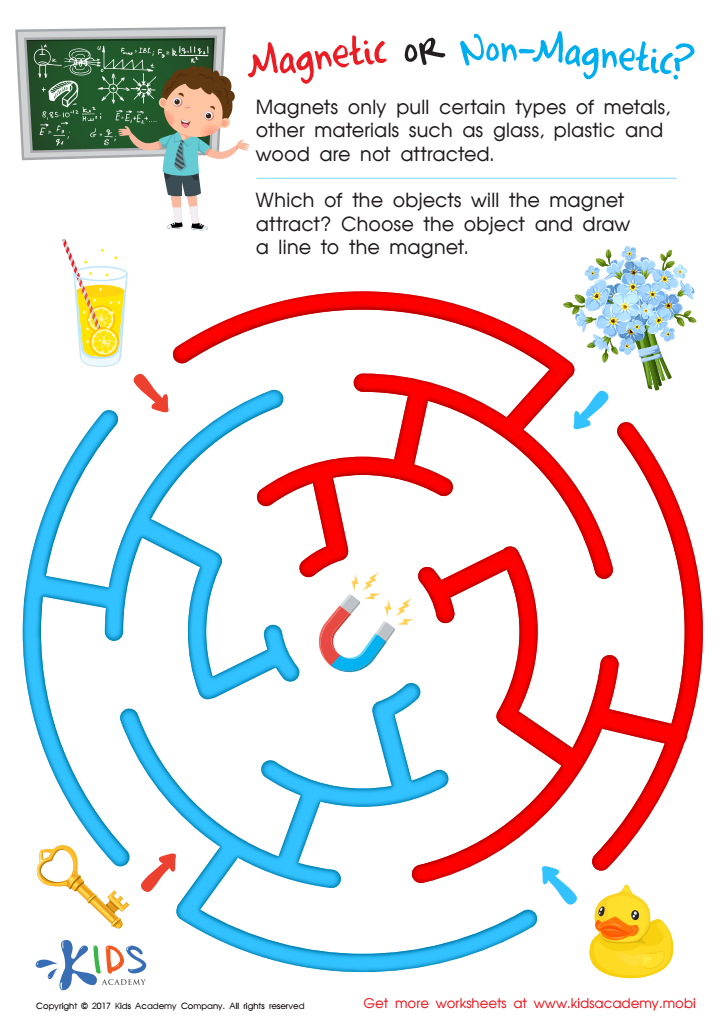
Magnetic or Non–Magnetic Worksheet


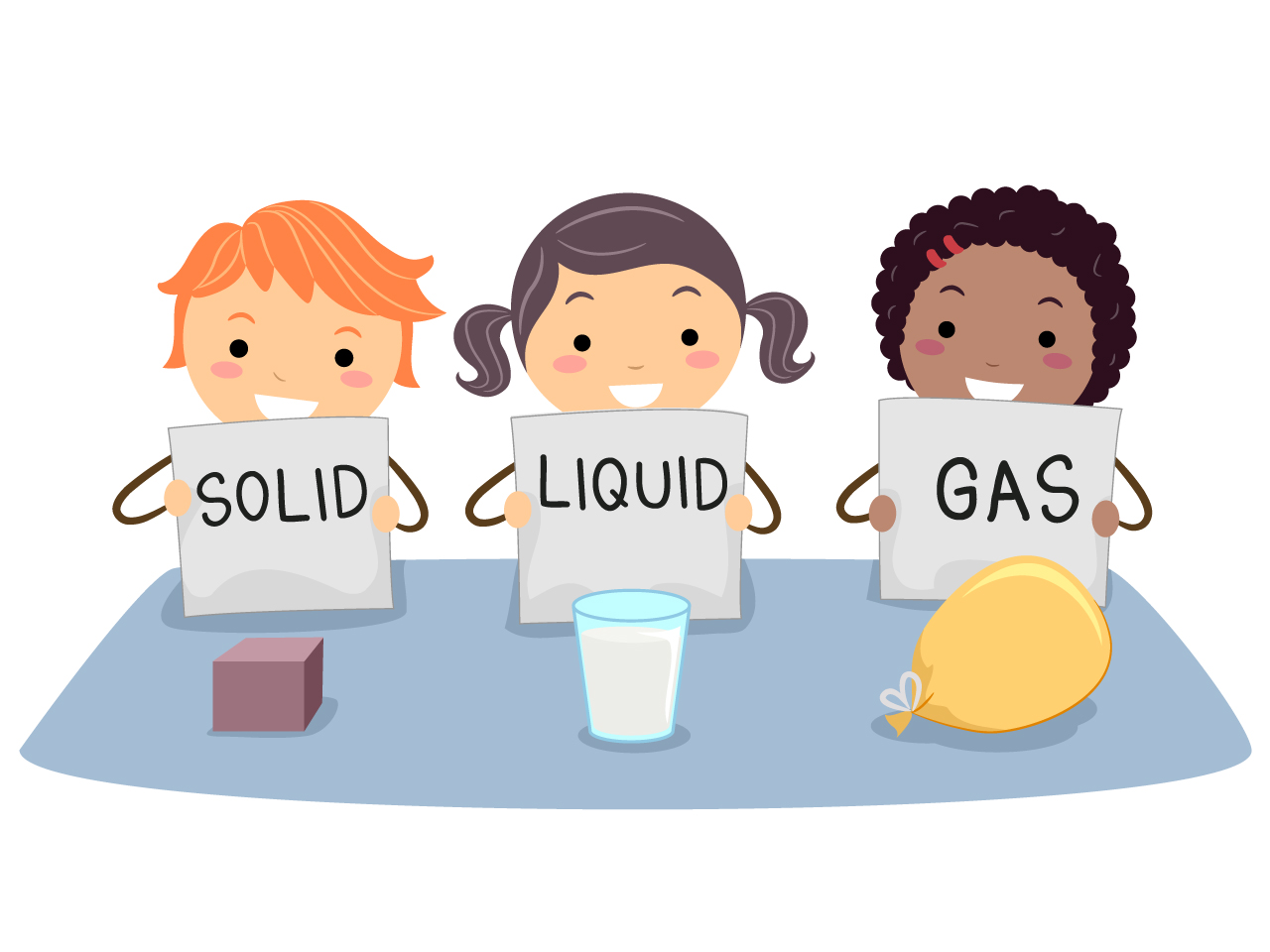



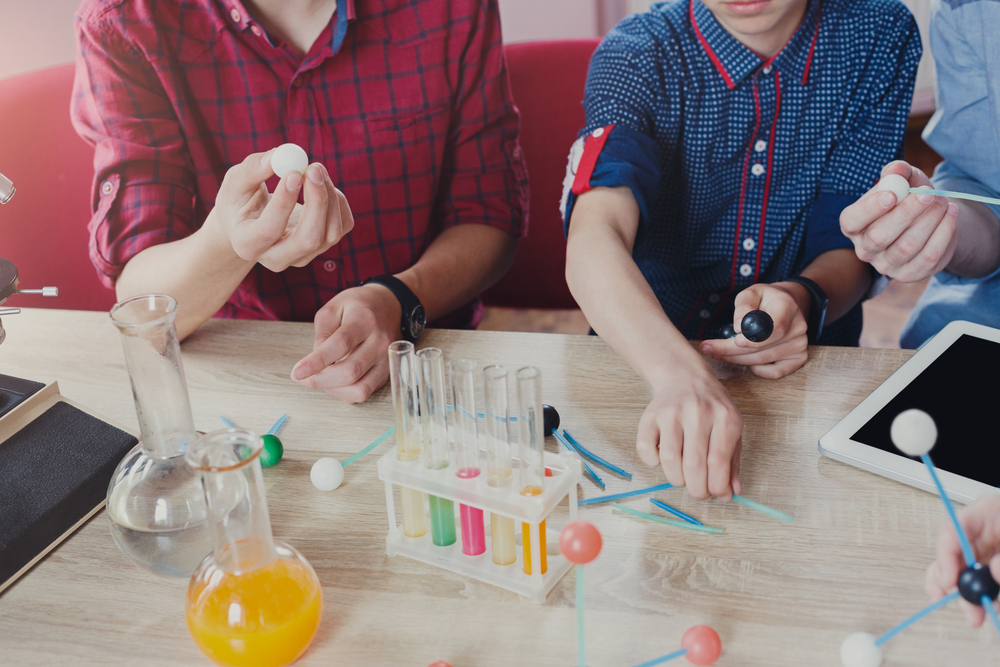
Categorizing objects is a fundamental skill that plays a crucial role in the cognitive development of young children aged 4-8. For parents and teachers, understanding the importance of this concept in Normal Physical Science is essential. When children categorize objects, they learn to identify similarities and differences, promoting critical thinking and problem-solving skills. This process helps them develop organizational abilities, an essential lifelong skill.
Engaging children in categorization encourages exploration and enhances their understanding of the natural world. For instance, grouping various materials—such as metals, fabrics, and liquids—allows children to grasp basic properties of matter. Furthermore, categorization introduces concepts like classification in science, helping children build foundational knowledge that links to more complex scientific ideas they will encounter later.
Additionally, activities involving categorization foster collaboration and communication among peers. By discussing and sharing their reasoning for classifications, children learn to express their thoughts and perspectives, enhancing language development and social skills. Ultimately, encouraging categorization supports holistic learning, fostering a curiosity about the world around them. Universally, whether at home or in the classroom, cherishing the process of categorizing objects nurtures young minds, inspiring a love for science and discovery.







