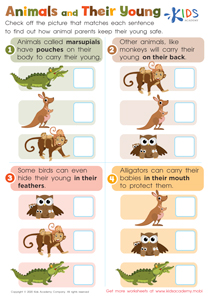
Plant identification Normal Plants Worksheets for Ages 4-8
4 filtered results
-
From - To
Discover the joy of learning with our “Plant Identification Normal Plants Worksheets” designed for children ages 4-8! These engaging worksheets introduce young learners to the diverse world of plants, fostering curiosity and appreciation for nature. Through vibrant illustrations and interactive activities, kids will identify common plants, explore their features, and understand their importance in our environment. Our worksheets not only enhance plant recognition skills but also support broader learning objectives, from observing colors and shapes to developing fine motor skills. Perfect for home or classroom use, these resources spark a love for science while making learning fun and accessible for early learners!
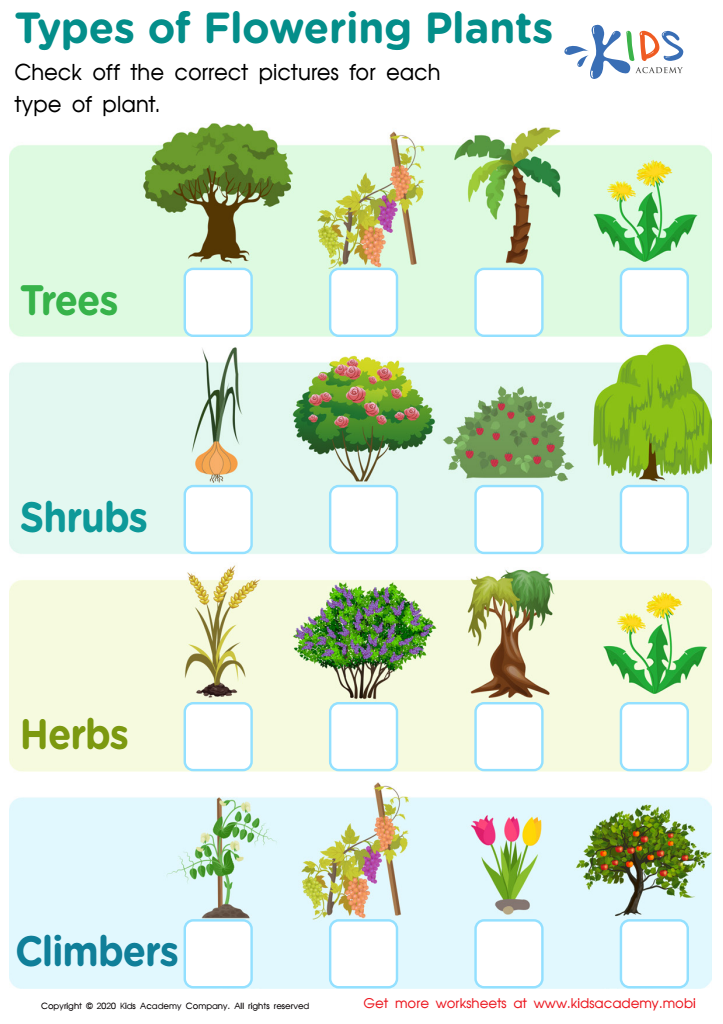
Types of Flowering Plants Worksheet
 Assign to My Students


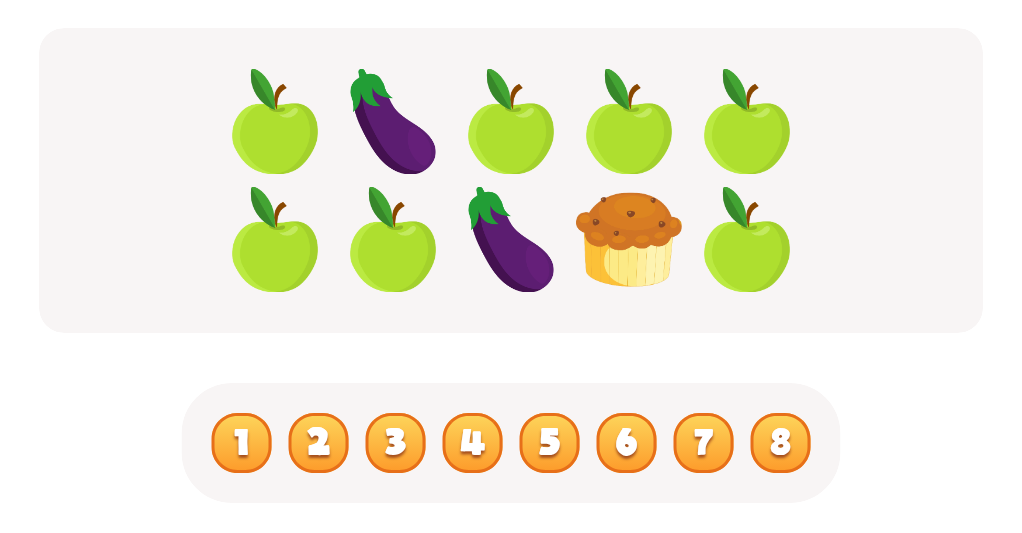
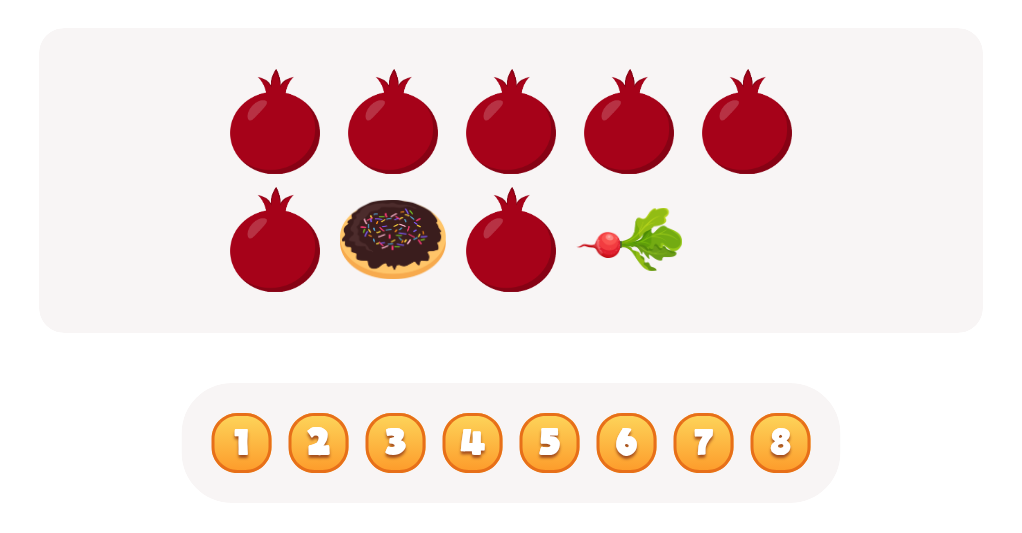


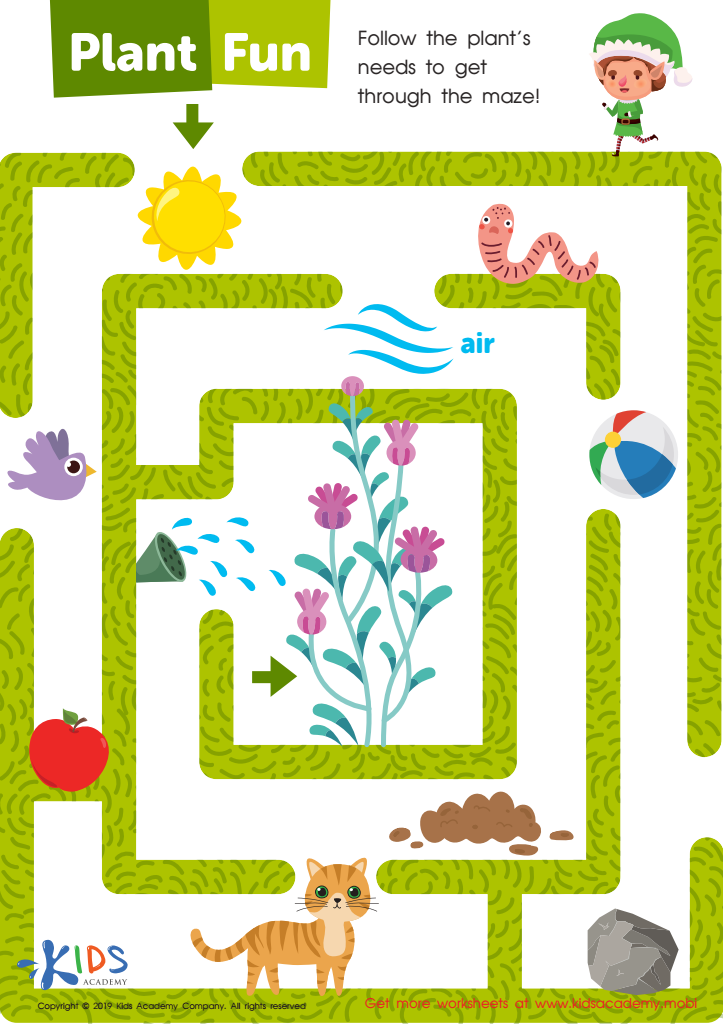
Plant Fun Worksheet
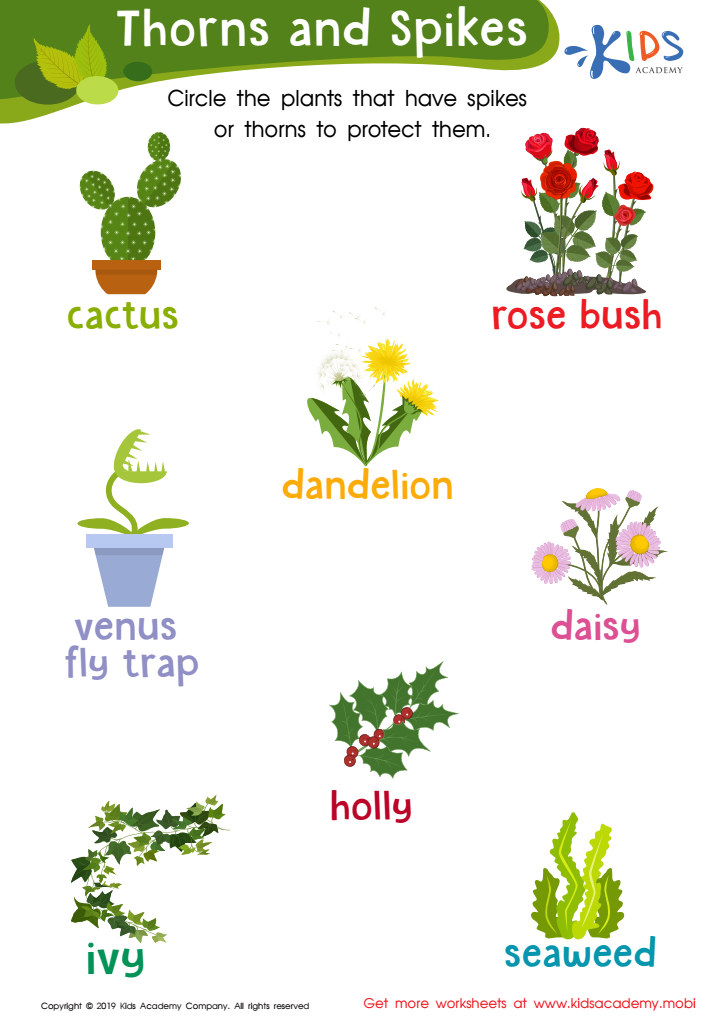
Thorns and Spikes Worksheet
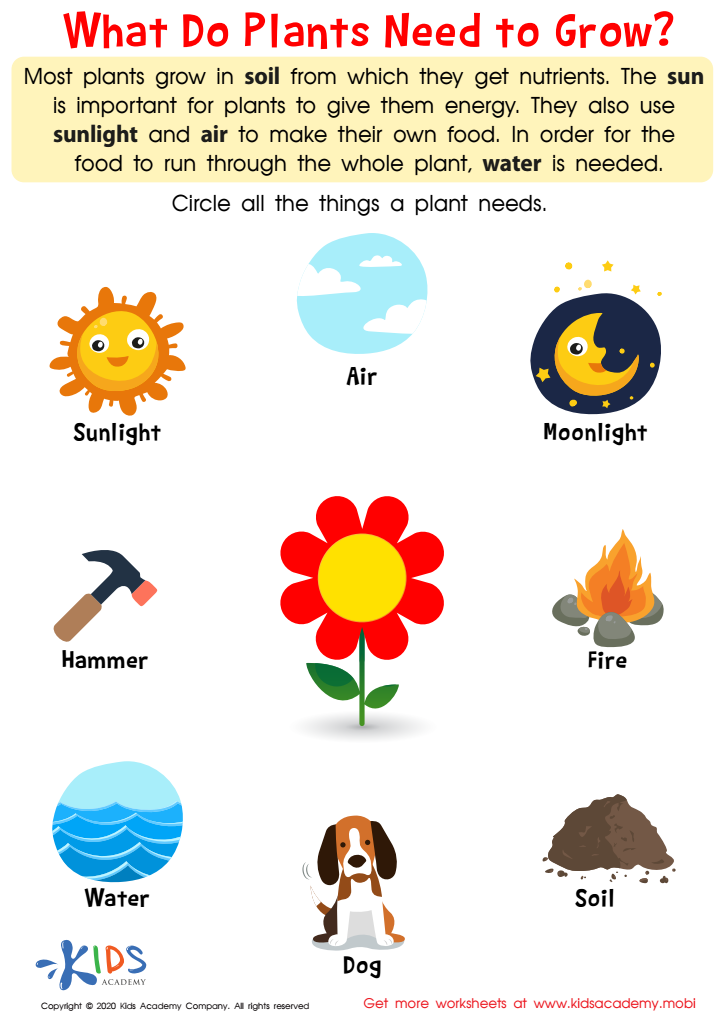
What Do Plants Need to Grow Worksheet








Plant identification is vital for children aged 4-8 as it fosters a deep connection with nature, promotes curiosity, and enhances observational skills. By engaging with normal plants, children can learn about their environment, which contributes to their understanding of the ecosystem and its importance. Through hands-on activities, such as nature walks or garden exploration, children develop an awareness of plant diversity, recognizing everyday species like dandelions, clovers, and sunflowers.
This knowledge is foundational for environmental stewardship, encouraging children to respect and protect nature from a young age. Additionally, plant identification cultivates critical thinking and enhances vocabulary, as children learn to describe and categorize different plants. Furthermore, interacting with plants can promote emotional well-being; activities such as planting seeds or tending to a garden teach responsibility and patience.
For parents and teachers, facilitating plant identification can be an enjoyable bonding experience that combines education and play. It also opens doors to interdisciplinary learning opportunities, integrating science, art, and math. Ultimately, caring about plant identification helps instill a sense of wonder and appreciation for the natural world, nurturing future generations who will actively engage in preserving it.