Understanding pollination Normal Plants and Animals Worksheets for Ages 4-8
3 filtered results
-
From - To
Discover the fascinating world of pollination with our "Understanding Pollination: Plants and Animals Worksheets" designed for children aged 4-8! These engaging and educational worksheets help young learners explore the essential role of pollinators in nature. Through colorful illustrations and interactive activities, kids will gain insights into how plants reproduce with the help of animals like bees, butterflies, and birds. These resources spark curiosity about the environment and foster a basic understanding of ecosystems. Ideal for classroom learning or home education, our worksheets make science fun and accessible for early learners. Get ready for an adventurous journey into the world of plants and animals!
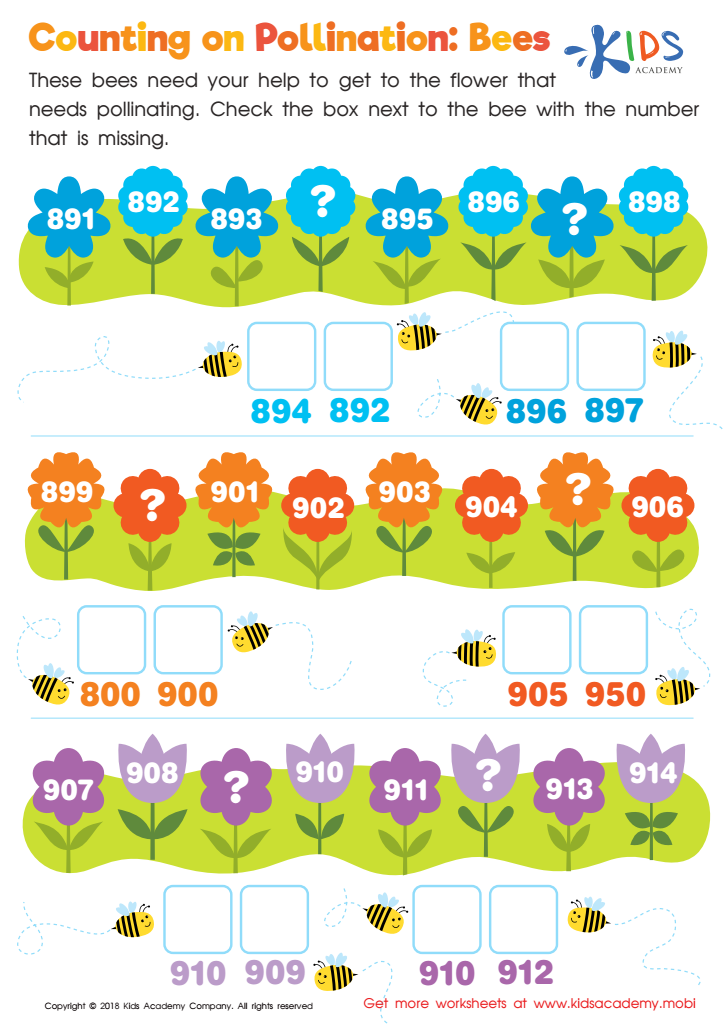
Counting on Pollination: Bees Worksheet
 Assign to My Students

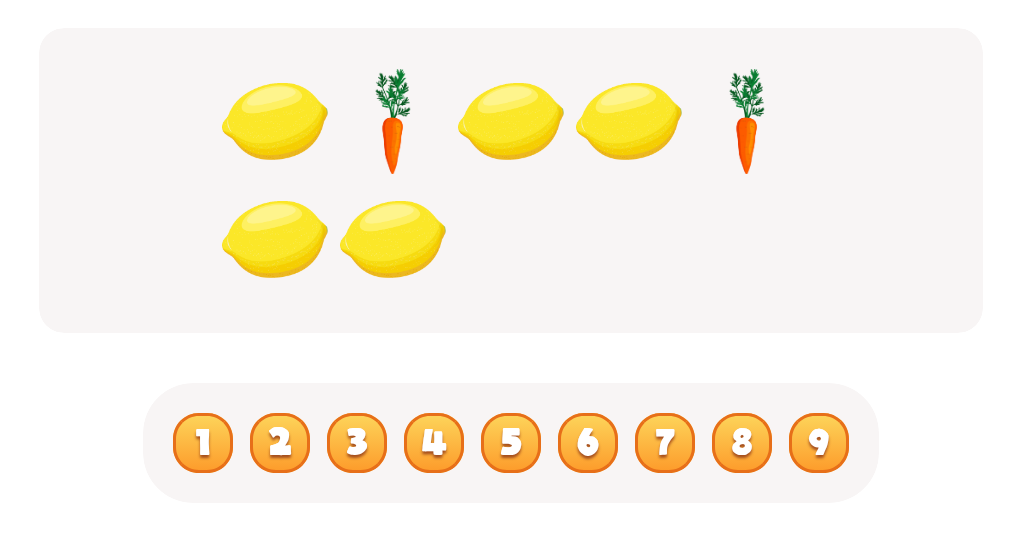
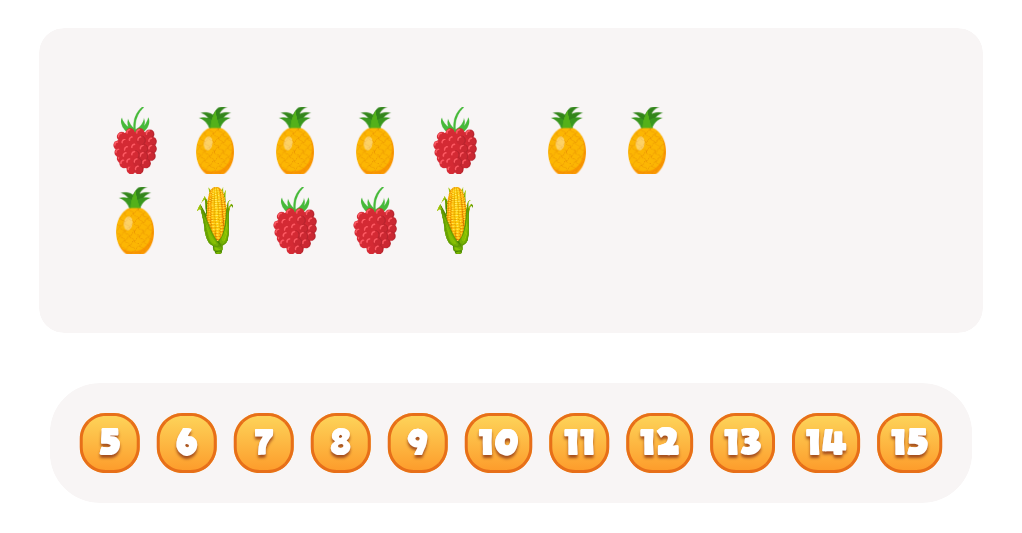
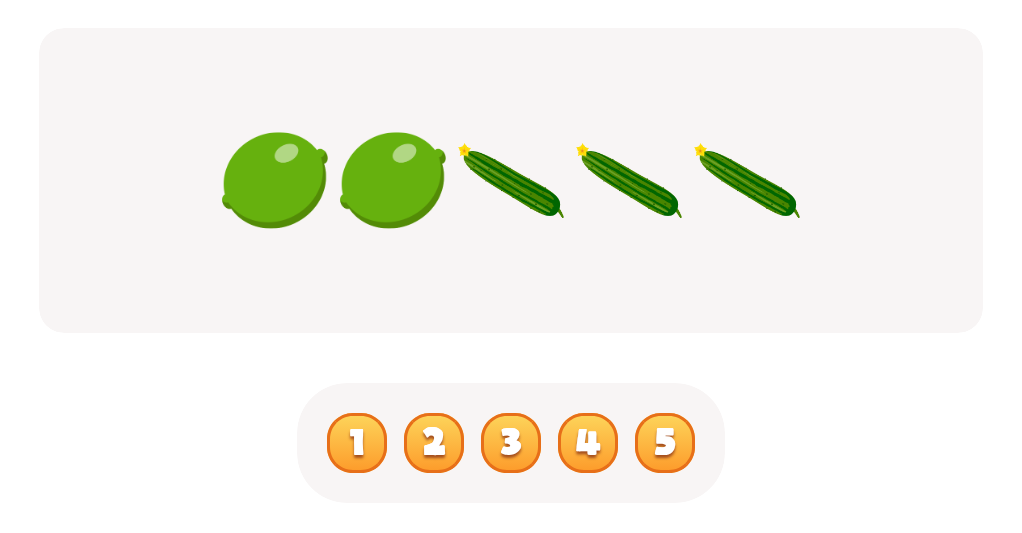
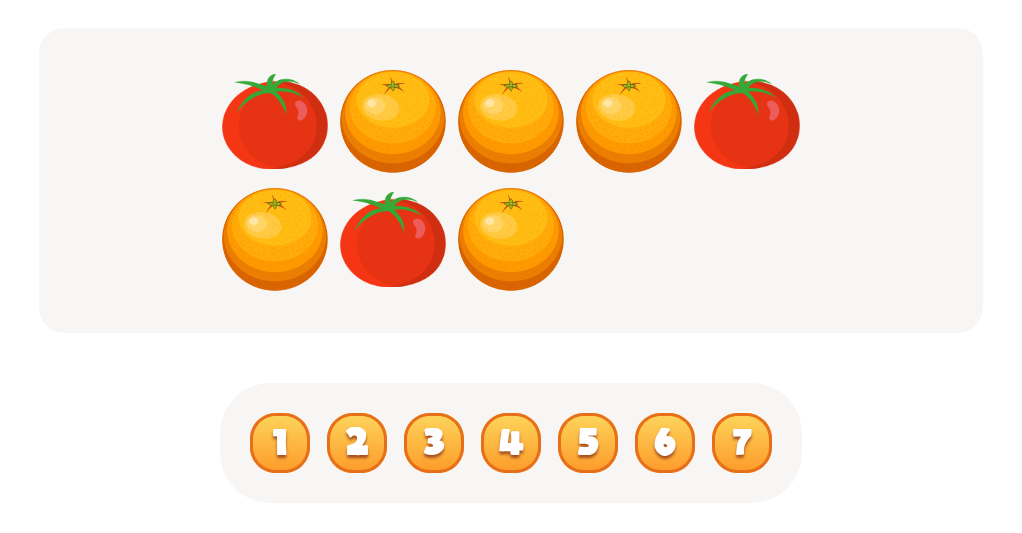
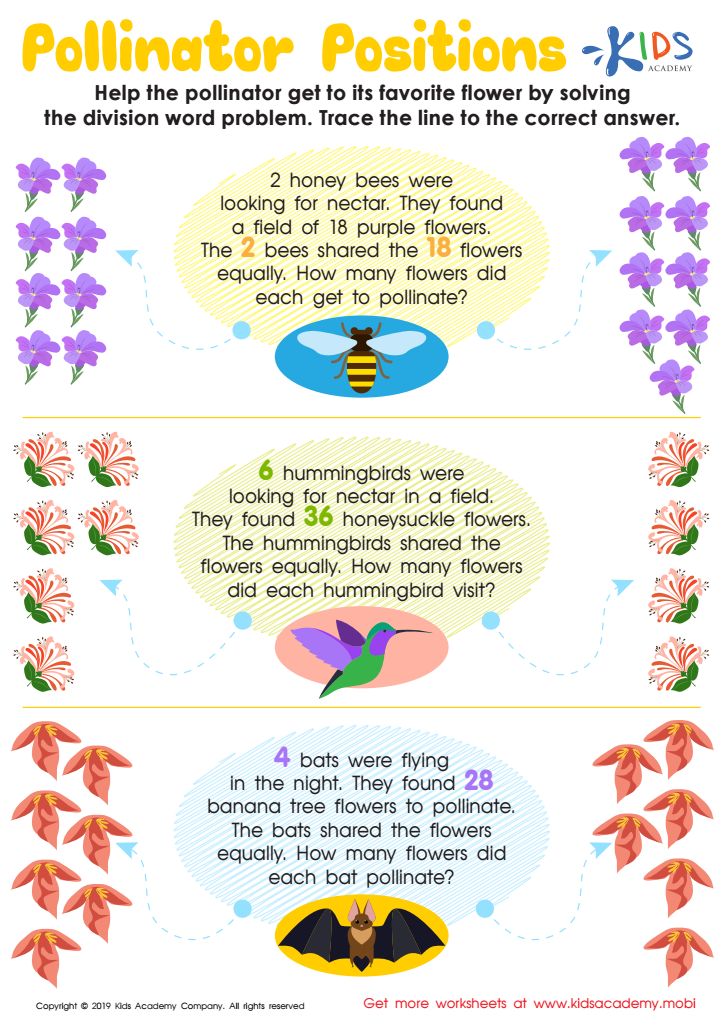
Pollinator Positions Worksheet
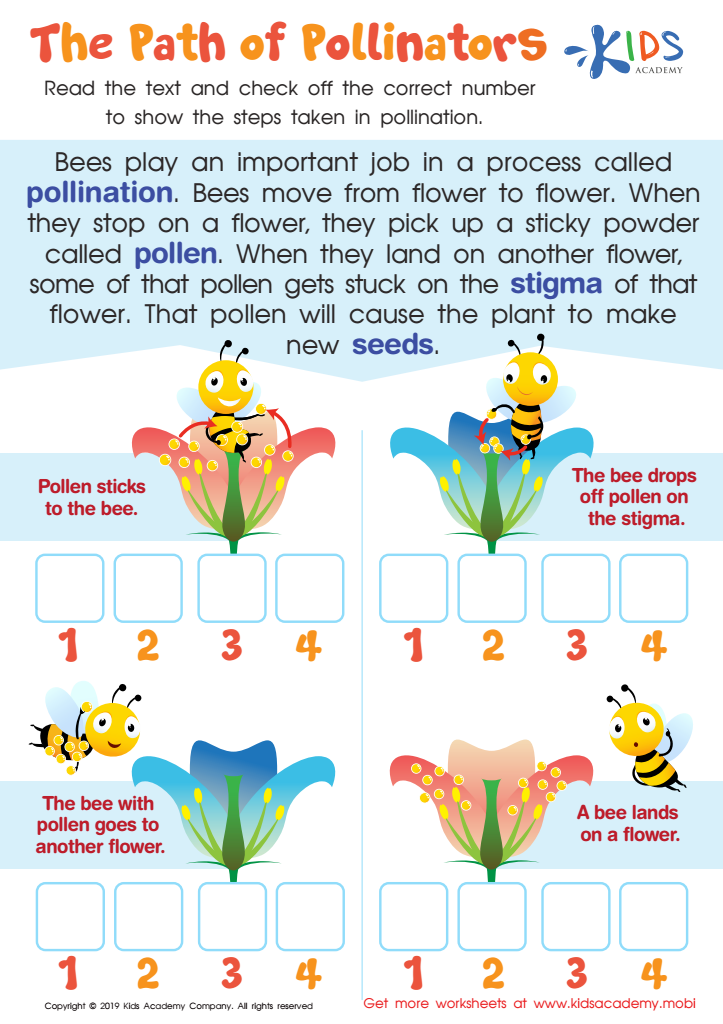
The Path of Pollinators Worksheet


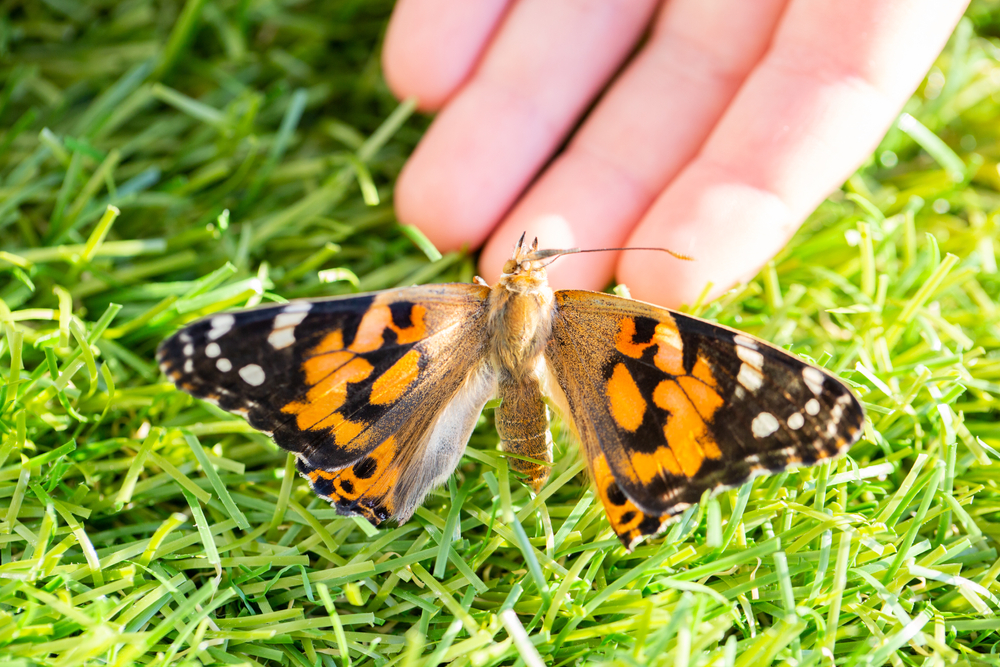





Understanding pollination and the role of normal plants and animals is crucial for children aged 4-8, as it lays the foundation for environmental literacy and scientific awareness. At this age, children are naturally curious about the world around them, and introducing concepts like pollination harnesses that curiosity. Pollination is essential for many plants that produce fruits and vegetables, tying it directly to the food they eat, which encourages healthy eating habits and awareness of nutrition.
Additionally, comprehension of these basic biological processes fosters respect for nature and promotes conservation ethics. Children learn to appreciate the diversity of life, including the important roles that insects, birds, and animals play in sustaining ecosystems. Furthermore, by understanding pollination, youngsters can grasp interconnectedness—the idea that all living beings rely on each other, which supports social development and collaborative thinking.
For parents and teachers, engaging children in discussions and activities related to pollination also enhances critical thinking, observation skills, and language development as they explore these concepts through play, storytelling, and hands-on experiences in gardens or parks. Building this knowledge early encourages lifelong learners who care about the planet and contribute positively to their communities.