Problem-Solving Skills Normal Community Worksheets for Ages 4-8
6 filtered results
-
From - To
Enhance your child's problem-solving skills with our engaging worksheets designed for ages 4-8! These specially crafted activities help children explore various community scenarios, encouraging critical thinking and creative solutions. Each worksheet combines fun challenges with relatable contexts, allowing young learners to connect concepts to their everyday lives. Perfect for classrooms, homeschooling, or extra practice at home, these resources promote cognitive development and social awareness. Discover the joy of learning while building essential skills! Visit our collection today and empower your child to think critically and solve problems effectively in their community. Give your child the tools they need for lifelong success!

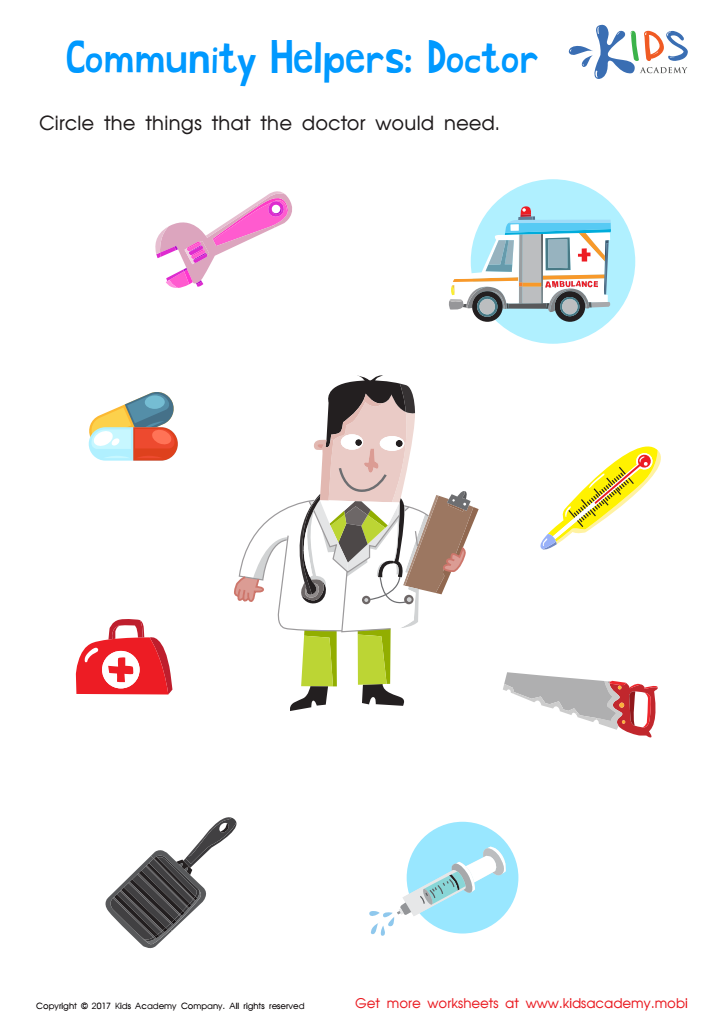
Community Doctors: Maze Printable
 Assign to My Students

At the Market Worksheet

Towns Worksheet
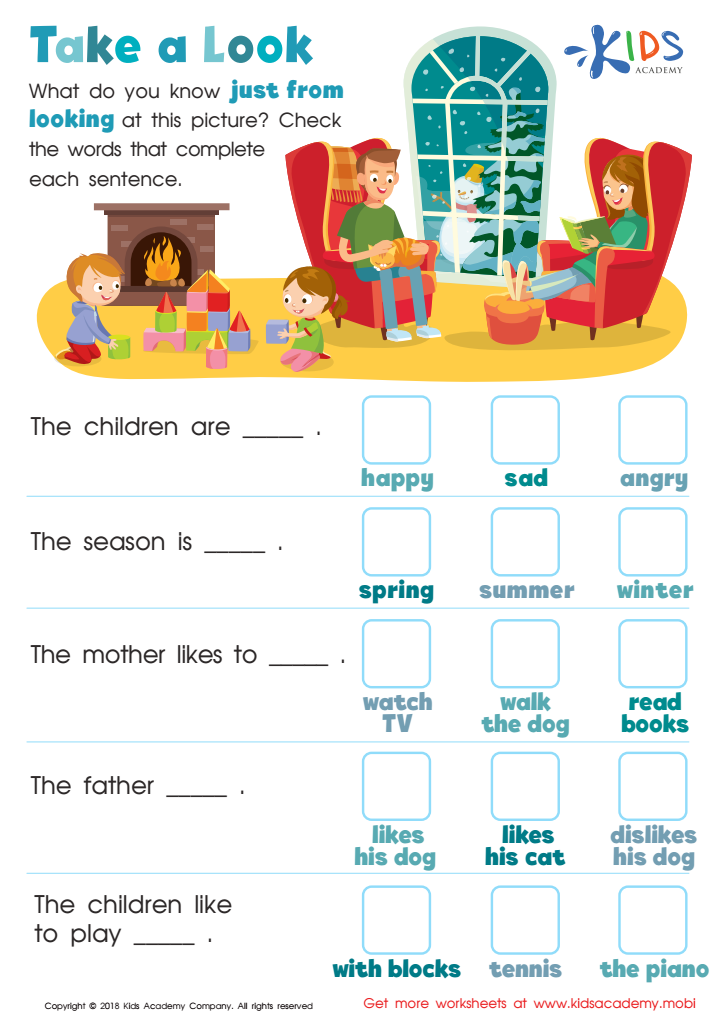
Take a Look - Part 1 Worksheet
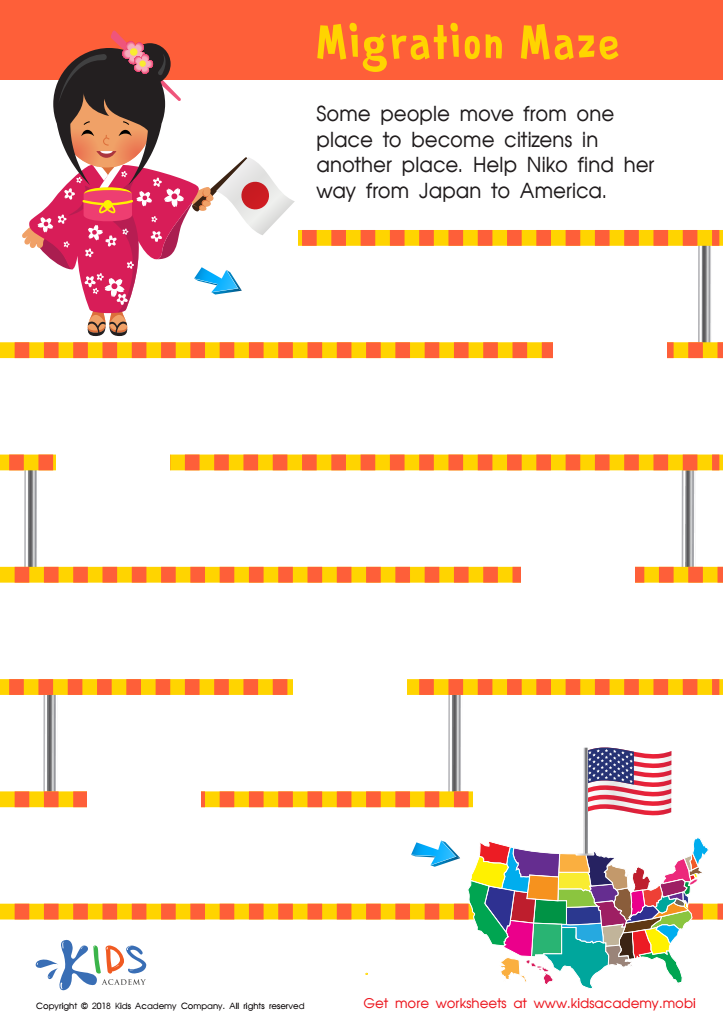
Migration Maze Worksheet








Parents and teachers should prioritize problem-solving skills in early childhood for several compelling reasons. First, problem-solving is foundational for critical thinking, guiding children to analyze situations and find effective solutions. From ages 4-8, children experience rapid cognitive development, making this an ideal time to nurture their ability to think independently.
Furthermore, fostering problem-solving skills enhances emotional resilience. Kids learn to approach challenges with a growth mindset, viewing obstacles as opportunities for learning rather than insurmountable barriers. This cultivates perseverance and adaptability—traits essential for success in both academic and real-life settings.
In a normal community context, encouraging problem-solving helps to build social skills, too. Children who engage in collaborative problem-solving activities learn to communicate their thoughts, listen to differing viewpoints, and respect others’ ideas. Such skills are vital not only in the classroom but also in fostering harmonious relationships in everyday life.
Additionally, equipping young learners with problem-solving techniques prepares them for future challenges in a rapidly changing world. Ultimately, by caring about problem-solving skills development, parents and teachers are investing in a well-rounded education that lays the groundwork for lifelong learning and citizenship.