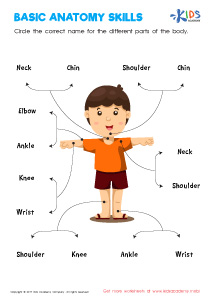
Vocabulary development Normal World Around Us Worksheets for Ages 4-8
3 filtered results
-
From - To
Unlock the wonders of vocabulary development with our engaging "Normal World Around Us Worksheets" tailored for children aged 4-8. These vibrant worksheets are designed to enrich your child's language skills while exploring the everyday environment around them. Each activity encourages young learners to identify and describe various concepts, fostering a deeper understanding of words and their meanings. From nature to community, our worksheets support early literacy in a fun and interactive way. Perfect for homeschooling or classroom use, these resources will cultivate essential vocabulary skills, making language learning an enjoyable adventure for your little ones! Discover the joy of learning with us today!
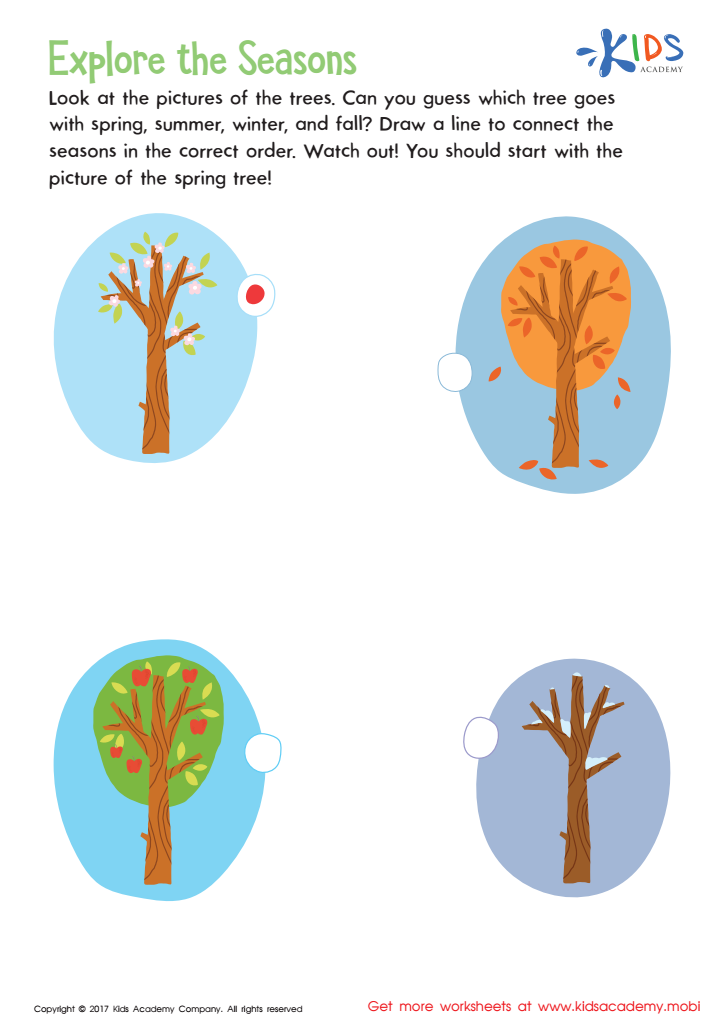
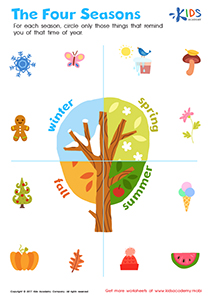
Explore the Seasons Worksheet
 Assign to My Students
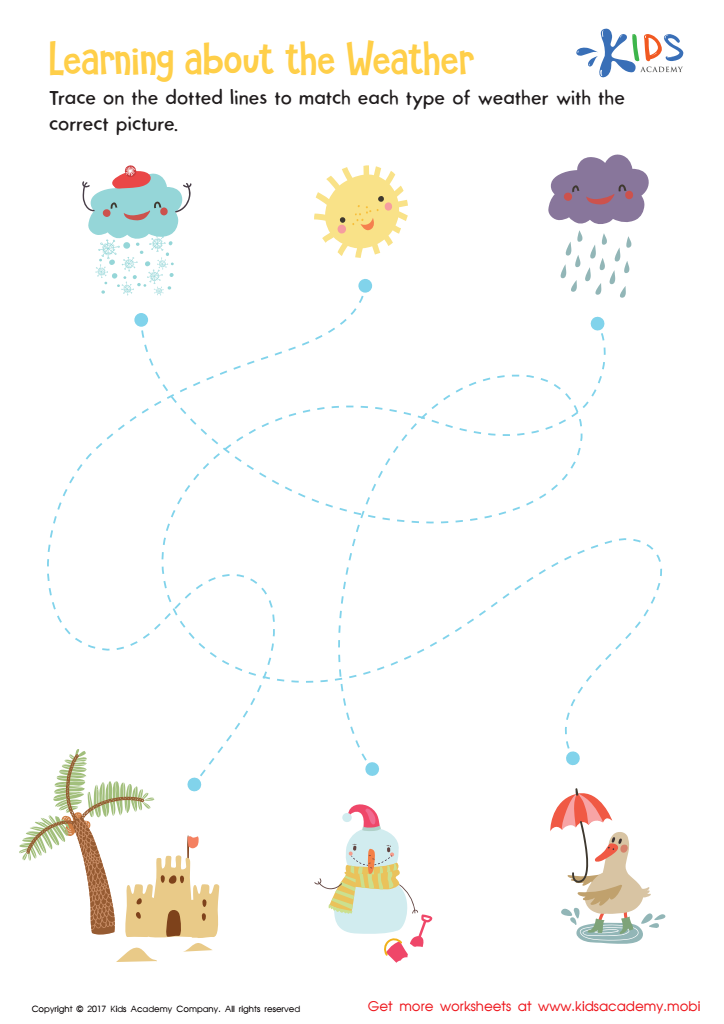
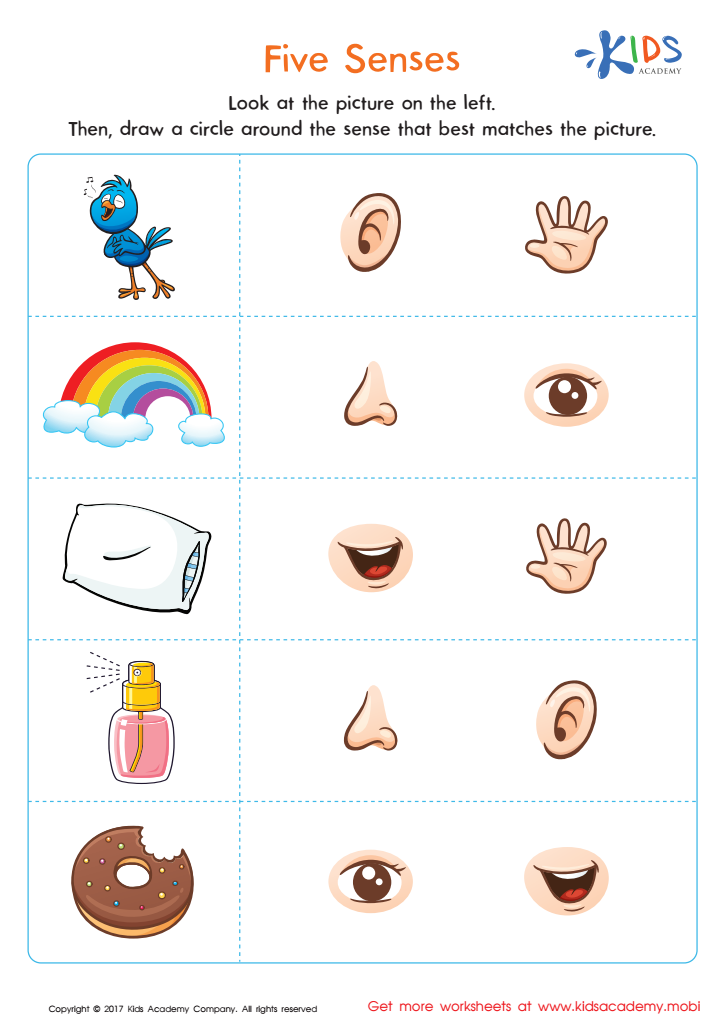
Five Senses Printable







Vocabulary development in children aged 4 to 8 is crucial for several reasons. First, a strong vocabulary lays the foundation for effective communication, enabling children to express their thoughts, feelings, and ideas clearly. This not only enhances spoken and written language skills but also boosts their confidence in social interactions.
In the context of the "Normal World Around Us," vocabulary helps young learners connect with their environment. Naming everyday objects, understanding actions, and describing feelings allow children to make sense of their experiences, thereby fostering cognitive development. Children learn to categorize and associate new words with the world they live in, creating a richer understanding of their surroundings.
Furthermore, a robust vocabulary is linked to literacy success. Children who engage with a diverse range of words are better readers, leading to improved academic performance across subjects. Vocabulary development also supports critical thinking, as children learn to ask questions and analyze information effectively.
For parents and teachers, prioritizing vocabulary development will not only enhance children's language abilities but also empower them to navigate their world with curiosity and confidence. Investing time in vocabulary-rich activities can ultimately pave the way for lifelong learning and informed citizenship.