Contextual understanding Normal Grammar Worksheets for Ages 4-8
4 filtered results
-
From - To
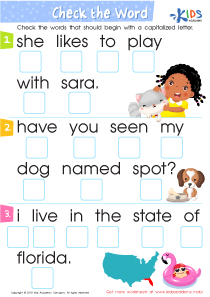
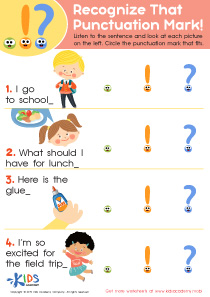
Enhance your child's language skills with our Contextual Understanding Normal Grammar Worksheets, designed specifically for ages 4-8. These engaging and interactive worksheets promote foundational grammar concepts through relatable contexts, ensuring young learners grasp essential language rules in a fun way. With colorful illustrations and relatable scenarios, children will practice identifying parts of speech, constructing sentences, and comprehending simple texts while improving their critical thinking abilities. Our worksheets support early literacy development, fostering a love for reading and writing. Great for classroom activities or home learning, these resources aim to equip children with the grammar skills they need for academic success. Start their journey today!
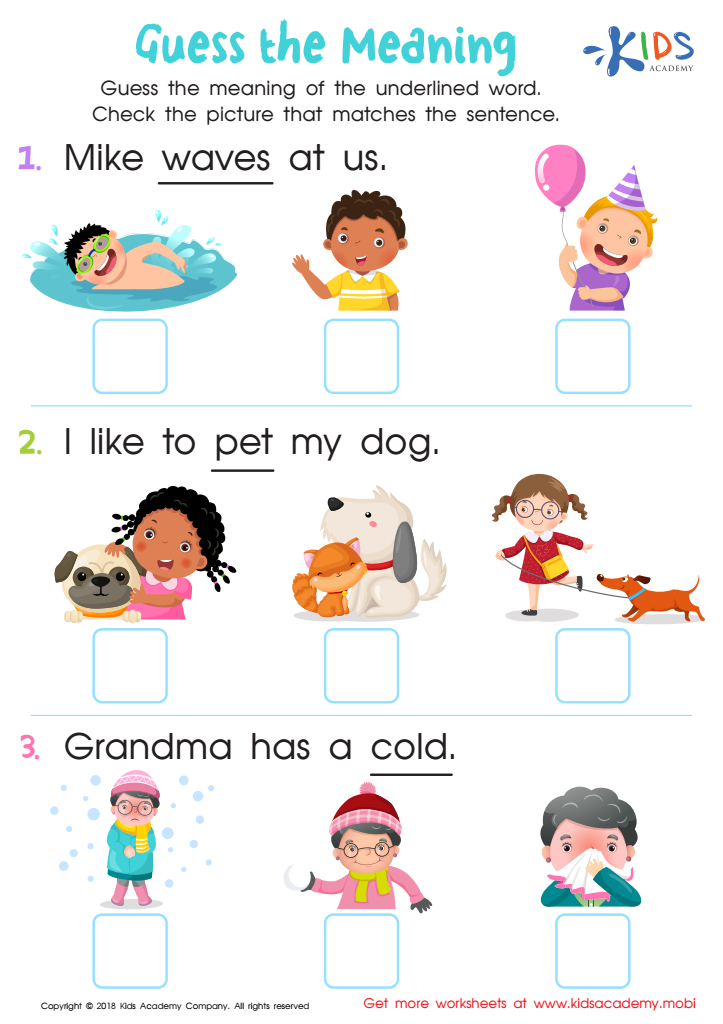
Guess the Meaning Worksheet
 Assign to My Students
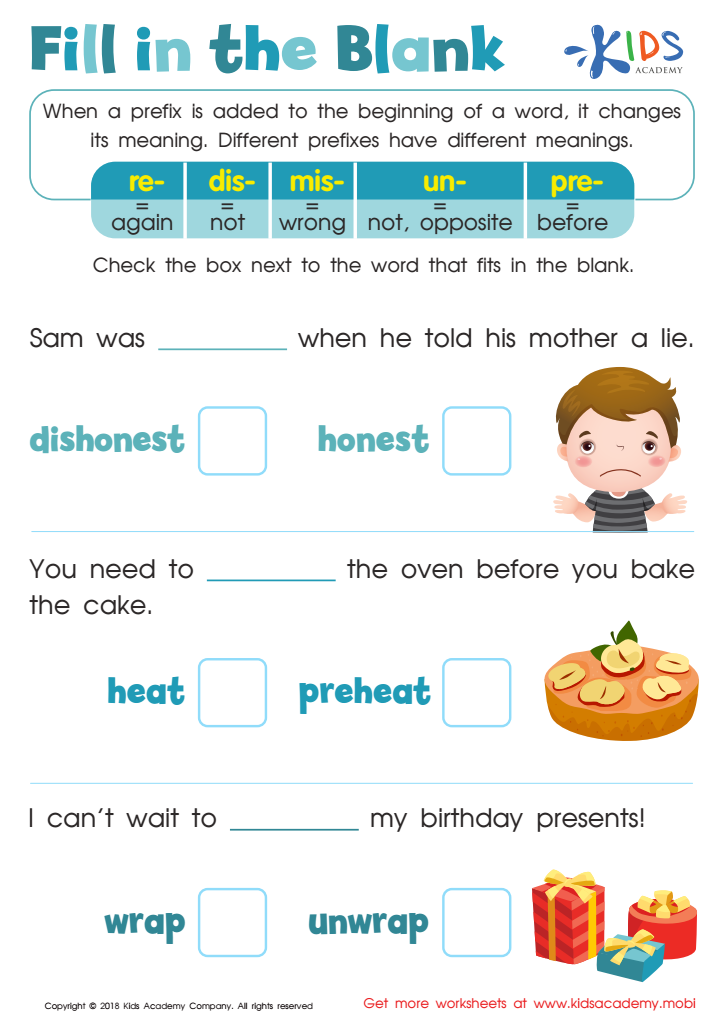
Reading: Fill in the Blank Worksheet
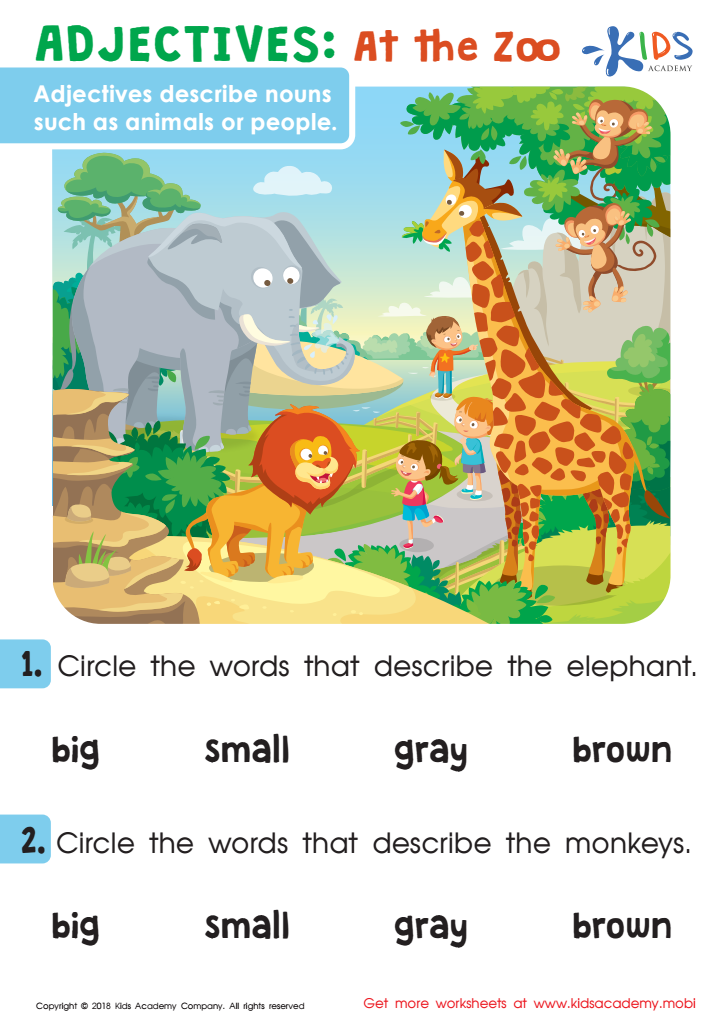
Adjectives: At The Zoo Worksheet
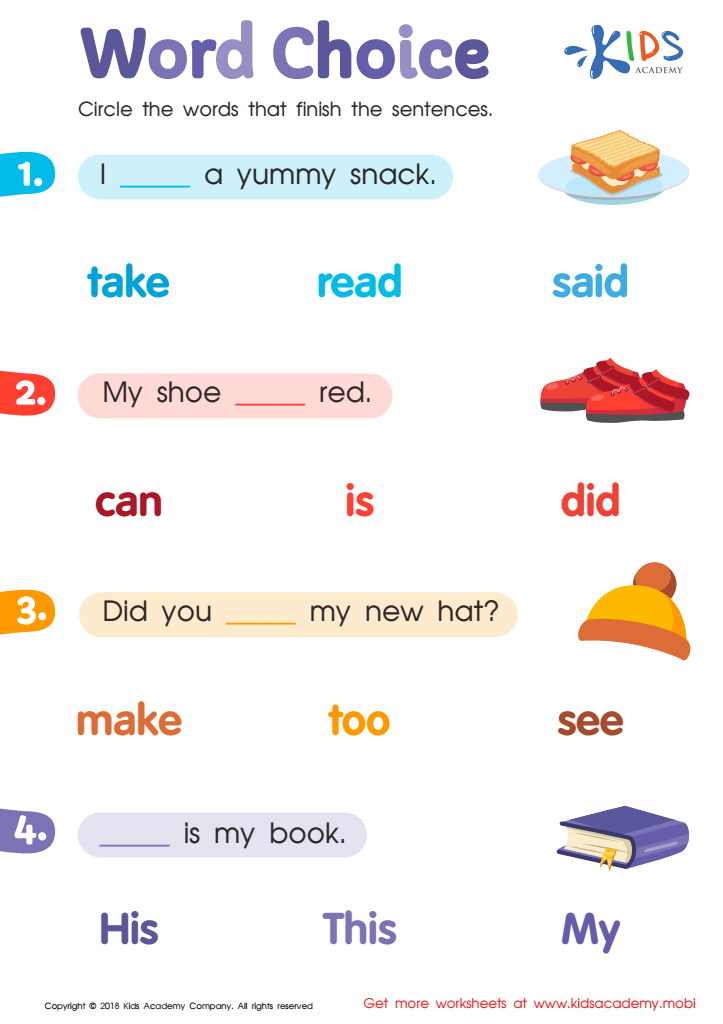
Word Choice Worksheet




.jpg)
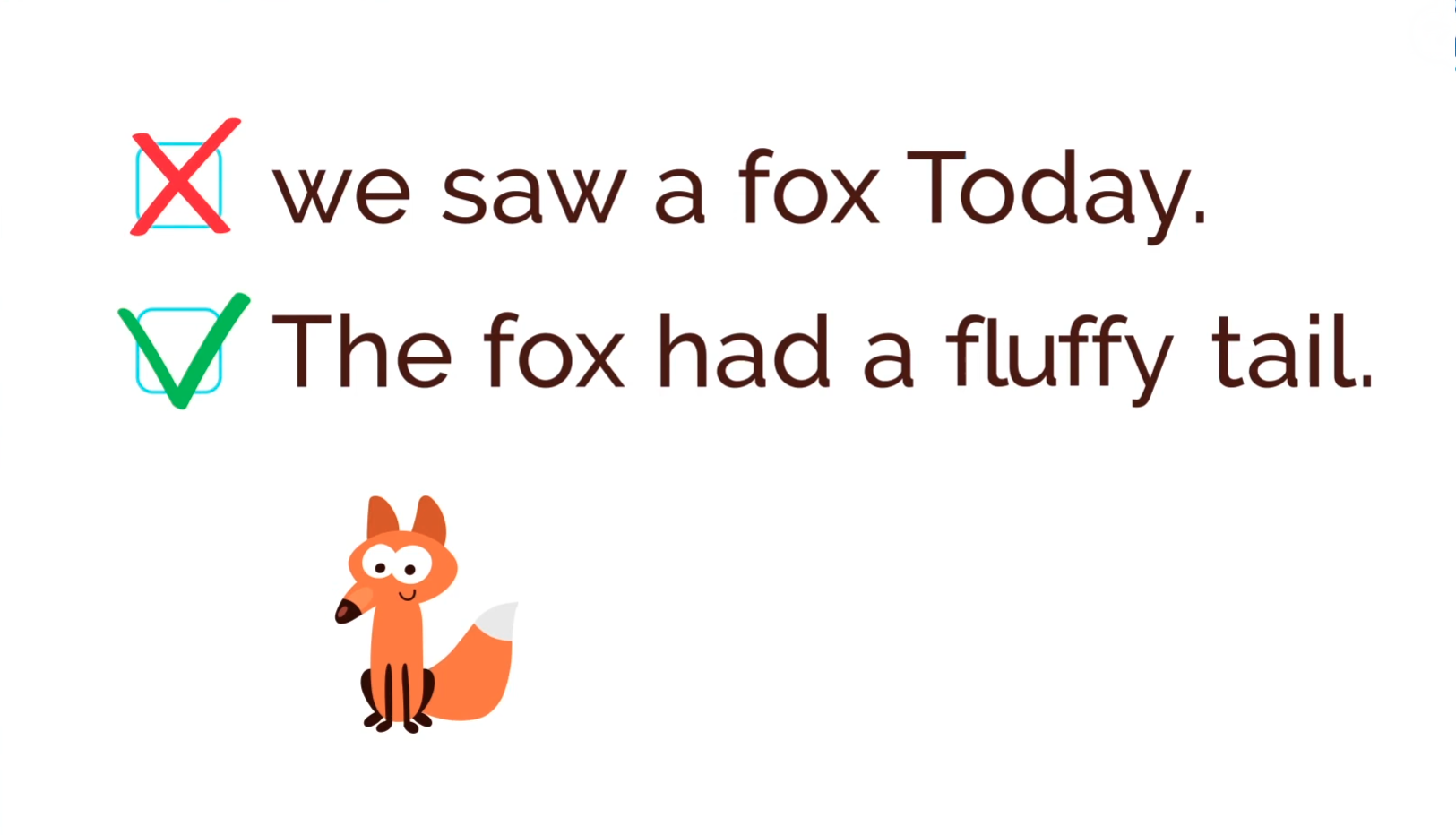
Contextual understanding of normal grammar is crucial for children aged 4-8 as it lays the foundation for effective communication and comprehension skills. During these formative years, children are rapidly developing their language abilities. When parents and teachers focus on contextual grammar, they help children not only learn the rules of language but also understand how to apply them in real-life situations.
This understanding enhances children's ability to express their thoughts clearly and interpret others' perspectives. For instance, recognizing how context influences word meaning aids in vocabulary acquisition and comprehension. Furthermore, children learn to adapt their language according to varying social settings, improving their interpersonal skills and emotional intelligence.
In a classroom setting, teachers can create engaging activities that promote language usage within specific contexts, encouraging students to express themselves. At home, parents can foster language-rich environments through storytelling and witty conversations, enriching their children’s understanding of grammar in varied situations.
Ultimately, nurturing contextual understanding of grammar equips children with critical thinking and analytical skills, paving the way for academic success and effective communication throughout their lives. By prioritizing this foundational aspect of language development, parents and teachers contribute greatly to a child's cognitive and social development.