Critical Thinking Normal Grammar Worksheets for Ages 4-8
3 filtered results
-
From - To
Unlock your child's potential with our "Critical Thinking Normal Grammar Worksheets for Ages 4-8." Designed to blend essential grammar skills with engaging critical thinking activities, our worksheets foster both language proficiency and cognitive development. Each worksheet encourages young learners to recognize patterns, solve problems, and improve their writing. Fun exercises, colorful illustrations, and age-appropriate challenges make learning grammar an exciting adventure. Perfect for classroom use or at-home practice, these resources empower children to become confident writers and critical thinkers. Help your child thrive academically and creatively with our expertly crafted worksheets. Explore and grow with Kids Academy!
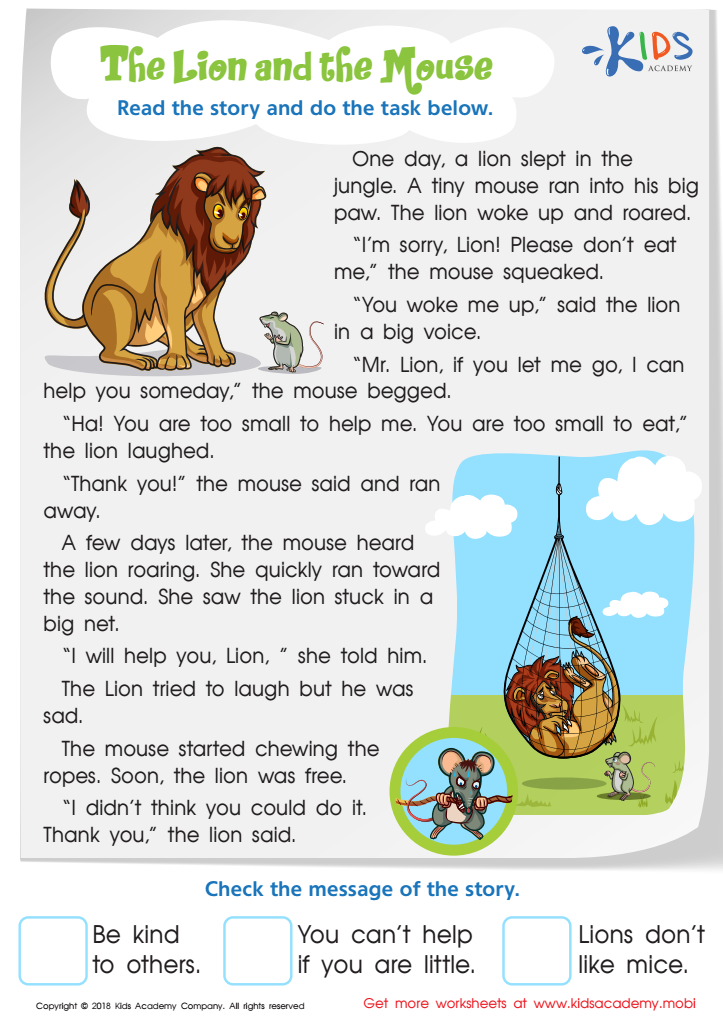
The Lion and the Mouse Worksheet
 Assign to My Students
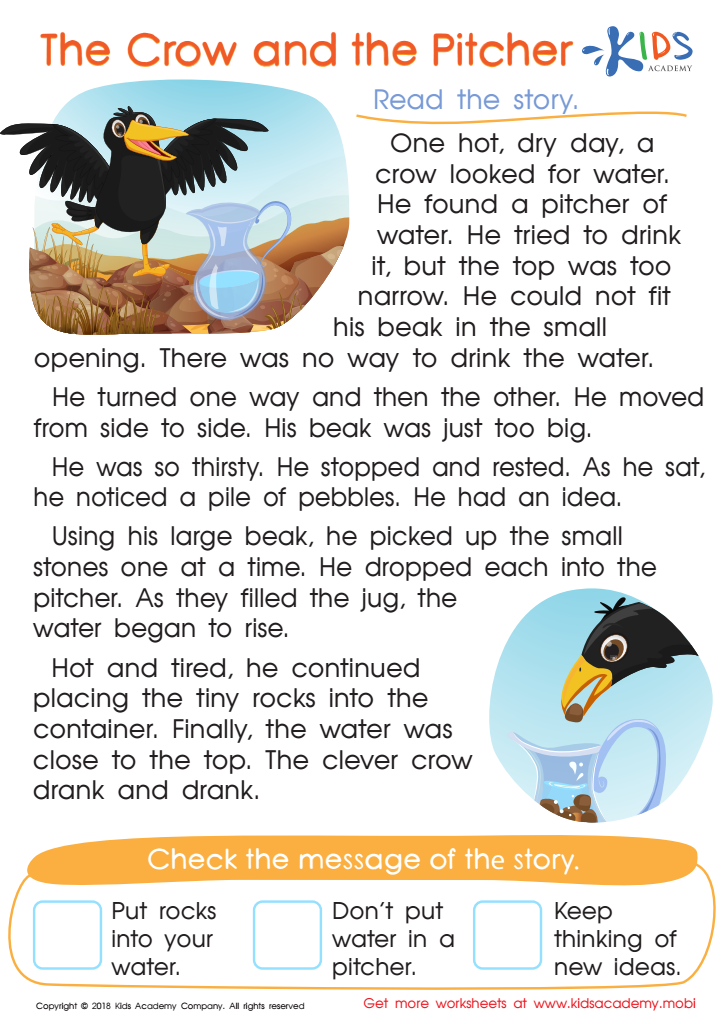
The Crow and the Pitcher Worksheet
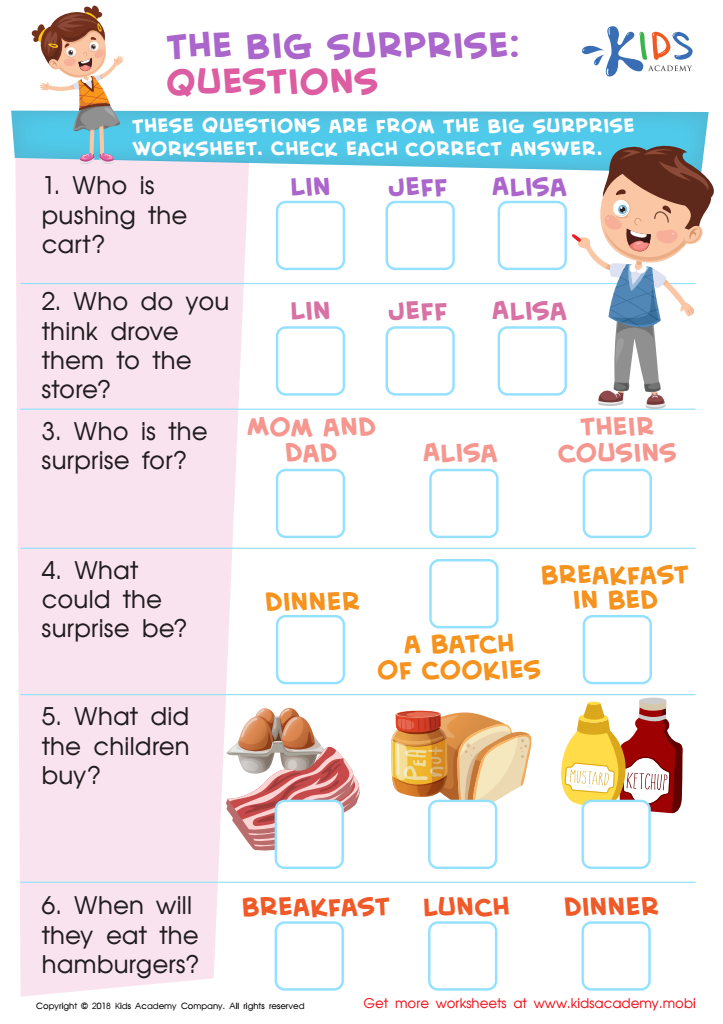
The Big Surprise: Questions Worksheet



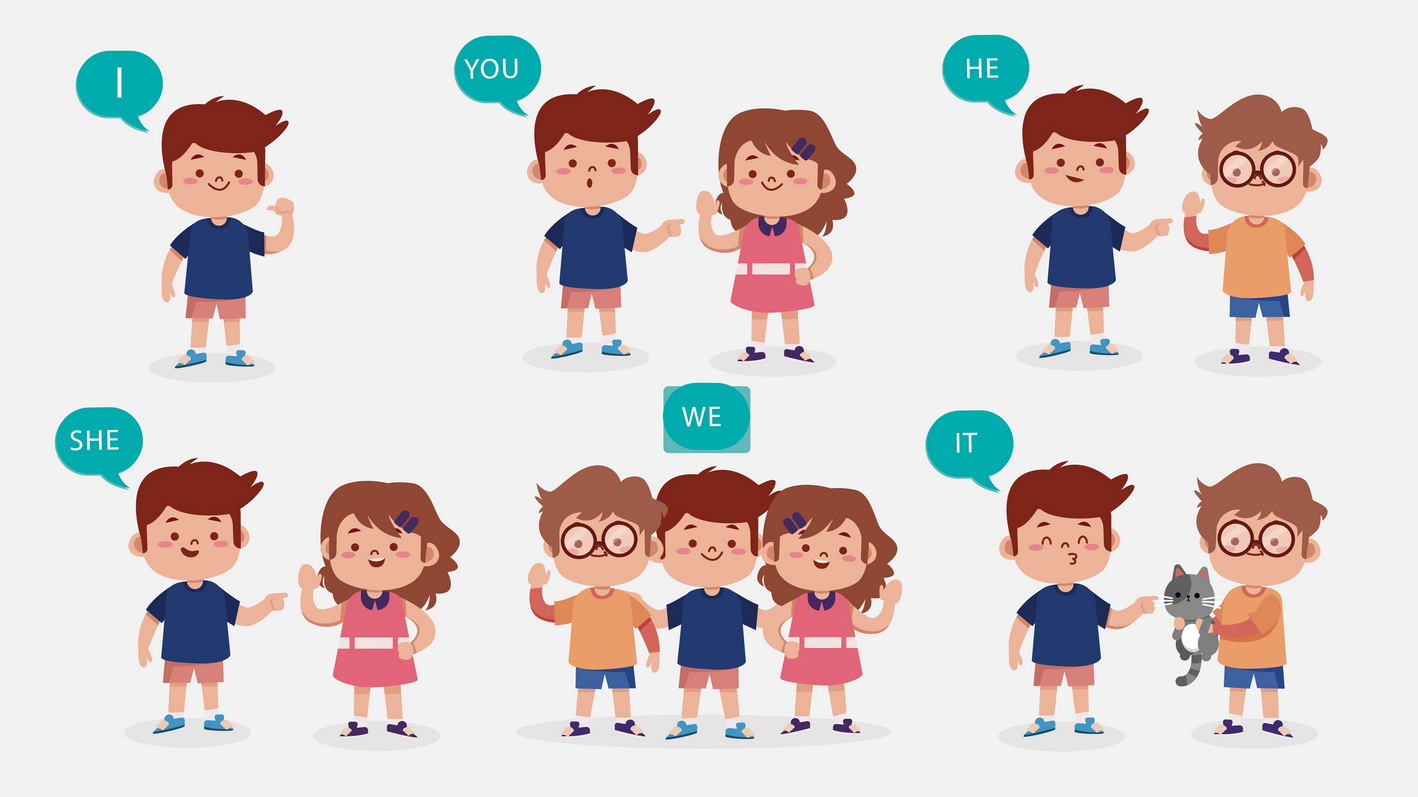
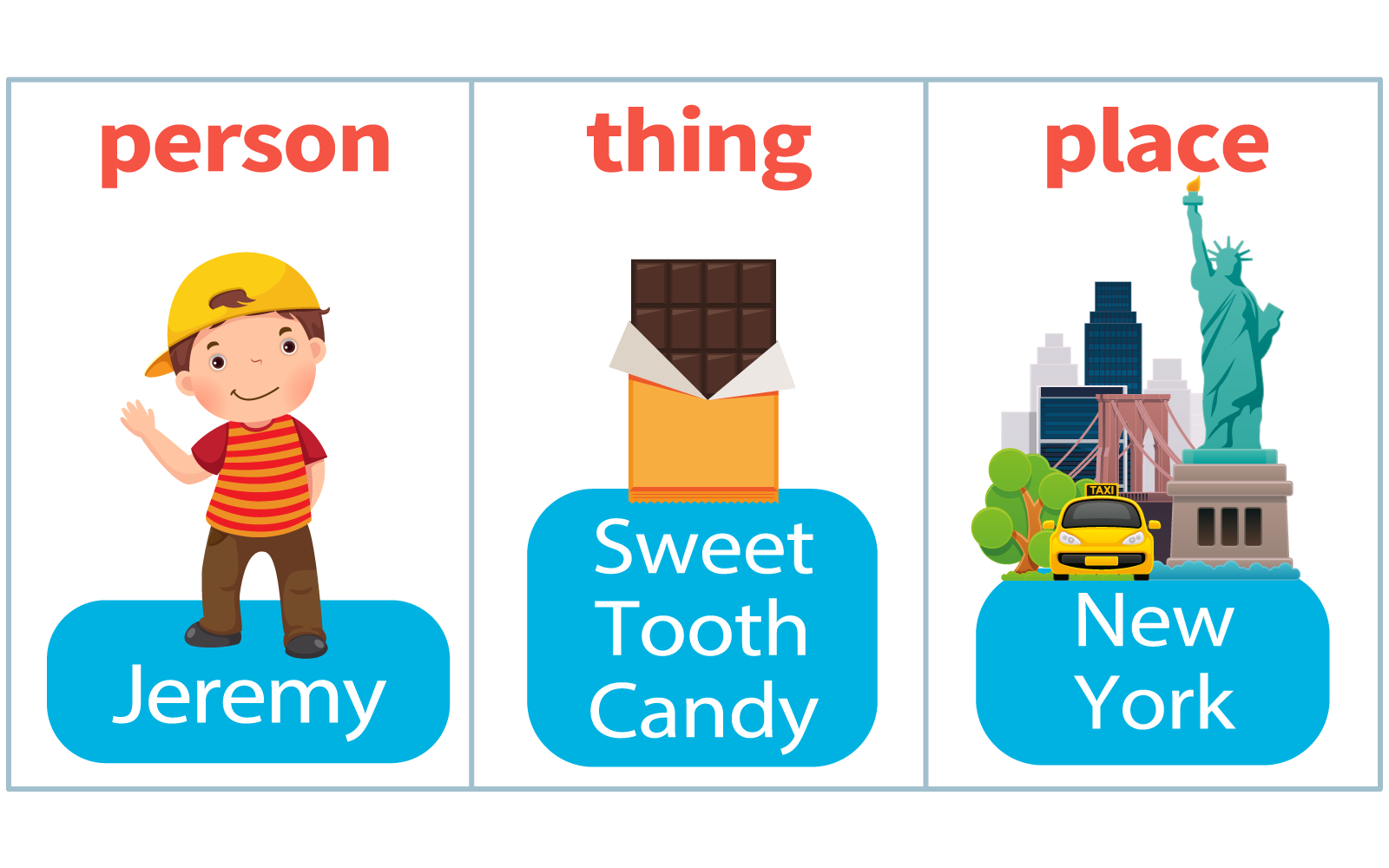


Parents and teachers should prioritize critical thinking and proper grammar for young children, ages 4 to 8, as these foundational skills play a crucial role in their overall development and future success. During these formative years, children's brains are exceptionally receptive to learning new concepts, and fostering critical thinking helps them to become independent problem-solvers. When kids practice critical thinking, they learn to ask questions, make connections, and think creatively. These abilities are essential not just for academic success but for navigating life’s challenges outside of the classroom.
Simultaneously, mastering normal grammar at an early age builds a strong base for effective communication, both verbal and written. Clear communication is key in every aspect of life, from building relationships to excelling in professional environments later on. Good grammar skills also enhance reading comprehension and writing abilities, allowing children to express their thoughts with clarity and precision.
By integrating critical thinking and proper grammar into early education, parents and teachers equip children with essential life skills, encouraging intellectual curiosity and setting them on a path towards enriched learning experiences and future opportunities. It's about constructing a toolkit that children will carry with them throughout their educational journey and beyond, leading to more competent, thoughtful, and articulate individuals.