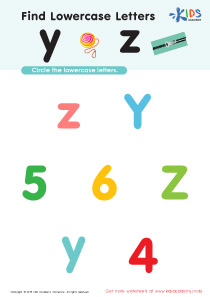
Letter tracing skills Normal Uppercase Letters Worksheets for Ages 4-9
3 filtered results
-
From - To
Boost your young learner’s writing journey with our "Letter Tracing Skills Normal Uppercase Letters Worksheets for Ages 4-9." These engaging, expertly designed worksheets are perfect for early writers to practice and improve their uppercase letter tracing. Ideal for ages 4-9, each sheet offers clear, guided tracing paths alongside helpful visual aids, ensuring children build confidence and mastery in letter formation. From beginners to advancing students, these worksheets provide the perfect foundation for developing strong handwriting skills. Conveniently printable, they are great for both classroom activities and at-home practice, making learning fun and effective!
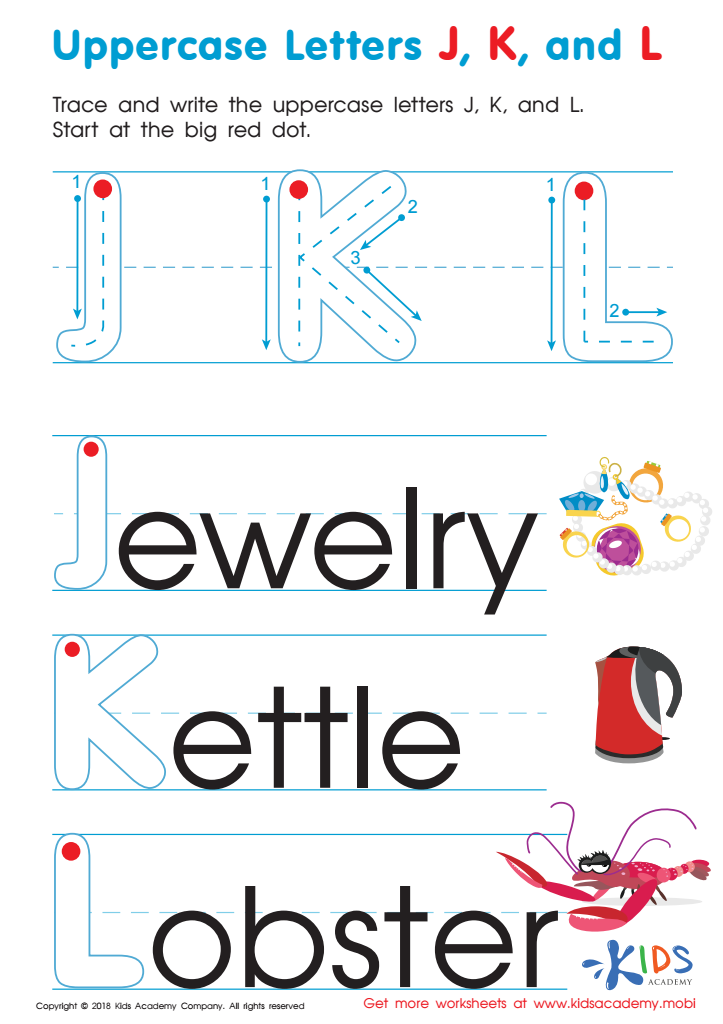
Uppercase Letters J, K, and L Worksheet
 Assign to My Students
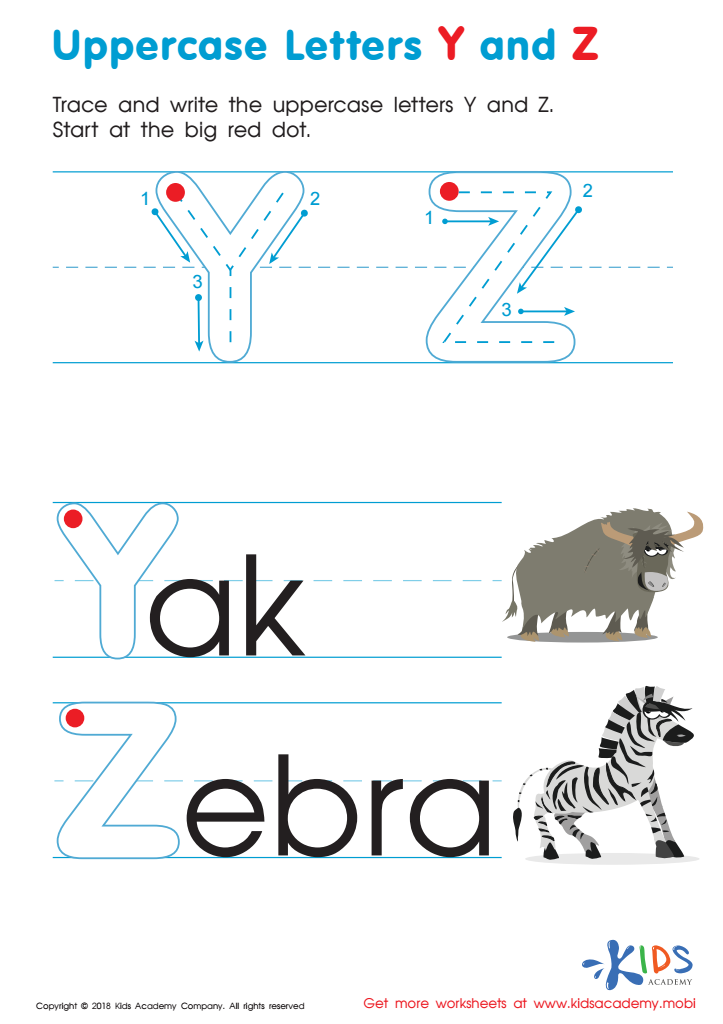
Uppercase Letters Y Z Worksheet
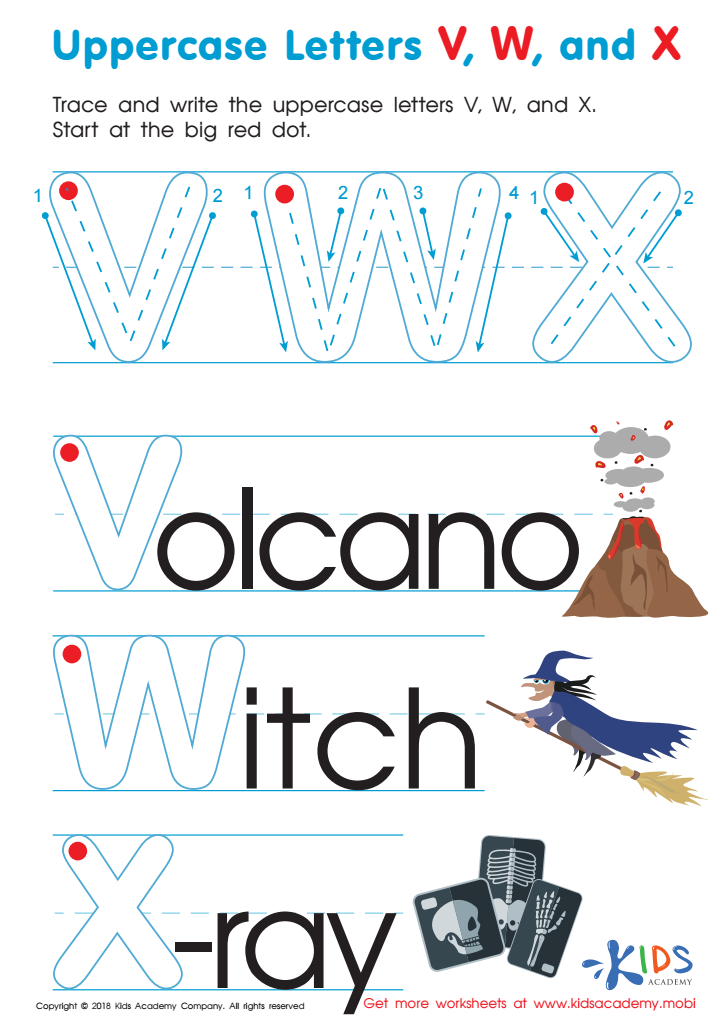
Uppercase Letters V, W, and X Worksheet








Parents and teachers should emphasize letter tracing skills for children aged 4-9 because these skills are foundational to literacy and overall learning development. Early engagement in activities like tracing uppercase letters aids in the development of fine motor skills, hand-eye coordination, and muscle memory crucial for writing. Mastering these skills supports children’s ability to write legibly and efficiently, an essential skill for academic success across subjects.
Moreover, tracing letters helps children familiarize themselves with the shapes and proper formation of each letter, fostering alphabet recognition and phonic skills. This early literacy development boosts cognitive skills by enhancing their ability to differentiate between letters, understand sequencing, and foster early reading skills, which are critical during this age range.
Additionally, developing these skills can build children’s confidence and independence, contributing to a positive learning experience. This can instill a sense of achievement and motivate further educational engagement. Teachers and parents who invest time in practicing letter tracing provide children with a head start that can help them thrive academically and personally, reducing frustration and building a solid foundation for future educational endeavors.
In summary, letter tracing is not merely about drawing shapes; it is a vital step toward comprehensive literacy and skill development essential for a child's academic and personal growth.