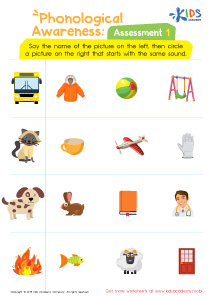
Reading comprehension Normal Vowels Worksheets for Ages 4-9 - Page 2
37 filtered results
-
From - To
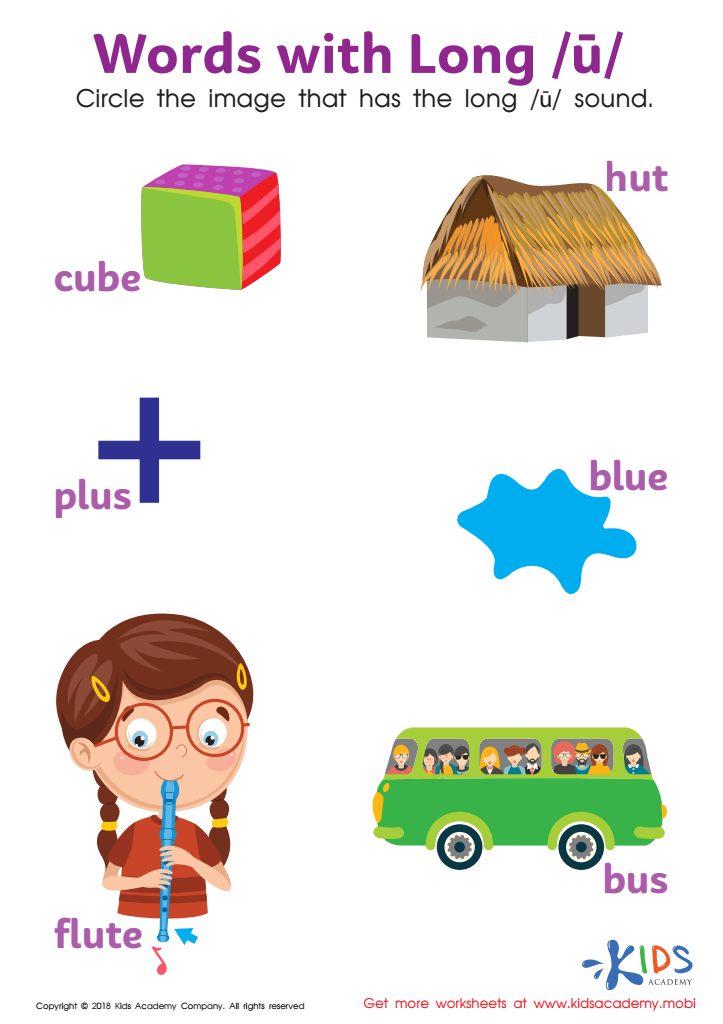
Words with Long U Reading Worksheet
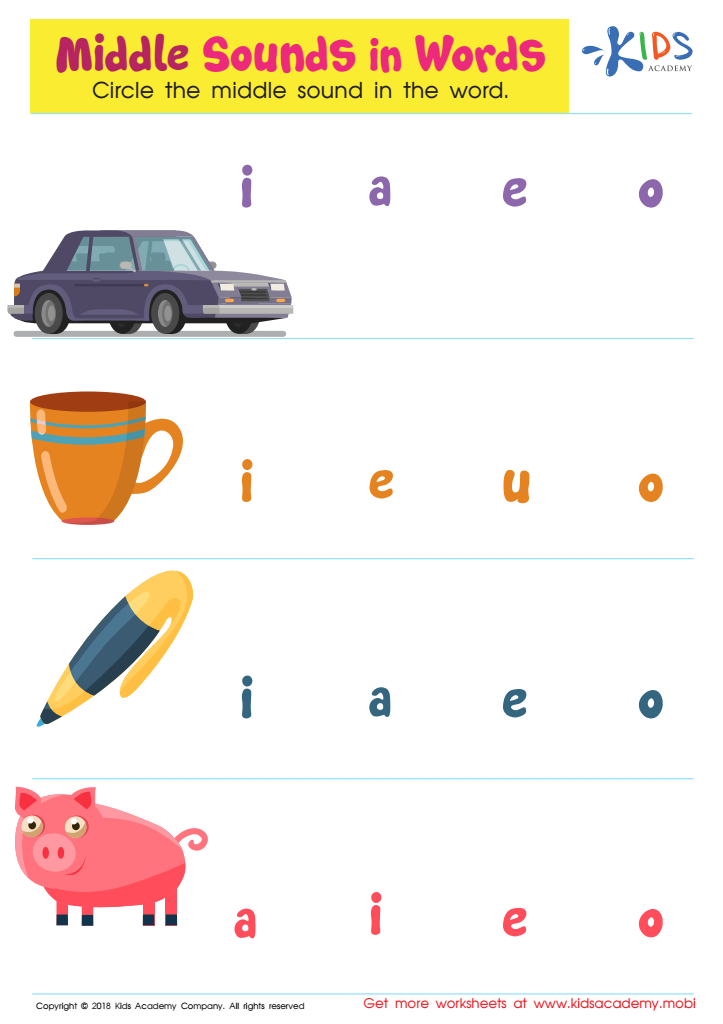
Middle Sounds in Words Worksheet
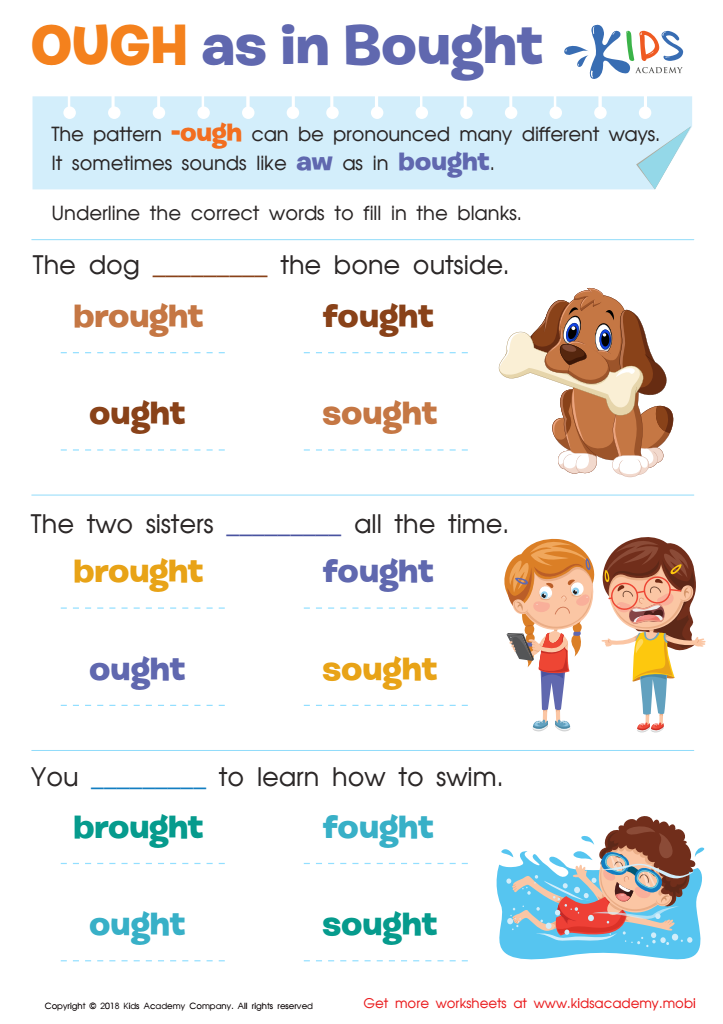
OUGH as in Bought Worksheet
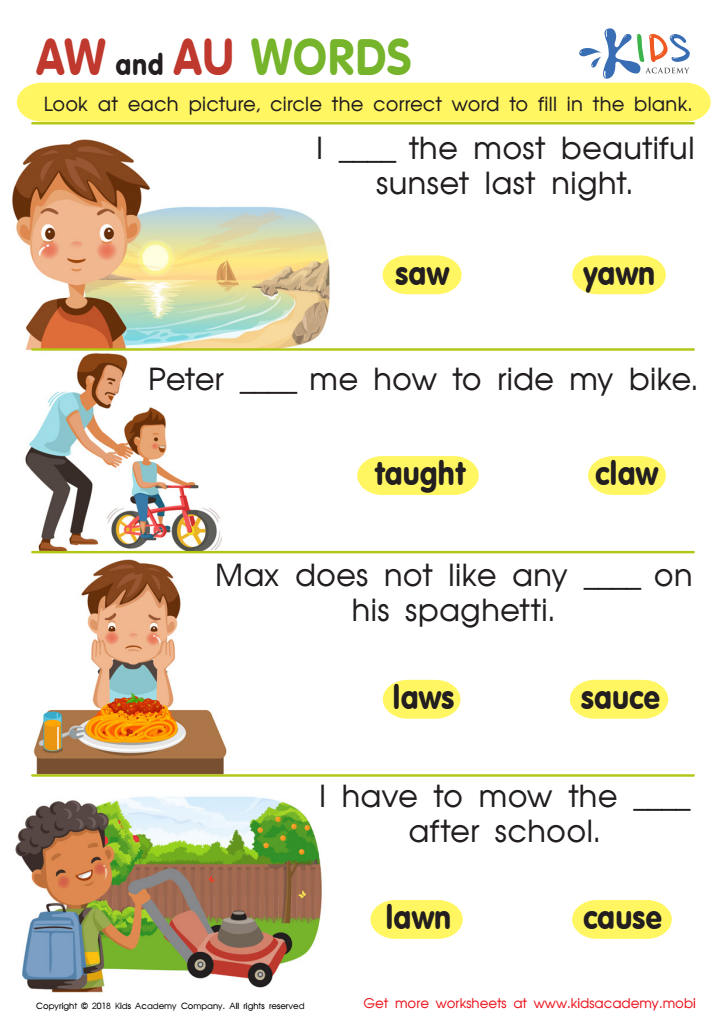
Reading: AW and AU Words Worksheet
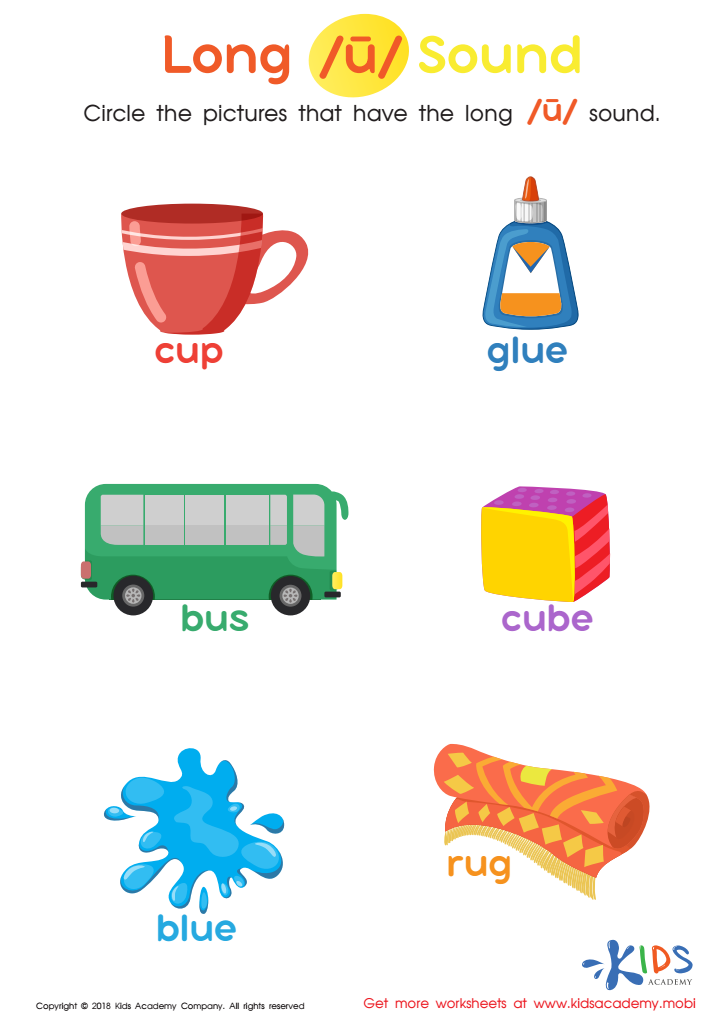
Long «u» Sound Worksheet
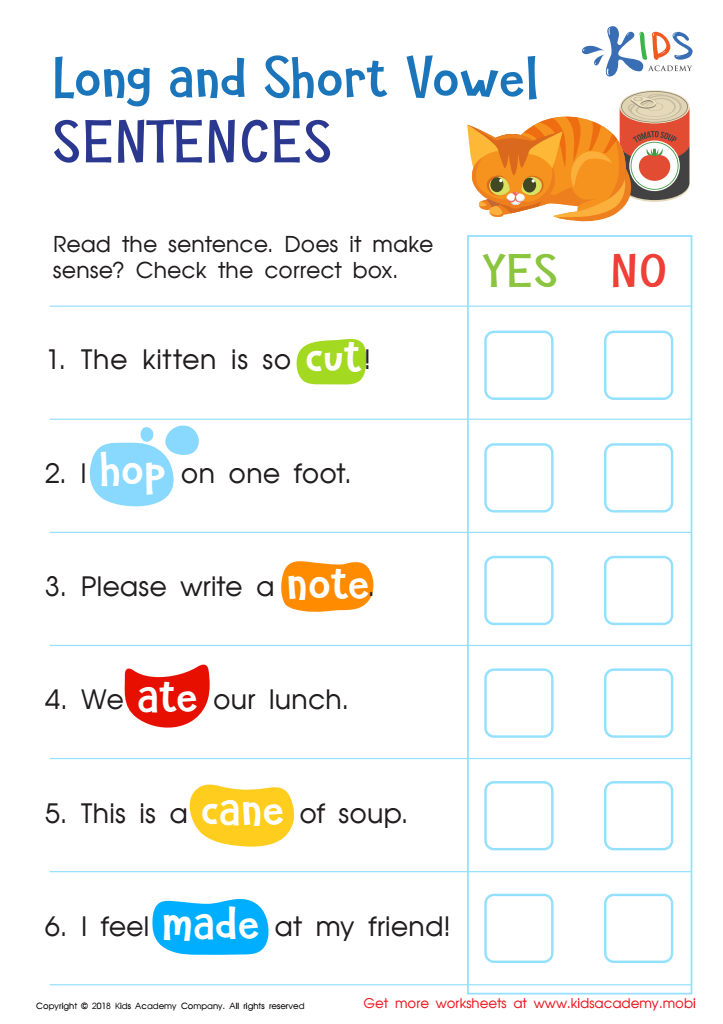
Long and Short Vowel Sentences: Assessment Worksheet
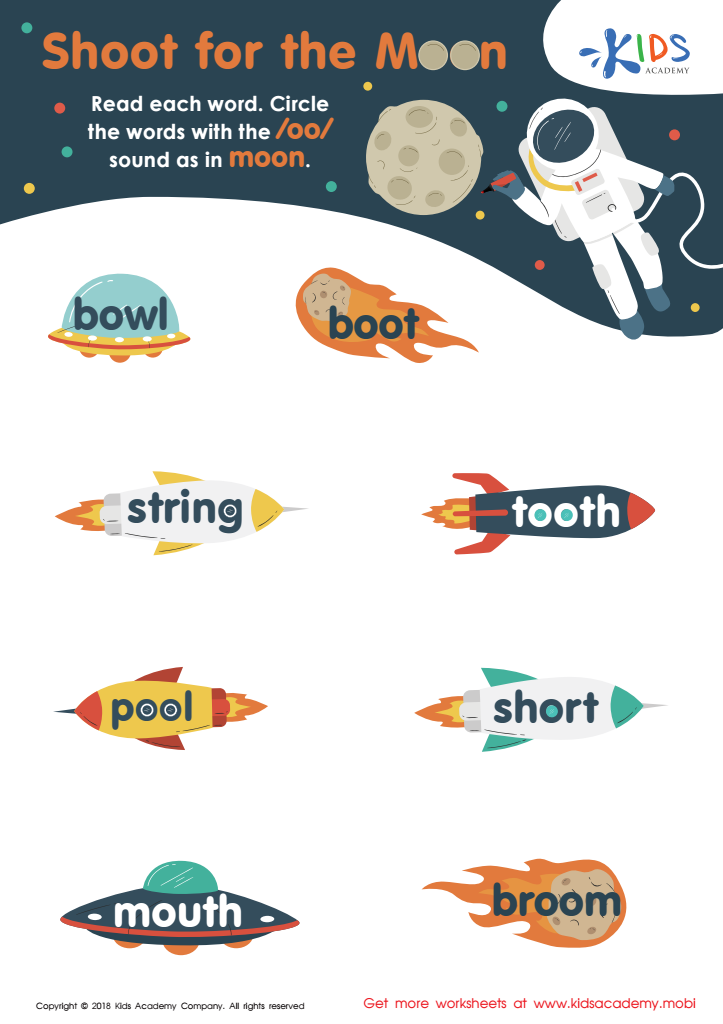
Reading: Shoot for the Moon Worksheet
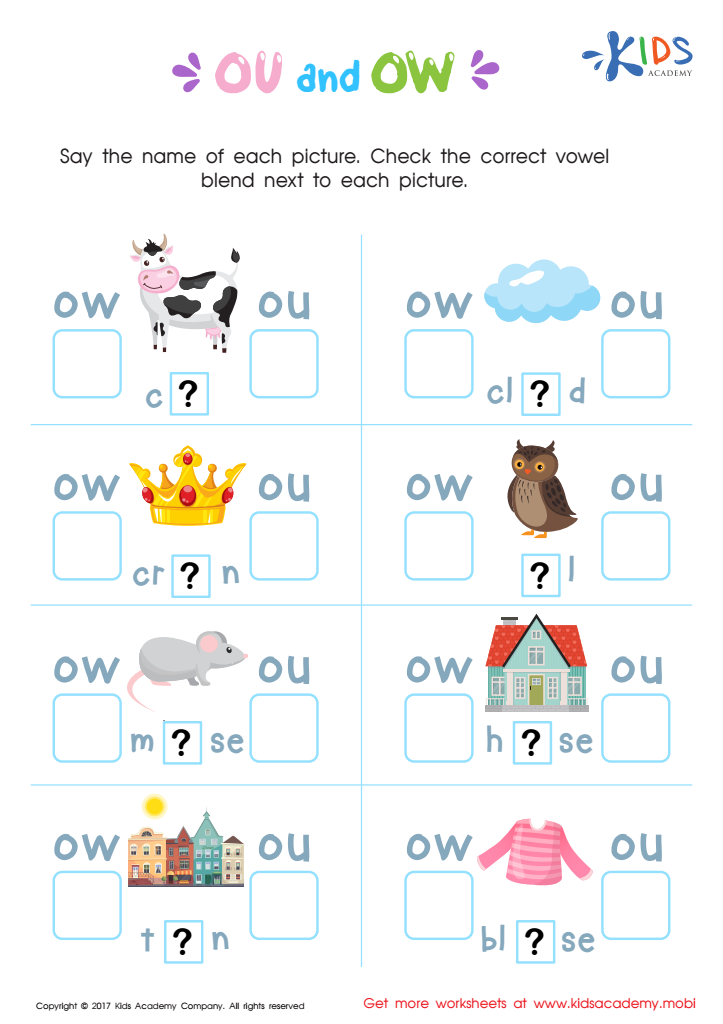
OU and OW Words Worksheet
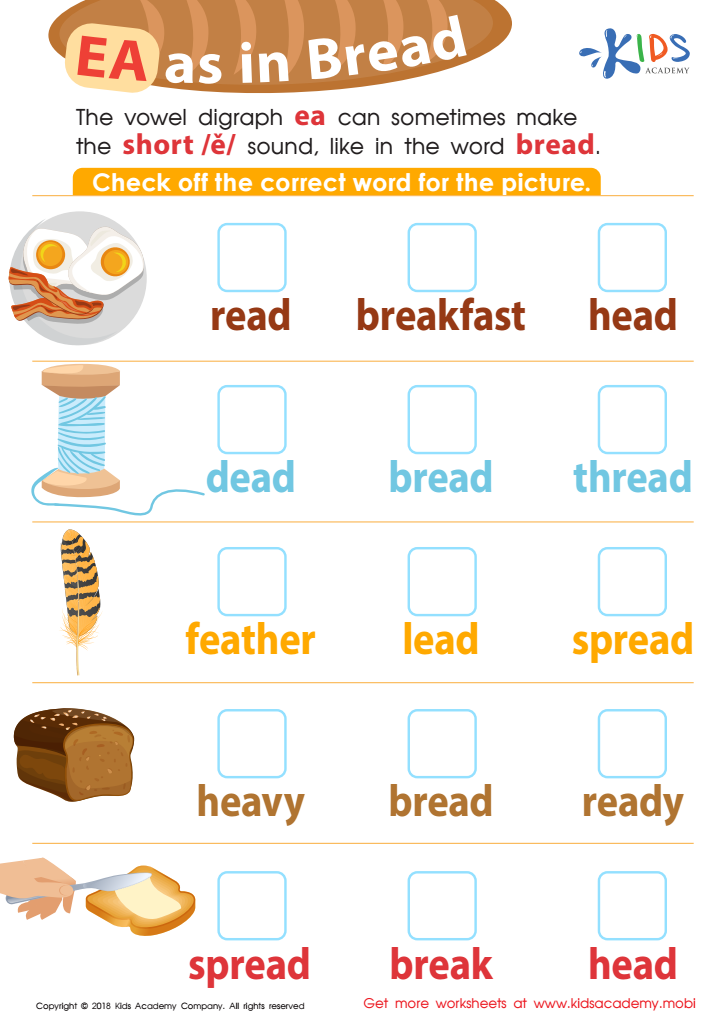
Reading: EA as in Bread Worksheet
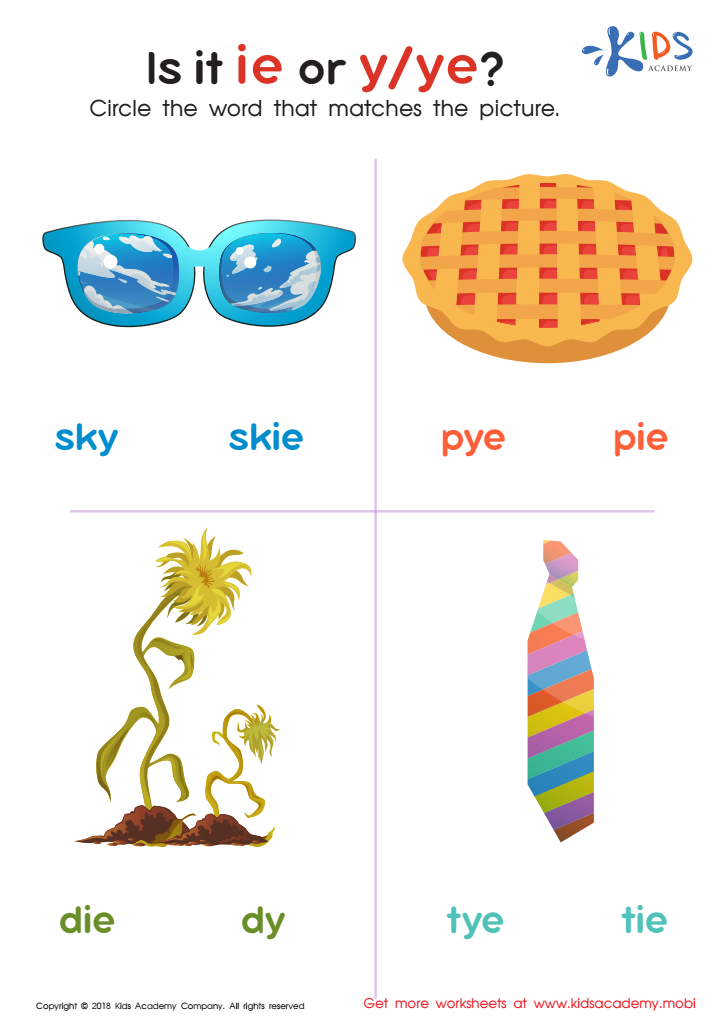
Is It IE or Y/Ye? Worksheet

Long and Short E Worksheet
 Assign to My Students
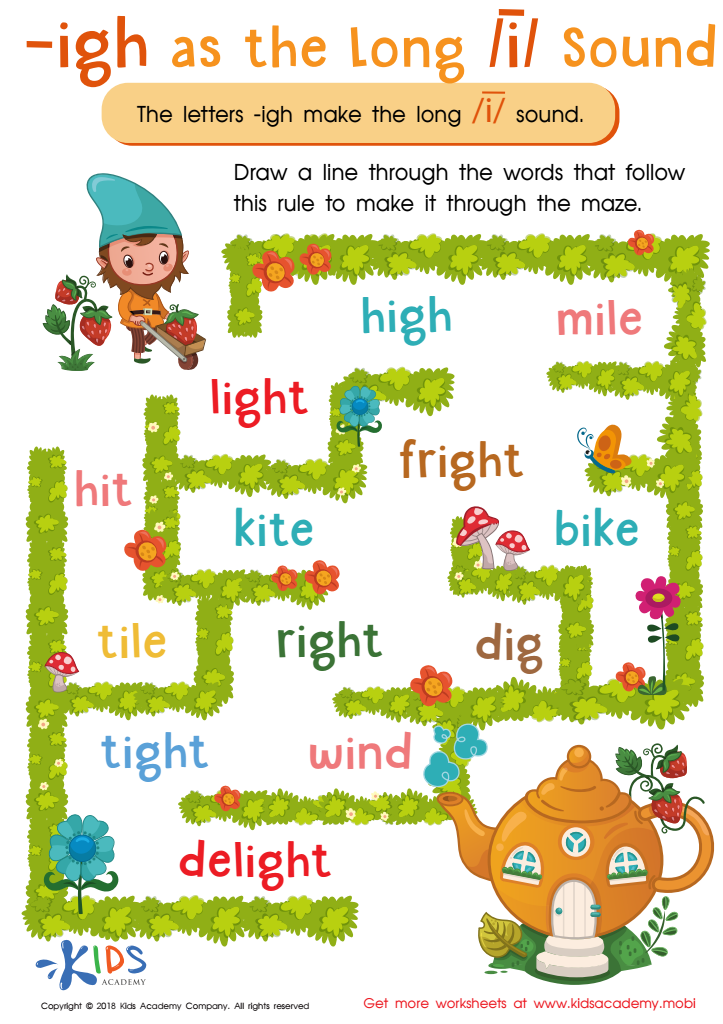
Reading: IGH as Long I Worksheet
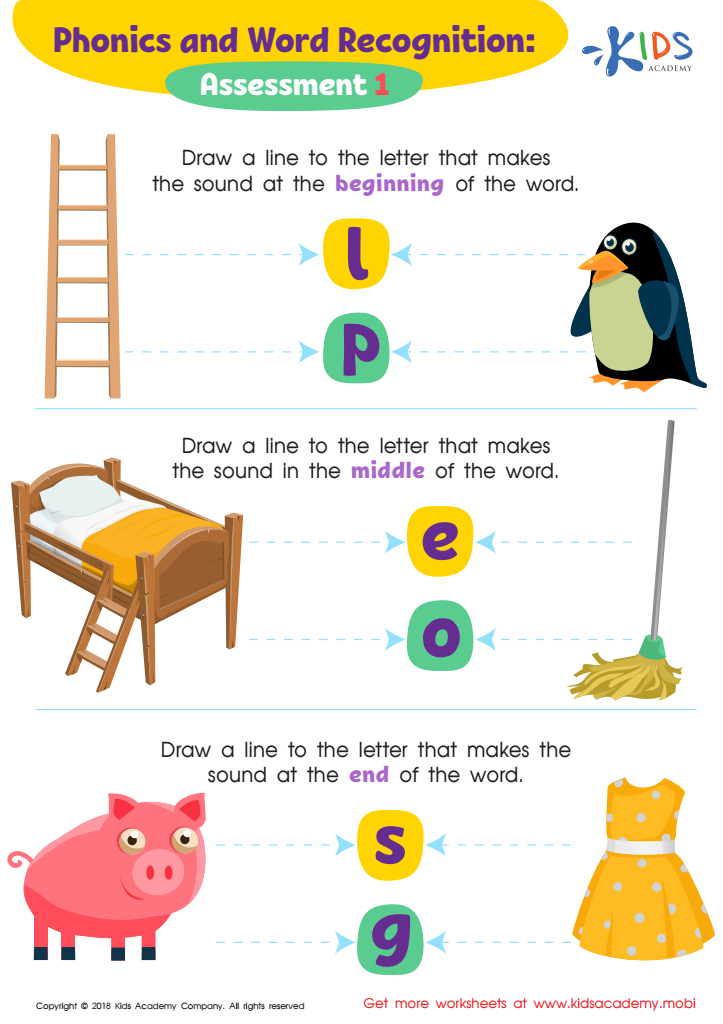
Phonics and Word Recognition: Assessment 1 ELA Worksheet





Reading comprehension involves understanding, interpreting, and engaging with text, making it a critical skill for children aged 4-9. Parents and teachers should prioritize normal vowels in reading instruction as they serve as the building blocks for early literacy. Mastering normal vowels—'a,' 'e,' 'i,' 'o,' and 'u'—allows children to decode words, which is essential for fluent reading.
At this stage, children are developing phonemic awareness, and recognizing vowel sounds greatly aids in sounding out new words. This foundational skill transcends mere decoding; it fosters children's ability to comprehend texts, enabling them to make connections and draw inferences from stories. A strong grasp of vowels helps children understand word families and spelling, reinforcing their overall literacy.
Additionally, reading comprehension supports academic success across subjects. As they progress, children will encounter increasingly complex texts that require critical thinking and analysis. Without a solid understanding of vowel sounds, children may struggle, leading to frustration and disinterest in reading. By ensuring that young learners comprehend and can manipulate normal vowels, we empower them to become confident readers, enhancing their cognitive development and fostering a lifelong love of learning. Parents and teachers play a crucial role in nurturing these essential early skills.