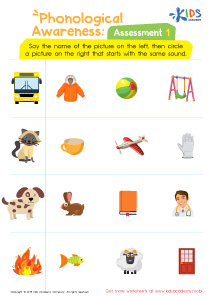
Word Recognition Normal Vowels Worksheets for Ages 4-9
6 filtered results
-
From - To
Boost your child’s reading skills with our Word Recognition Normal Vowels Worksheets for ages 4-9. These fun and engaging worksheets are designed to help young learners easily identify and pronounce common vowel sounds, paving the way for strong reading foundations. Each worksheet features a variety of interactive activities, including matching, fill-in-the-blank, and word sorting, to keep your child entertained while they learn. Perfect for both classroom and home use, our printable resources align with elementary curriculums and cater to different learning styles. Enhance your child's literacy journey today with these effective and enjoyable worksheets!
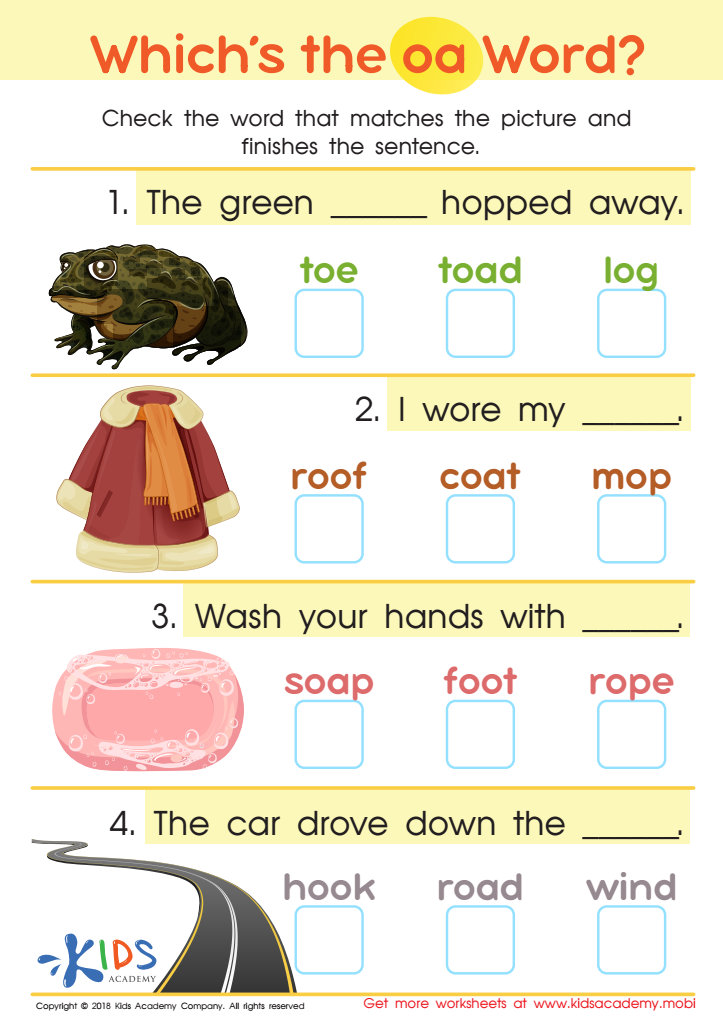
Which's the OA Word? Worksheet
 Assign to My Students
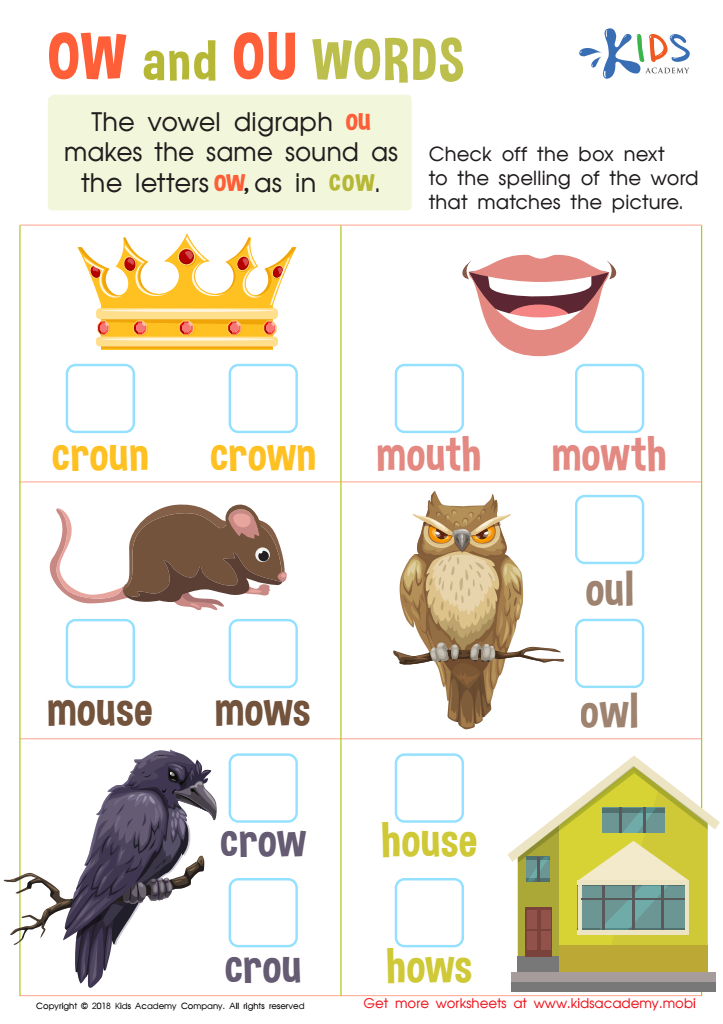
Reading: OW and OU Words Worksheet
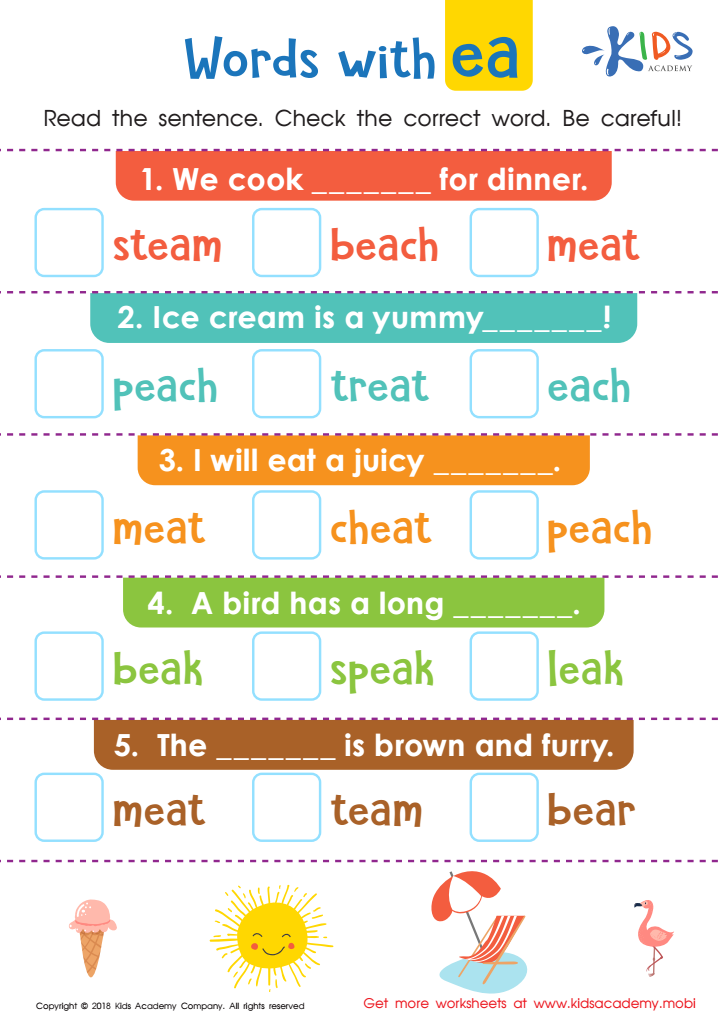
Words with ea Worksheet
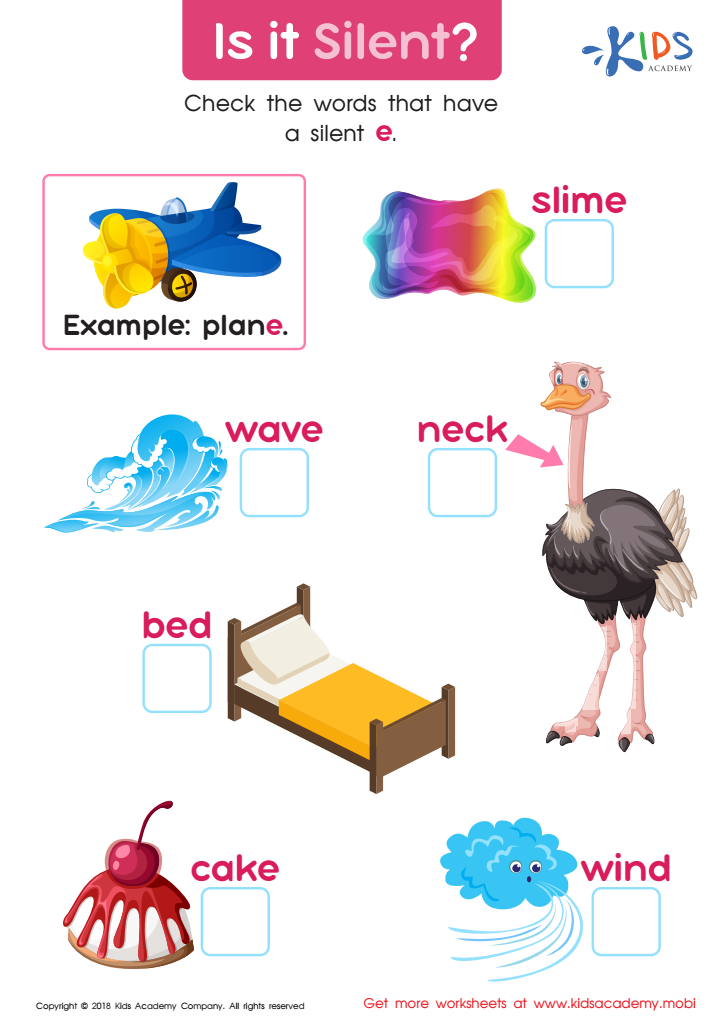
Is It Silent? Worksheet
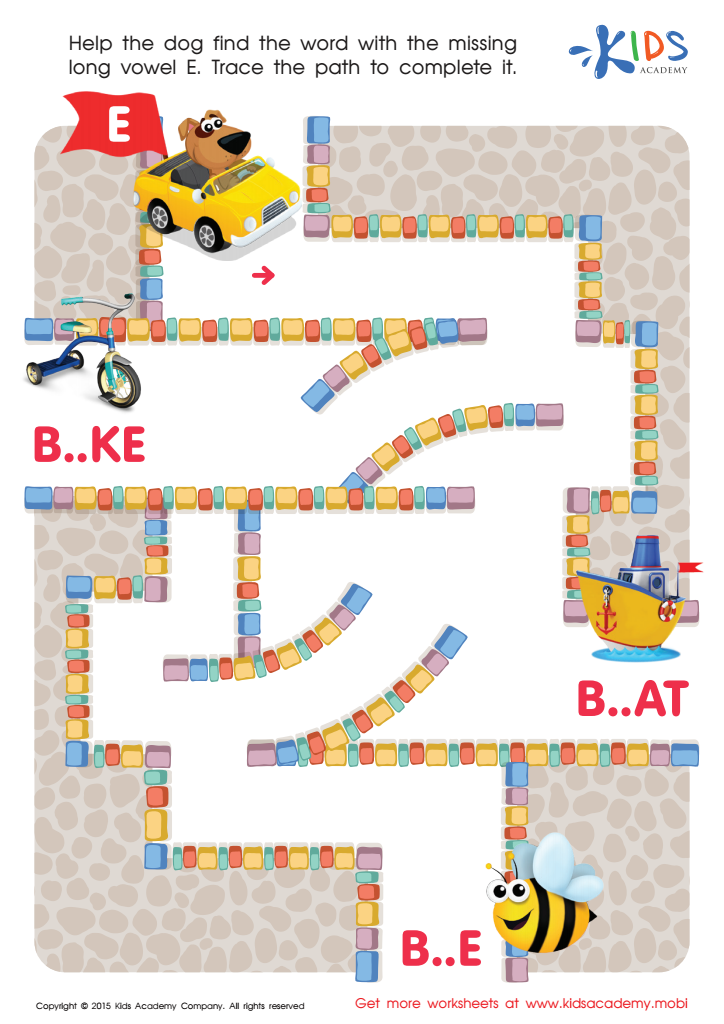
Long Vowel Sound E Worksheet
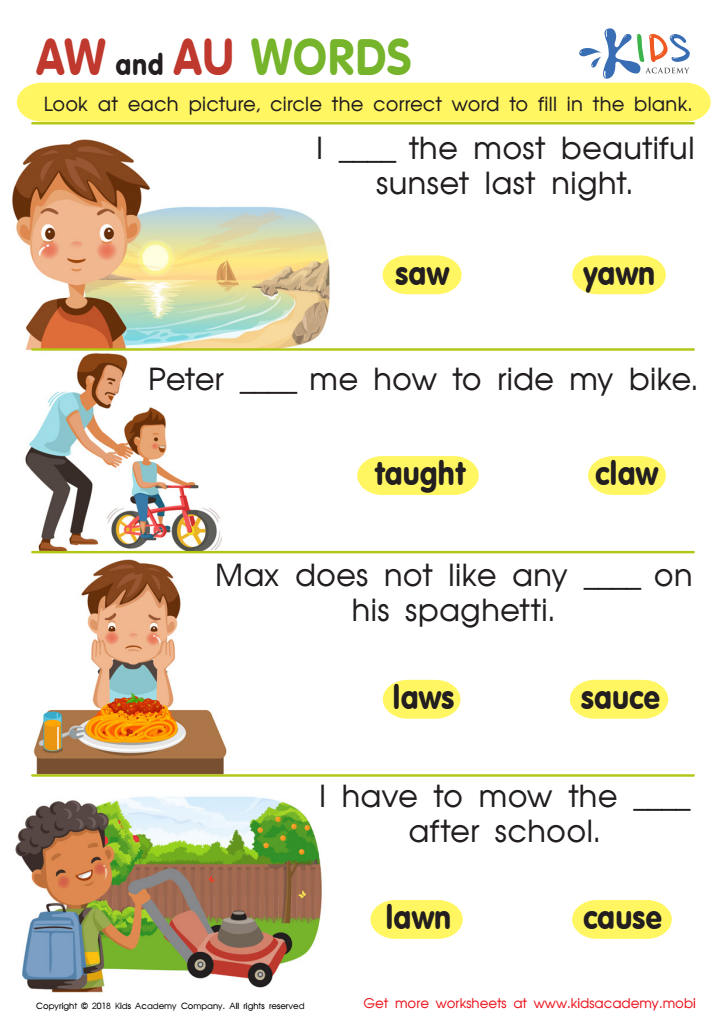
Reading: AW and AU Words Worksheet





Word recognition and understanding of normal vowels is crucial for children aged 4-9, as it forms the foundation of their reading and language skills. During these early years, children are in a critical period of developing phonemic awareness, which is the ability to hear, identify, and manipulate individual sounds in words. This awareness is closely linked to their ability to decode words effectively.
Normal vowels are the sounds that vowels typically make in a language which are essential for accurately pronouncing and understanding words. Learning these vowel sounds helps children discern differences between similar-sounding words, aids in spelling, and enhances their overall phonological processing.
Parents and teachers should prioritize this area of learning because proficiency in word recognition can significantly impact a child’s literacy development. Children who struggle with word recognition often face challenges in reading fluency, comprehension, and may subsequently fall behind their peers academically. Conversely, strong word recognition skills contribute to reading confidence and enthusiasm for learning, creating a positive feedback loop that encourages more extensive practice and exposure to new vocabulary.
Ultimately, focusing on word recognition and normal vowels equips children with essential tools for academic success and effective communication, setting them up for lifelong learning and literacy.