Alphabet Recognition Normal Worksheets for Ages 4-9 - Page 2
44 filtered results
-
From - To
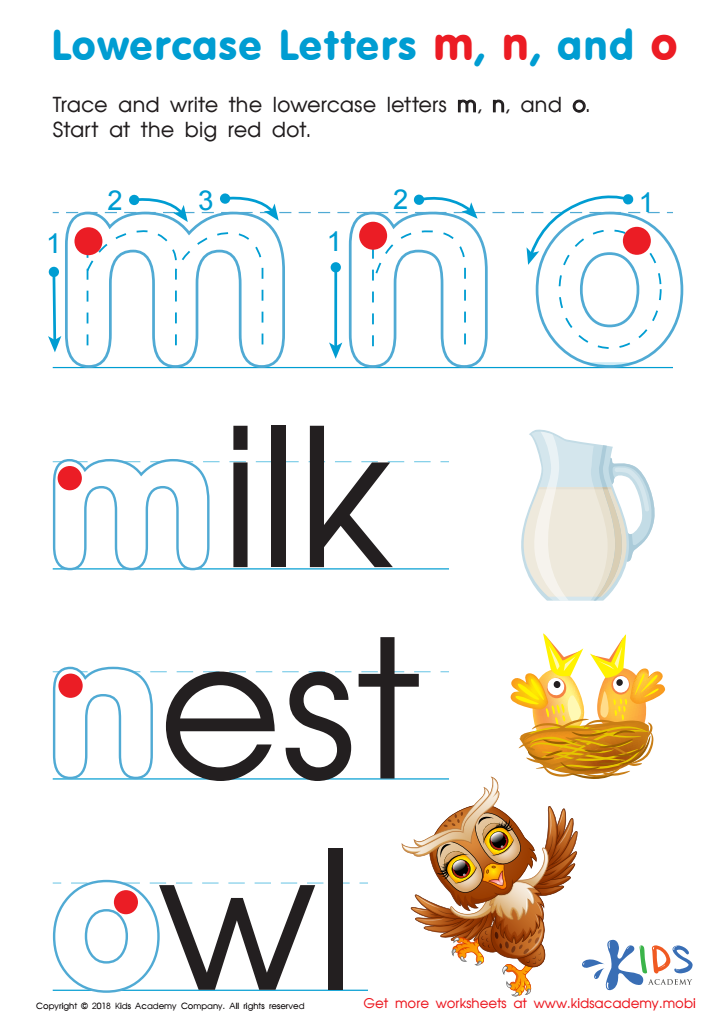
Lowercase Letters m n o Worksheet
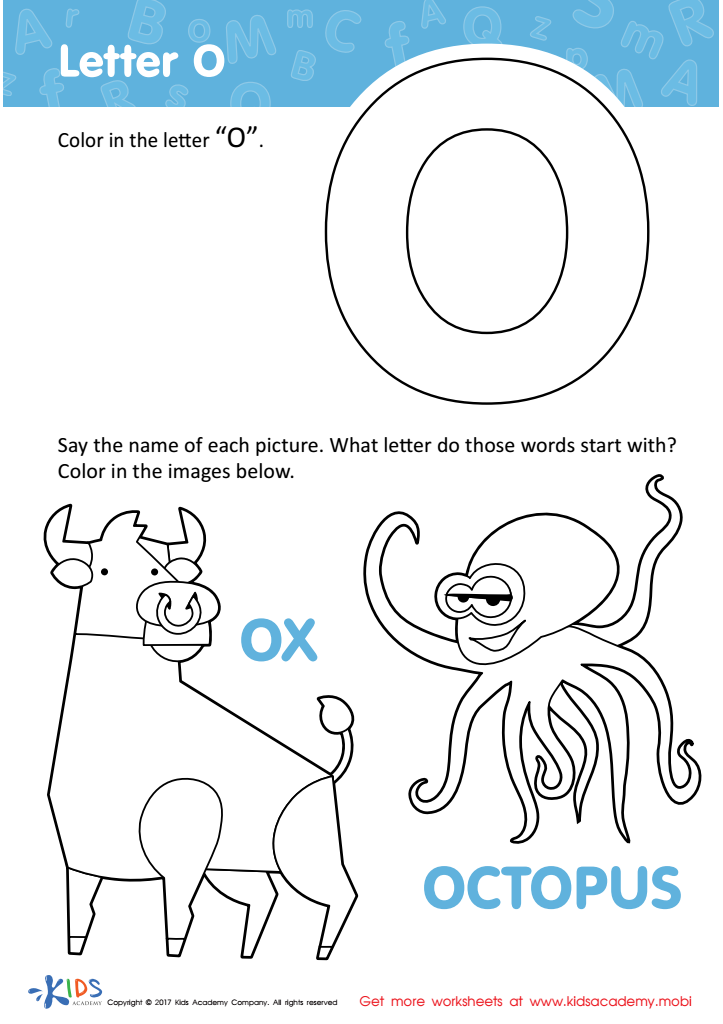
Letter O Coloring Sheet
 Assign to My Students
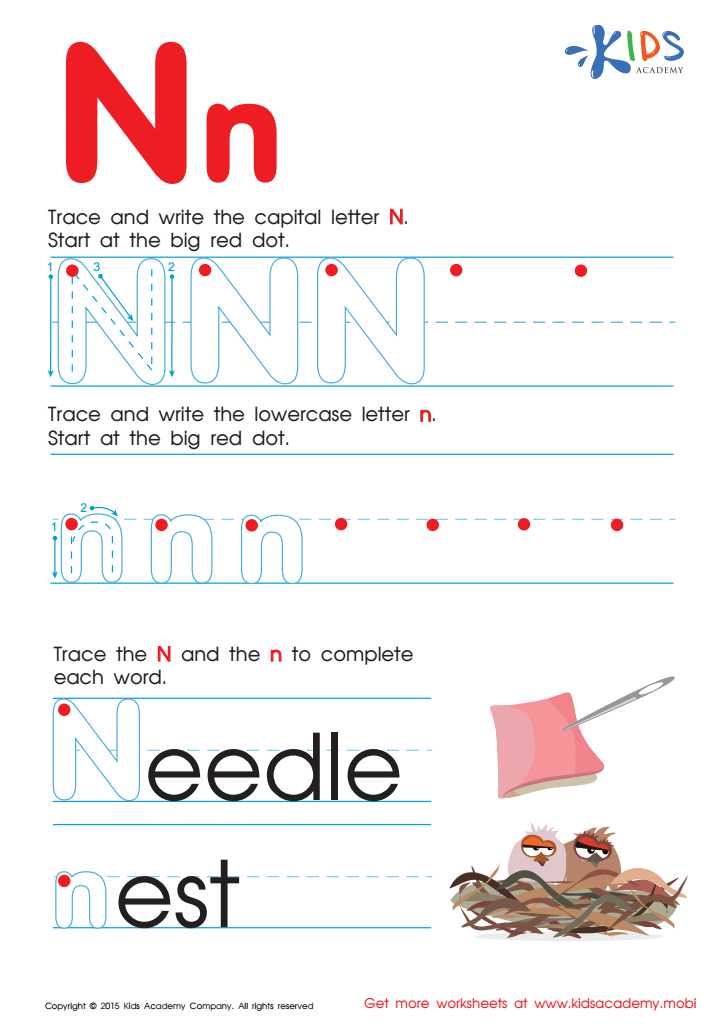
Letter N Tracing Page
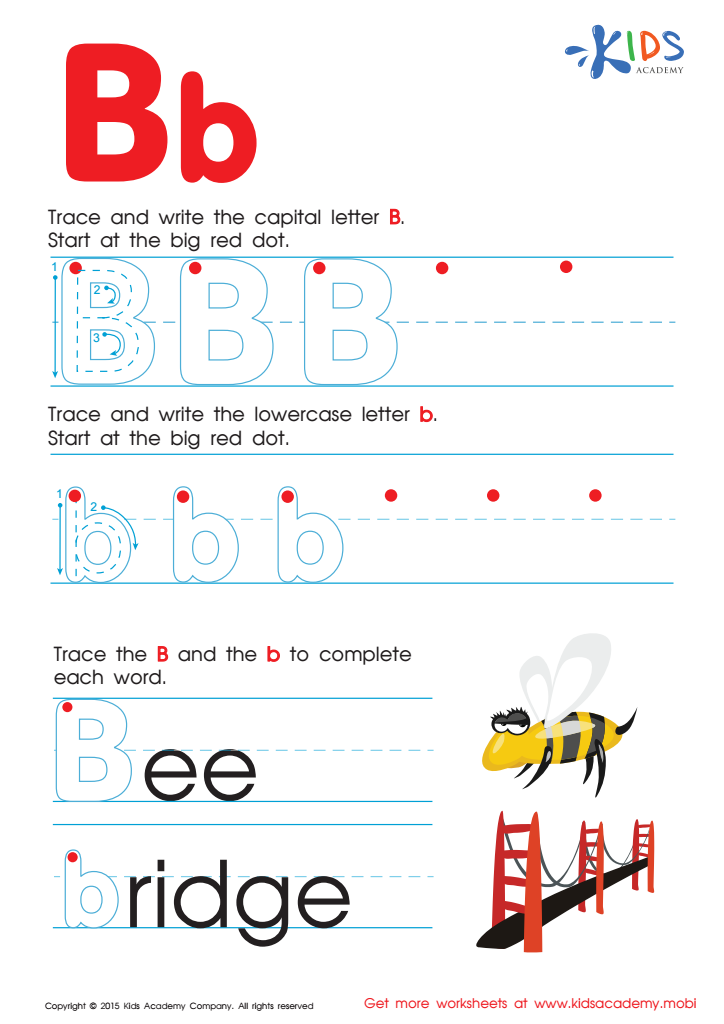
Letter B Tracing Page
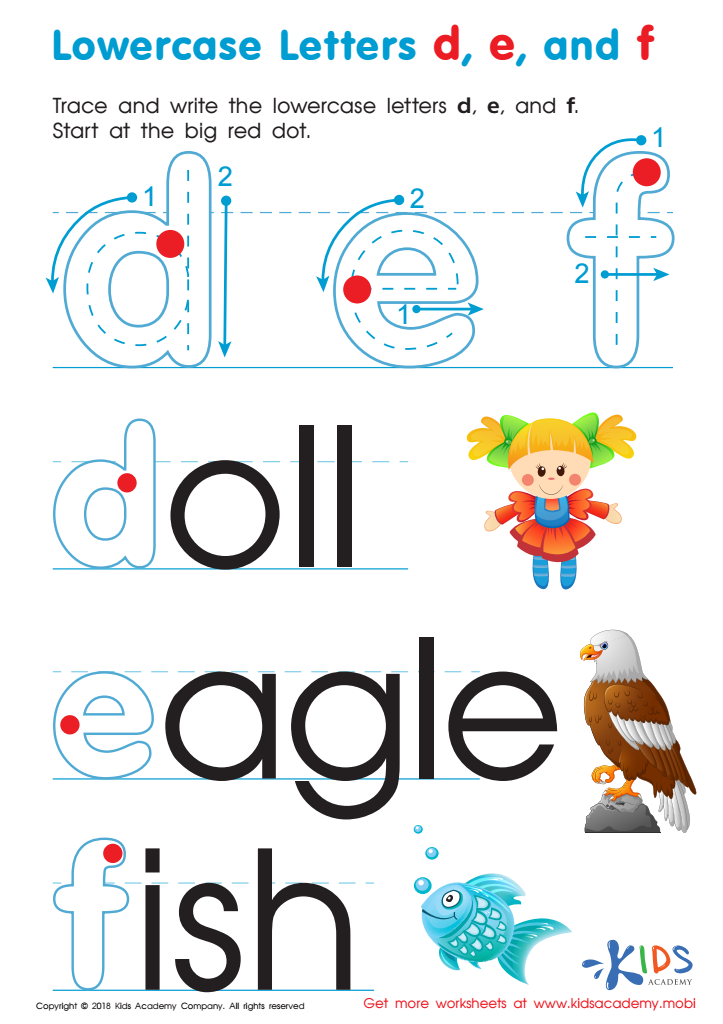
Lowercase Letters d e f Worksheet
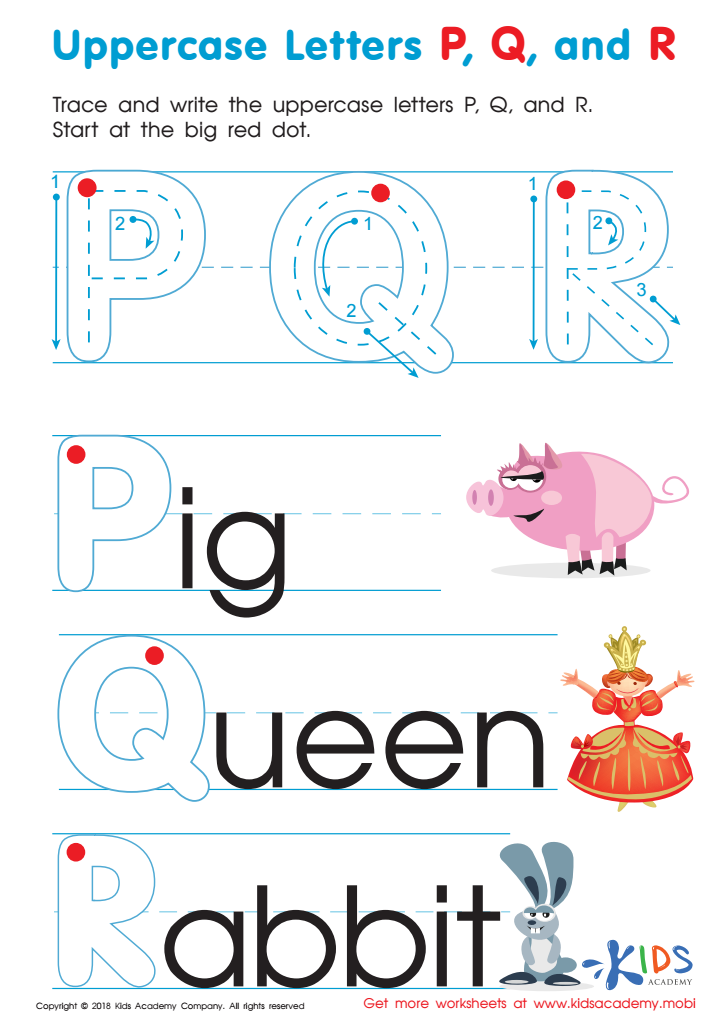
Uppercase Letters P, Q, and R Worksheet
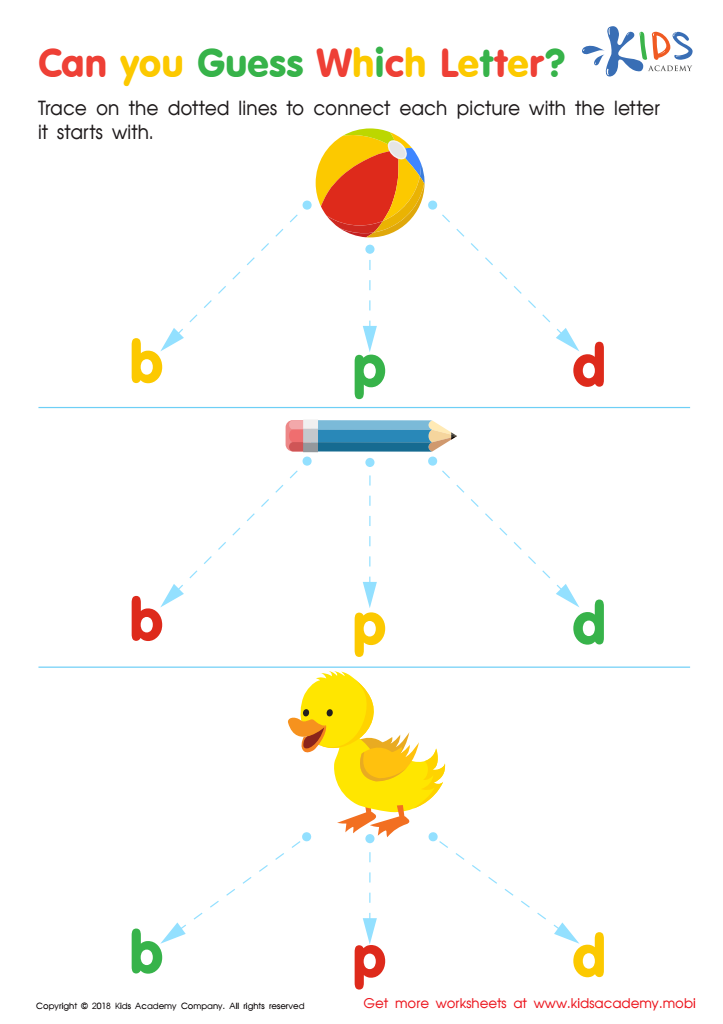
Can you Guess Which Letter? Worksheet
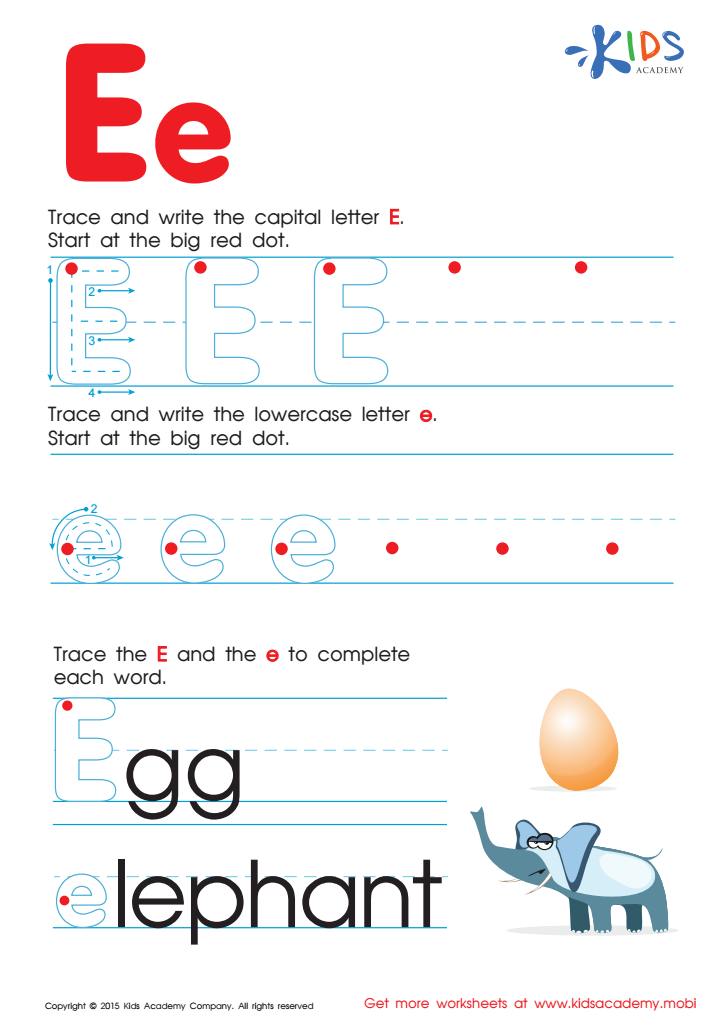
Letter E Tracing Page
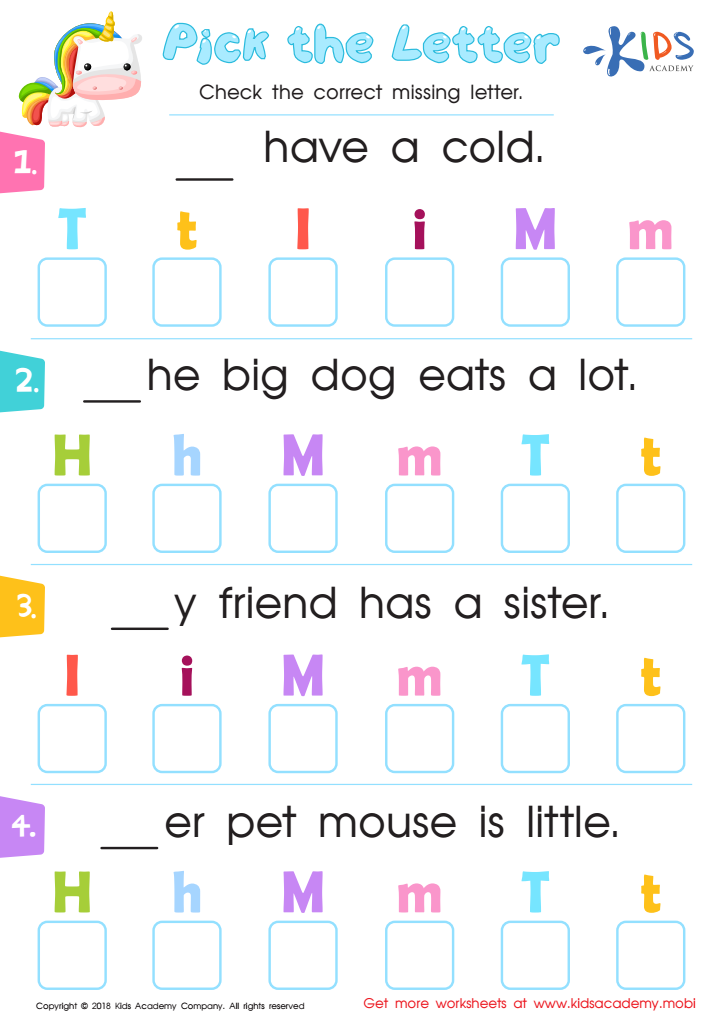
Pick the Letter Worksheet
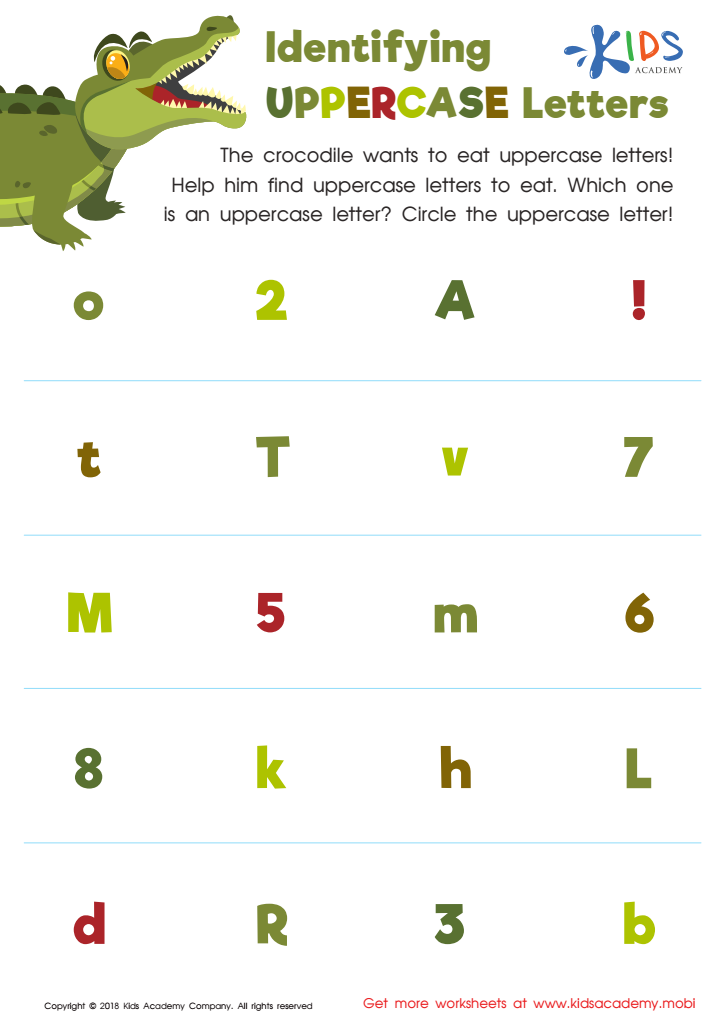
Identifying Uppercase Letters Worksheet
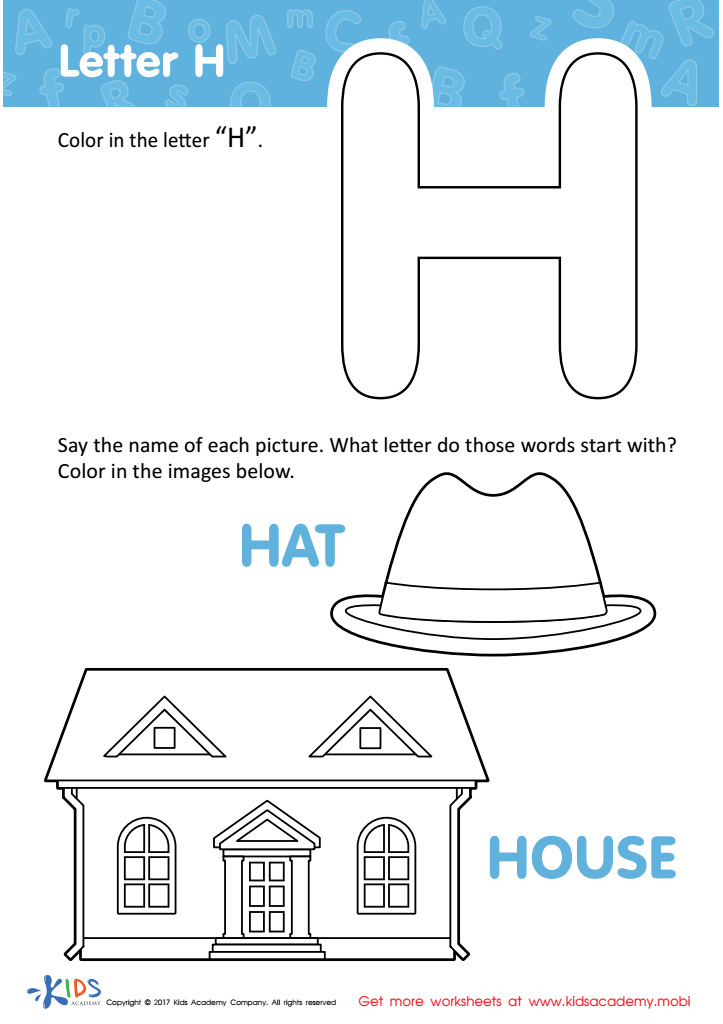
Letter H Coloring Sheet
Assign to My Students
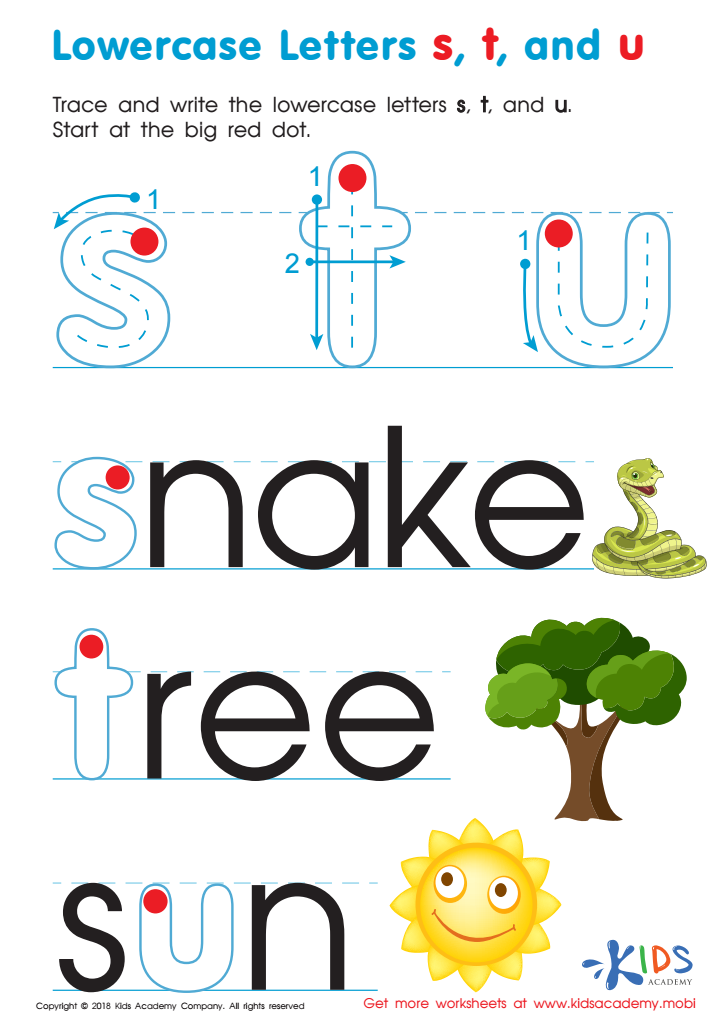
Lowercase Letters s t u Worksheet
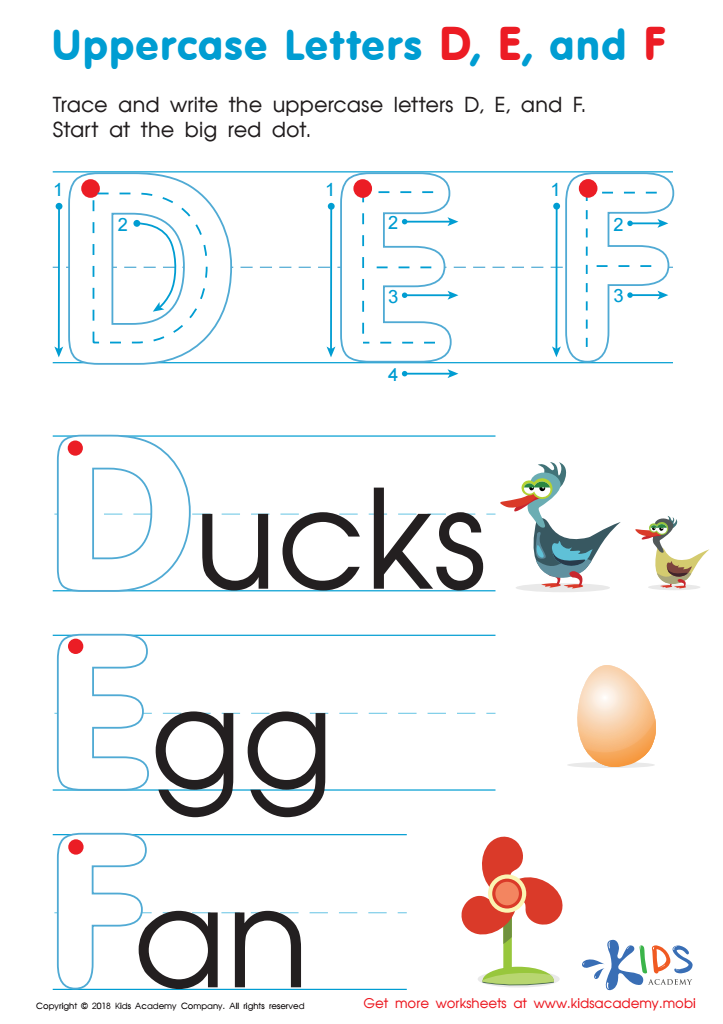
Uppercase Letters D, E, and F Worksheet
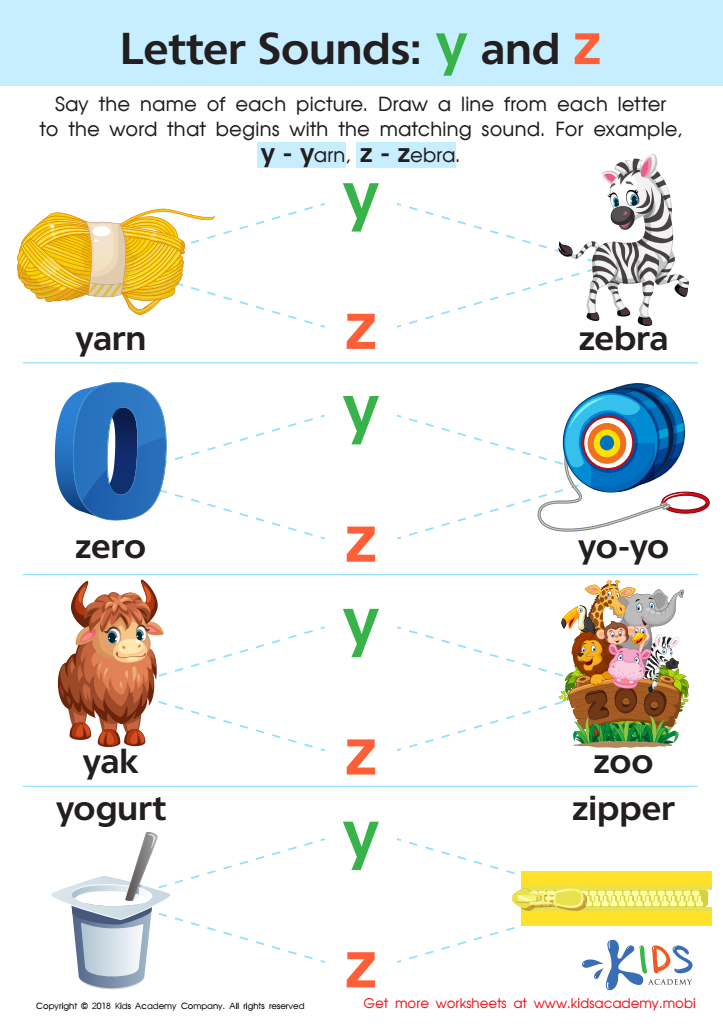
Letter Y and Z Sounds Worksheet
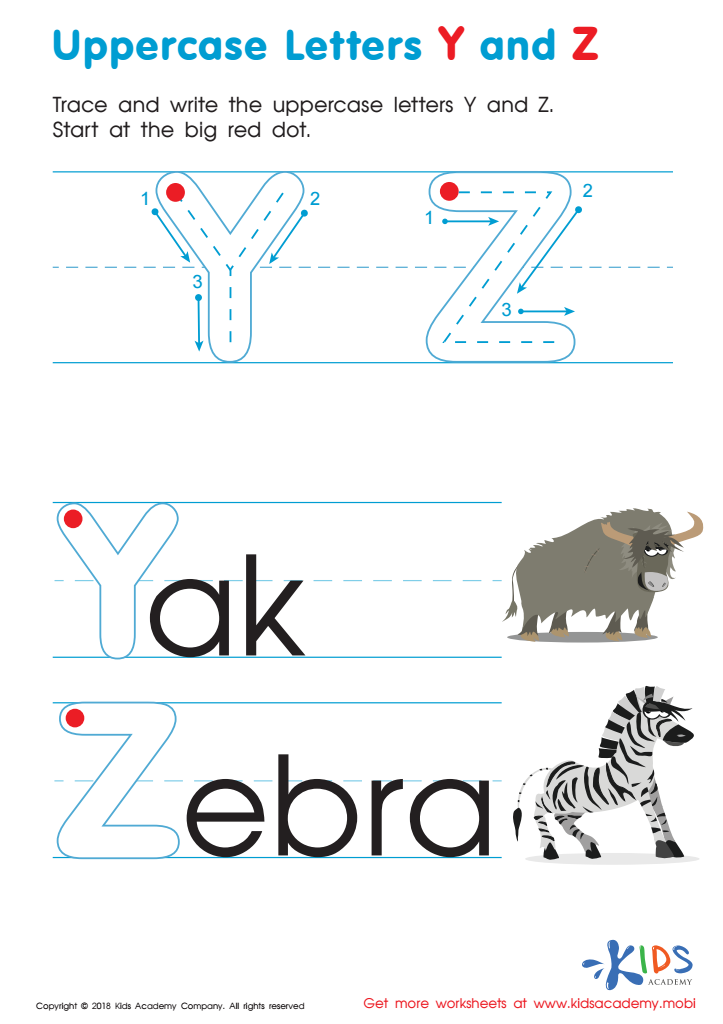
Uppercase Letters Y Z Worksheet
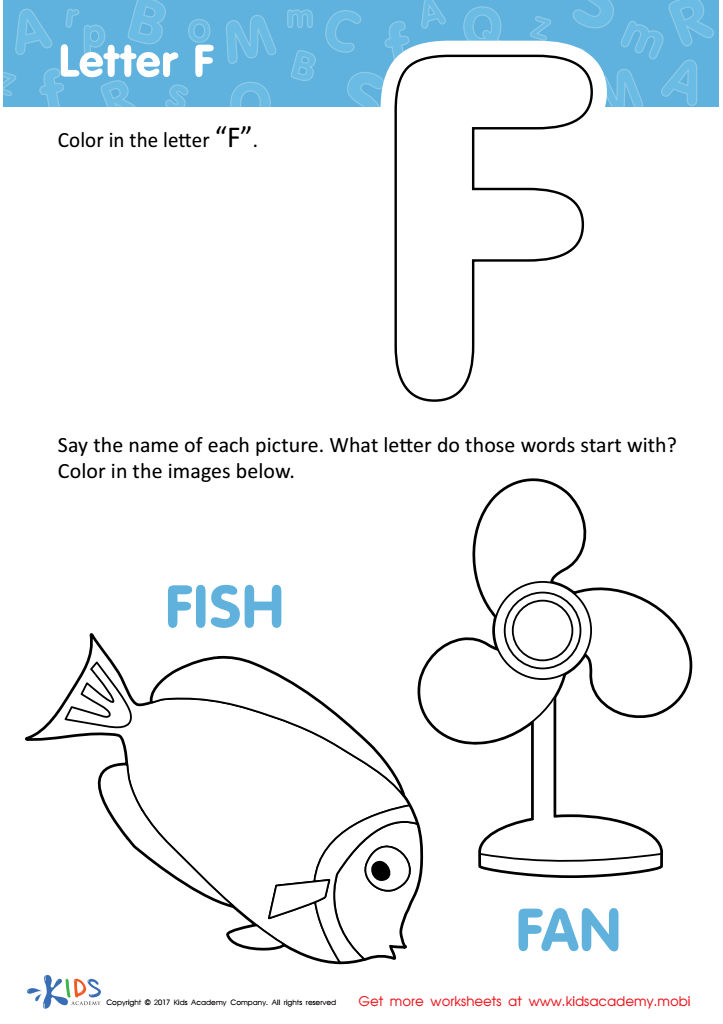
Letter F Coloring Sheet
Assign to My Students
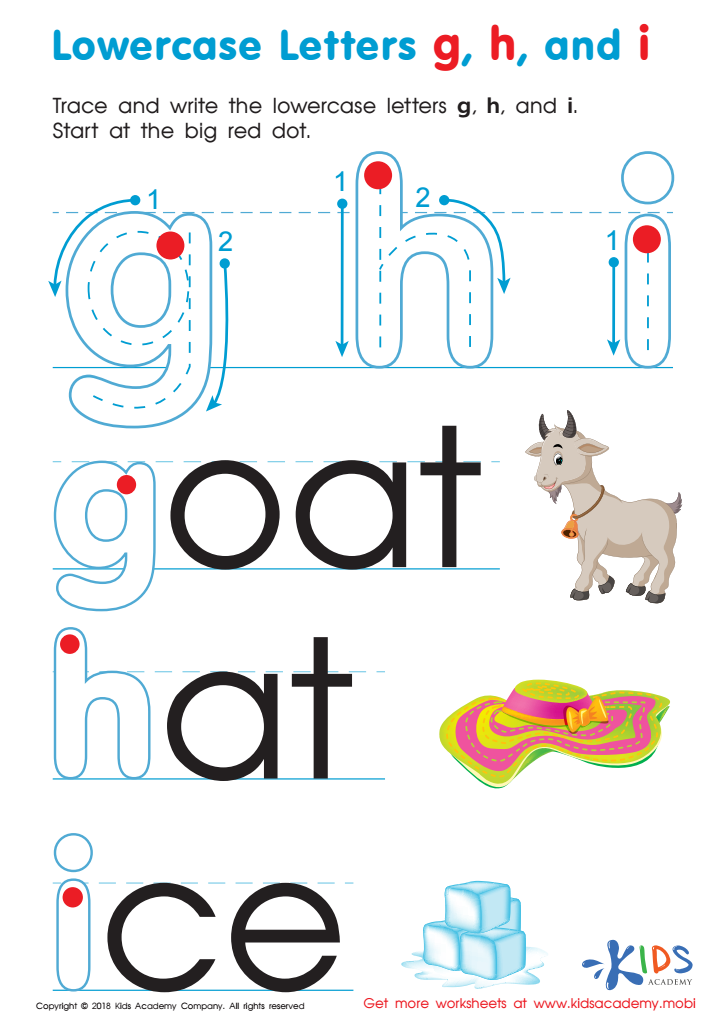
Lowercase Letters g h i Worksheet
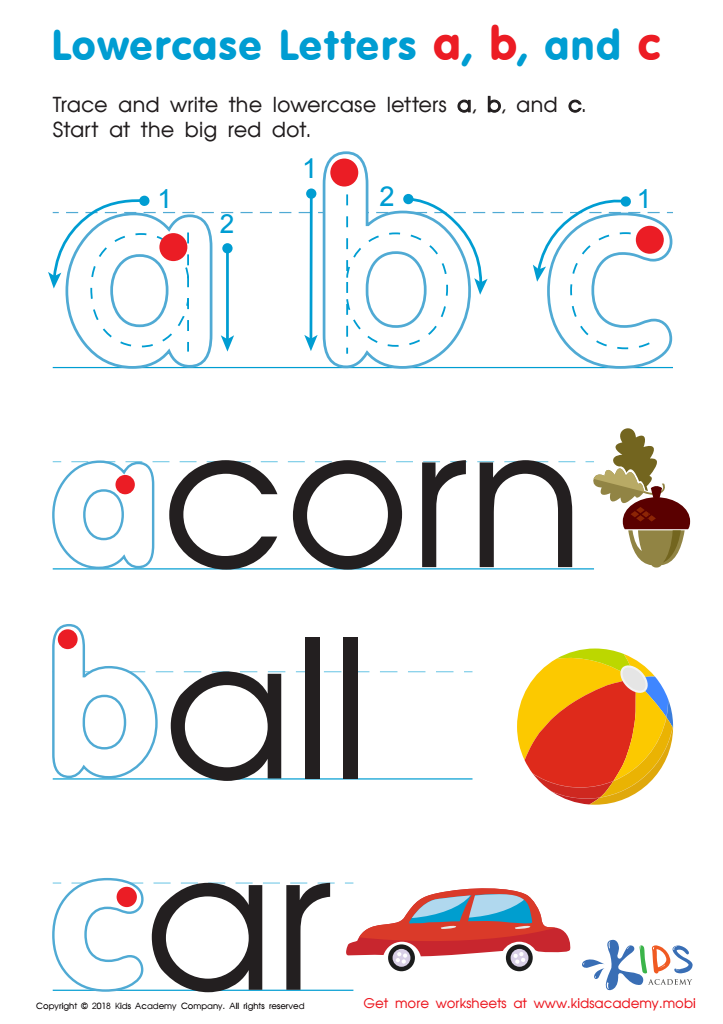
Lowercase Letters a b c Worksheet
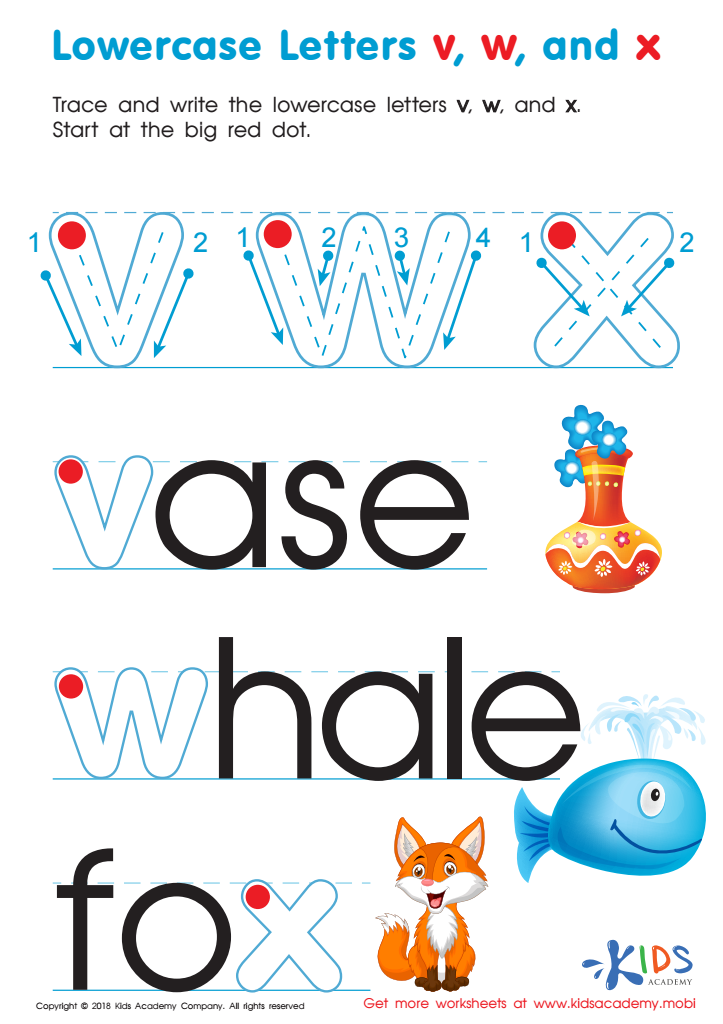
Lowercase Letters v w x Worksheet
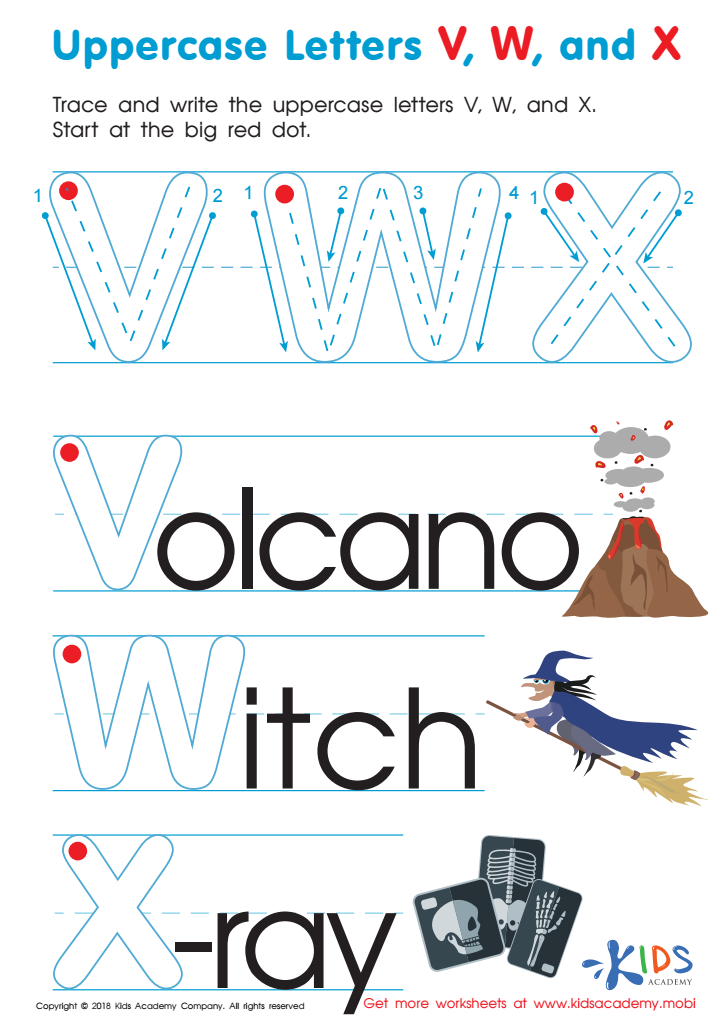
Uppercase Letters V, W, and X Worksheet








Alphabet recognition is a foundational skill crucial for children aged 4-9 as it serves as the gateway to literacy. Parents and teachers should prioritize this developmental milestone because it establishes the basis for reading and writing abilities. When children can accurately recognize and name letters, they are well-equipped to learn corresponding sounds, which is essential for phonemic awareness—the understanding that words are made up of individual sounds. This skill is a predictor of future reading success.
Moreover, alphabet recognition enhances cognitive development by fostering memory, concentration, and problem-solving skills. Young learners with strong alphabet knowledge are often more confident when they encounter new words, making the learning process smoother and more enjoyable. Additionally, early mastery of the alphabet encourages a positive attitude toward reading, setting up a lifetime of potential academic and personal growth.
In the classroom, children benefit from differentiated instruction that accommodates varying levels of progress. Understanding a child's proficiency in alphabet recognition allows teachers to tailor lessons effectively, ensuring that each student receives the appropriate level of support.
In summary, parents and teachers should focus on alphabet recognition for ages 4-9 because it's a pivotal component of literacy development that impacts a child’s overall learning trajectory and sets the stage for academic achievement and lifelong learning.








