Building vocabulary Normal Worksheets for Ages 4-9
4 filtered results
-
From - To
Our "Building Vocabulary Normal Worksheets for Ages 4-9" are designed to enhance your child's language skills through fun and engaging activities. These worksheets cover various aspects of vocabulary development, including identifying words, understanding meanings, and using words in context. Suitable for early learners, the carefully curated exercises help children expand their vocabulary and boost their reading and writing skills. Each worksheet is tailored to fit within the cognitive abilities of children aged 4-9, ensuring they can follow along and learn comfortably. Give your child a head start in language arts with our expertly crafted vocabulary worksheets!
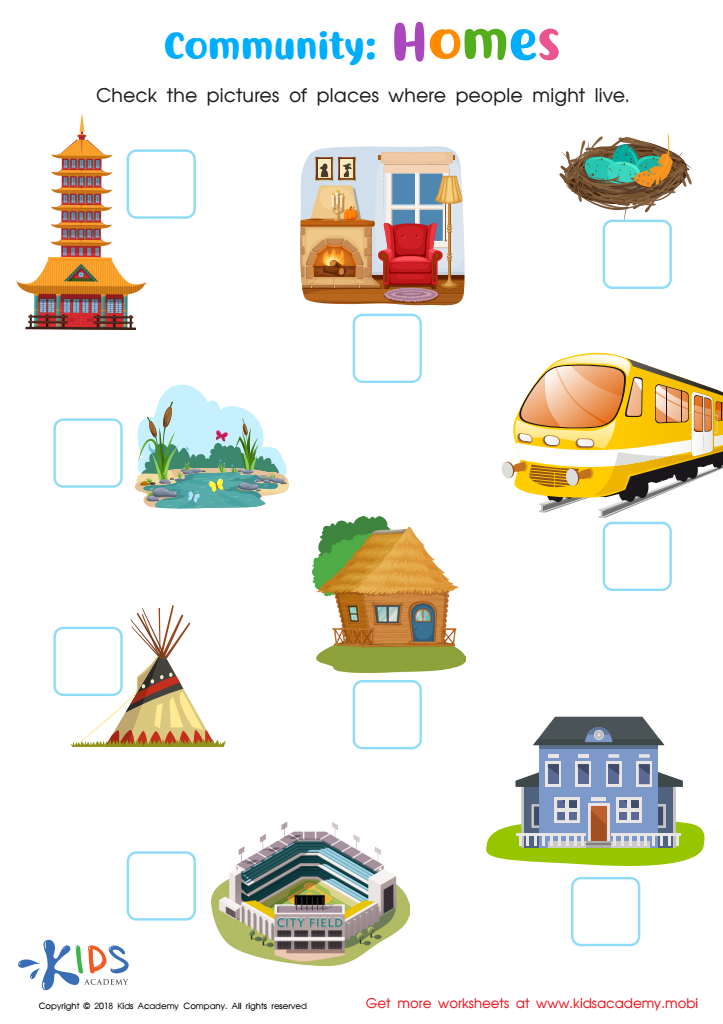
Community: Homes Worksheet
 Assign to My Students
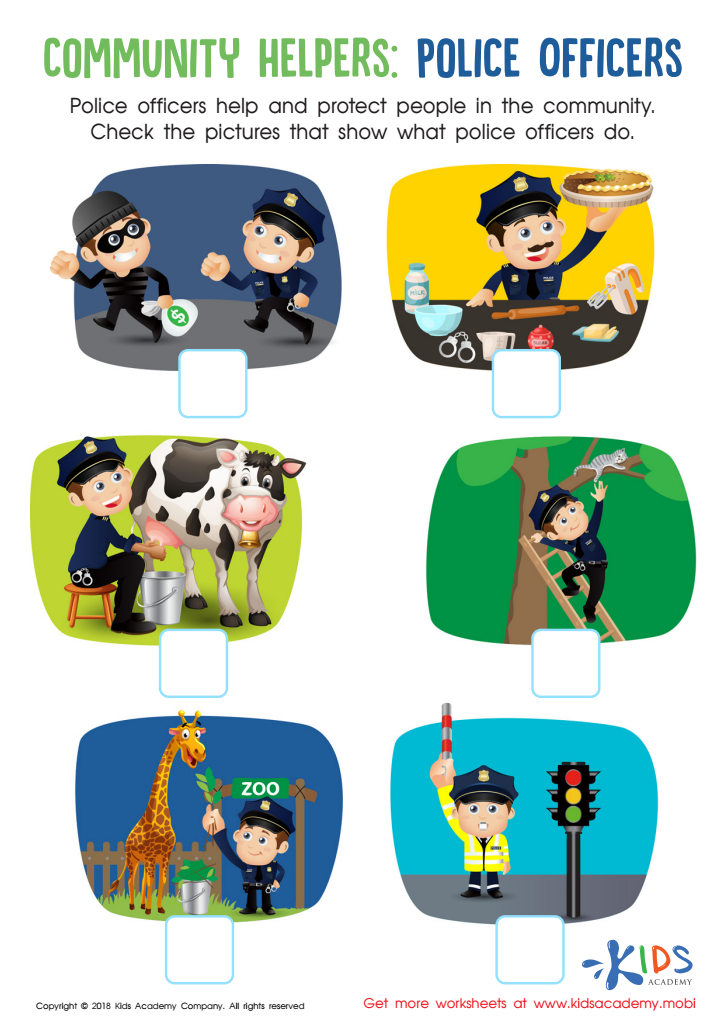
Police Officers Community Helpers Worksheet
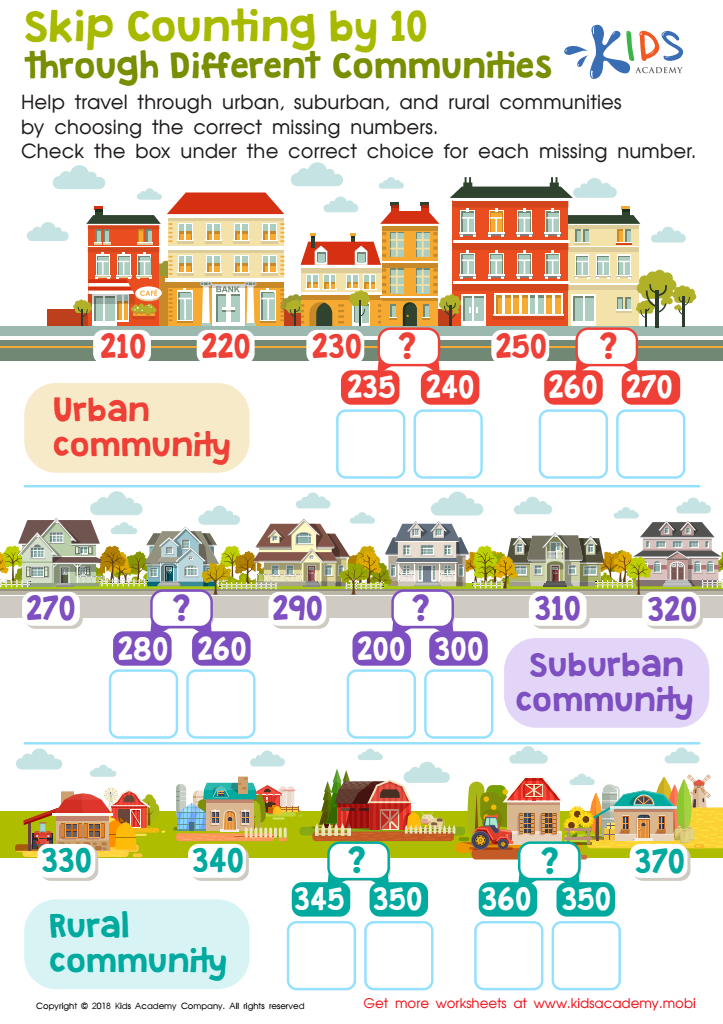
Skip Counting by 10 through Different Communities Worksheet
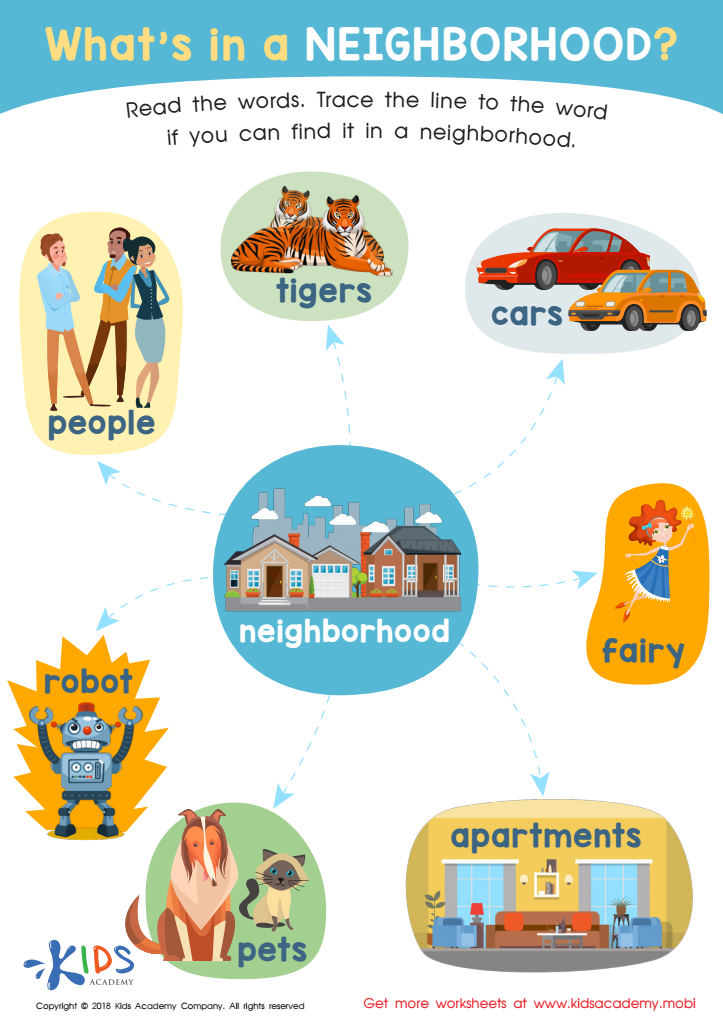
What's in a Neighborhood? Worksheet






.jpg)

Building vocabulary for children ages 4-9 is crucial for their overall development and academic success. During these formative years, children's brains are highly receptive to acquiring language skills, which serve as the foundation for reading, writing, and learning across all subjects. A robust vocabulary equips children with the words they need to express their thoughts, emotions, and ideas clearly and effectively. This enhanced ability to communicate fosters better social interactions and emotional resilience.
Moreover, a strong vocabulary is closely linked to reading comprehension. When children understand the meanings of words they encounter in texts, they are more likely to grasp the overall message, infer deeper meanings, and enjoy reading, which in turn improves literacy. Vocabulary growth also aids in cognitive development; as children learn new words, they better understand complex concepts and instructions, which is crucial for problem-solving and critical thinking.
For parents and teachers, investing time and effort in expanding a child's vocabulary can generate long-lasting educational benefits. Activities like reading together, engaging in conversations, and playing word games can make learning new words fun and interactive. In sum, building vocabulary isn't just about learning words; it's about unlocking a world of learning opportunities and fostering a love of language and learning that will serve children well into adulthood.








