Critical thinking enhancement Normal Worksheets for Ages 4-9
4 filtered results
-
From - To
Unlock your child's potential with our "Critical Thinking Enhancement" worksheets designed for ages 4-9. These engaging activities make learning fun while developing essential problem-solving skills. Our diverse set of printable worksheets helps young learners practice logic, reasoning, and decision-making through interactive and age-appropriate challenges. Perfect for both classroom and home use, these resources boost cognitive development and empower children to think independently, analyze situations, and approach tasks with confidence. Support your child's intellectual growth with tools tailored to stimulate curiosity and innovative thinking. Explore our worksheets today and nurture a lifelong love of learning.

Around the Globe Worksheet
 Assign to My Students
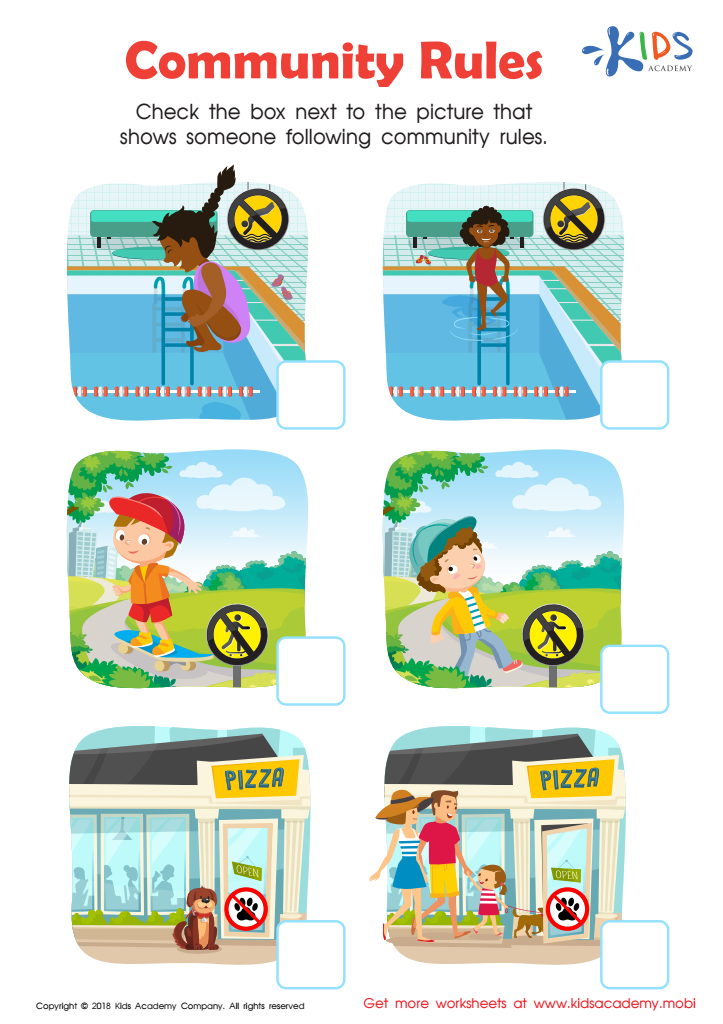
Community Rules Worksheet
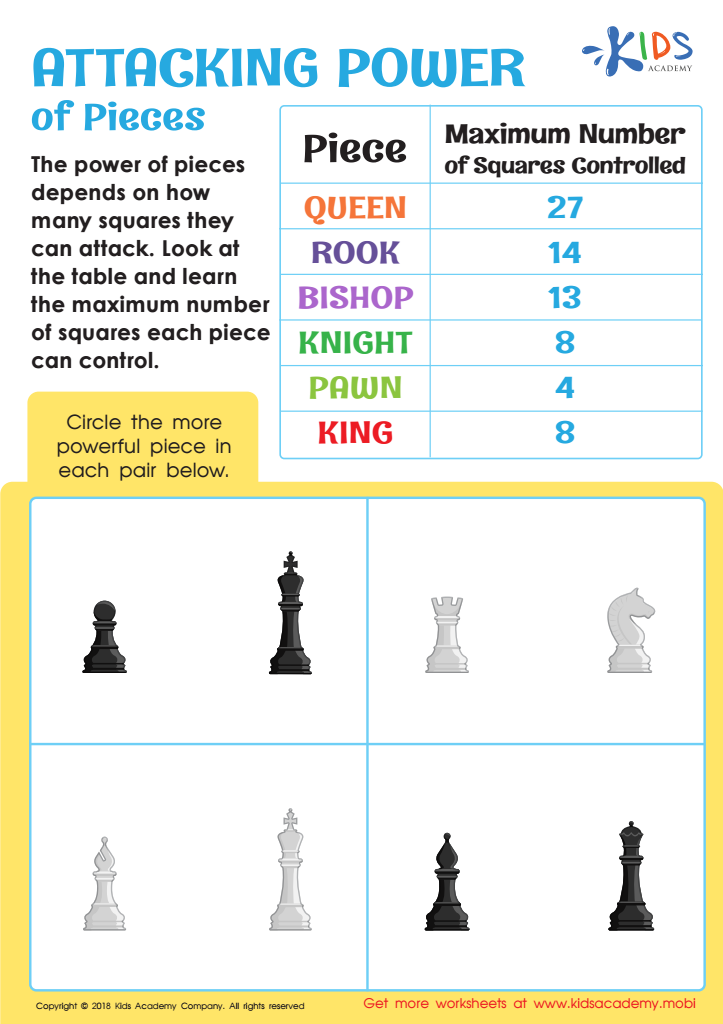
Attacking Power of Chess Pieces Worksheet
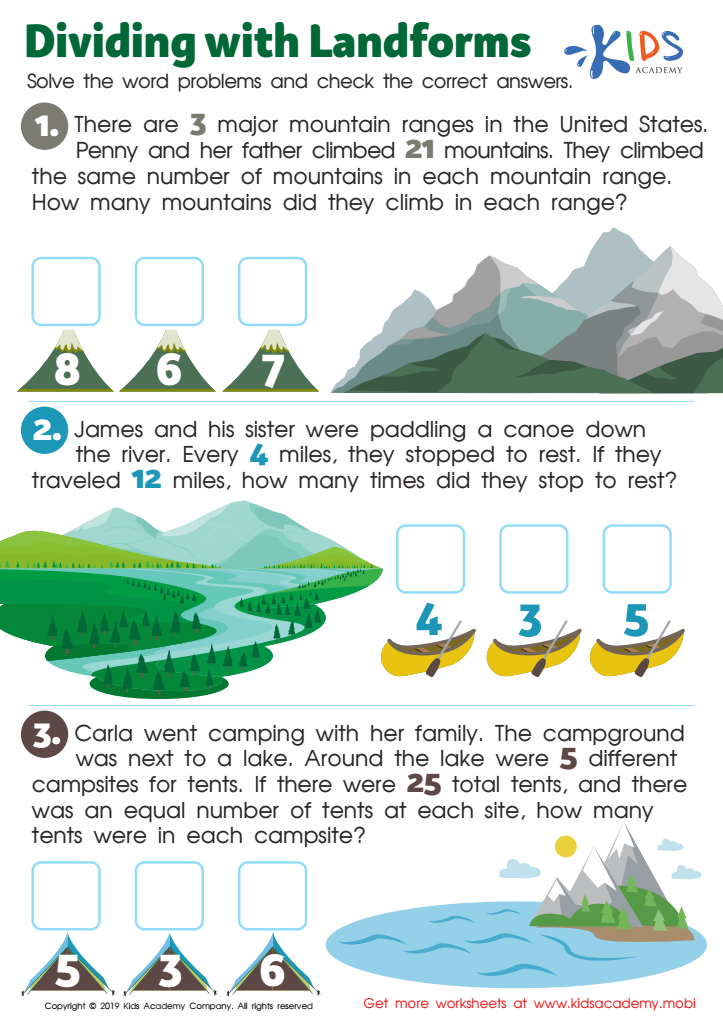
Dividing with Landforms








Enhancing critical thinking in children aged 4-9 is crucial for their overall development and future success. At this age, children are naturally curious and beginning to explore their world in more structured ways. Encouraging critical thinking helps them to question, analyze, and make reasoned decisions rather than just accepting information at face value.
For parents and teachers, fostering these skills develops a foundation for lifelong learning. Critical thinking promotes problem-solving abilities, enabling children to tackle academic and daily life challenges effectively. Rather than relying on rote memorization, children learn to understand and apply concepts, making them more resilient learners.
Moreover, enhancing critical thinking is important for a child's social development. It teaches them to consider different perspectives and understand the reasons behind various viewpoints, encouraging empathy and cooperative play. This is especially crucial between ages 4-9 when social skills are rapidly developing.
By investing in critical thinking, parents and teachers support children in becoming independent thinkers who can navigate complex problems. They prepare children not just for academic success, but for thoughtful and responsible participation in their communities and broader society. In a fast-changing world, these skills are indispensable, helping children to adapt, innovate, and thrive.








