Historical Knowledge Normal Worksheets for Ages 4-9 - Page 2
27 filtered results
-
From - To
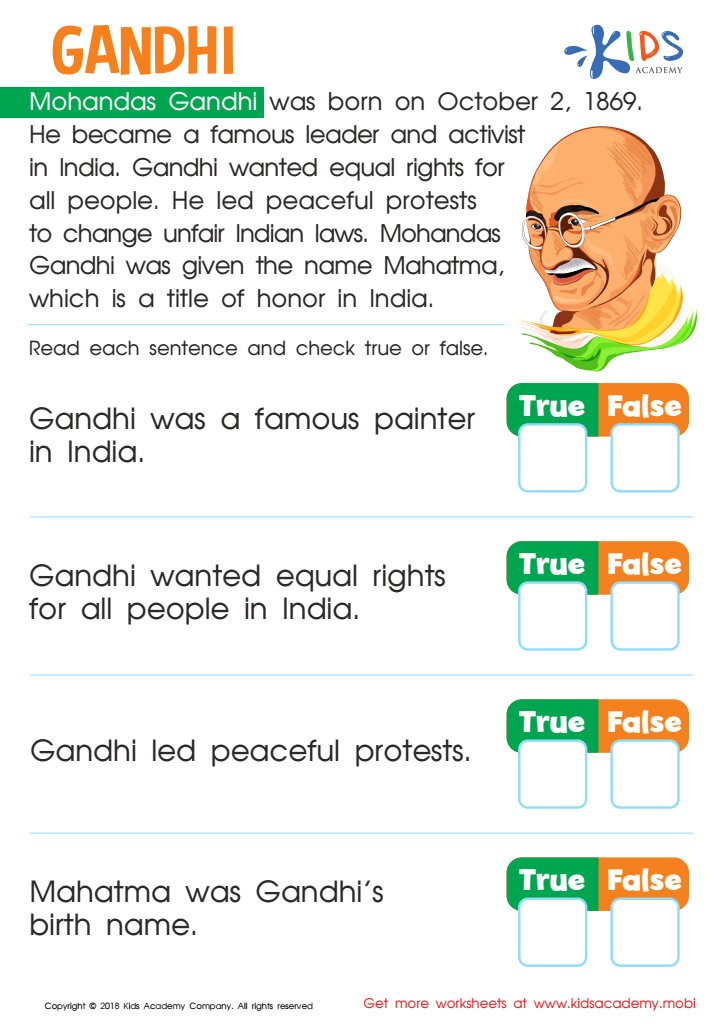
Gandhi Worksheet
 Assign to My Students
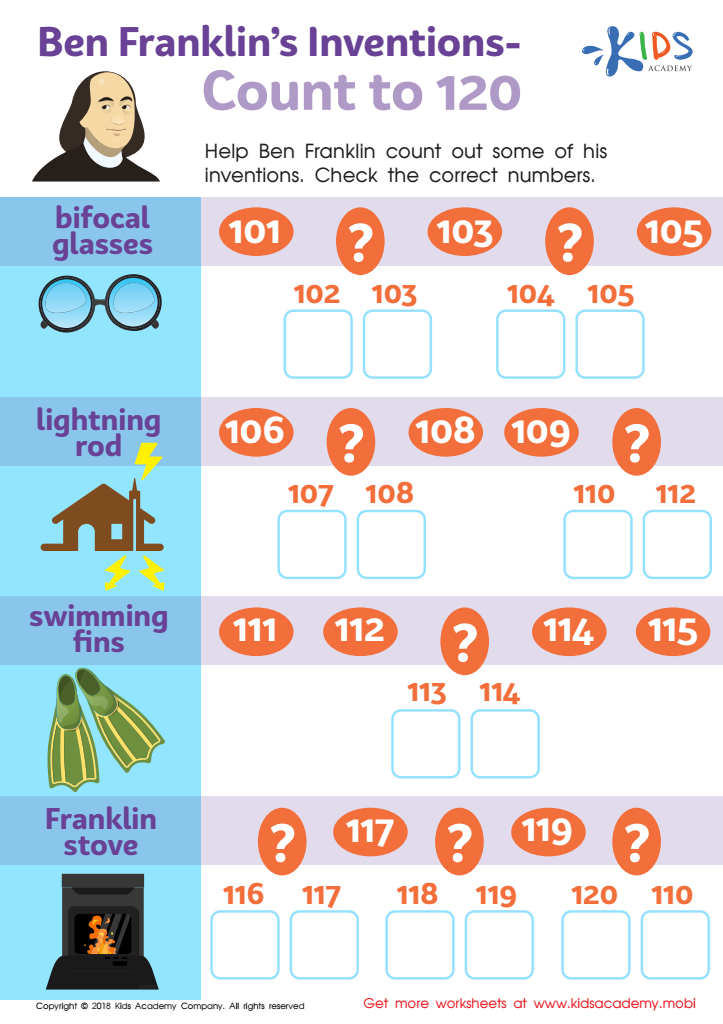
Ben Franklin’s Inventions – Count to 120 Worksheet
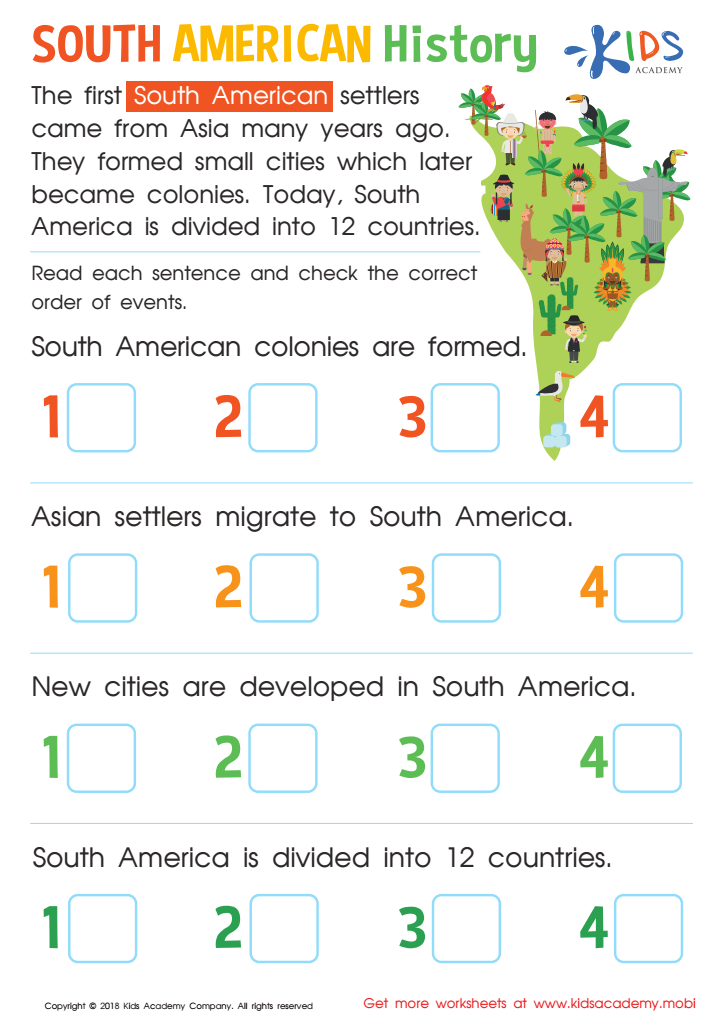
South American History Worksheet






Historical knowledge is crucial for children aged 4-9 as it lays the foundation for their understanding of the world and their place in it. At this developmental stage, kids are naturally curious about stories, people, and events. Introducing them to historical knowledge fosters critical thinking skills and promotes curiosity about diverse cultures, perspectives, and experiences. It encourages inquiry-based learning, where children learn to ask questions, investigate, and draw their own conclusions.
Moreover, understanding historical events and figures helps cultivate a sense of identity and belonging. When children see themselves reflected in history, they develop self-esteem and a sense of pride in their heritage. It also enhances empathy, as learning about different times and cultures encourages compassion and respect for others.
Additionally, historical knowledge supports curriculum areas such as literacy and social studies, helping children develop vocabulary and comprehension skills. Teachers and parents can make history engaging through storytelling, visuals, and hands-on activities, ensuring that it becomes a relatable and enjoyable subject.
In essence, prioritizing historical knowledge for young learners equips them with essential life skills, promotes a well-rounded education, and prepares them to participate meaningfully in society.








