Improve vocabulary Normal Worksheets for Ages 4-9
3 filtered results
-
From - To
Enhance your child's linguistic abilities with our "Improve Vocabulary Normal Worksheets for Ages 4-9" from Kids Academy. These engaging and effective worksheets are designed to support young learners in expanding their vocabulary through fun and interactive activities. Tailored for kids aged 4-9, these resources will help develop critical language skills, including word recognition, spelling, and usage. Perfect for both classroom and home learning, our carefully crafted worksheets are created by educational experts to ensure age-appropriate content and a stimulating learning experience. Foster a love for words and boost your child’s communication skills with Kids Academy today!
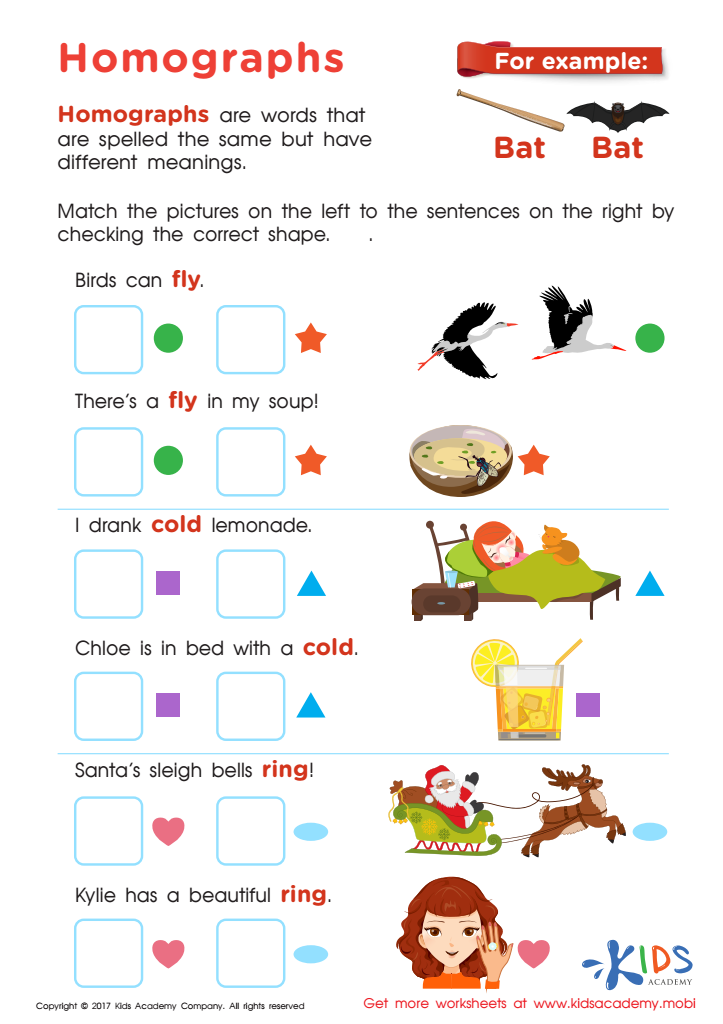
Homographs Free Printable Worksheet
 Assign to My Students
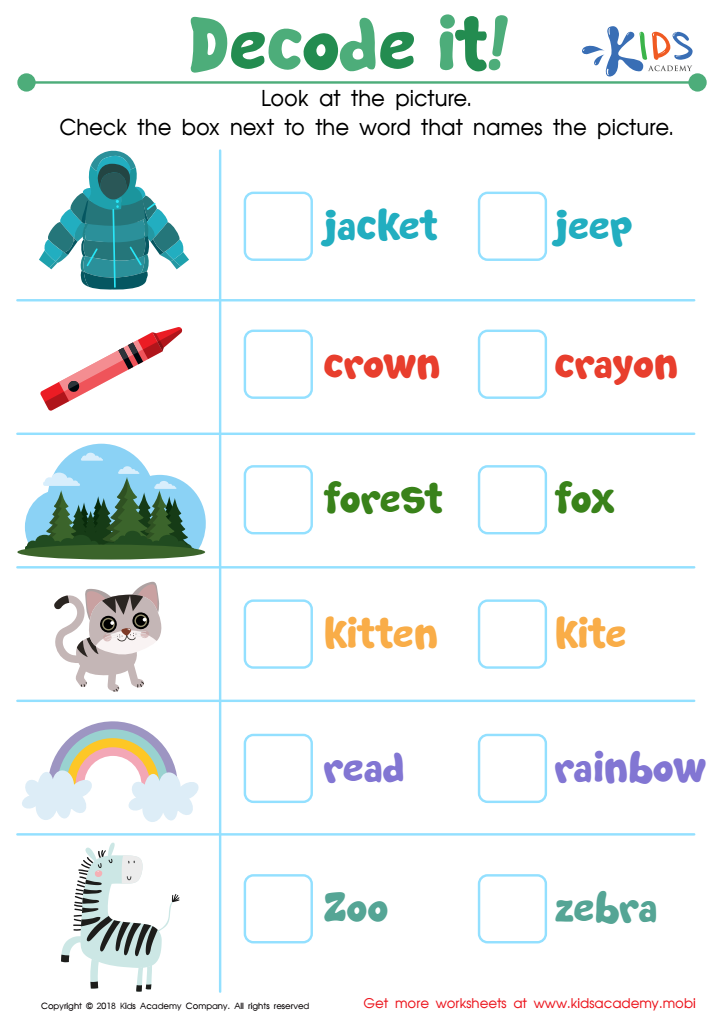
Reading: Decode It Worksheet
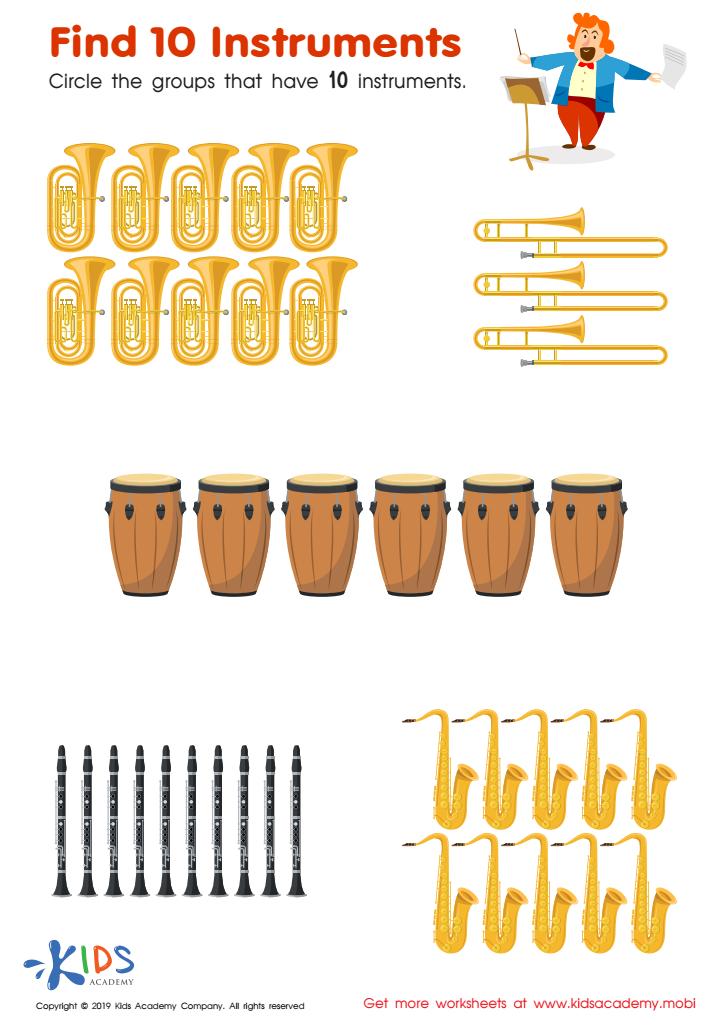
Find 10 Instruments Worksheet








Improving vocabulary in children aged 4-9 is crucial for numerous reasons, touching both academic and personal growth. During these formative years, a child’s brain is in a peak state for absorbing new information, making it the ideal time to expand their word bank. A robust vocabulary directly enhances reading comprehension. If a child understands more words, they can grasp the meaning of texts more easily, making reading a more enjoyable and less frustrating experience. This in turn fosters a positive attitude towards learning.
Moreover, vocabulary is the foundation of effective communication. Children with a richer vocabulary can express their thoughts and emotions more precisely, leading to better social interactions and conflict resolution skills. Being able to communicate well boosts self-esteem and confidence, qualities that contribute significantly to a child’s overall well-being.
Academically, a strong vocabulary supports learning across subjects. From following instructions in sports to understanding scientific terms, words are central to all areas of education. Inadequate vocabulary can become a barrier, leading to frustration and lower achievement levels.
Lastly, early vocabulary growth is often linked to greater success later in life. Studies show that children with a richer vocabulary are more likely to perform well academically and retain a love for reading, paving the way for lifelong learning and personal development. Therefore, parents and teachers should prioritize vocabulary improvement to give children a strong start.








