Knowledge application Normal Worksheets for Ages 4-9
6 filtered results
-
From - To
Unlock your child’s potential with our Knowledge Application Normal Worksheets for ages 4-9! Designed to enhance critical thinking and problem-solving skills, these engaging, interactive worksheets provide a fun way for young learners to apply their knowledge across various subjects. Each worksheet is meticulously crafted to stimulate curiosity and reinforce essential concepts in reading, math, science, and more. Ideal for classroom use or at-home learning, our worksheets make education enjoyable while promoting cognitive growth. Perfect for early grade teachers and parents alike, these resources will support your child’s educational journey and build a solid foundation for lifelong learning. Explore today!
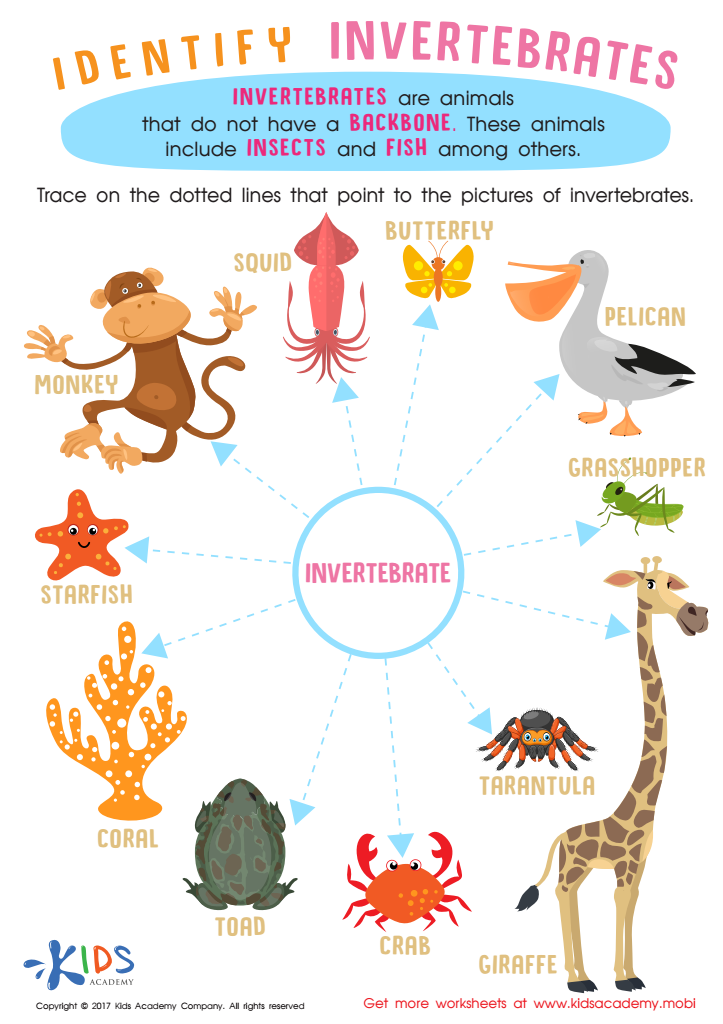
Invertebrates Worksheet for Grade 3
 Assign to My Students
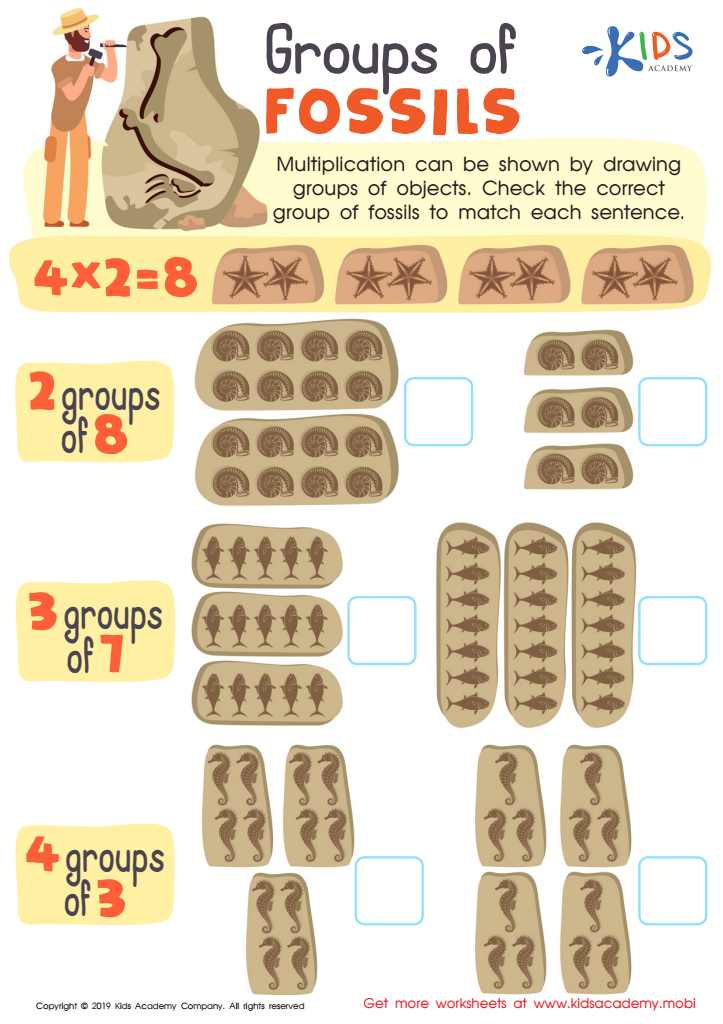
Groups of Fossils Worksheet
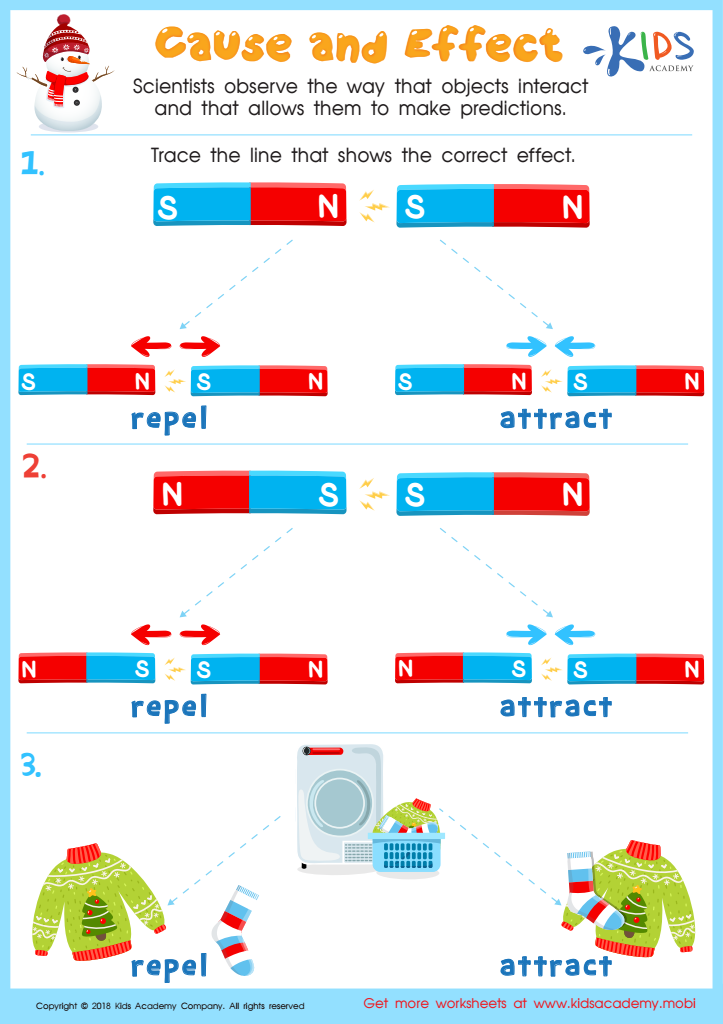
Repel and Attract Magnet Worksheet
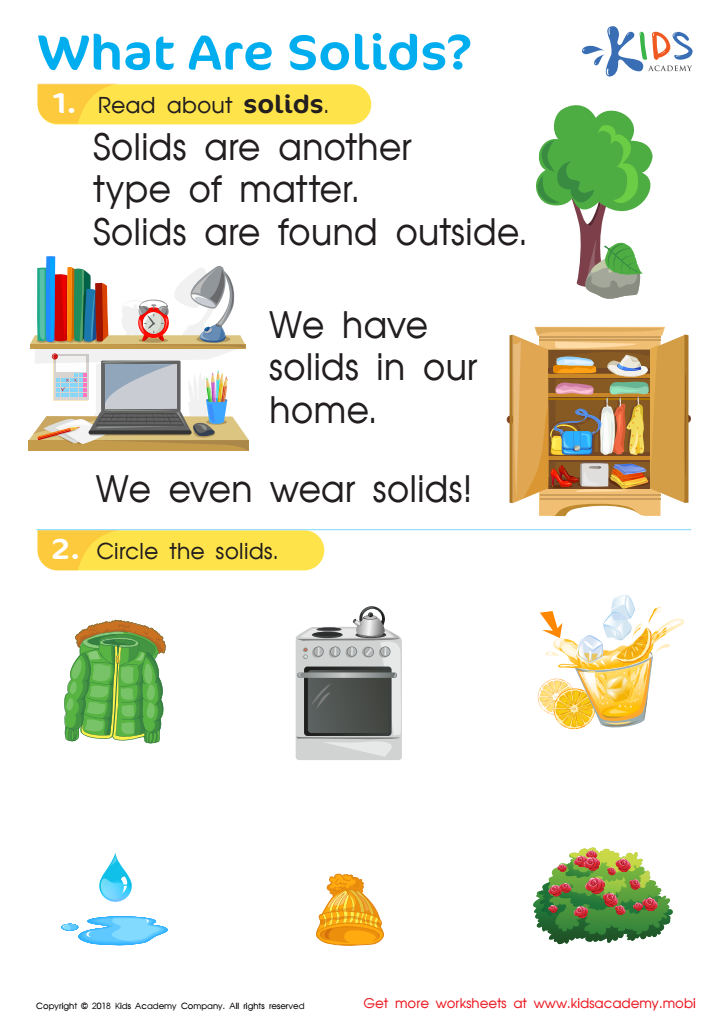
What Are Solids? Worksheet
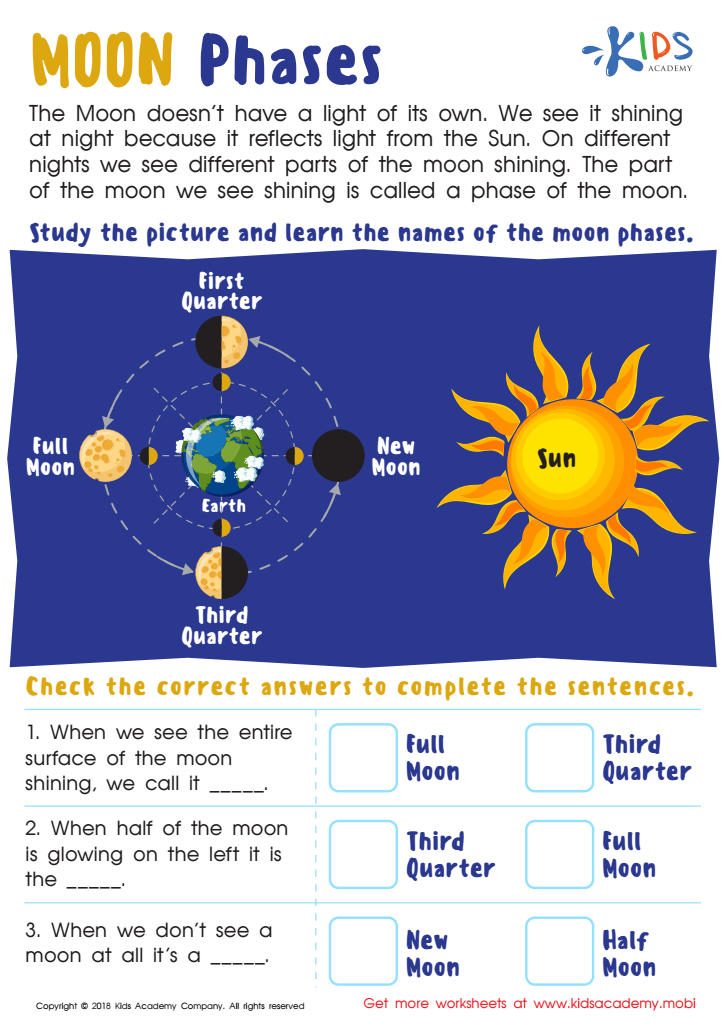
Moon Phases Worksheet
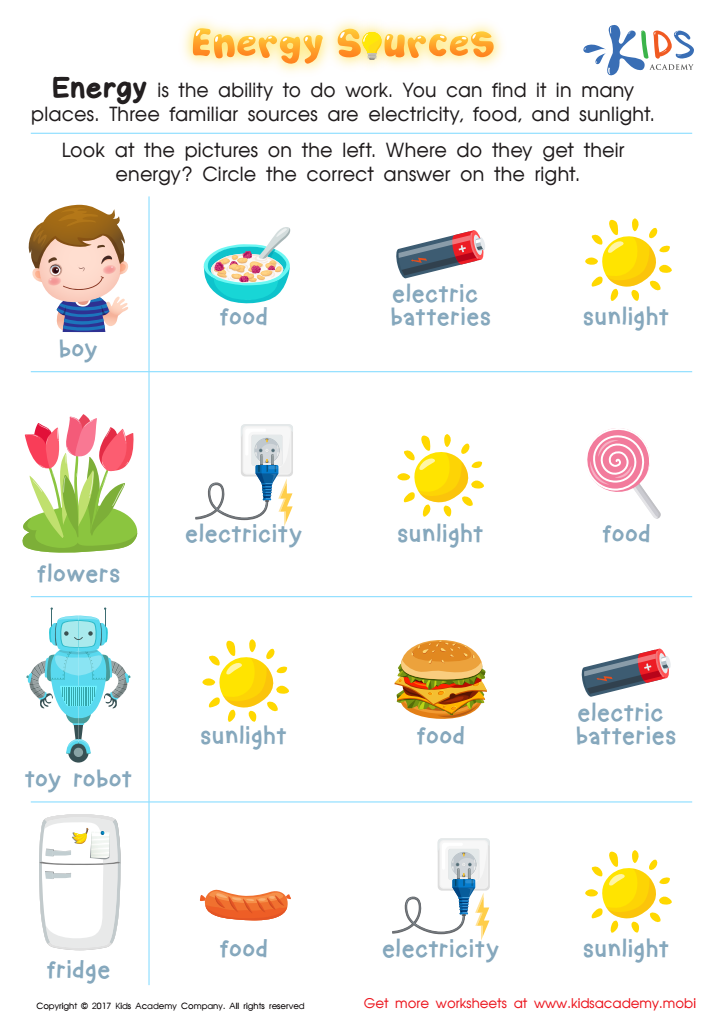
Energy Sources Printable





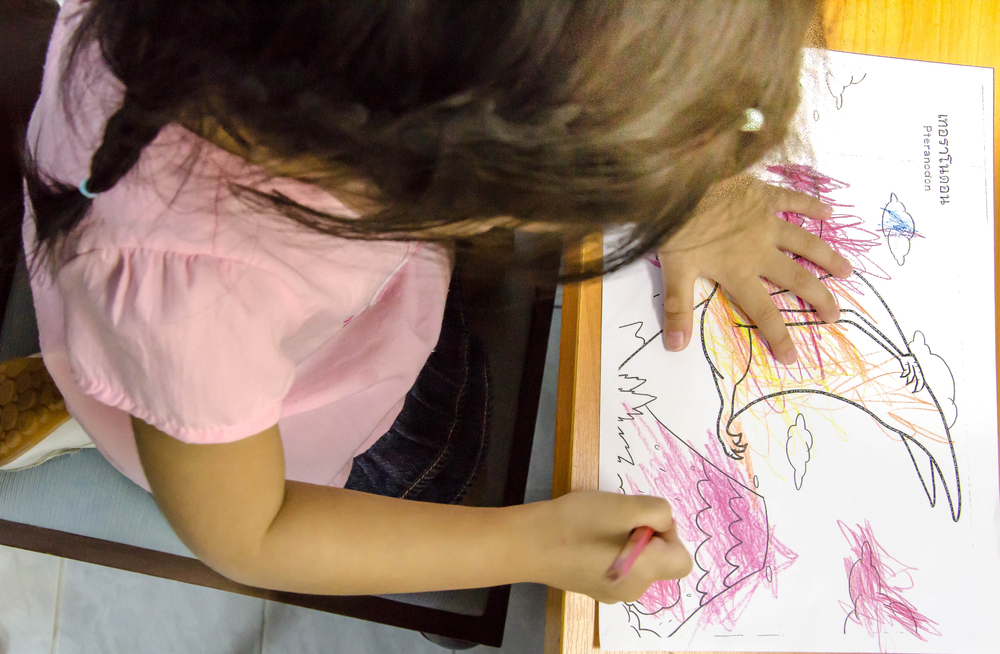
Knowledge application, particularly for children aged 4-9, is crucial for their cognitive and social development. At these formative ages, children learn a wide range of concepts and skills. However, understanding alone is insufficient; they need to apply this knowledge in real-world contexts. This helps solidify their learning and encourages critical thinking.
When parents and teachers emphasize knowledge application, they prepare children for future academic challenges and everyday problem-solving. Engaging in activities that require them to use what they've learned fosters creativity, enhances memory retention, and builds confidence. For instance, in math, applying concepts through practical tasks like measuring ingredients while cooking reinforces understanding and makes learning enjoyable.
Moreover, knowledge application encourages collaboration and communication. Children learn to share their thought processes and solutions with peers and family members, nurturing essential social skills. Encouraging exploration and curiosity allows them to connect their learning experiences to the world around them, bridging the gap between theory and practice.
Ultimately, focusing on knowledge application helps children develop a love for learning and equips them with the skills necessary to navigate life's challenges successfully, fostering a foundation for lifelong learning and adaptability.








