Recognizing Patterns Normal Worksheets for Ages 4-9
6 filtered results
-
From - To
"Recognizing Patterns Normal Worksheets for Ages 4-9" are specially designed activities aimed at enhancing children's pattern recognition skills. These engaging worksheets from Kids Academy help kids aged 4-9 develop critical thinking through fun and educational exercises. By identifying, copying, and creating patterns using shapes, colors, and objects, children strengthen their foundational math skills. These printable worksheets are perfect for both classroom and home learning, offering young learners the opportunity to build confidence, boost cognitive abilities, and lay the groundwork for future academic success. Access a variety of themed exercises to inspire curiosity and foster a love for learning in your child today!
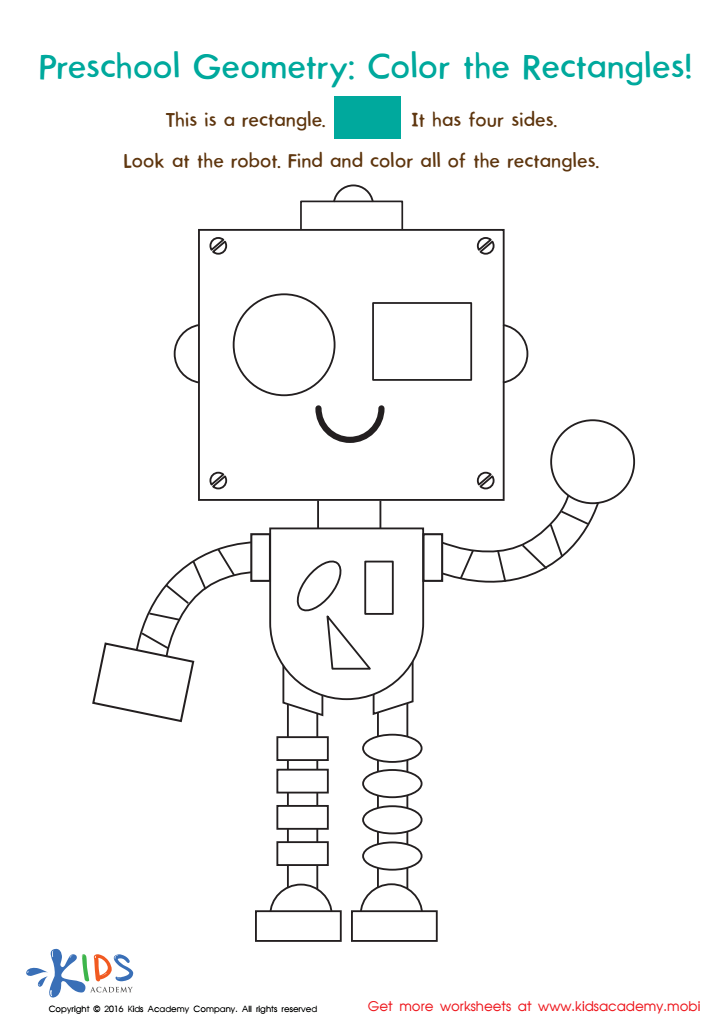
Geometry Worksheet
 Assign to My Students
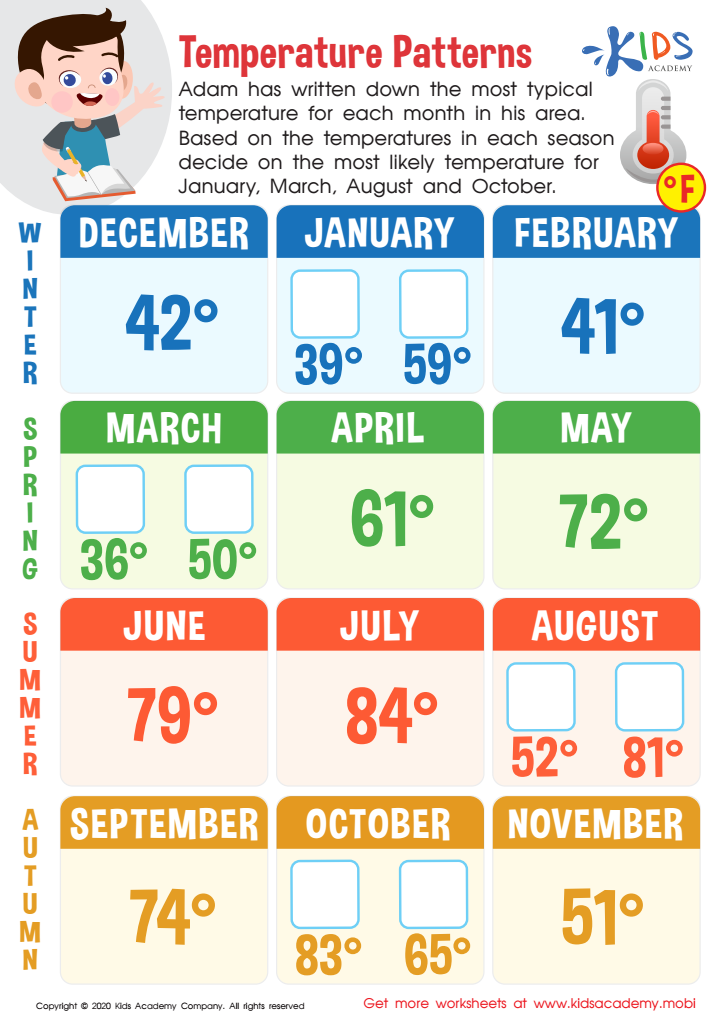
Temperature Patterns Worksheet
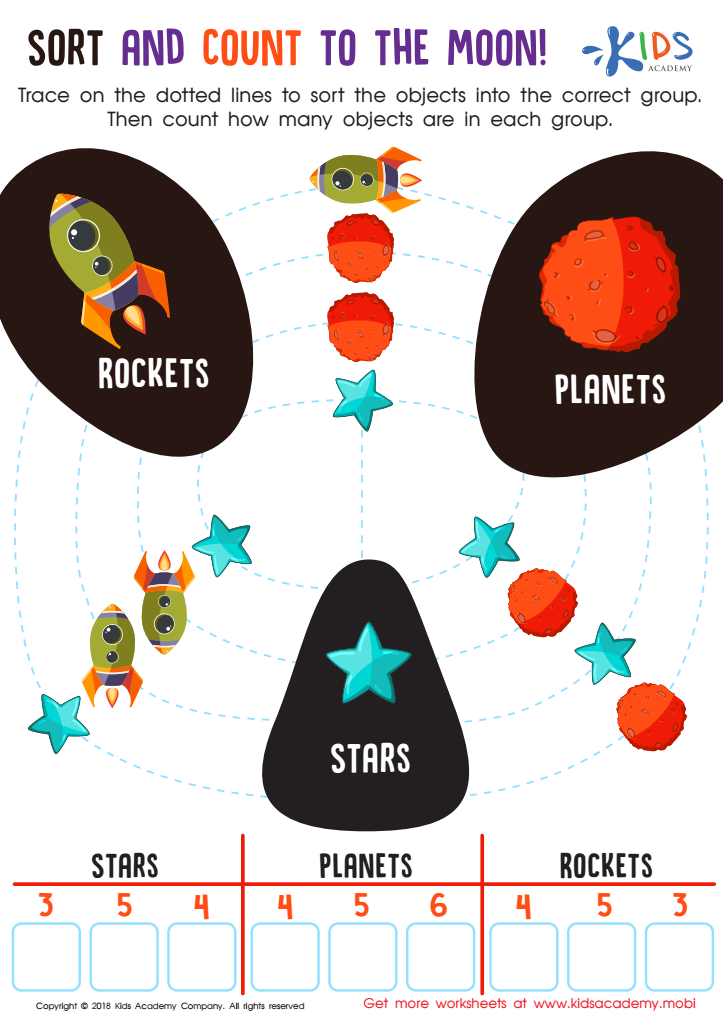
Sort and Count to the Moon Worksheet
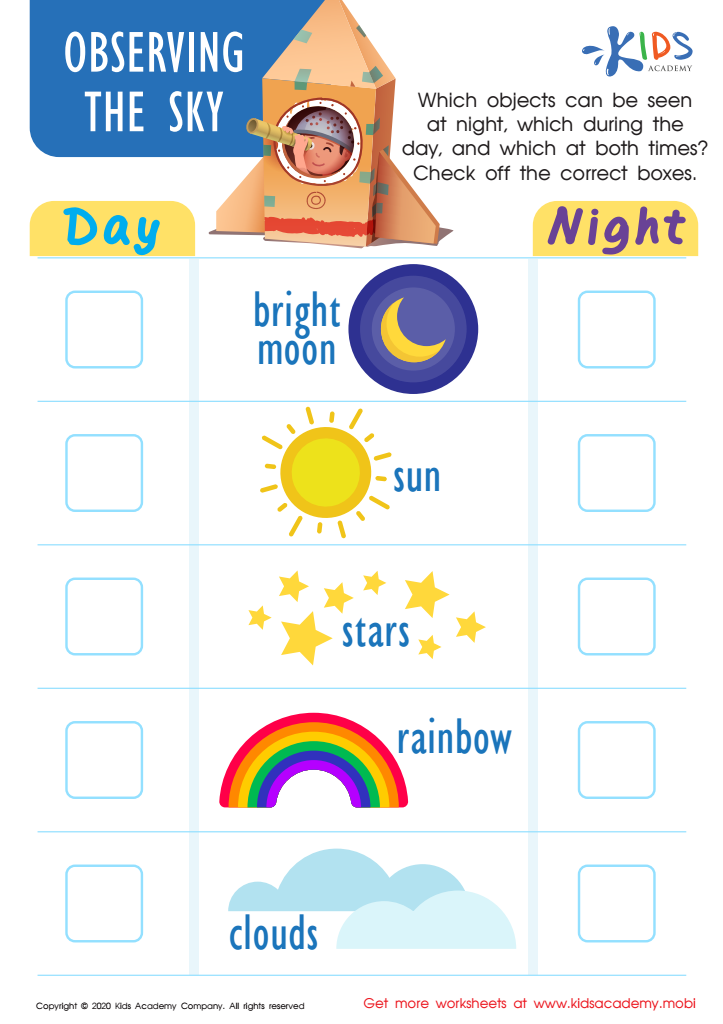
Observing the Sky Worksheet
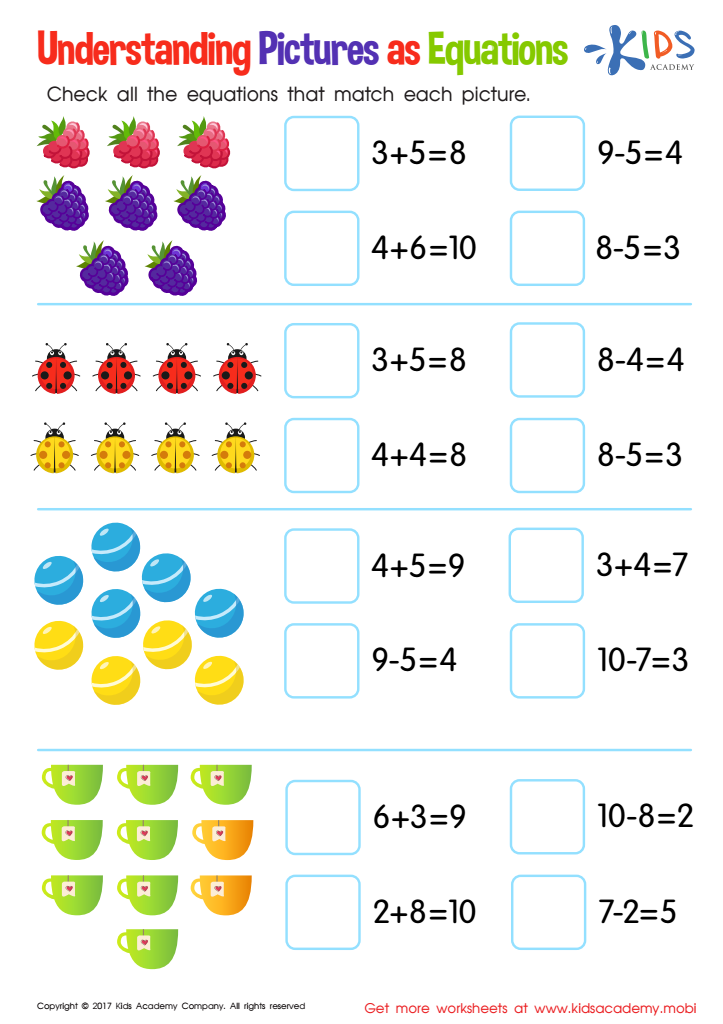
Understanding Pictures as Equations Worksheet
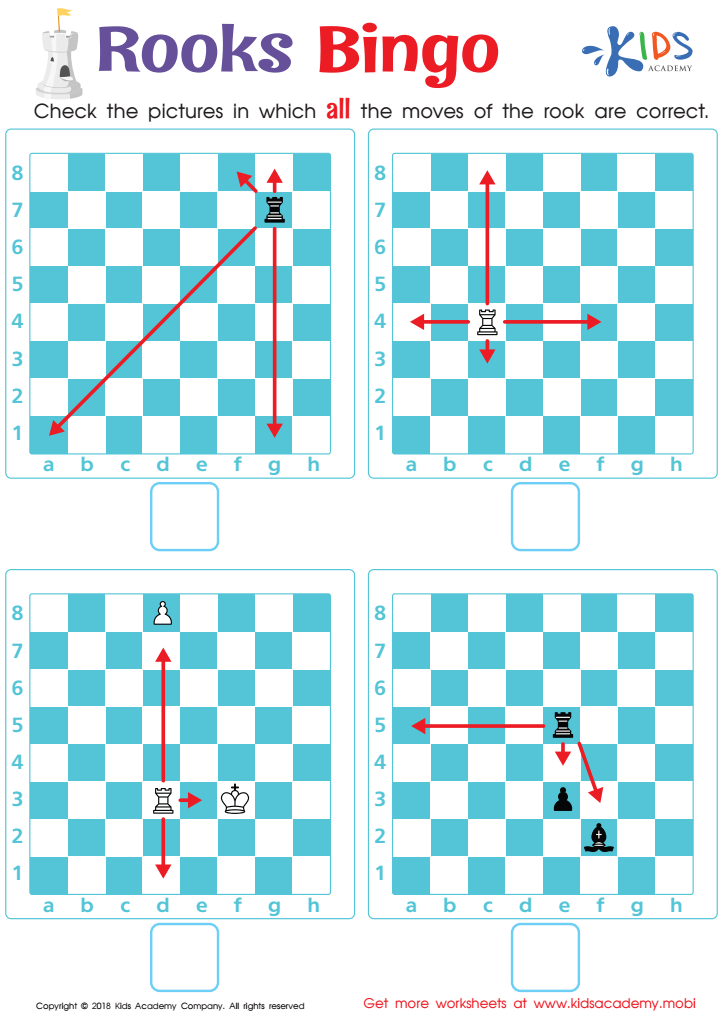
Rooks Bingo Worksheet








Recognizing patterns is crucial for children aged 4-9 as it lays the foundation for critical cognitive skills and future academic success. First and foremost, pattern recognition enhances mathematical abilities. Simple exercises like identifying and creating patterns with shapes, colors, or numbers help children grasp fundamental math concepts such as sequencing, counting, and predicting.
Beyond mathematics, recognizing patterns is vital for learning to read. Phonics and spelling rely heavily on recognizing letter patterns and word structures, enabling children to decode words and comprehend texts more efficiently. Understanding patterns also contributes to problem-solving skills and logical reasoning, as children learn to predict what comes next and develop critical thinking.
Furthermore, pattern recognition ties into everyday life skills. It helps children learn routine and organization, which are crucial for time management and understanding the world around them. It also fosters creativity; recognizing artistic patterns in music and art can enhance a child’s creativity and appreciation for the arts.
Cognitively, this skill nurtures areas of the brain involved in computational thinking and strategic planning. Emotionally and socially, it can boost confidence and motivate learning when children successfully identify and create patterns.
In summary, recognizing patterns equips children with essential tools that apply across various learning domains and beyond, making it a fundamental aspect for both parents and teachers to focus on during early childhood education.








