Understanding directions Normal Worksheets for Ages 4-9
9 filtered results
-
From - To
Explore our "Understanding Directions" worksheets, designed for ages 4-9. Tailored to enhance kids’ spatial awareness and ability to follow instructions, these worksheets make learning fun and engaging. Activities range from tracing paths, reading maps, to identifying left and right, fostering critical thinking and problem-solving skills. Each worksheet encourages children to pay attention to detail while enjoying interactive lessons in everyday scenarios. Boost your child's confidence and competence in following directions with our expertly crafted resources, ideal for home or classroom use. Equip young learners with foundational skills essential for academic success and beyond.
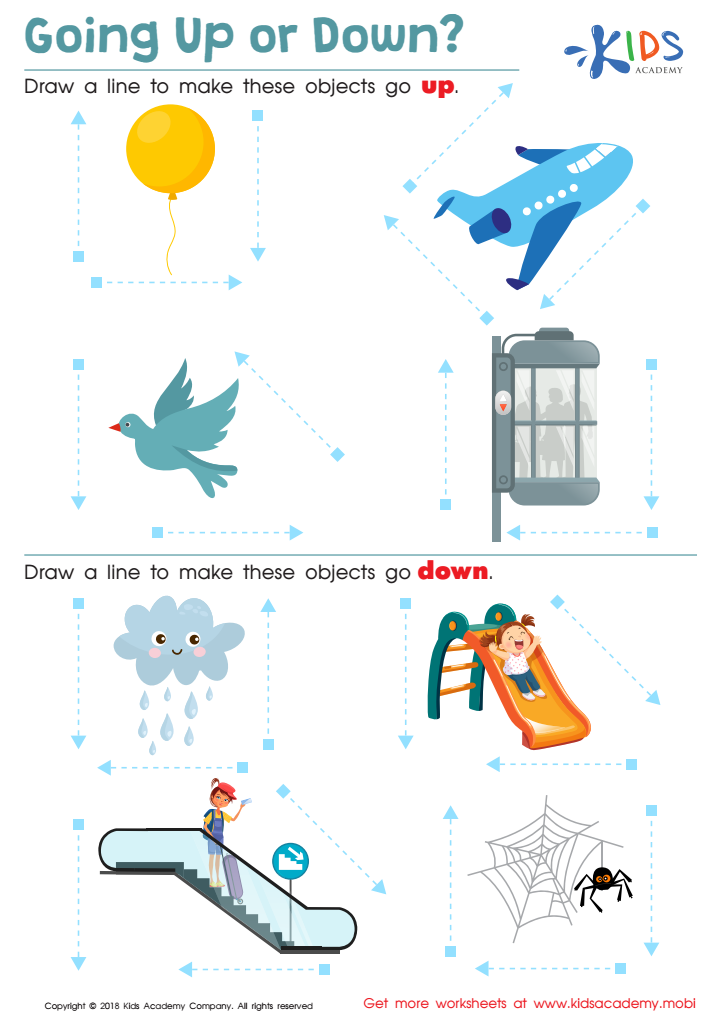
Going up or Down? Worksheet
 Assign to My Students
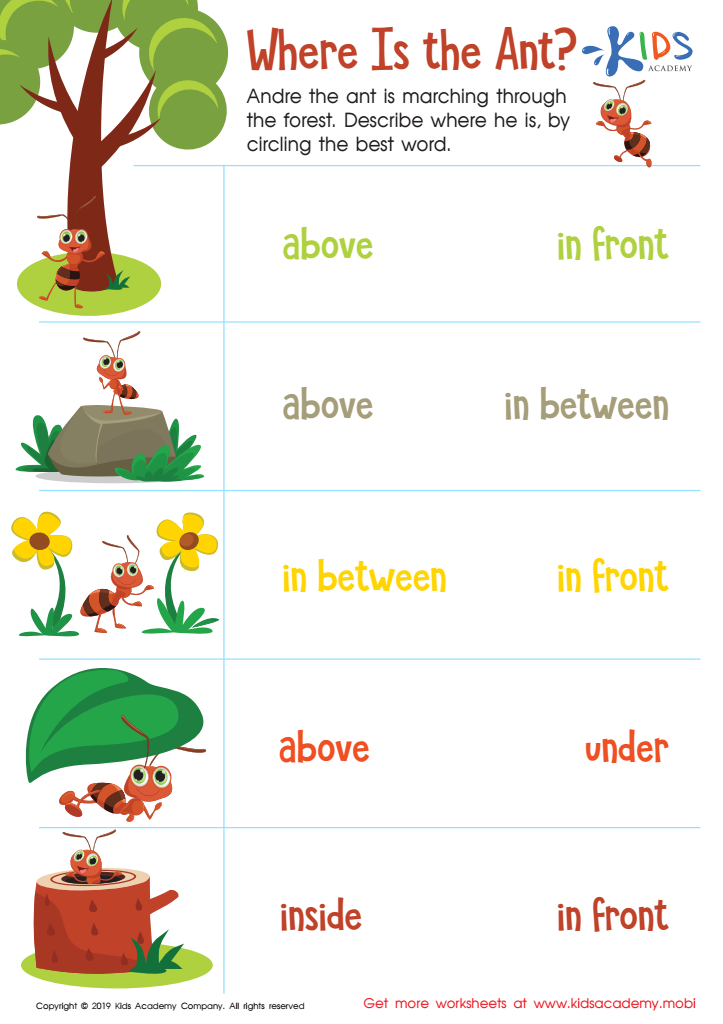
Where Is the Ant? Worksheet
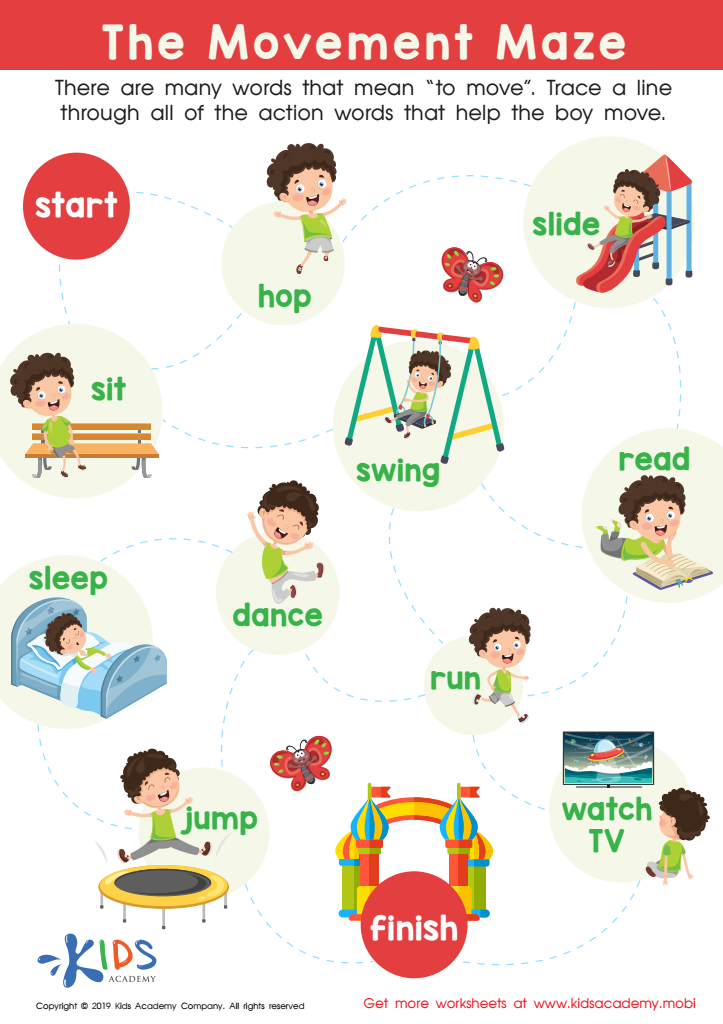
The Movement Maze Worksheet
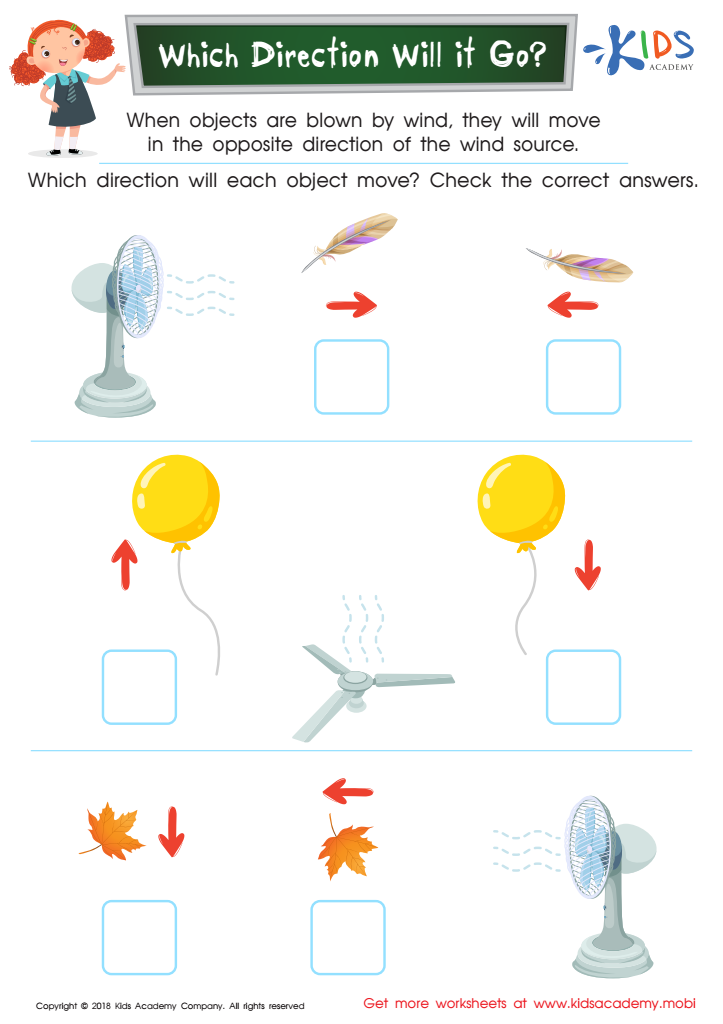
Which Direction Will it Go? Worksheet
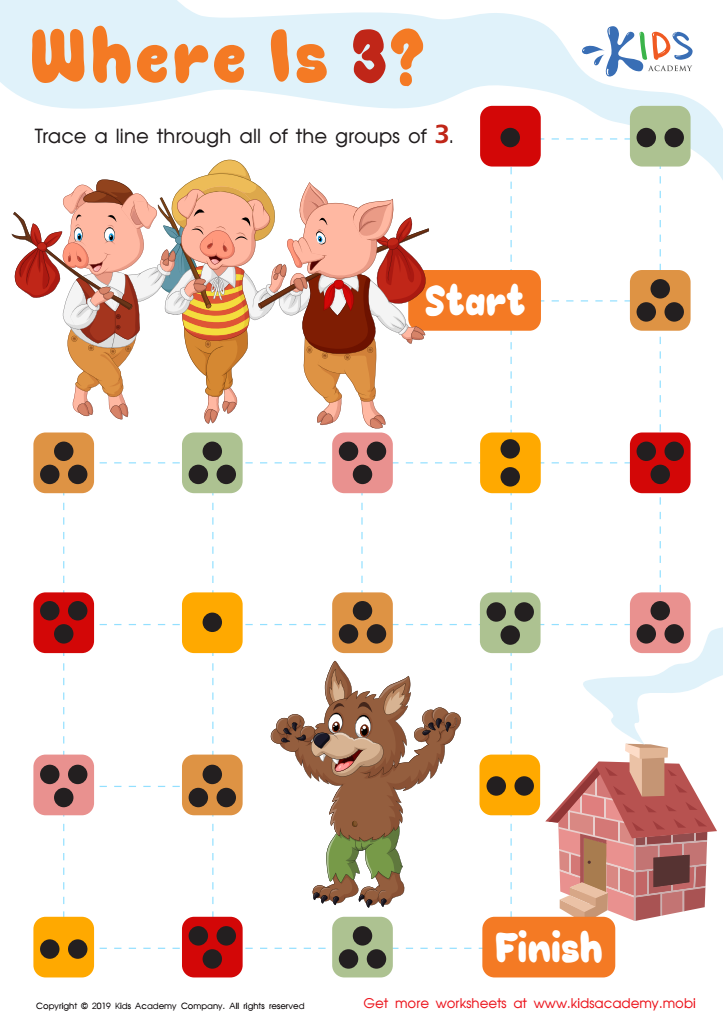
Where Is 3? Worksheet
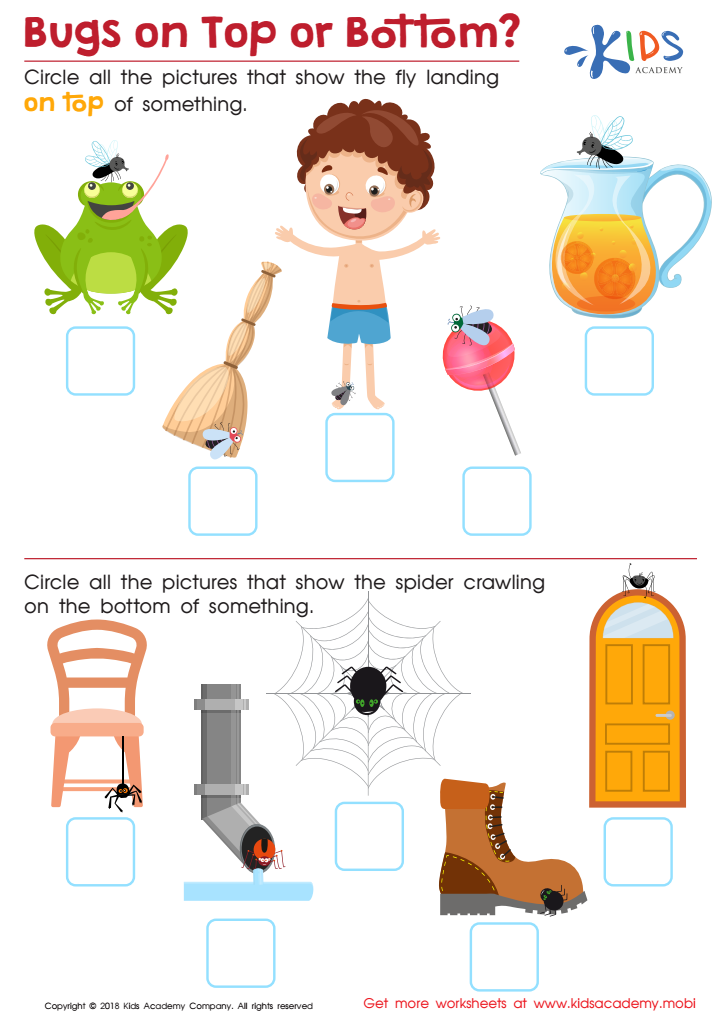
Bugs on Top or Bottom? Worksheet
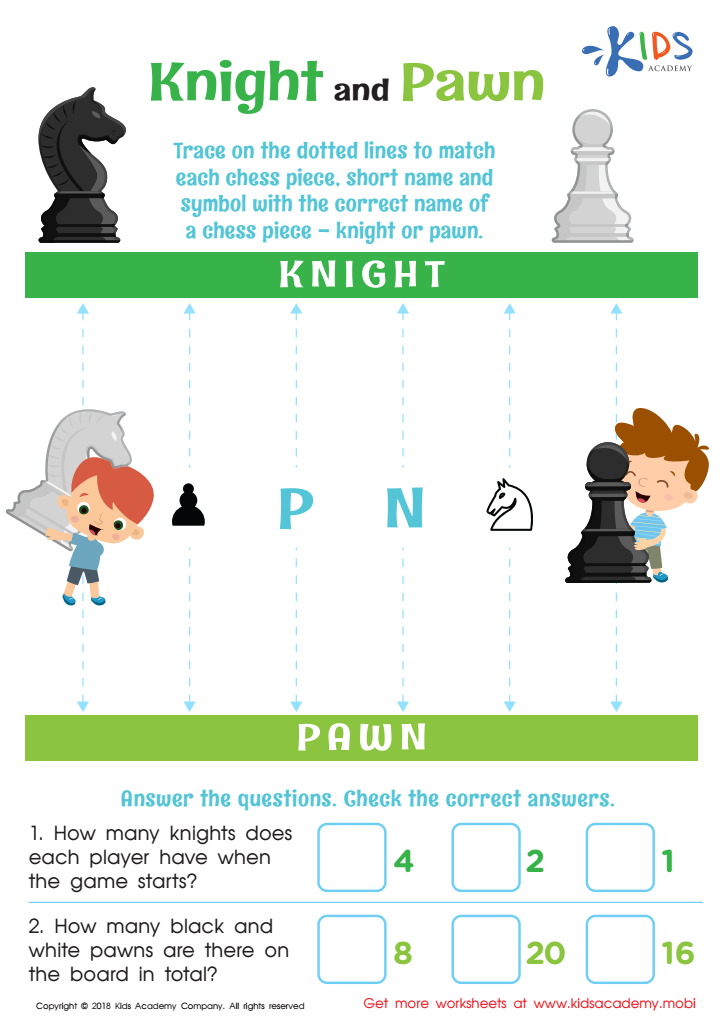
Knight and Pawn Worksheet
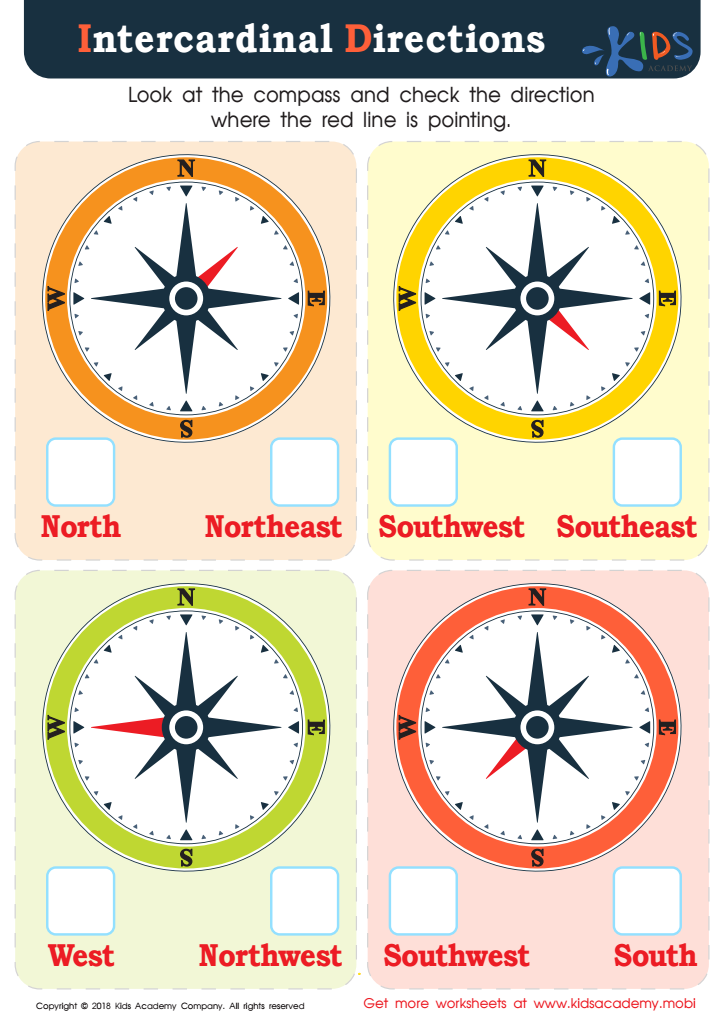
Intercardinal Directions Worksheet
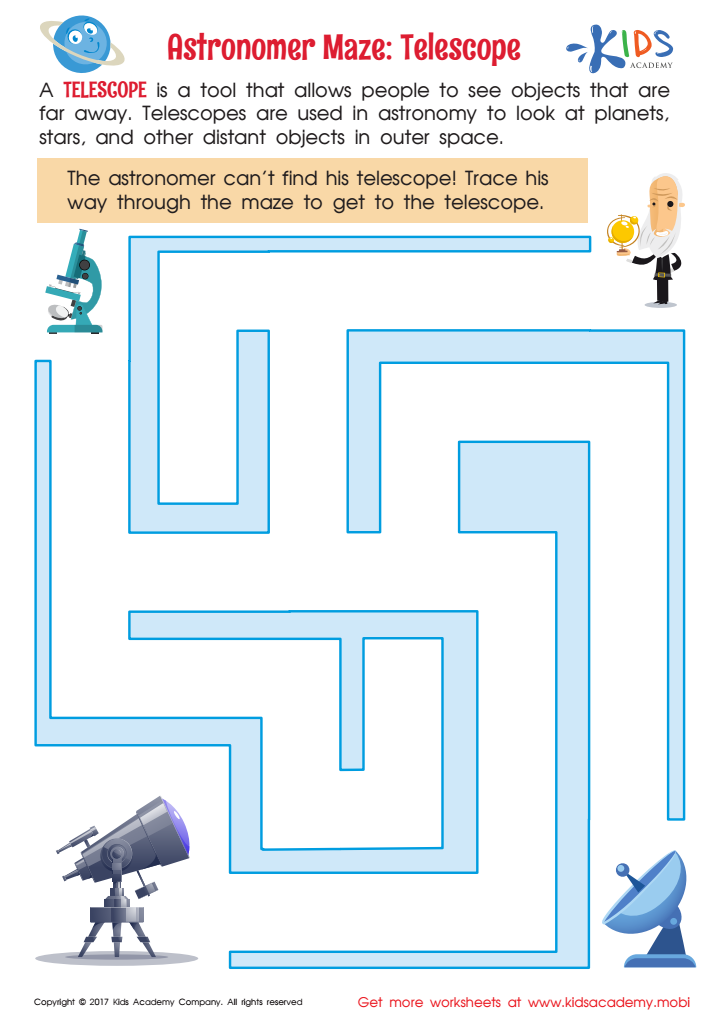
Astronomer Maze: Telescope Worksheet







Understanding directions is a critical developmental milestone for children aged 4-9, and it deserves the attention of both parents and teachers. At this age, children are rapidly increasing their cognitive, language, and social skills. Following directions enhances these developments by improving listening skills, promoting cognitive growth, and fostering independence.
For instance, when children comprehend and follow instructions, they learn orderly thinking and sequencing, which are foundational for problem-solving and academic success. This skill also enhances their ability to pay attention to detail and follow through with tasks, both essential for classroom learning and everyday activities.
Moreover, the ability to understand directions significantly impacts peer relationships and social interactions. Children who can follow rules and understand games' instructions are more likely to participate successfully and confidently in group activities, fostering teamwork and cooperation.
Additionally, grasping directions promotes safety and well-being. It ensures that children can understand and adhere to guidelines and boundaries set for their protection, whether at home, school, or in public places.
Overall, encouraging the ability to understand and follow directions supports a child’s overall development, helping them to become responsible, capable, and socially adept individuals. Recognizing its importance allows parents and teachers to create environments that nurture this crucial skill.








