Reading comprehension Normal 2D Shapes Worksheets for Ages 4-9
4 filtered results
-
From - To
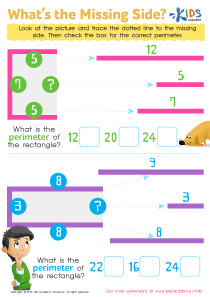
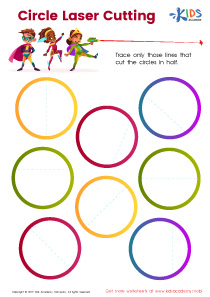
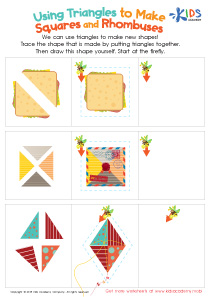
Discover our "Reading Comprehension Normal 2D Shapes Worksheets" tailored for children aged 4-9! These engaging worksheets merge literacy skills with essential math concepts, focusing on recognizing and understanding 2D shapes. Designed to enhance reading comprehension, each activity features colorful visuals and easy-to-follow instructions that promote shape identification through fun narratives and questions. Perfect for both home and classroom use, these worksheets not only boost reading skills but also expand young learners' knowledge of geometry. Foster a love for learning with interactive tasks that encourage creativity and critical thinking while helping children grasp the fundamentals of shapes! Start exploring today!
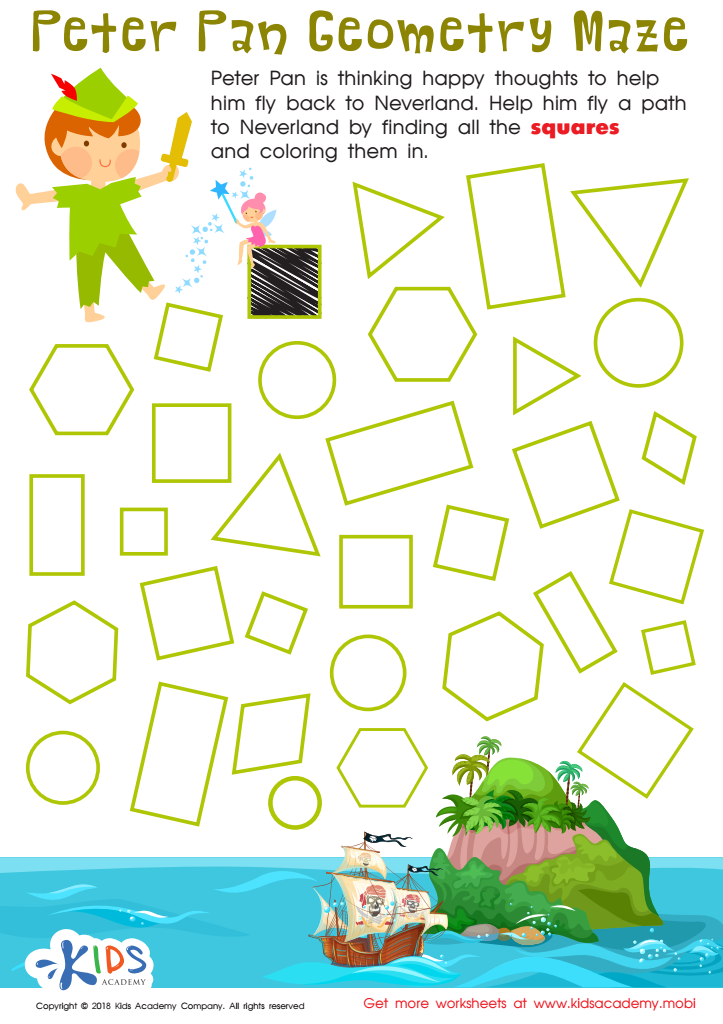
Peter Pan Worksheet
 Assign to My Students











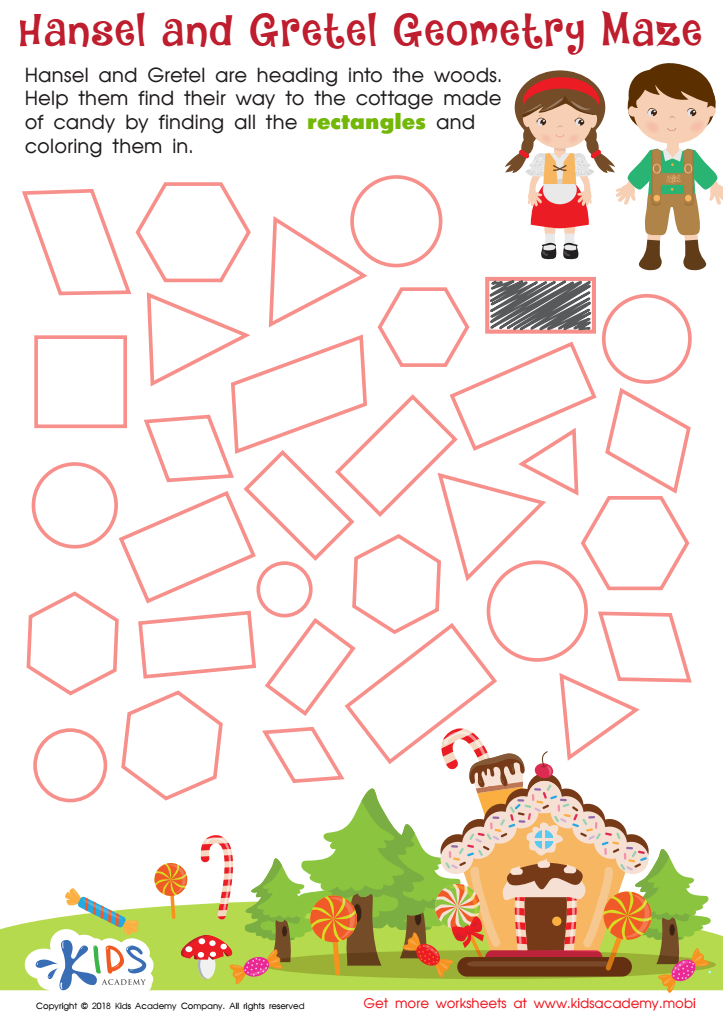
Hansel and Gretel Geometry Maze Worksheet
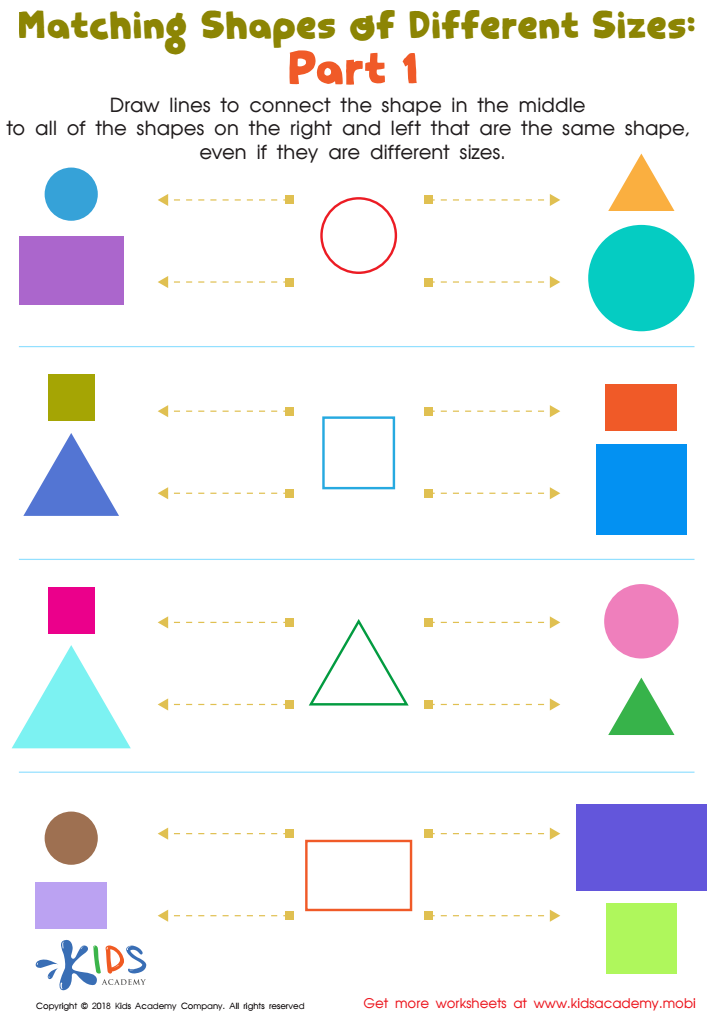
Geometry: part 1 Worksheet
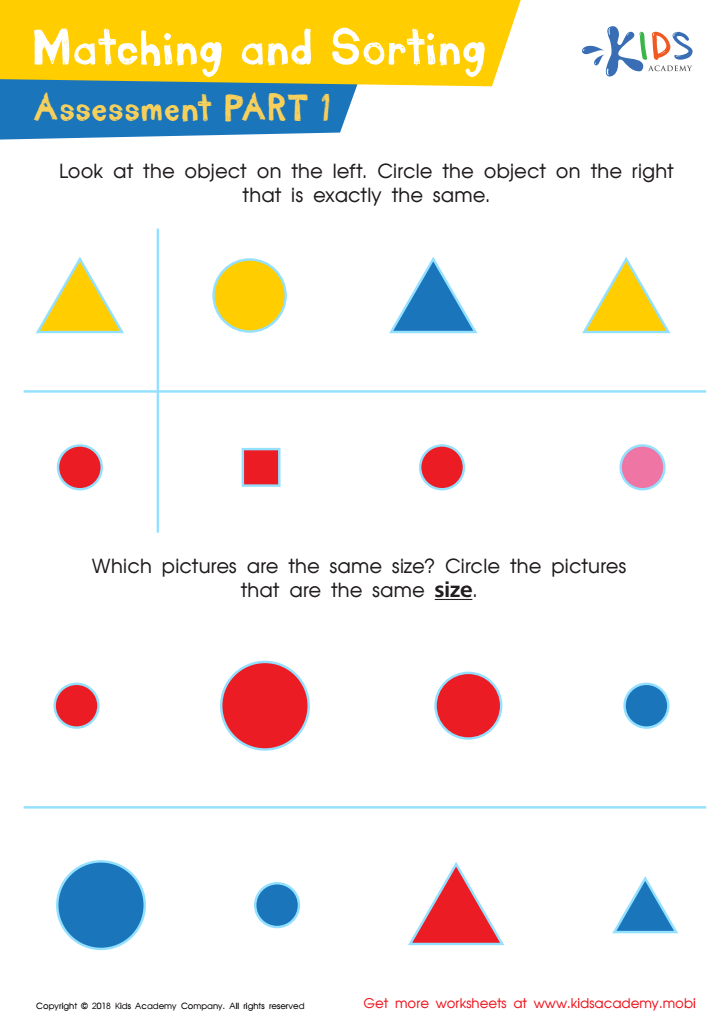
Matching and Sorting for Kindergarten: Assessment 1 Worksheet








Reading comprehension and understanding normal 2D shapes are crucial skills for young learners aged 4-9, as they form the foundation for future academic success. Parents and teachers should care about these skills because they are interrelated and essential for cognitive development.
Firstly, reading comprehension helps children make sense of the world around them. By understanding texts that describe 2D shapes, children learn to recognize and identify shapes such as circles, squares, and triangles in real-life contexts. This skill enhances their ability to follow instructions, solve problems, and communicate ideas effectively.
Secondly, a strong grasp of 2D shapes provides children with essential spatial awareness, which is vital for subjects like math, science, and even art. Recognizing shapes fosters critical thinking and enhances creativity, as children can visualize and manipulate objects mentally.
Moreover, engaging children in activities that combine reading and shapes can make learning fun and interactive. It can spark curiosity, fueling their desire to explore and learn more. For parents and teachers, combining reading and geometry through stories and hands-on activities can create enriching experiences that captivate young minds and encourage lifelong learning. Recognizing the importance of these interconnected skills is key to fostering a well-rounded education.