Counting skills Normal Comparing Numbers Worksheets for Ages 4-9
3 filtered results
-
From - To
Boost your child's math confidence with our Counting Skills Normal Comparing Numbers Worksheets designed for ages 4-9. These engaging, age-appropriate worksheets help young learners develop essential counting and number comparison skills through fun activities. Perfect for reinforcing classroom lessons, each worksheet offers unique exercises that promote critical thinking and numeracy. From matching numbers to determining greater or lesser values, our worksheets make learning interactive and enjoyable. Support your child's early math journey with resources that foster both foundational skills and a love for learning. Print today to start practicing a key stepping stone in mathematical success!
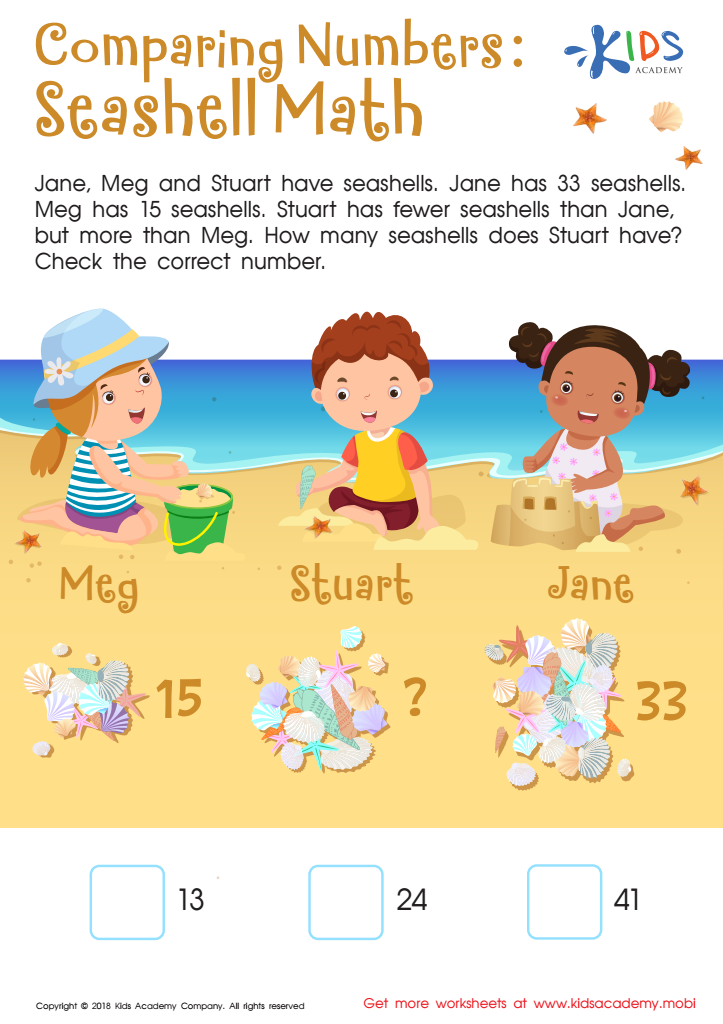
Seashell Collectors Worksheet
 Assign to My Students
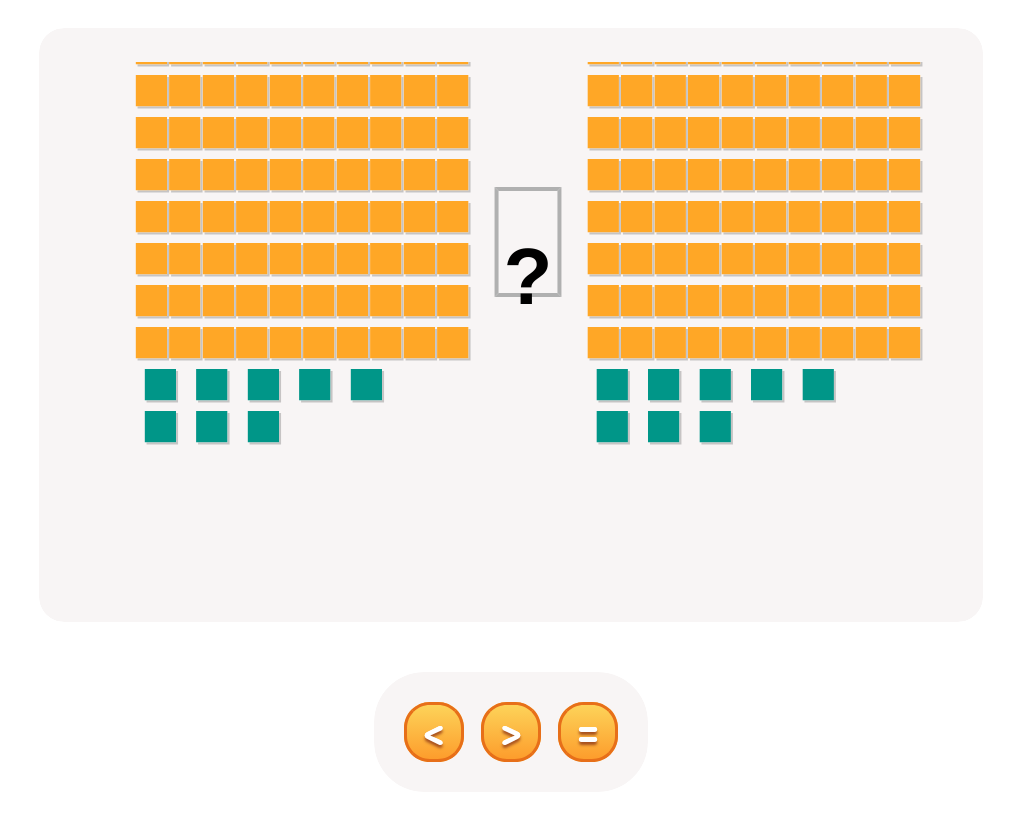

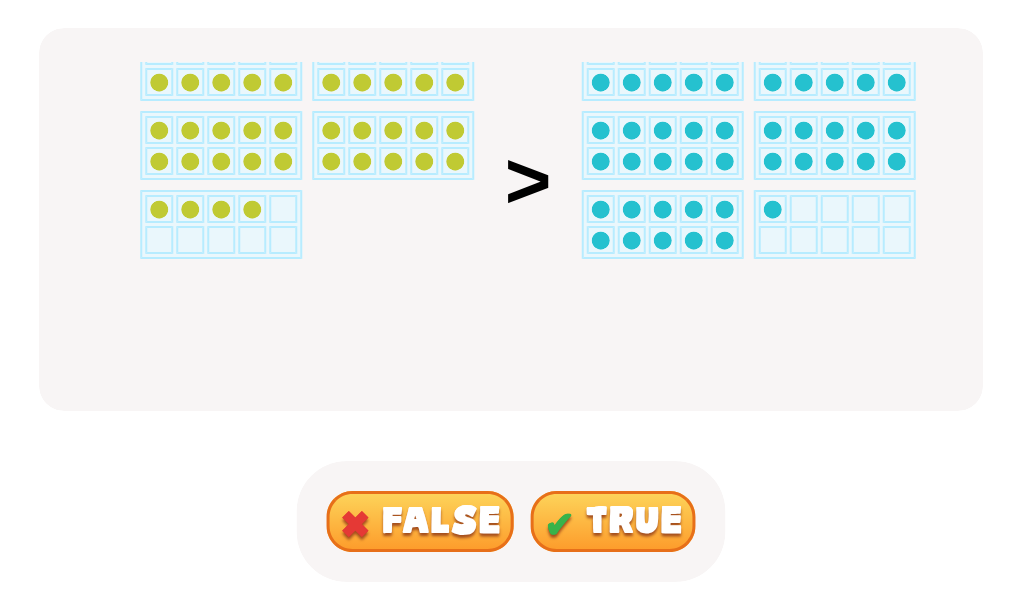
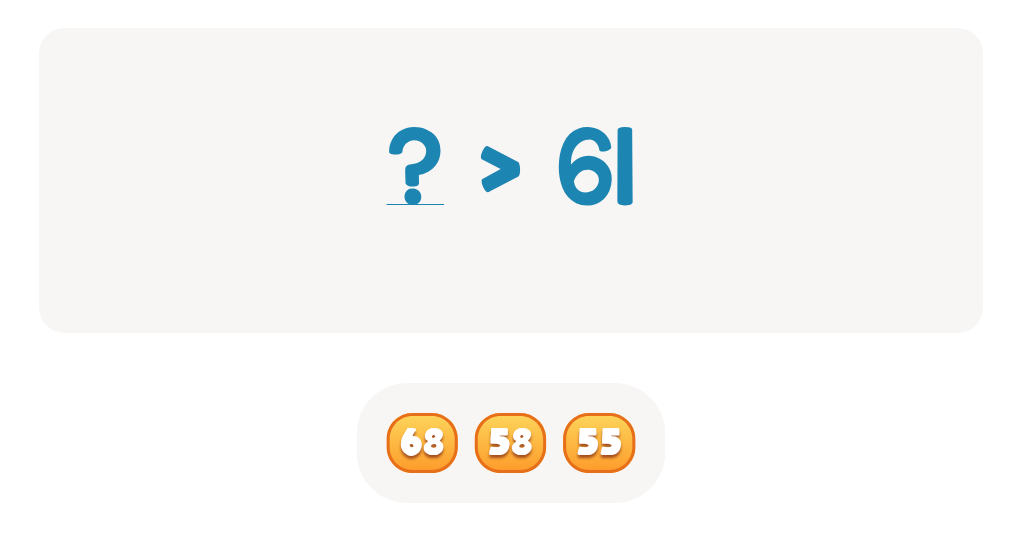
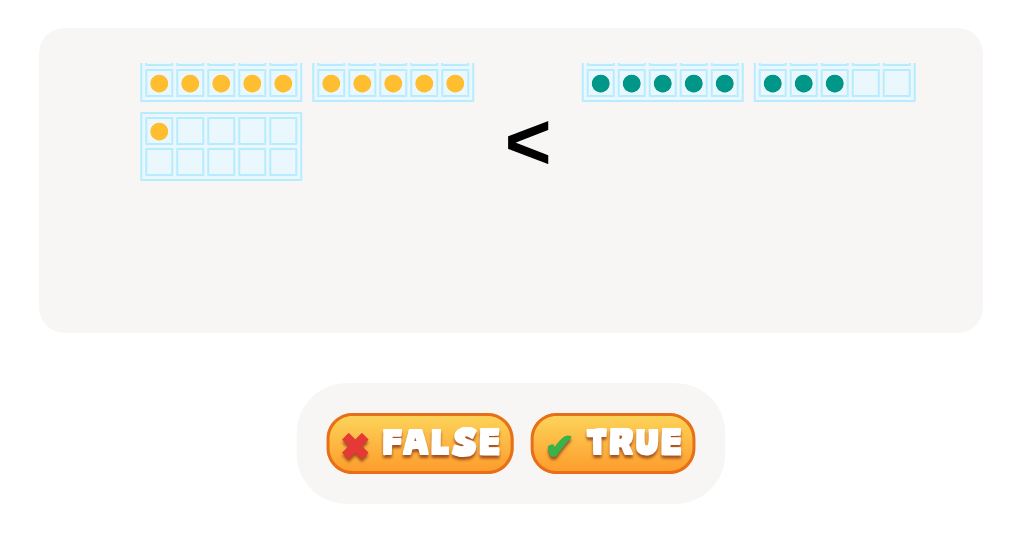
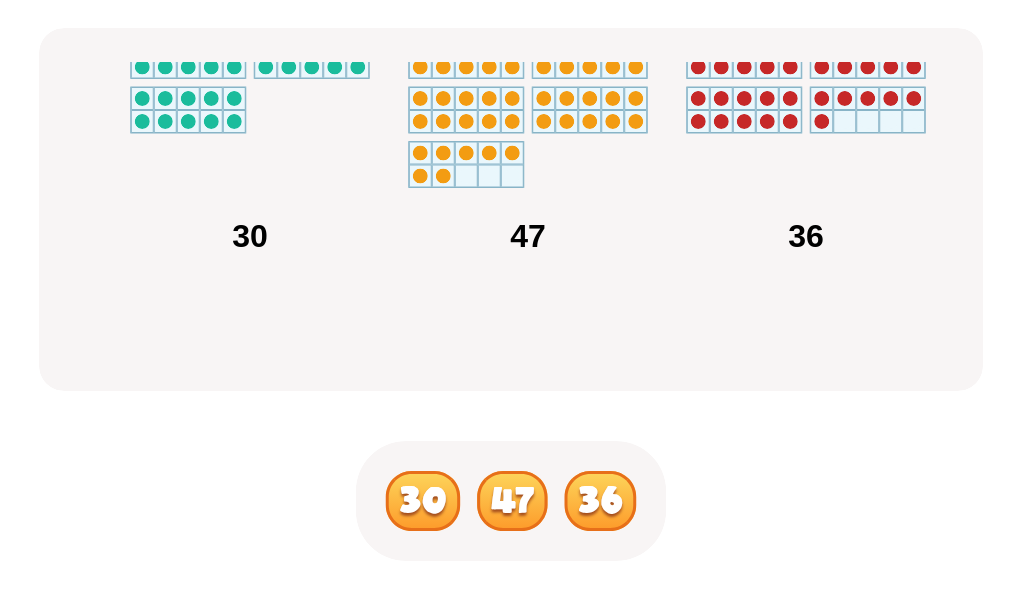
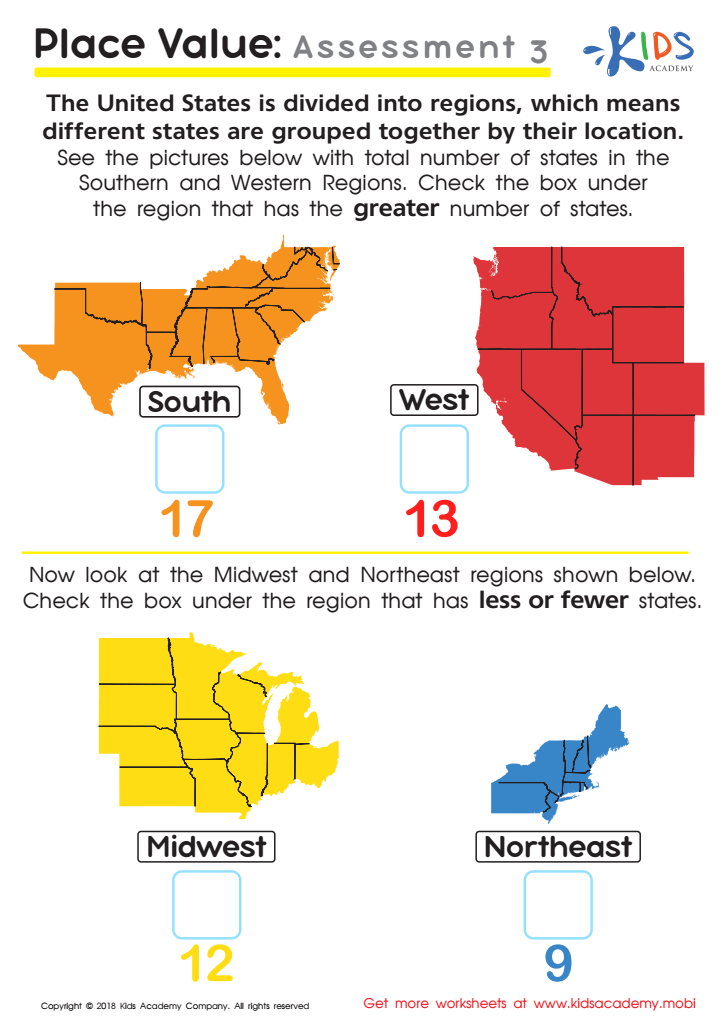
Place Value: Assessment 3 Worksheet
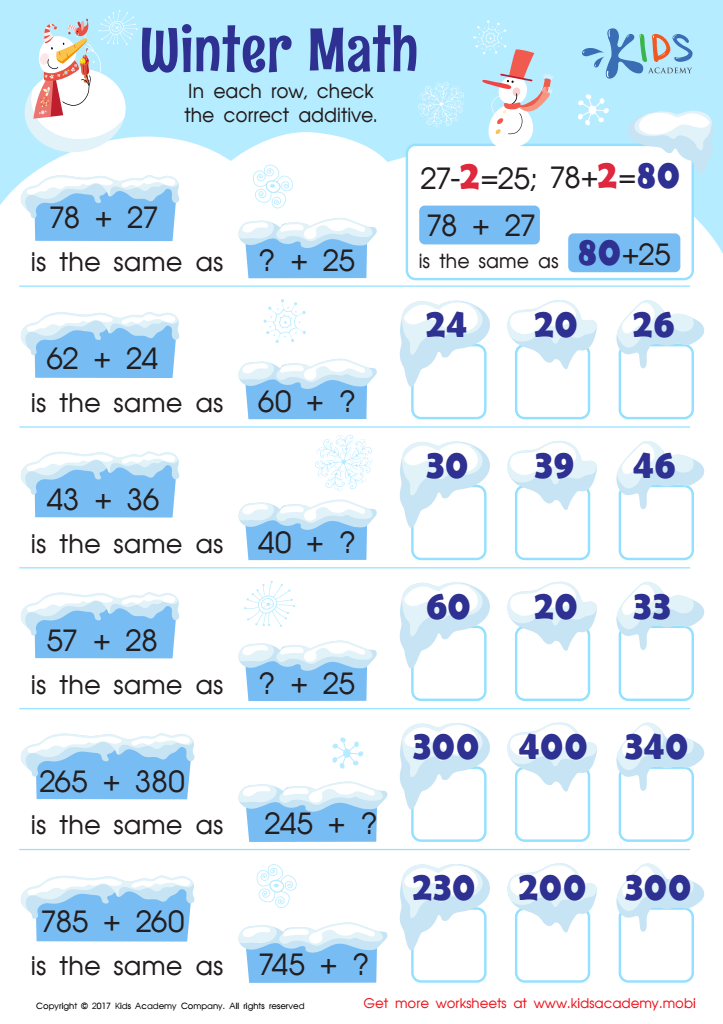
Free Addition Worksheet





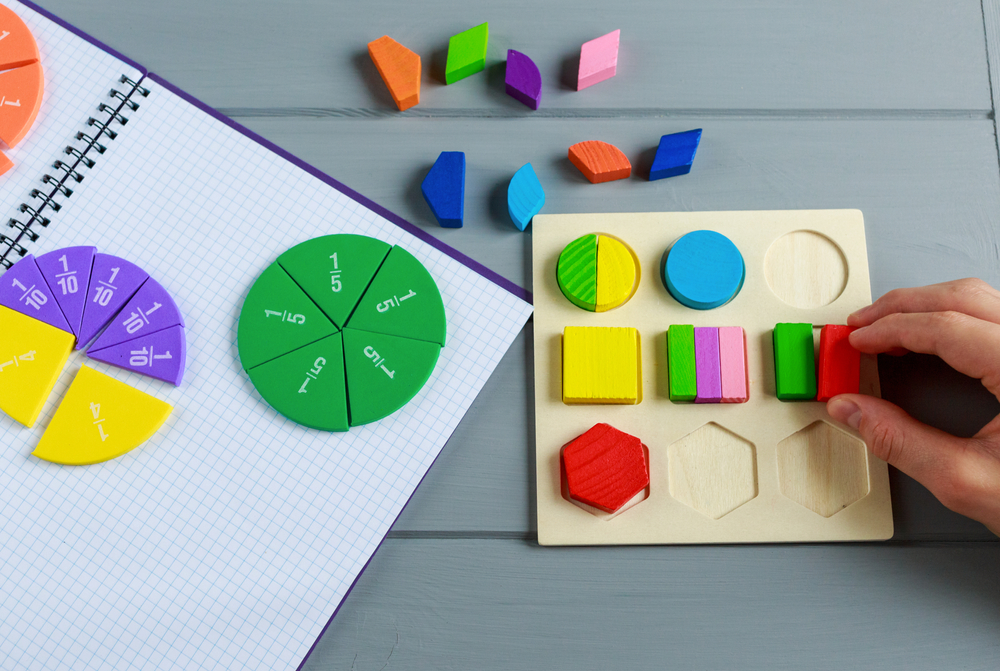


Counting skills and the ability to compare numbers are foundational math competencies crucial for children aged 4-9. These early math skills are the building blocks for future mathematical understanding and problem-solving abilities.
Firstly, counting teaches children basic number recognition and order. When young learners count objects, they practice one-to-one correspondence, ensuring they match one number to each item correctly. This activity refines their ability to recognize quantities and thus forms the stepping stone for more advanced arithmetic operations like addition and subtraction.
Secondly, comparing numbers helps children understand concepts of quantity, which are essential for everyday decision-making. When kids can discern which number is larger or smaller, they develop critical thinking skills and learn to make reasoned decisions based on numerical data.
Furthermore, mastery of these skills builds confidence and a positive attitude toward math, making children more likely to tackle advanced mathematical concepts with eagerness and curiosity as they grow older.
In the broader educational context, early proficiency in counting and number comparison aligns with curricular standards and prepares children for standardized testing and classroom activities. Lastly, these skills are essential in real-life situations like sharing toys, shopping, or even baking, making them invaluable for practical day-to-day use.
Ultimately, strong counting and number comparison skills establish a solid foundation, setting children up for success both academically and in their everyday lives.