Interpreting data Normal Numbers Worksheets for Ages 4-9
3 filtered results
-
From - To
Elevate your child's numeracy skills with our "Interpreting Data Normal Numbers Worksheets for Ages 4-9." Designed specifically for young learners, these engaging worksheets teach kids how to understand and interpret data through fun and interactive activities. Students will enhance their ability to identify, compare, and analyze numerical information, laying a strong foundation for future math success. Tailored for ages 4-9, each worksheet is crafted to build confidence and problem-solving abilities in a supportive, age-appropriate manner. Help your child discover the joy of learning with our expertly designed educational tools.
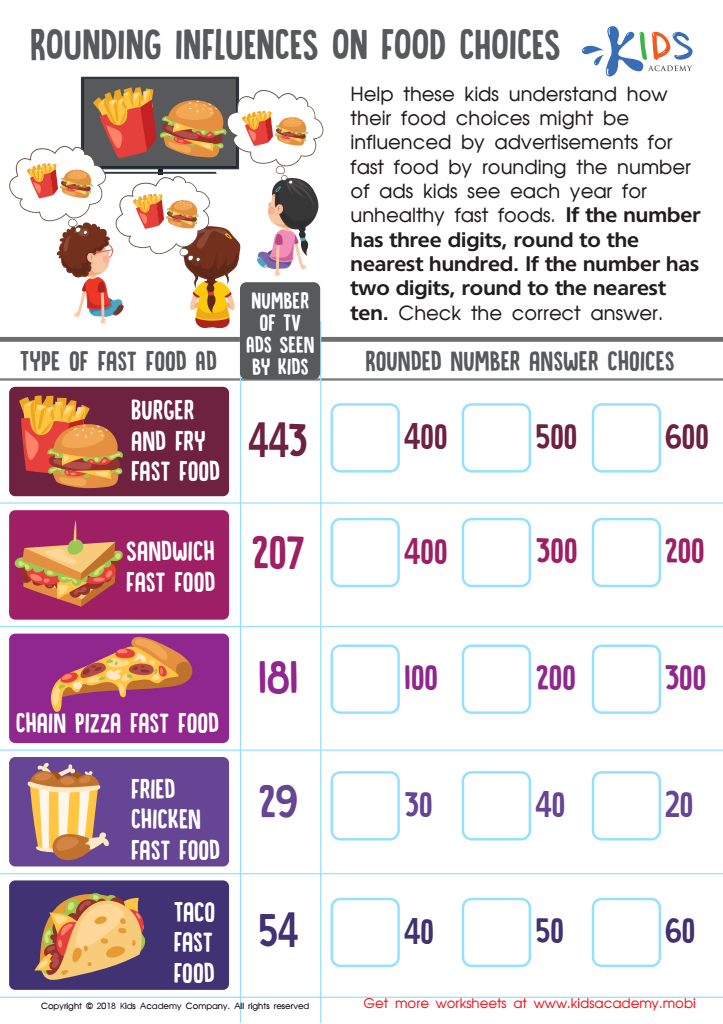
Rounding Influences Food Choices Worksheet
 Assign to My Students
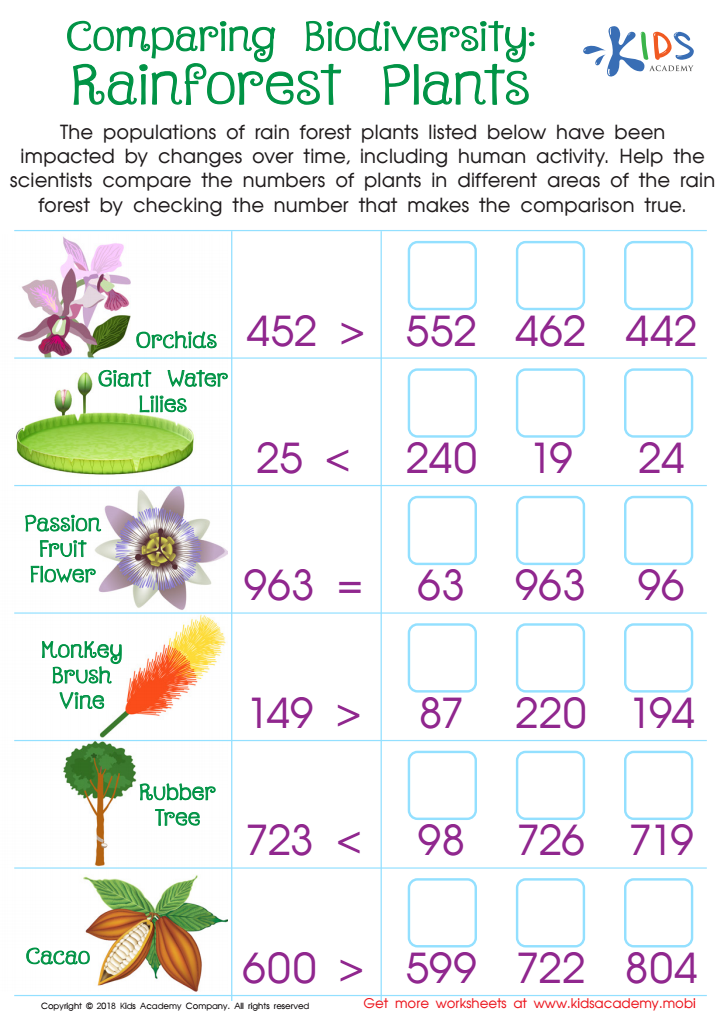
Comparing Biodiversity: Rainforest Plants Worksheet
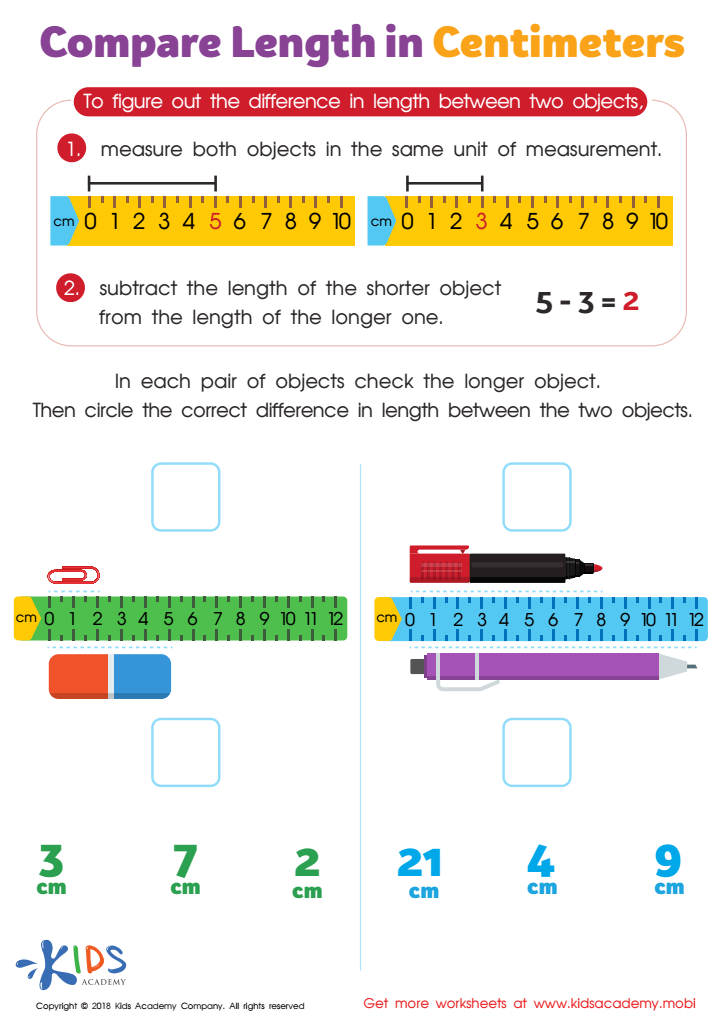
Compare Length in Centimeters Worksheet








Interpreting data and understanding "normal numbers" for children ages 4-9 is crucial for both parents and teachers, as these metrics provide valuable insights into a child's development. Normal numbers typically refer to benchmarks or average values in areas such as physical growth, cognitive abilities, and social skills, which are vital to ensuring a child is on track.
For parents, being aware of these benchmarks allows them to monitor their child's growth effectively. It helps in identifying any potential delays or deviations early on, whether in language skills, motor abilities, or academic readiness. Timely intervention can be crucial for addressing any developmental concerns, and being proactive can significantly improve a child's future learning and social experience.
For teachers, understanding normal numbers assists in tailoring instruction methods to meet the individual needs of students. It aids in designing suitable curriculum activities that promote optimal learning and can also help in identifying children who might need extra support or advanced challenges. By being aware of developmental standards, teachers can work closely with parents to implement effective strategies that encourage consistent growth across all developmental domains.
Overall, understanding and interpreting these insights are key in fostering a supportive and responsive environment crucial for a child's holistic development.








