Enhancing critical thinking Normal Math Worksheets for Ages 4-9
6 filtered results
-
From - To
Enhance your child's critical thinking skills with our specialized math worksheets designed for ages 4-9. These thoughtfully crafted activities cover key math concepts while fostering analytical and problem-solving skills. Each worksheet challenges young learners to think beyond basic computations, engaging them in exercises that require logic, reasoning, and understanding of mathematical principles. Perfect for classroom use or at-home practice, our worksheets not only bolster math proficiency but also prepare children for more complex tasks. Invest in your child's cognitive development and watch their confidence soar with these essential learning tools. Start today and make math both fun and educational!

Identifying Living and Non–living Things Sorting Worksheet
 Assign to My Students
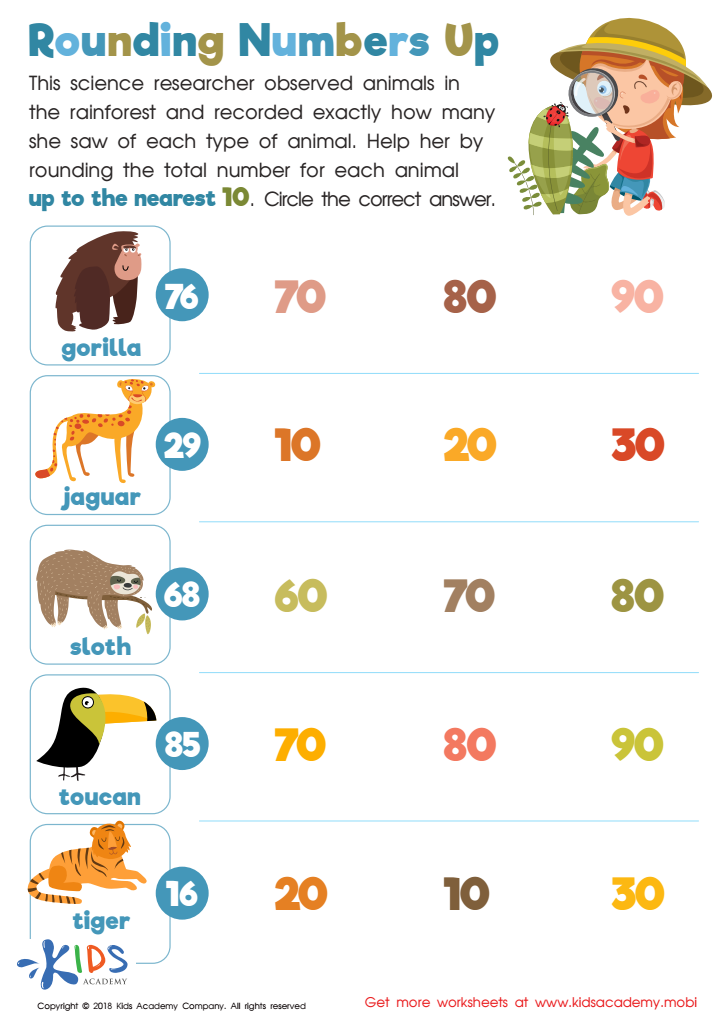
Rounding Numbers Up Worksheet
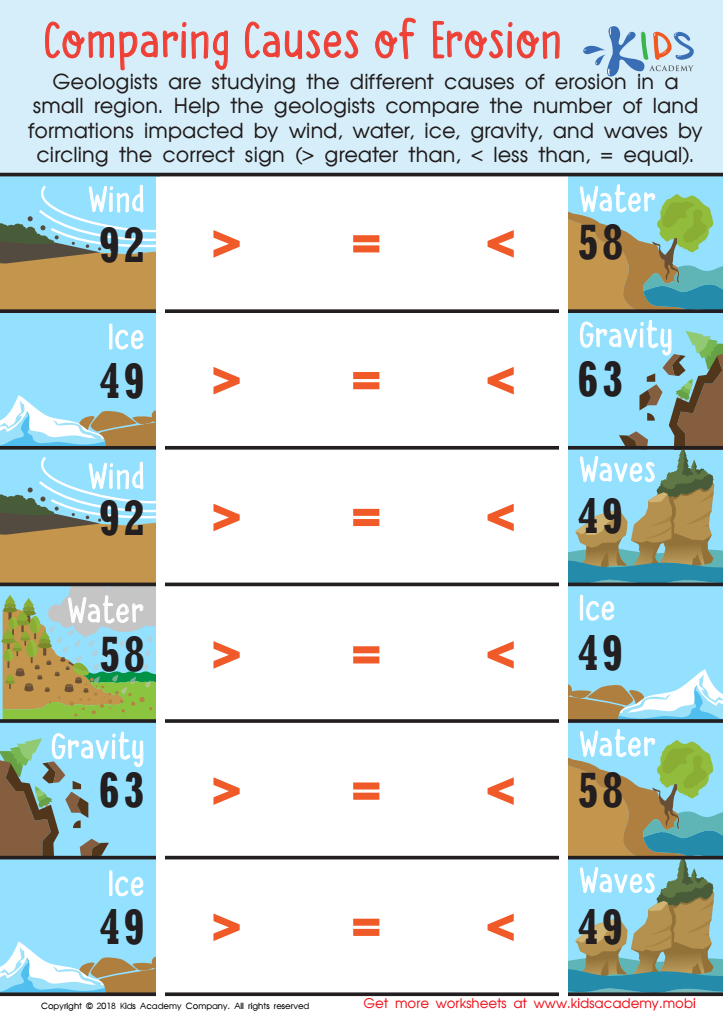
Comparing Causes of Erosion Worksheet
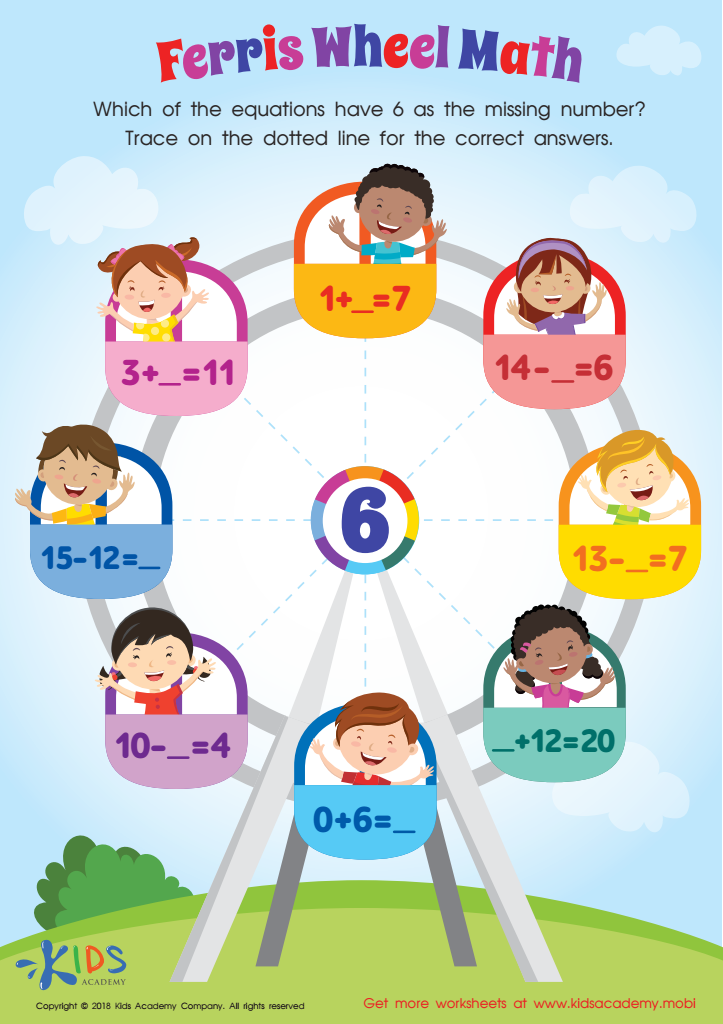
Missing Number: Ferris Wheel Math Worksheet
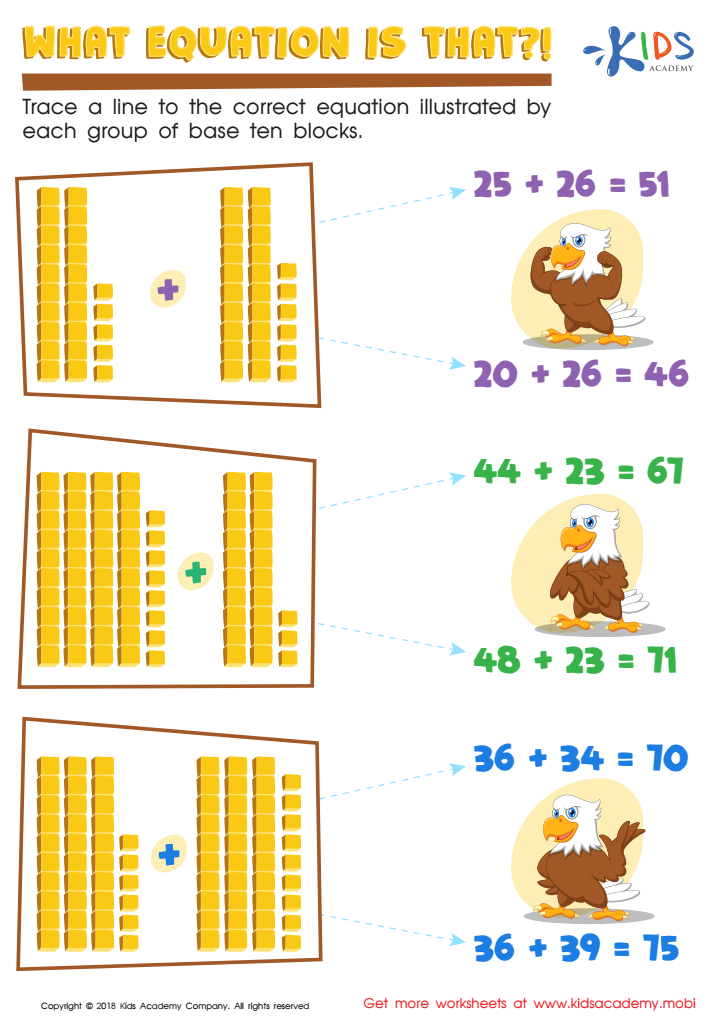
What Equation Is That? Worksheet
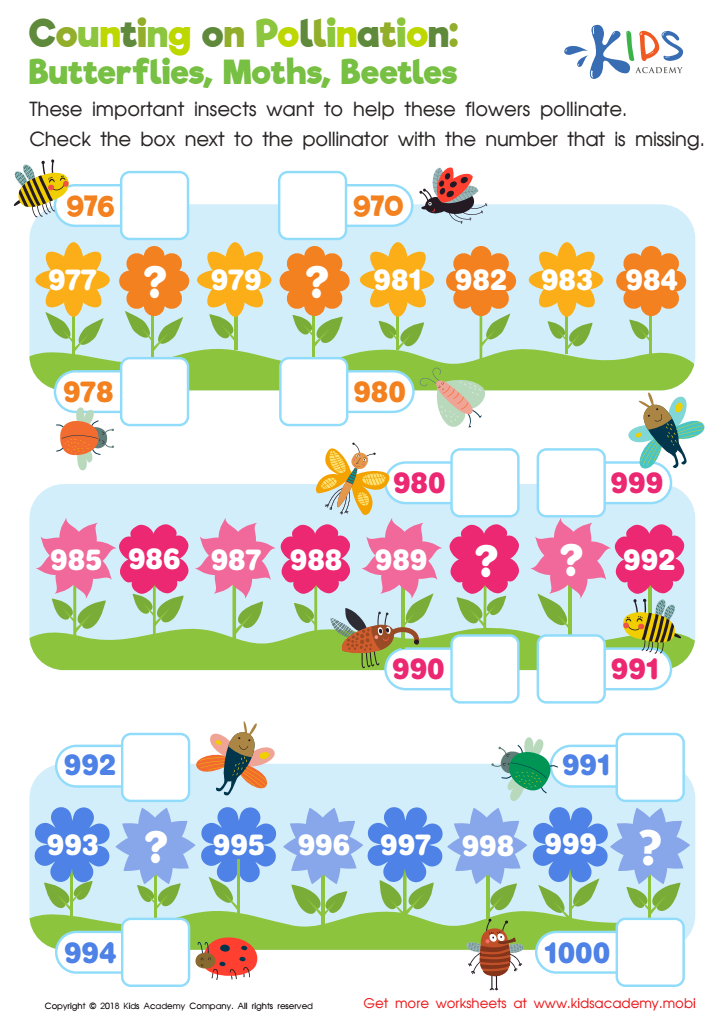
Counting on Pollination: Butterflies, Moths, Beetles Worksheet








Enhancing critical thinking in normal math for ages 4-9 is crucial because it lays the foundation for a child's cognitive development and problem-solving skills. At this formative stage, children quickly absorb new information, so cultivating their ability to think critically about mathematical concepts pays long-term dividends. When students are encouraged to go beyond rote memorization and actively engage with problems, they develop better comprehension and flexibility in using math in real-world scenarios.
Critical thinking in math fosters curiosity and independence, as children learn to ask questions, identify patterns, and explore various solutions. This approach not only aids in mastering math concepts but also builds confidence and perseverance when faced with challenges. These cognitive skills are transferable, enhancing overall academic performance and enabling better decision-making in everyday life.
Moreover, fostering early math critical thinking helps in narrowing educational gaps. Children who think critically about math are less likely to adopt a fixed mindset regarding their abilities, thereby fostering a growth mindset. Teachers and parents who emphasize critical engagement in math also help kids develop lasting positive attitudes toward learning and problem-solving, preparing them for more advanced education and STEM opportunities.
By prioritizing critical thinking in elementary math, we empower children to become confident, curious, and capable thinkers, prepared to navigate a complex world.








