Enhancing observation skills Normal Math Worksheets for Ages 4-9
5 filtered results
-
From - To
Discover our "Enhancing Observation Skills Normal Math Worksheets" designed specifically for children aged 4-9. These engaging worksheets aim to boost your child's observational abilities while fostering essential math skills. By encouraging students to explore patterns, shapes, and numbers through enjoyable activities, our resources help build a strong foundation for future learning. Each worksheet is developed to ensure age-appropriate challenges that captivate young minds. Perfect for use at home or in the classroom, these materials serve as a fun way for children to enhance their critical thinking and cognitive skills. Start your child's learning journey today with our thoughtfully crafted worksheets!
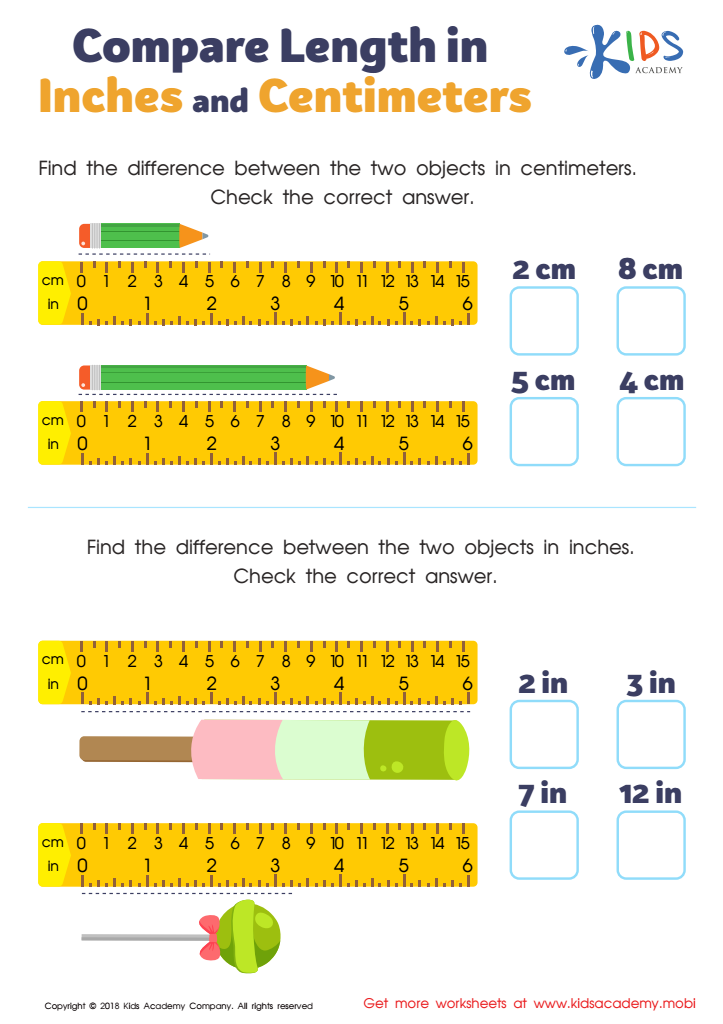
Compare Length in Inches and Centimeters Worksheet
 Assign to My Students
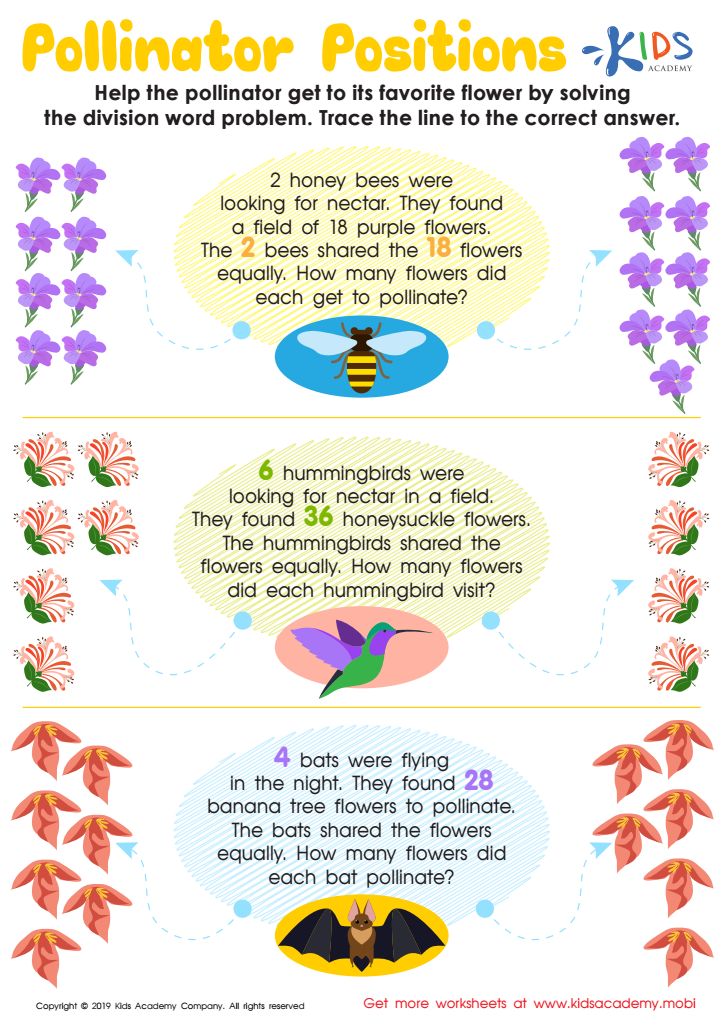
Pollinator Positions Worksheet
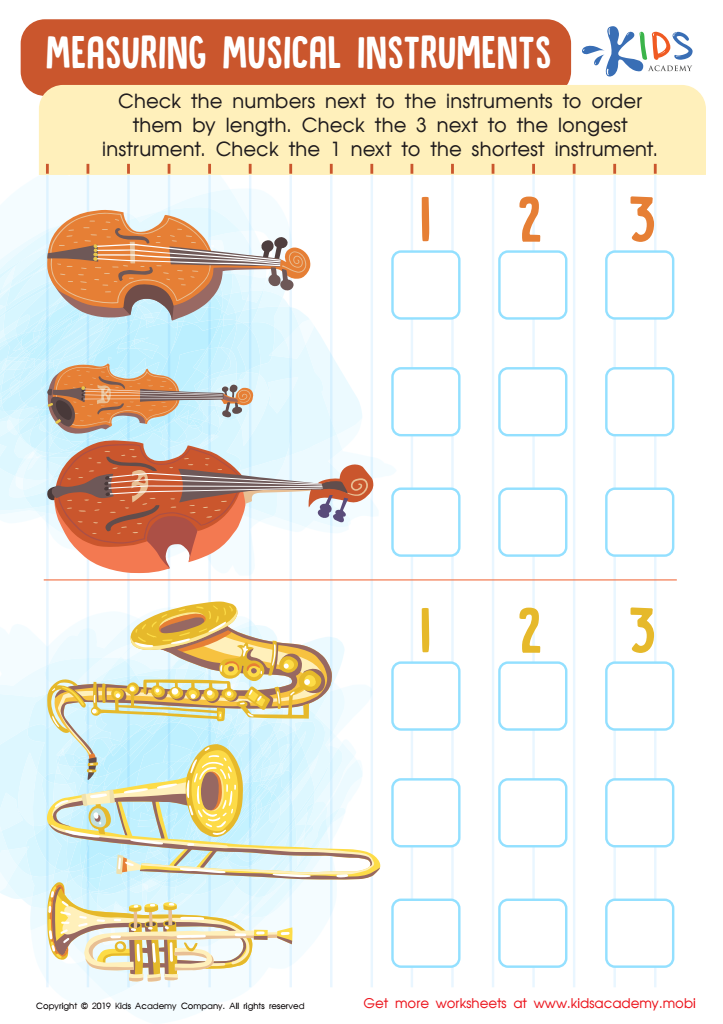
Measuring Musical Instruments Worksheet
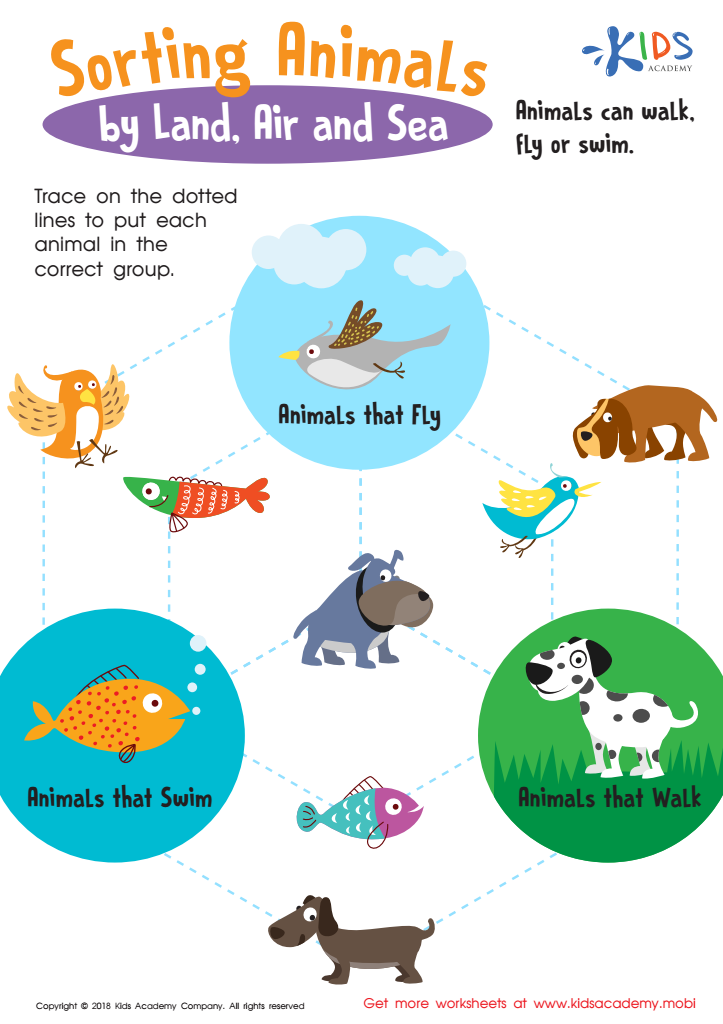
Sorting Animals by Land, Air and Sea Worksheet
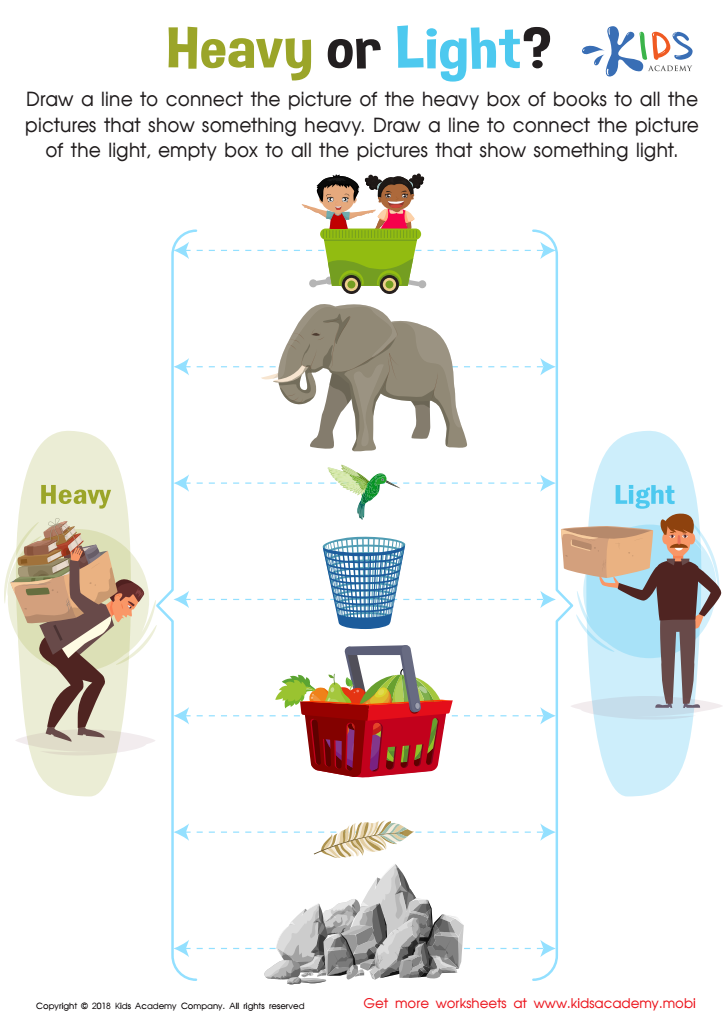
Heavy or Light? Worksheet





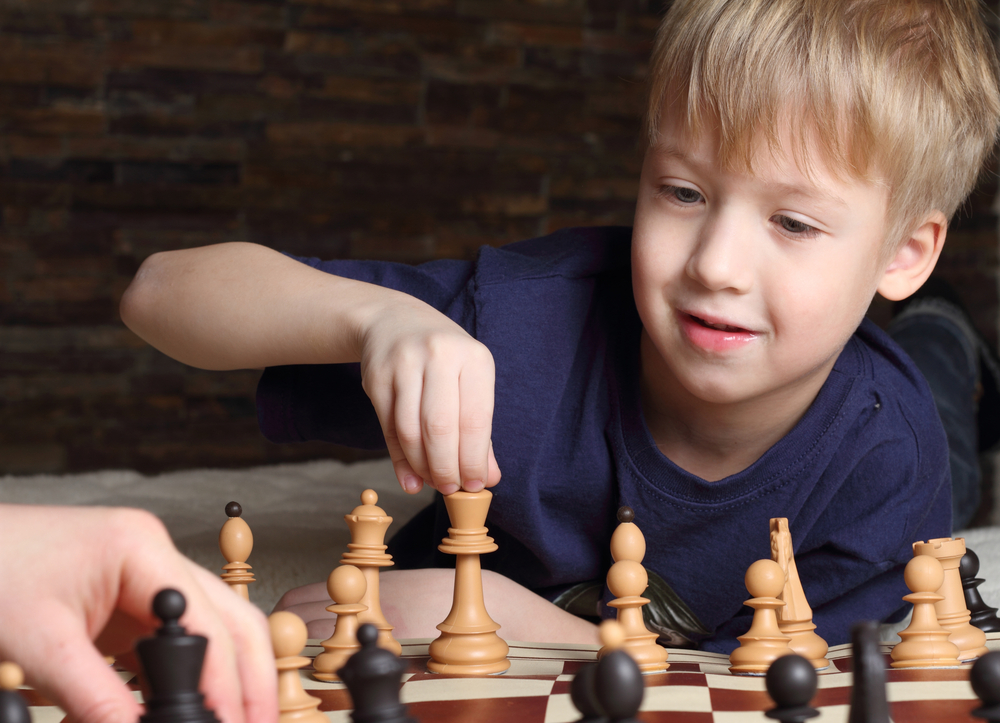


Enhancing observation skills in young learners, especially in mathematics for ages 4-9, is essential for several reasons. First, strong observation skills lay the foundation for critical thinking and problem-solving. When children learn to observe patterns, shapes, and relationships in numbers and objects, they become better equipped to make connections and build mathematical understanding.
Additionally, observation plays a key role in developing measurement and spatial awareness, which are crucial components of early math learning. By encouraging children to notice details in their environment or within math tasks, both parents and teachers can foster curiosity and engagement, making math more relatable and enjoyable.
Furthermore, observation skills contribute to developing attention and focus, which are critical as children progress in their academic journey. By honing these skills in early childhood, educators create learners who are more adept at understanding complex concepts as they advance.
Finally, enhancing observation skills also supports social-emotional growth, as children learn to communicate their ideas and share observations with peers, promoting collaboration and teamwork. In artful integration with math, such skills empower children to become confident, independent thinkers and lifelong learners, thus benefiting their overall academic success and personal development.








