
Understanding symmetry Normal Math Worksheets for Ages 4-9
3 filtered results
Difficulty Level
Grade
Age
-
From - To
Subject
Activity
Standards
Explore our engaging "Understanding Symmetry Normal Math Worksheets" designed for children aged 4 to 9! These worksheets provide a fun and interactive way for young learners to grasp the concept of symmetry through colorful visuals and hands-on activities. Ideal for reinforcing essential math skills, the worksheets cover various exercises, including identifying symmetrical shapes and completing patterns. Teachers and parents can use these resources to enhance geometry understanding and encourage creativity in math learning. Whether in the classroom or at home, our worksheets make learning about symmetry enjoyable and accessible! Download now to support your child's mathematical journey.
Favorites
With answer key
Interactive
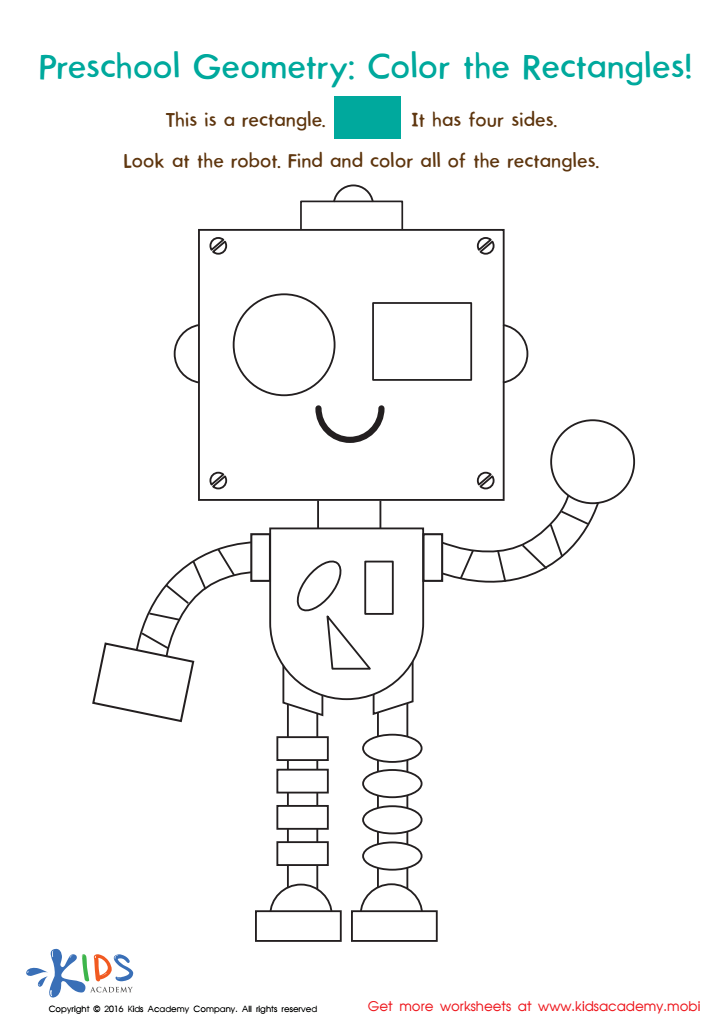
Geometry Worksheet
Geometry can be fun for kids! They explore shapes that create their favorite pics and objects. This preschool worksheet explains that rectangles have four sides, then kids color rectangles on a funny robot!
 Assign to My Students
Geometry Worksheet
Worksheet
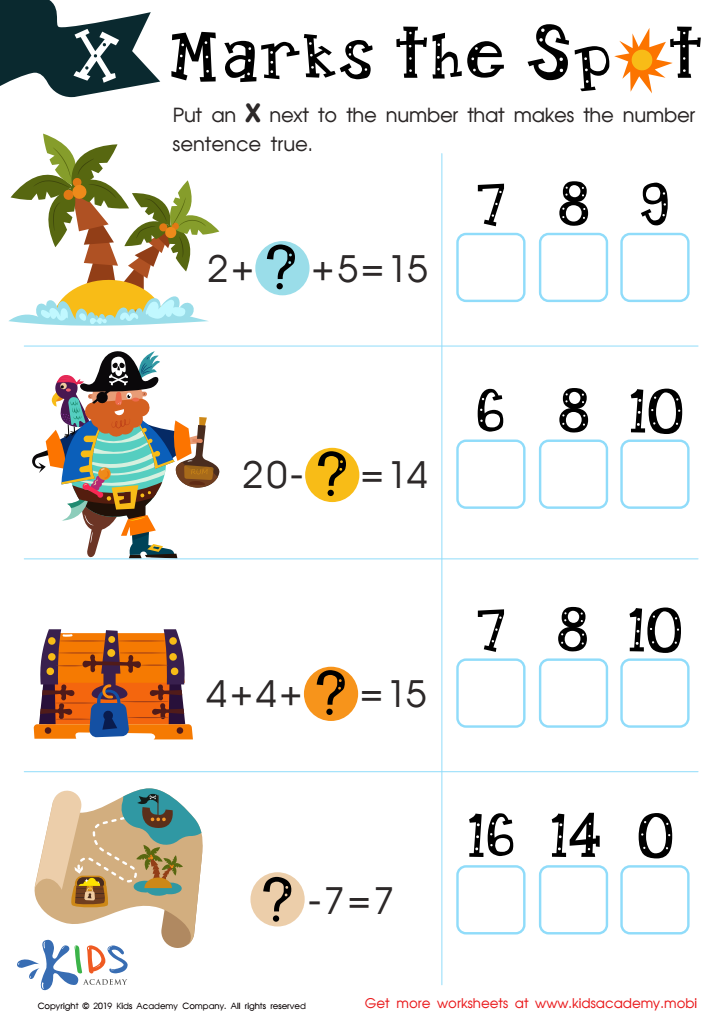
X Marks the Spot Worksheet
Let your kids explore the world of pirates! Ask them what they know about them, what they do and the phrases they like. Download the printout and point at the images, asking them to tell you what they see. Help them tick the box for the number that makes the sentence true. Let them have fun learning about pirates! (80 words)
X Marks the Spot Worksheet
Worksheet
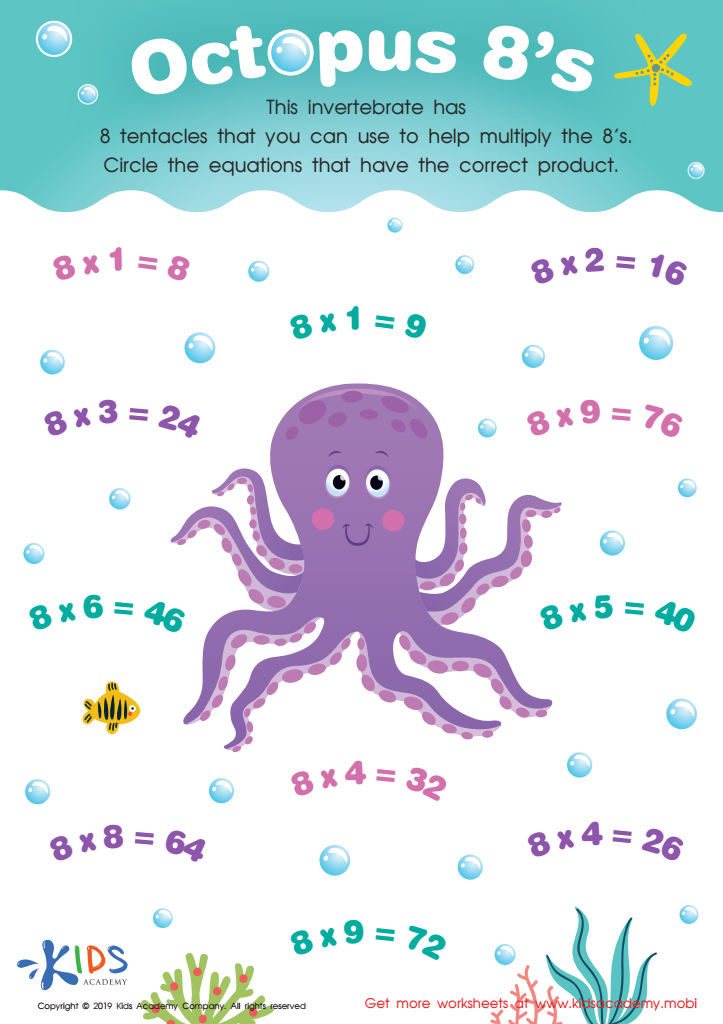
Octopus 8’s Worksheet
Can your child identify the octopus in the worksheet? It's an invertebrate with 8 tentacles. Have your child circle the equations with the correct products, and see if they can tell you some other features of the octopus too.
Octopus 8’s Worksheet
Worksheet
Join Kids Academy for Free
Who is primarily going to use this learning content?



.jpg)
.jpg)



Understanding symmetry is a vital element in the mathematical development of children aged 4-9, forming a foundation for more complex concepts in geometry and spatial reasoning later on. For parents and teachers, fostering an appreciation for symmetry can be a pleasant way to integrate math into everyday life. Children as young as four begin to explore the world through shapes and patterns; encouraging them to identify symmetrical objects helps enhance their observational skills.
Recognizing symmetry not only builds a child's visual-spatial skills but also promotes critical thinking. It aids in developing abilities like problem-solving and logical reasoning, laying the groundwork for future learning in mathematics. Furthermore, the concept of symmetry can be linked to creativity as children often engage in art-related activities where they draw or craft symmetrical designs.
Additionally, discussing symmetry in conjunction with real-world examples, such as butterfly wings or human faces, makes learning relatable and enjoyable. Recognizing these patterns cultivates an enriching environment that drives curiosity and fosters a love for learning. Overall, the understanding of symmetry is a crucial stepping stone that builds confidence and competence in young learners’ mathematical comprehension.








