Visual discrimination Normal Math Worksheets for Ages 4-9
8 filtered results
-
From - To
Boost your child's math skills with our Visual Discrimination Normal Math Worksheets designed for ages 4-9. At Kids Academy, we understand that keen observation is key to mathematical success. These engaging worksheets help young learners enhance their visual discrimination abilities, crucial for recognizing patterns, comparing shapes, and differentiating numbers. Fun and educational activities cater to varying difficulty levels, making learning enjoyable and effective. Prepare your child for a strong mathematical foundation while keeping them entertained with colorful, thoughtfully crafted worksheets. Visit Kids Academy and unlock your child's potential with our expertly designed visual discrimination math resources!
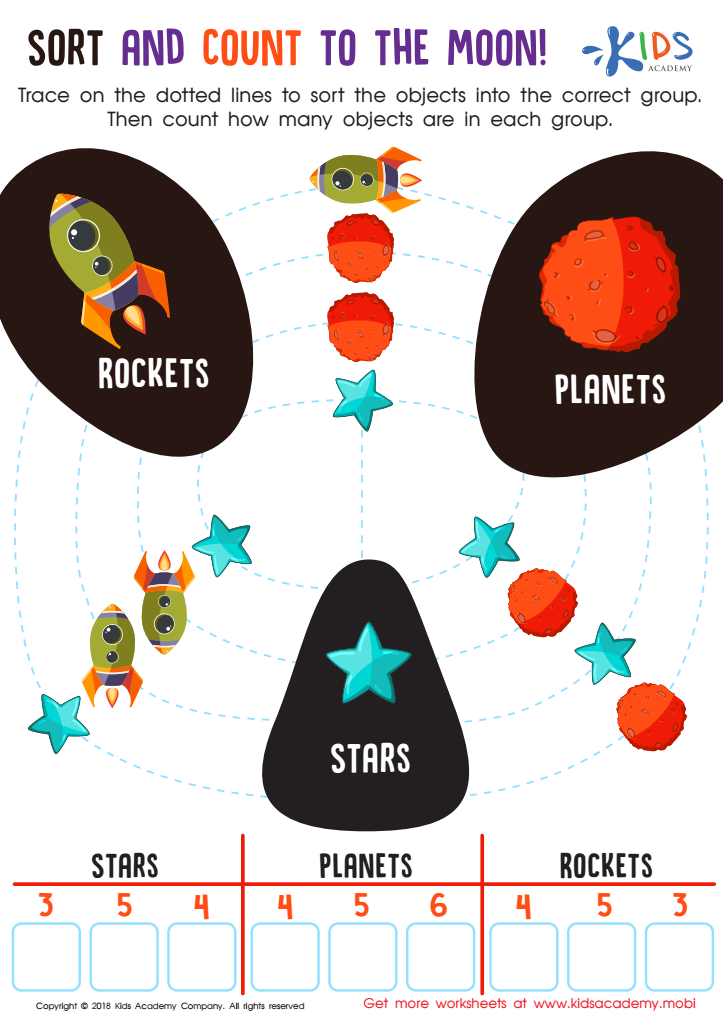
Sort and Count to the Moon Worksheet
 Assign to My Students
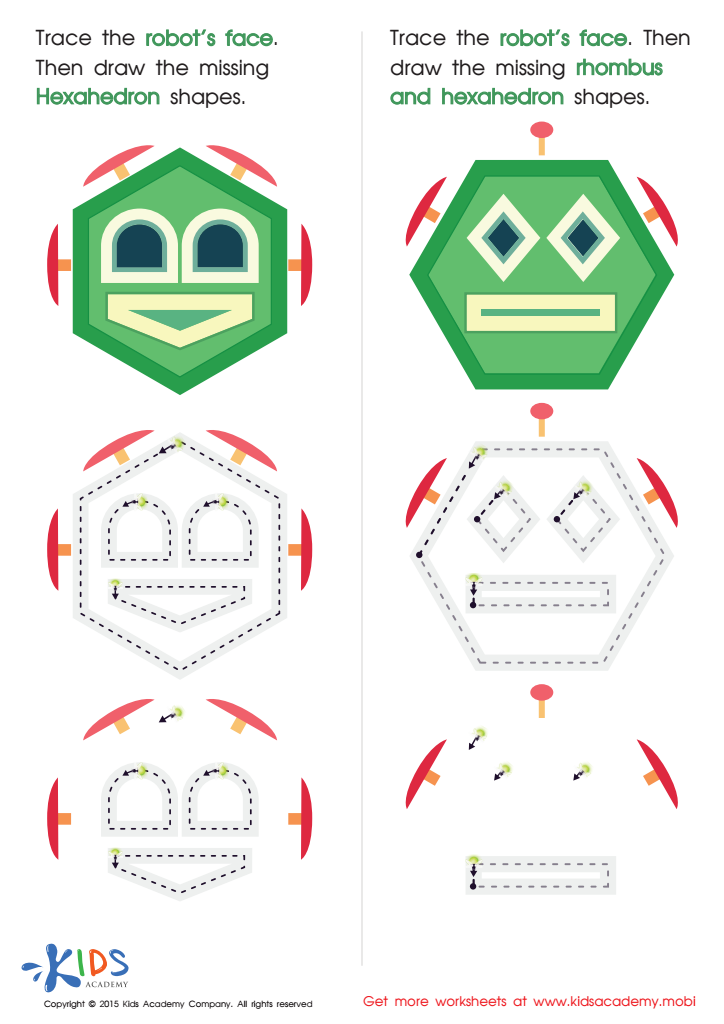
Practice Drawing Hexahedrons And a Rhombus Worksheet
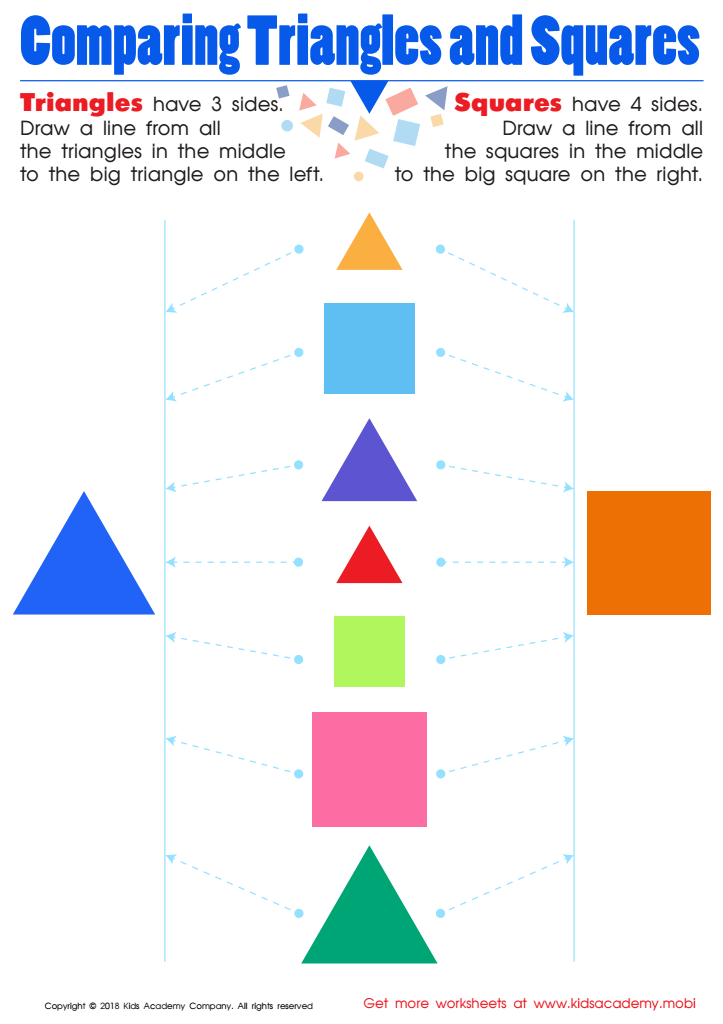
Comparing Triangles Squares Worksheet
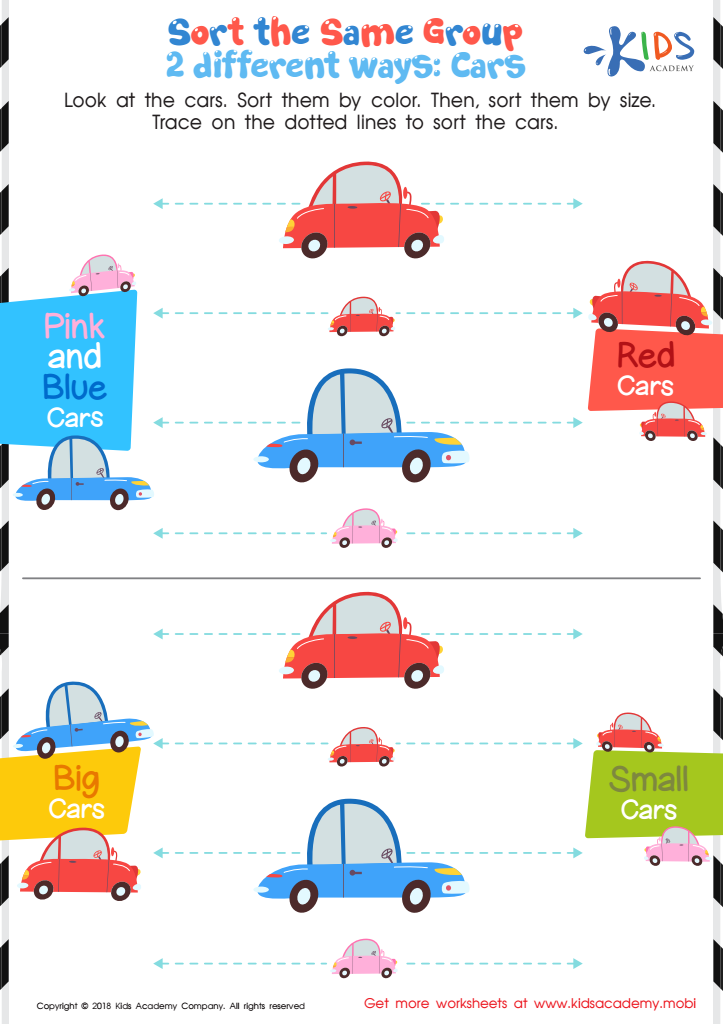
Sort the Same Group 2 Different Ways: Cars Worksheet
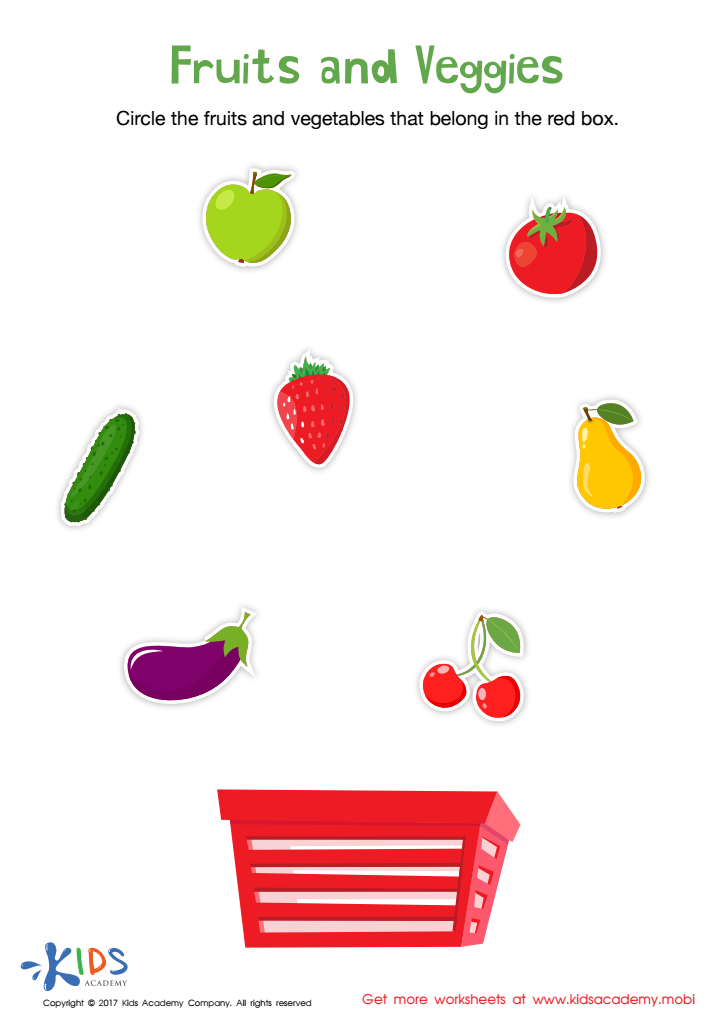
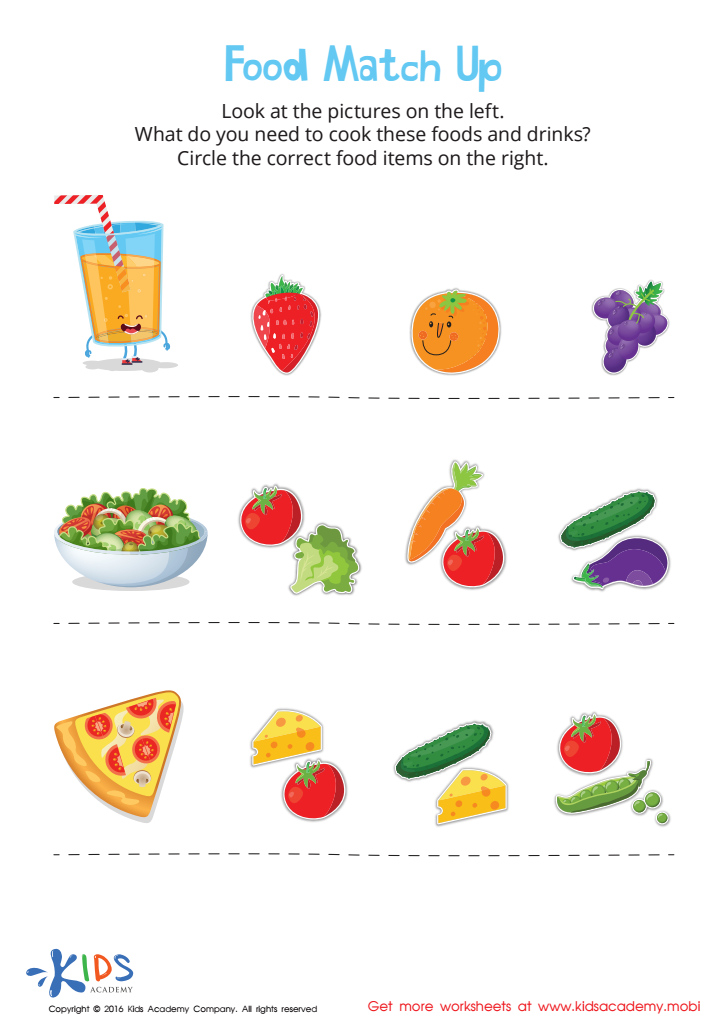
Food Match Up Worksheet
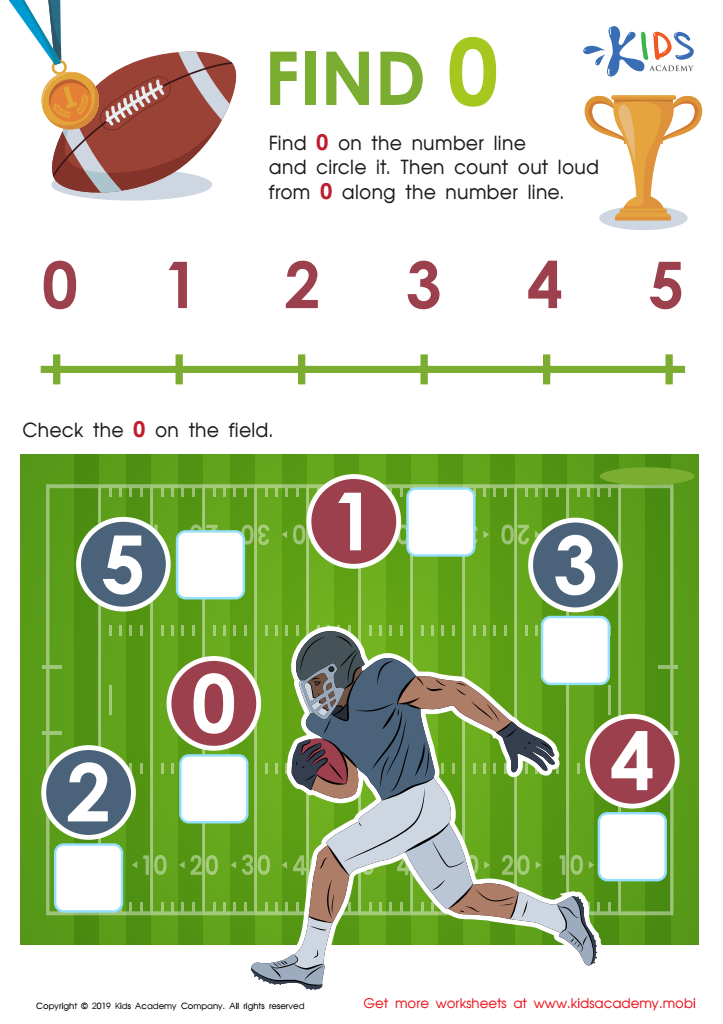
Find 0 Worksheet
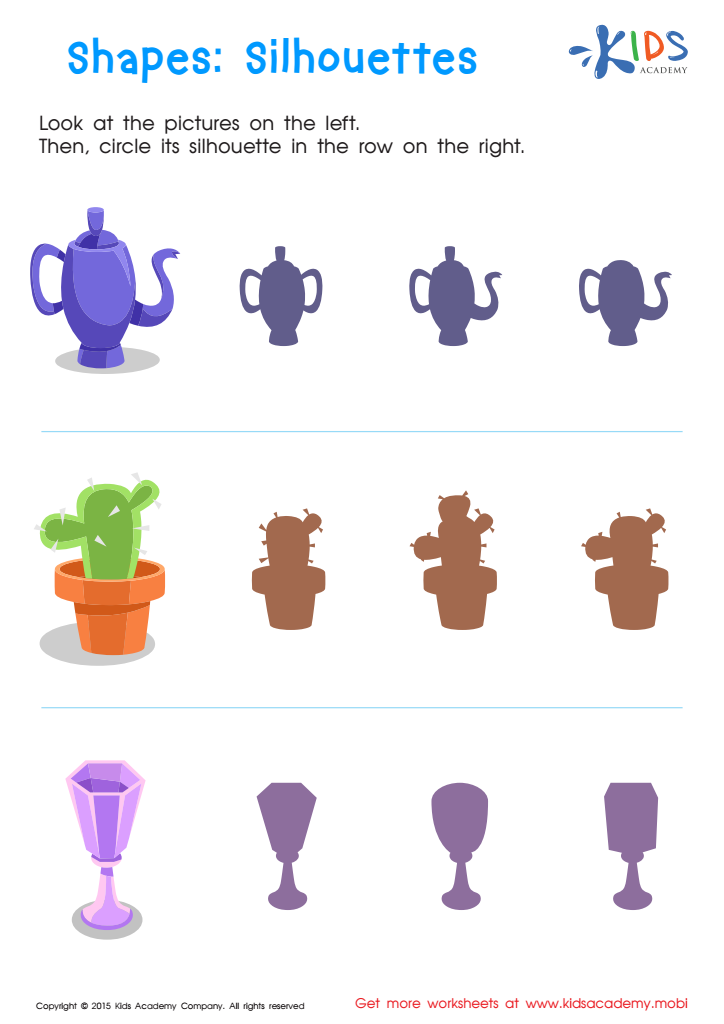
Silhouettes – Shapes Worksheet





.jpg)


Visual discrimination involves the ability to recognize details, differences, and similarities between visual stimuli. This skill is crucial for early math development, particularly for children aged 4-9, because it underpins various foundational concepts and activities they encounter in the learning process.
For instance, visual discrimination enables children to identify and distinguish between numbers and symbols, which is essential for basic arithmetic operations. This includes recognizing differences between similar-looking numbers, such as 6 and 9 or 1 and 7, and symbols like "+" and "-", which can significantly affect their math performance and understanding.
Moreover, visual discrimination aids in pattern recognition, a component of early math that enhances problem-solving skills. Children learn to observe, replicate, and extend patterns, activities that create a solid groundwork for more complex mathematical concepts later.
Additionally, strong visual discrimination skills support the accurate reading and interpretation of graphical data, such as charts and graphs, which become more integral in later grades. Teachers focusing on improving these skills can leverage engaging visual activities and games, while parents can support through playful and constructive visual environments at home.
A keen attention to developing visual discrimination ensures children are not only competent in their early math endeavors but are also equipped with skills that benefit their overall cognitive development and academic progression.








