Filters

7 filtered results

Clear all filters
Favorites
With answer key
Interactive

7 filtered results

Difficulty Level

Grade


Cognitive Development Normal Building Vocabulary Worksheets for Ages 4-9 are designed to enhance young learners' language skills through engaging activities. These worksheets focus on expanding vocabulary, improving comprehension, and fostering critical thinking abilities in children. Ideal for educators and parents, our resources offer age-appropriate exercises that encourage interactive learning and creativity. With fun illustrations and diverse exercises, these worksheets not only make learning enjoyable but also support cognitive growth in an essential developmental stage. Boost your child's confidence in reading and communication with our thoughtfully curated vocabulary-building worksheets, providing a solid foundation for future academic success. Celebrate your child's learning journey today!

Check out this FREE Trial Lesson on Building Vocabulary for age 4-9!

Demonstrate Understanding of Frequently Occurring Verbs and Adjectives by Relating Them to Their Opposites

Favorites
With answer key
Interactive
  • 4-9
  • Cognitive Development
  • Building Vocabulary
  • Normal
Word Match Reading Worksheet

Word Match Reading Worksheet

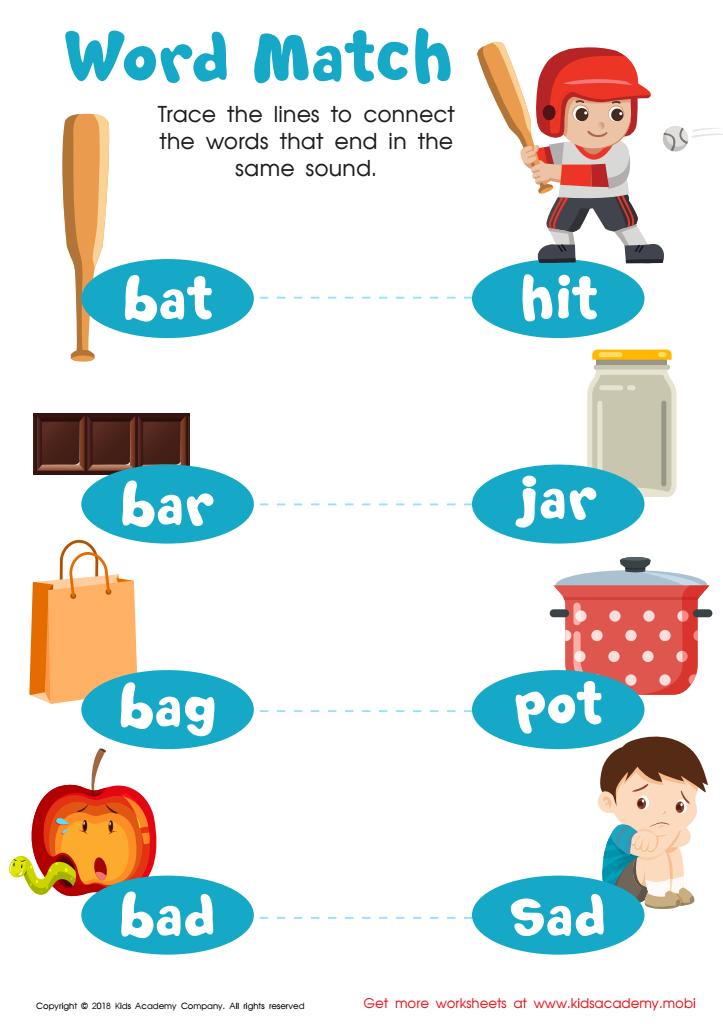
This printout helps children learn to read fluently by connecting words with the same sound. Colorful pictures aid understanding and context for kindergarten-level students. Tracing lines, they learn to identify the sounds made by letters of the alphabet and deepen their knowledge of phonics.
Word Match Reading Worksheet
Worksheet
Opposite Day Worksheet

Opposite Day Worksheet

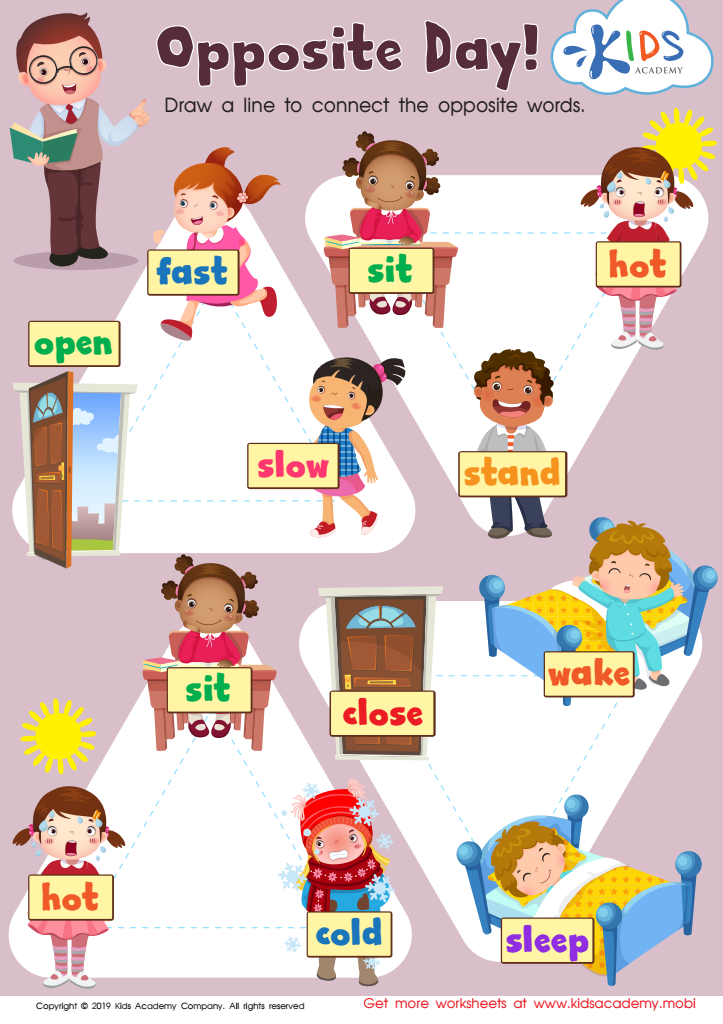
Early learners need to know about opposites to improve their higher-order thinking and critical thinking. This fun worksheet helps them understand the concept, practice opposite words, read high-frequency words and work on fine motor skills. Download the traceable PDF to get started.
Opposite Day Worksheet
Worksheet
Opposites on the Farm Worksheet

Opposites on the Farm Worksheet

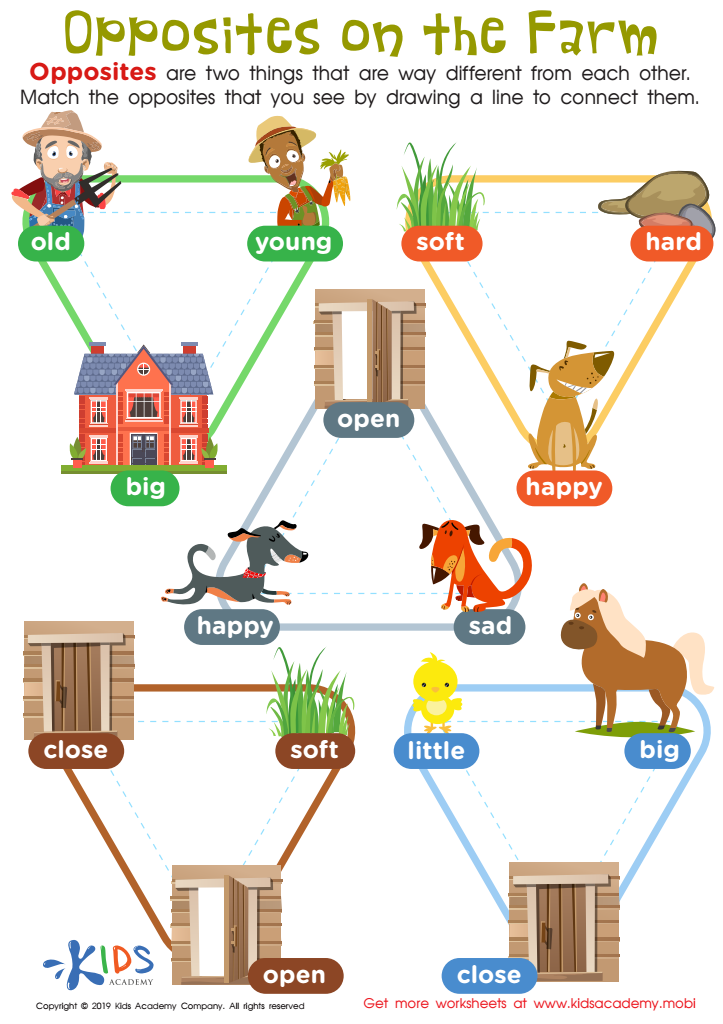
Teaching children the concept of opposites is important for their development. This worksheet offers a fun way to practice. Kids can use traceable lines to match farm imagery with pairs of opposites. It's a great way to help them compare and contrast, a key skill for reading, math, writing and more.
Opposites on the Farm Worksheet
Worksheet
Nature Word Search Worksheet

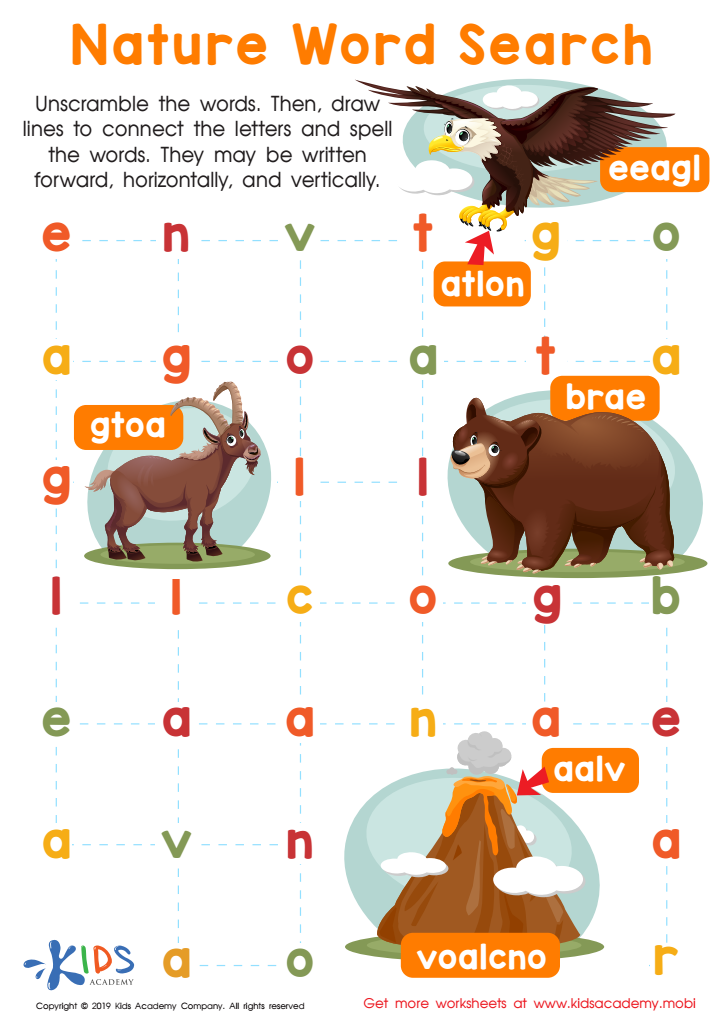
Nature Word Search Worksheet

Unscramble science vocabulary words and find them in this fun worksheet! Use the pictures as clues if you get stumped; you can also write down the words for reference. Solve the puzzle when you're done to finish!
Nature Word Search Worksheet
Worksheet
What Do We Wear in the Weather? Worksheet

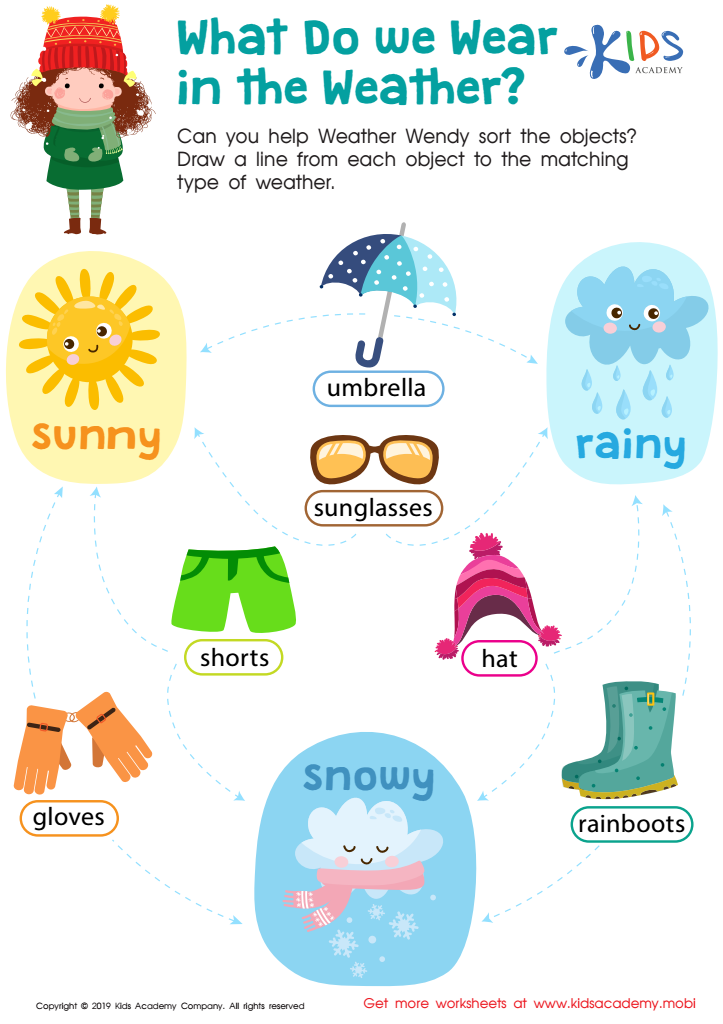
What Do We Wear in the Weather? Worksheet

This worksheet boosts young learners' everyday vocab with fun high-frequency weather words. They'll see and match familiar pictures to the words they read. Plus, it helps them develop fine motor skills. Perfect for preschoolers.
What Do We Wear in the Weather? Worksheet
Worksheet
Look Carefully Worksheet

Look Carefully Worksheet

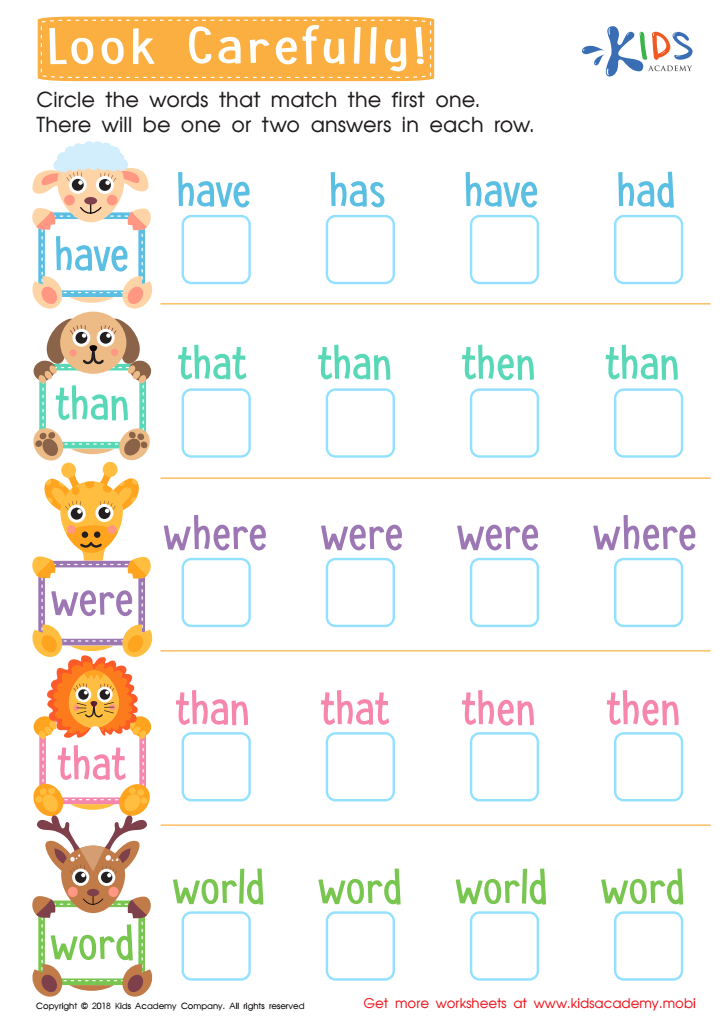
It's crucial to teach kids to identify sight words and become fluent readers. This free worksheet helps make it simpler for kids to learn the similarities and differences between similar words. They'll get practice by looking at the box word and selecting the one that matches from the row.
Look Carefully Worksheet
Worksheet
Animal Word Search Worksheet


Animal Word Search Worksheet

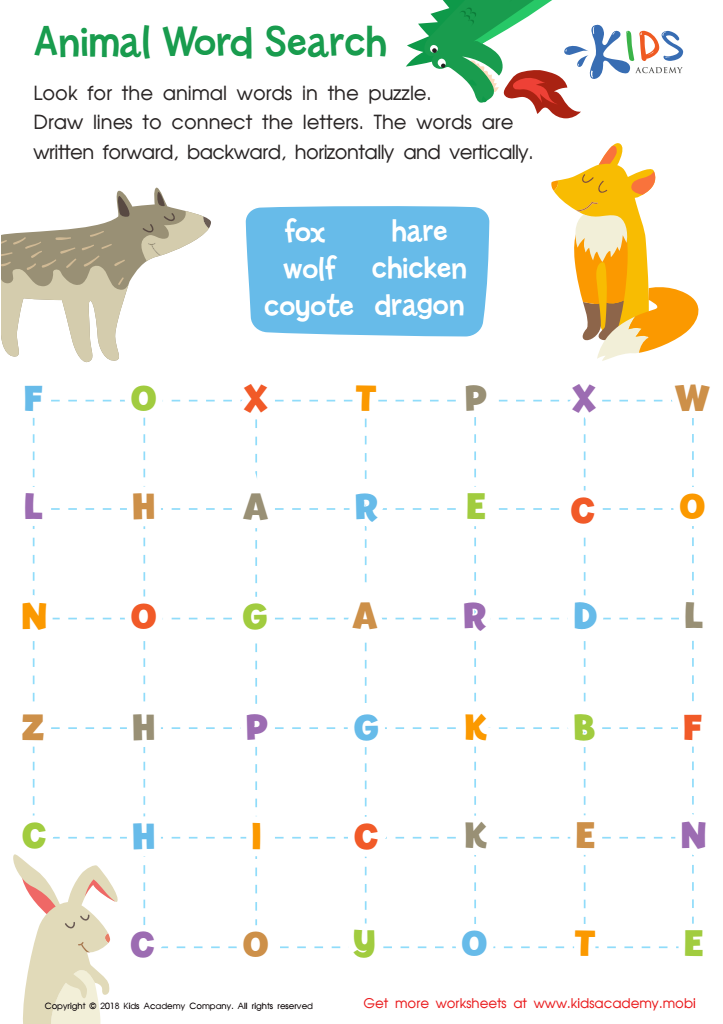
Students can have fun and strengthen spelling and vocabulary skills with this word search worksheet. Search for animal words and circle the letters in the puzzle. Words can be found forwards, backwards, horizontally or vertically, providing a great challenge to foster critical thinking skills. An enriching activity for all ages!
Animal Word Search Worksheet
Worksheet


Cognitive development is essential for children's overall growth, especially in the ages of 4 to 9, as this period is crucial for building foundational vocabulary. Parents and teachers should care about this aspect of development because a rich vocabulary is intrinsically linked to effective communication, critical thinking, and academic success. As children learn new words, they also enhance their cognitive abilities, enabling them to express thoughts, understand complex concepts, and engage with their environment more fully.

Building vocabulary during these formative years enhances reading comprehension, an important predictor of future academic achievement. Children with a stronger vocabulary are better equipped to tackle challenging texts and articulate their ideas, setting a solid groundwork for higher learning. Additionally, a robust vocabulary supports social-emotional development by allowing children to express their feelings and interact with peers more effectively.

Moreover, vocabulary development fosters curiosity and a love for learning. When children encounter and use new words, they become more engaged and motivated to explore their surroundings and ask questions, enhancing their cognitive and critical-thinking skills. Therefore, fostering vocabulary growth should be a priority for both parents and teachers, as it empowers children to thrive in all areas of life.