
Logical thinking Normal Reading Comprehension Worksheets for Ages 4-9
5 filtered results
Difficulty Level
Grade
Age
-
From - To
Subject
Activity
Standards
Enhance your child’s reading comprehension skills with our engaging Logical Thinking Worksheets designed for ages 4-9! These interactive resources help young learners connect ideas and draw conclusions, fostering critical thinking alongside their reading abilities. Each worksheet encourages children to analyze information, compare characters, and understand stories on a deeper level. Tailored to nurture cognitive growth, these activities blend fun with educational value, ensuring children remain motivated and eager to learn. Perfect for home or classroom use, our logical thinking worksheets are a valuable tool for developing not just literacy, but analytical skills that will benefit kids throughout their education. Explore today!
Favorites
With answer key
Interactive
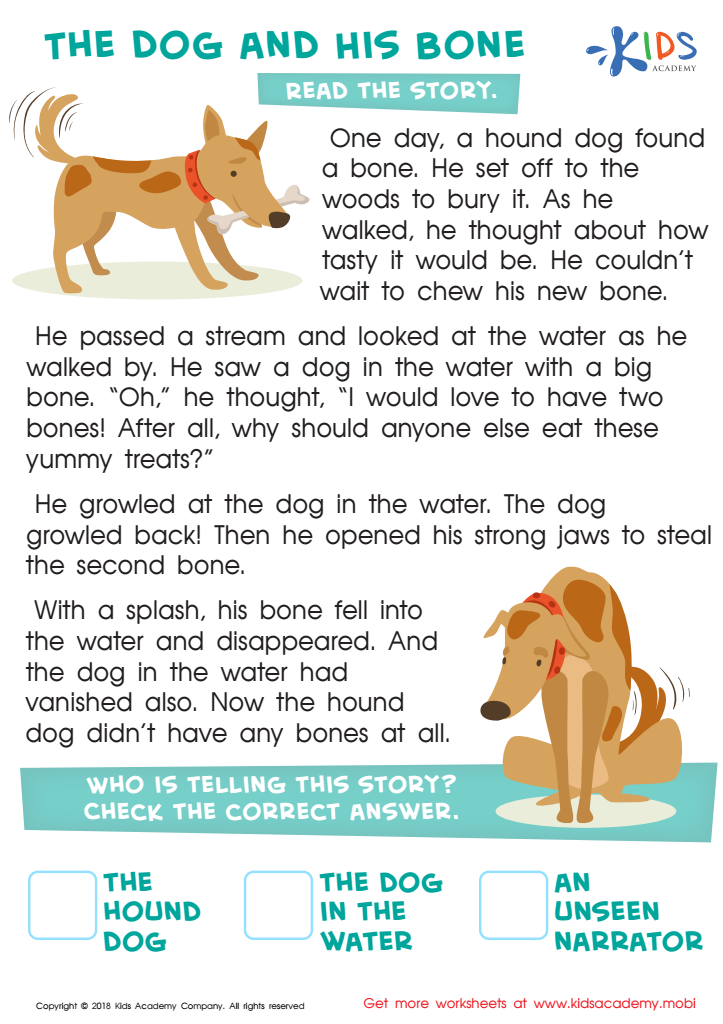
The Dog and His Bone Worksheet
Read the story of The Dog and His Bone to your kids, making sure they take in the details. Ask them the questions in this worksheet and help them check the answers. Encourage them to think carefully.
 Assign to My Students
The Dog and His Bone Worksheet
Worksheet
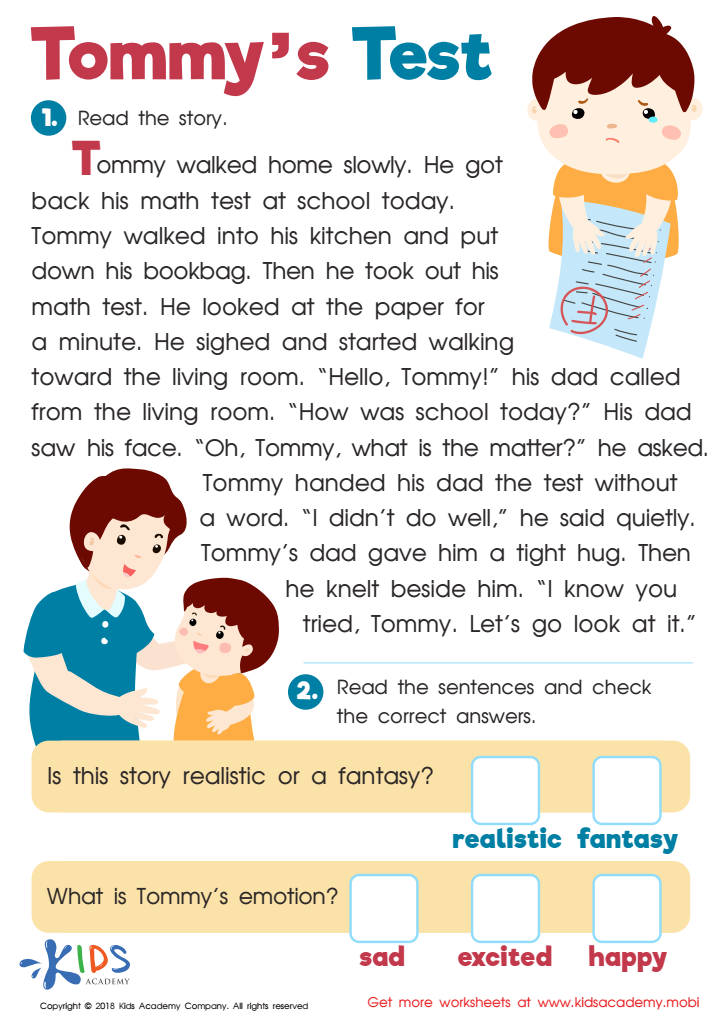
Tommys Test Worksheet
Reading short stories to your students builds a bond, teaches new words and lessons. Read the story aloud and then have them listen for details. Ask them the questions at the bottom and help them check the answers.
Tommys Test Worksheet
Worksheet
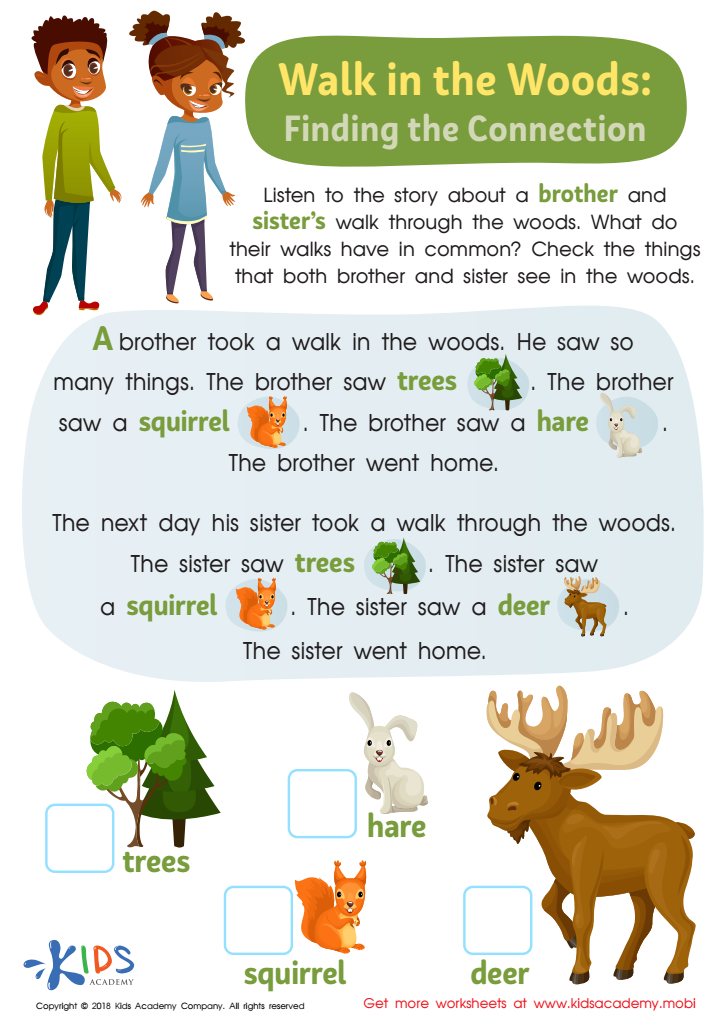
Walk In the Woods: Finding Connections Worksheet
Brother and sister took a walk in the woods to connect with nature and get some exercise. As they went, they noted different things like birds and plants, which they share in this story. Read it to your little ones, and help them check off the items the two saw. It's a great way to learn about nature and enjoy the outdoors.
Walk In the Woods: Finding Connections Worksheet
Worksheet
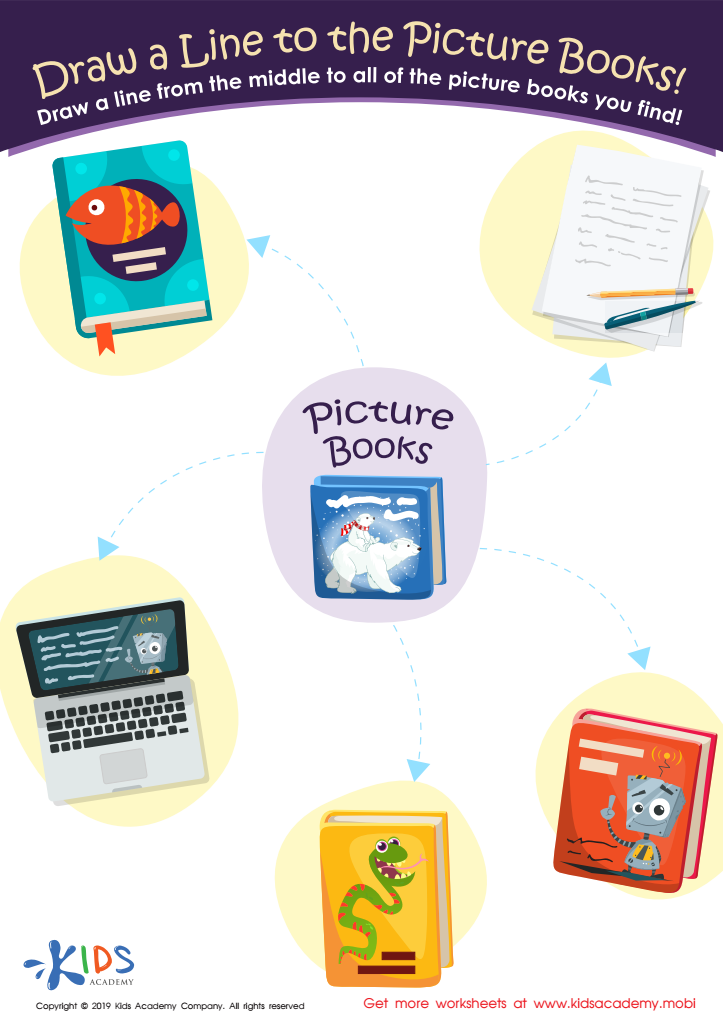
Draw a Line to the Picture Books Worksheet
Encourage your students to read and explore with this fun exercise! They'll draw a line from the word 'picture books' to the five objects. Picture books are exciting, with stories and colorful images. Make story time even more enjoyable with this worksheet!
Draw a Line to the Picture Books Worksheet
Worksheet
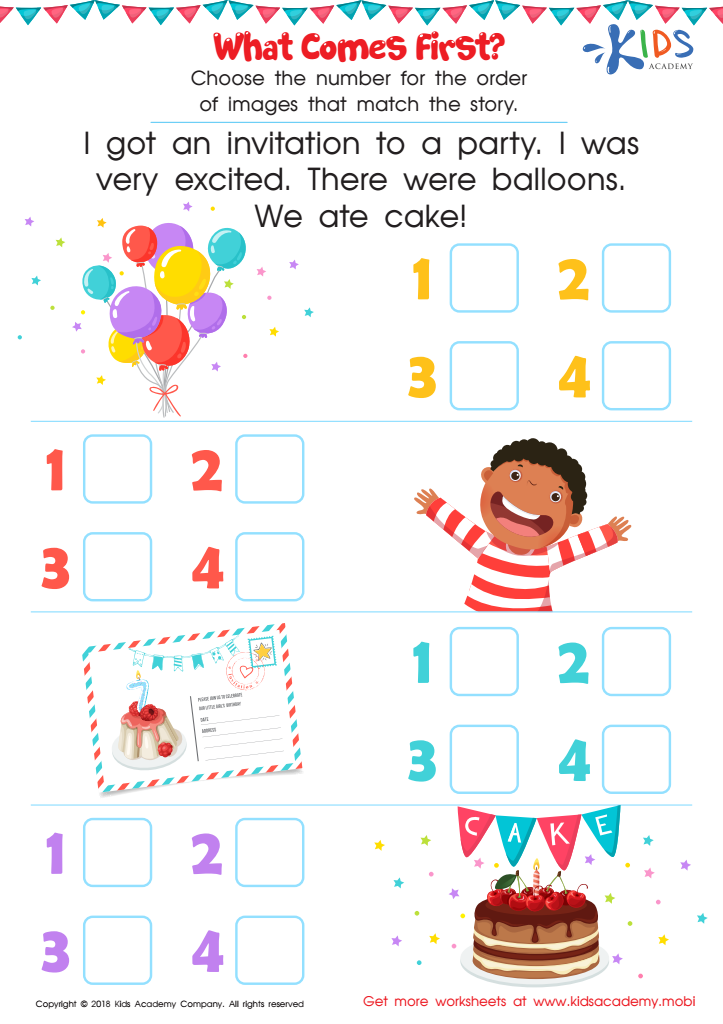
What Comes First Worksheet
Before you start, ask your child what they see in the picture. Read the story aloud together, then show them the images in order, numbered 1-5. Ask them to choose the numbers that match the story. Have fun and enjoy this party worksheet with your little one! (80 words)
What Comes First Worksheet
Worksheet
Join Kids Academy for Free
Who is primarily going to use this learning content?







Parents and teachers should prioritize logical thinking and reading comprehension for children aged 4-9 because these skills lay the foundation for lifelong learning and problem-solving abilities. Logical thinking cultivates critical reasoning; it encourages children to analyze information, recognize patterns, and make informed decisions. For example, when children engage in activities that require sequencing events or categorizing objects, they develop the cognitive skills necessary for effective reasoning in all subject areas.
Reading comprehension is equally vital as it not only enhances literacy but also enriches overall knowledge. Understanding what they read empowers children to make connections, ask questions, and express their thoughts clearly. By honing these skills at an early age, children gain confidence in their abilities, which spurs a love for reading and learning.
Moreover, both logical thinking and comprehension support academic success. As children progress through their education, these foundational skills contribute to their reading fluency, mathematical understanding, and ability to partake in discussions, fosters independent thinking. Ultimately, nurturing these skills equips children with the tools they need to navigate a complex world, empowering them to become thoughtful, innovative contributors to society. Thus, investing time and resources in these areas benefits not only individual children but future generations as well.








