Moral understanding Normal Reading Comprehension Worksheets for Ages 4-9
5 filtered results
-
From - To
Explore our engaging and educational "Moral Understanding Normal Reading Comprehension Worksheets for Ages 4-9" designed to foster ethical growth and reading skills in young learners. These thoughtfully crafted worksheets focus on age-appropriate stories and scenarios, encouraging children to reflect on important values such as honesty, kindness, and responsibility. Tailored for varying reading levels, each worksheet includes comprehension questions that reinforce moral lessons and improve literacy. Our resources make learning both fun and meaningful, helping children to develop a deeper sense of moral understanding while enhancing their reading abilities. Perfect for both classroom use and at-home practice.
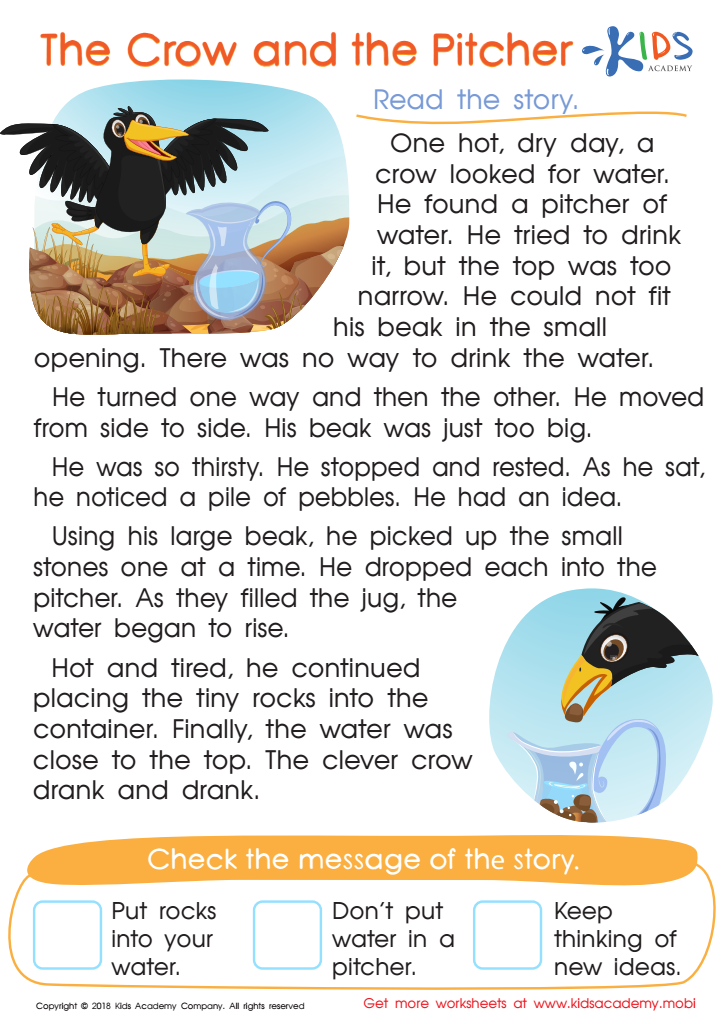
The Crow and the Pitcher Worksheet
 Assign to My Students
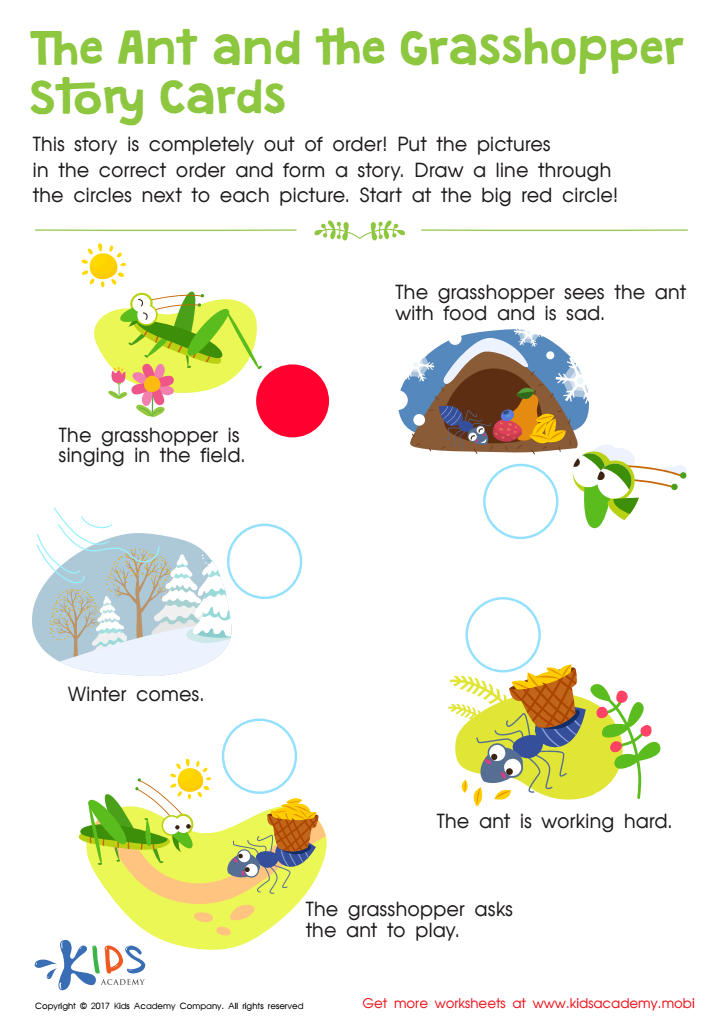
The Ant and The Grasshopper Worksheet
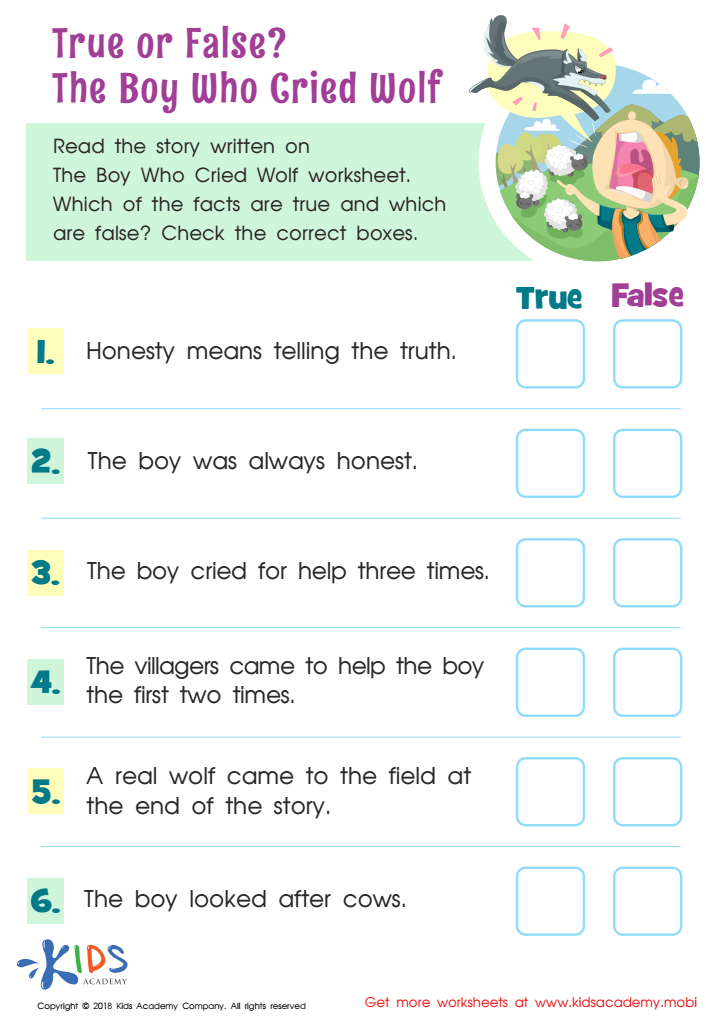
True or False? The Boy Who Cried Wolf Worksheet
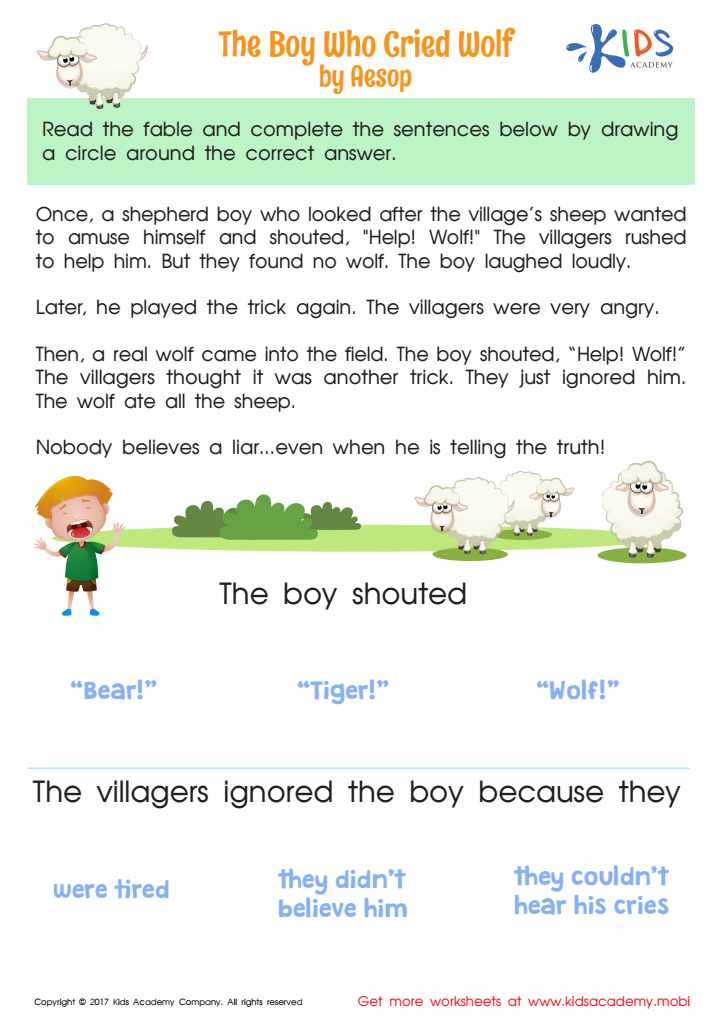
The Boy Who Cried Wolf Worksheet
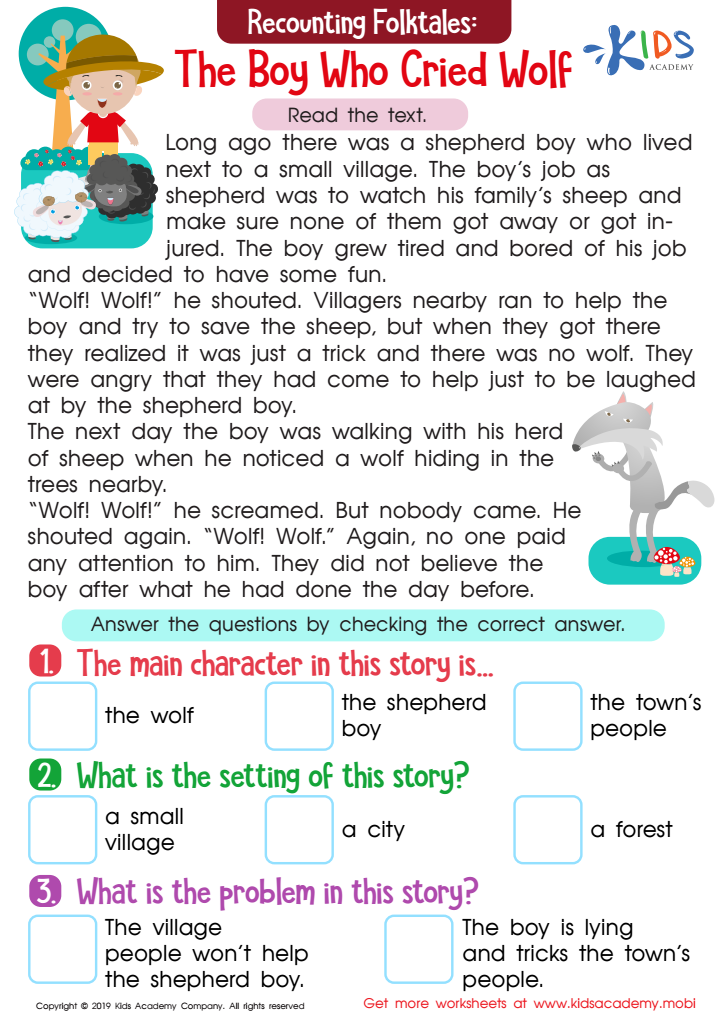
The Boy Who Cried Wolf Part 1 Worksheet





.jpg)


Caring about moral understanding and reading comprehension for children ages 4-9 is crucial for their overall development. During these formative years, kids establish foundational skills that will guide their future academic achievements and personal growth.
Moral understanding is vital in teaching children the difference between right and wrong. It helps them develop empathy, respect, responsibility, and a sense of fairness—qualities essential for building positive relationships and becoming compassionate individuals. A well-grounded moral compass aids in decision-making processes and instills values that help children navigate complex social situations.
Normal reading comprehension, on the other hand, is integral to a child's education. Strong reading skills are the bedrock of most learning; they enable children to understand instructions, grasp new concepts, and perform well across various subjects. Reading comprehension fosters critical thinking, enhances vocabulary, and encourages a love for learning. When children understand what they read, they engage more deeply with the material and their surrounding world.
Parents and teachers play key roles in nurturing both moral development and reading comprehension. By emphasizing these areas, they set children up for academic success, social stability, and emotional well-being, contributing to well-rounded, ethically aware, and intellectually capable future adults.








