Enhance your child's critical thinking skills with our "Normal Science Worksheets" designed for ages 4-9! These engaging and interactive worksheets focus on fundamental scientific concepts while promoting analytical thinking, problem-solving, and creativity. Each activity encourages children to explore, question, and make connections in a fun and educational manner. From sorting objects to simple experiments, our worksheets challenge young learners to think critically about the world around them. Tailored to reinforce essential learning skills, these resources are perfect for home or classroom use. Empower your child's curiosity and foster a love for science while building vital critical thinking abilities today!

Check out this FREE Trial Lesson on Science for age 4-9!

Reduce, Reuse, Recycle, Rethink

Favorites
With answer key
Interactive
  • 4-9
  • Critical thinking development
  • Science
  • Normal
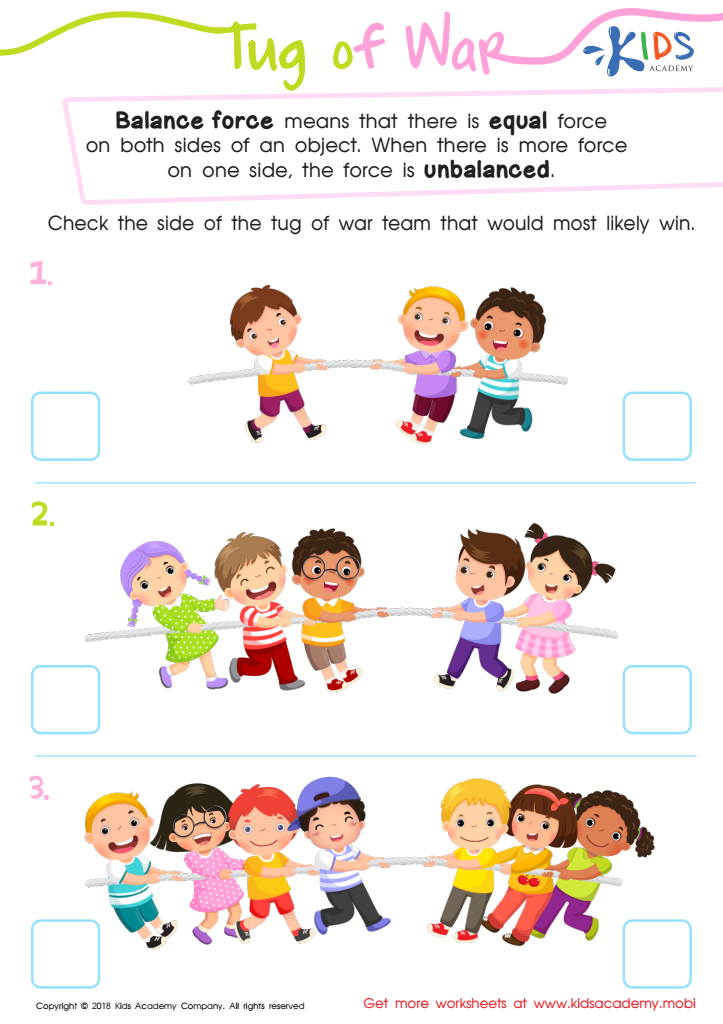
Balanced forces worksheet

Balanced Forces Worksheet

Ready for a fun game? This worksheet will balance the forces so your kids can decide who will win their tug of war! With the right number of kids on each side of the rope, the forces will be equal. Help your little ones decide who will prevail in the game. Ready, set, go!
Balanced Forces Worksheet
Worksheet
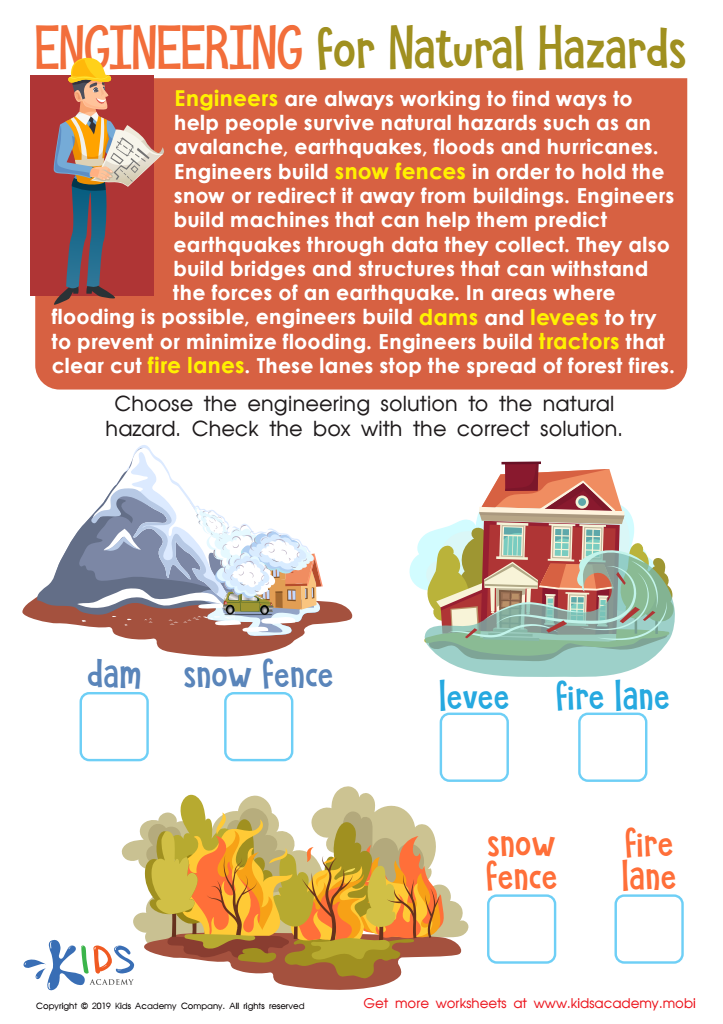
Engineering Natural Hazards Worksheet

Engineering Natural Hazards Worksheet

Natural hazards can be lessened with precautions. This free worksheet engages kids with informative text on how engineers protect us and lets them practice reading comprehension by choosing the right option.
Engineering Natural Hazards Worksheet
Worksheet
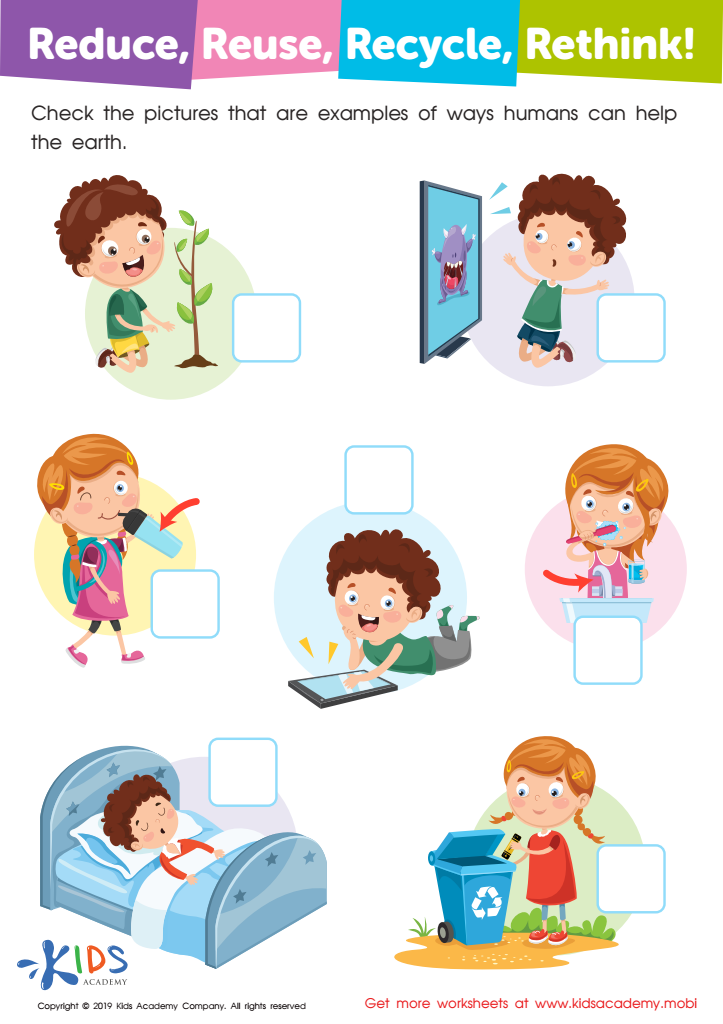
Reduce, Reuse, Recycle, Rethink Worksheet

Reduce, Reuse, Recycle, Rethink Worksheet

Recycling is a great way to reduce waste and help our planet — instead of throwing away a can of soda, recycle it! Look at the pictures in the worksheet — what are the kids doing? They're learning about ways to help the environment. Check the pictures for examples of how to help the earth.
Reduce, Reuse, Recycle, Rethink Worksheet
Worksheet
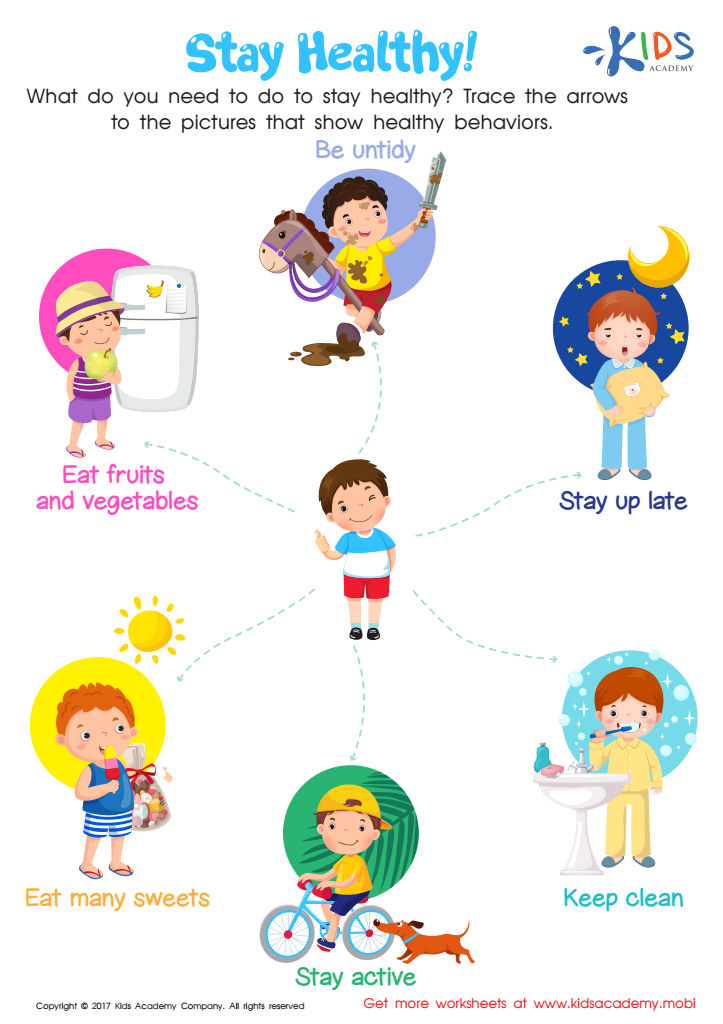
Healthy and unhealthy behaviors worksheet

Healthy and Unhealthy Behaviors Worksheet
Assist your youngster to recognize beneficial habits for a joyful, healthy life with this healthy/unhealthy behaviors worksheet! After they finish, motivate them to follow the tips on the worksheet to show healthy habits.
Healthy and Unhealthy Behaviors Worksheet
Worksheet
Lights for Safety Worksheet

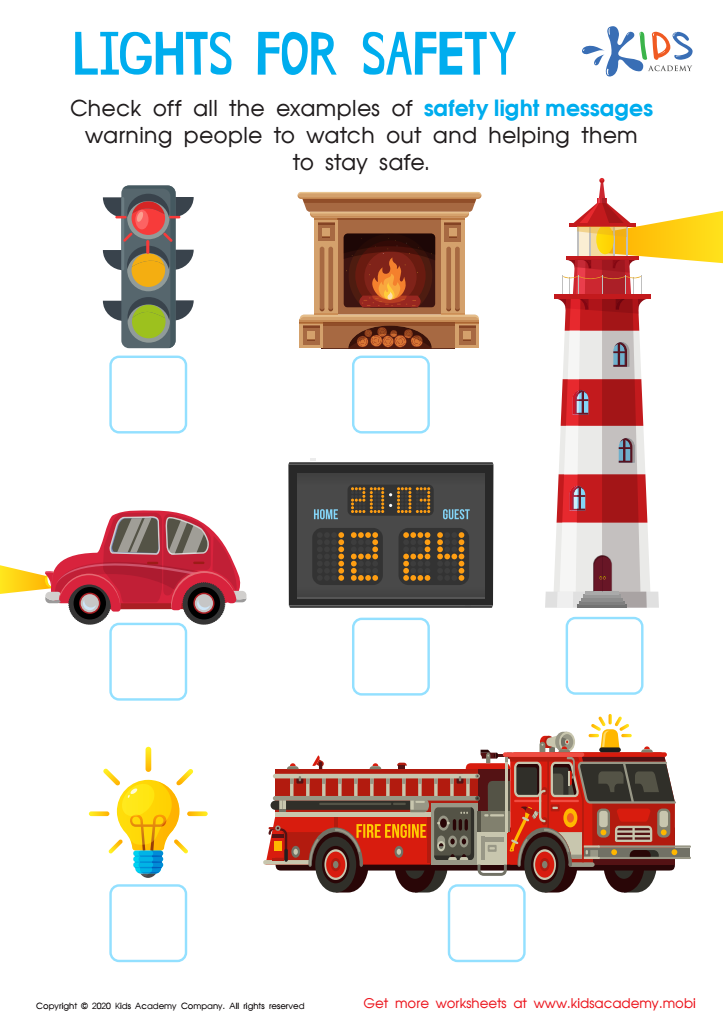
Lights for Safety Worksheet

Teach kids safety light messages to stay safe. Print this worksheet and ask students to identify the objects in the pictures. Then, ask them to check off the safety light messages which warn people to watch out. This helps keep kids safe at all times.
Lights for Safety Worksheet
Worksheet
Living and Non-living Worksheet

Identifying Living or Non–living Worksheet
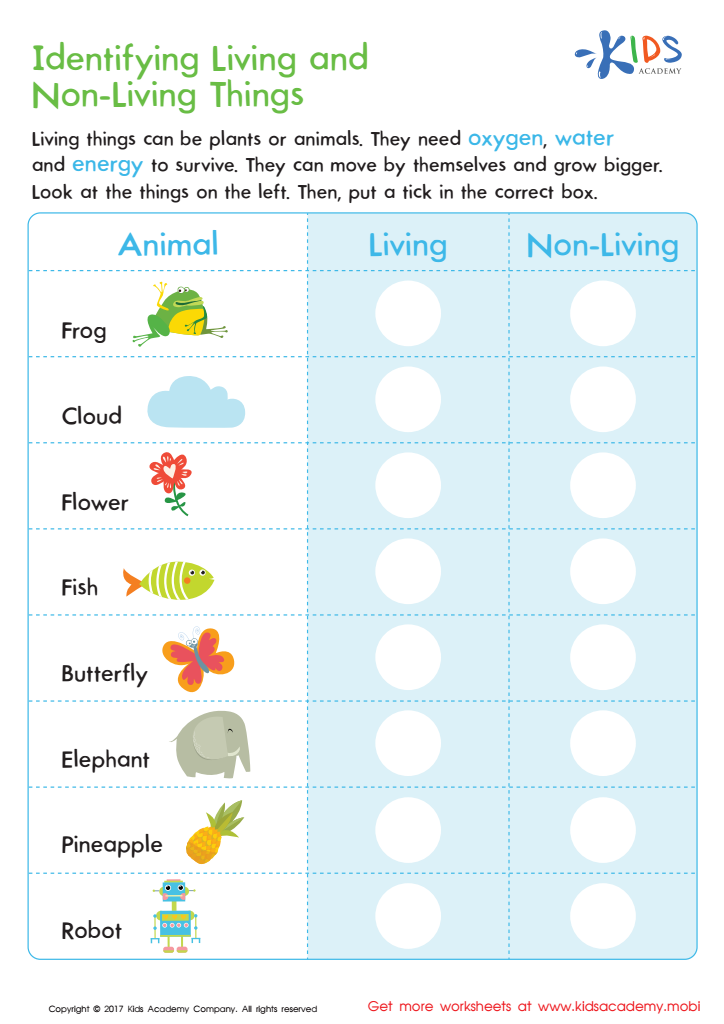
Help your child learn to sort and categorize in a new way! Teach them to classify things as living or non-living using this worksheet. It's the perfect way to build their scientific understanding, and to have some learning fun! Print this worksheet and watch them discover the world of science!
Identifying Living or Non–living Worksheet
Worksheet
Compare Two Sources Worksheet


Compare Two Sources Worksheet

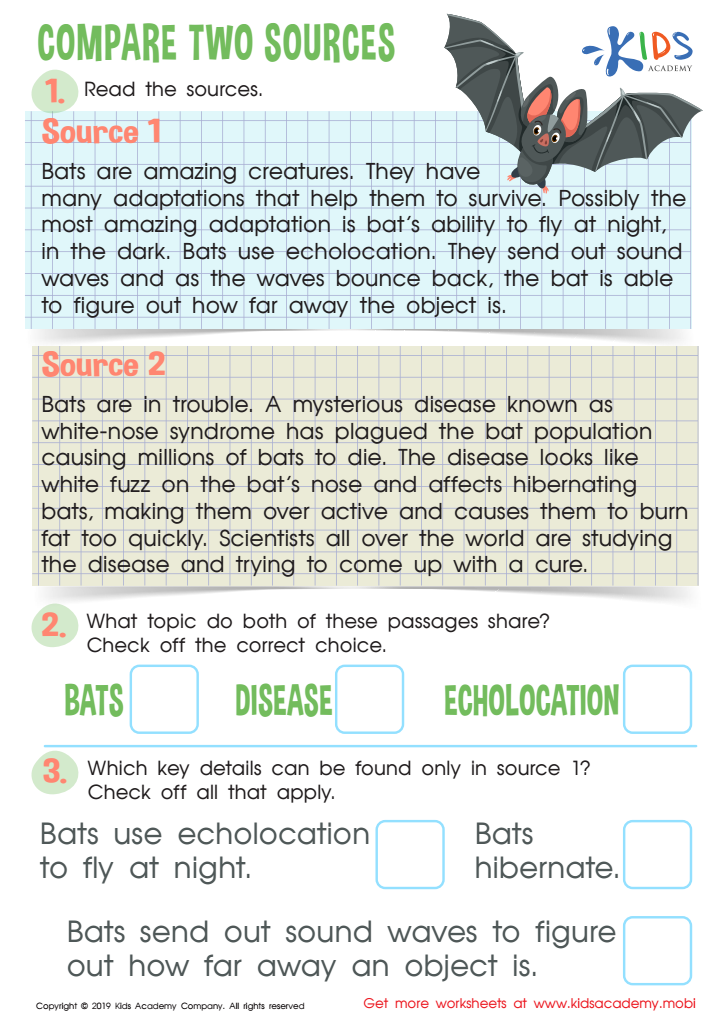
Reading exposes us to new words, spelling, and info about different topics. Kids can practice their reading skills, and learn about bats, with this worksheet. Read the two sources in the picture, then help your kids answer the questions at the bottom.
Compare Two Sources Worksheet
Worksheet


Critical thinking development is essential for children aged 4-9 as it lays the foundation for lifelong learning and problem-solving skills. During these formative years, children are naturally curious and eager to explore their surroundings. They begin to ask questions, observe patterns, and seek explanations, making it a prime opportunity for educators and parents to nurture this critical thinking potential.

Introducing children to the principles of Normal Science—understanding natural phenomena through observation, experimentation, and analysis—encourages them to think logically and develop informed opinions. This approach not only cultivates their analytical skills, but it also fosters creativity and innovation. When children can assess situations, question assumptions, and derive conclusions rooted in evidence, they become more competent in various academic subjects and in real-life decision-making.

Furthermore, instilling critical thinking at an early age helps children navigate the complexities of information in today’s fast-paced world. They learn to differentiate between fact and misinformation, ultimately empowering them to become thoughtful and responsible citizens. By fostering an environment that prioritizes critical thinking, parents and teachers guide children toward a brighter, more informed future, equipping them with the necessary skills to tackle challenges and seize opportunities in life.