Identifying Animals Normal Science Worksheets for Ages 4-9
3 filtered results
-
From - To
Discover our engaging "Identifying Animals Normal Science Worksheets" tailored for children aged 4 to 9! These interactive resources are designed to enhance young learners' understanding of various animals and their habitats. With fun activities like matching, drawing, and sorting, kids can explore the diverse animal kingdom while developing essential observational and categorization skills. Worksheets are perfect for both classroom settings and home learning environments, promoting curiosity and a love for science. Ideal for early educational stages, our printable worksheets foster creativity and critical thinking, ensuring a memorable learning experience. Explore the wonders of nature and help your child become an animal expert today!
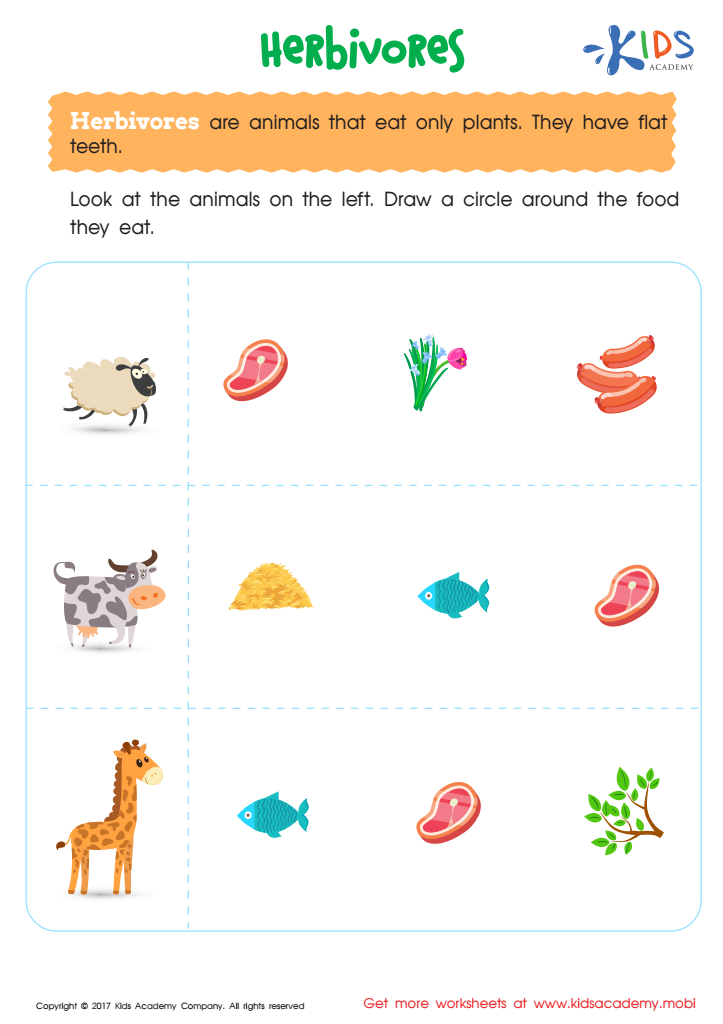
Herbivores Printable
 Assign to My Students
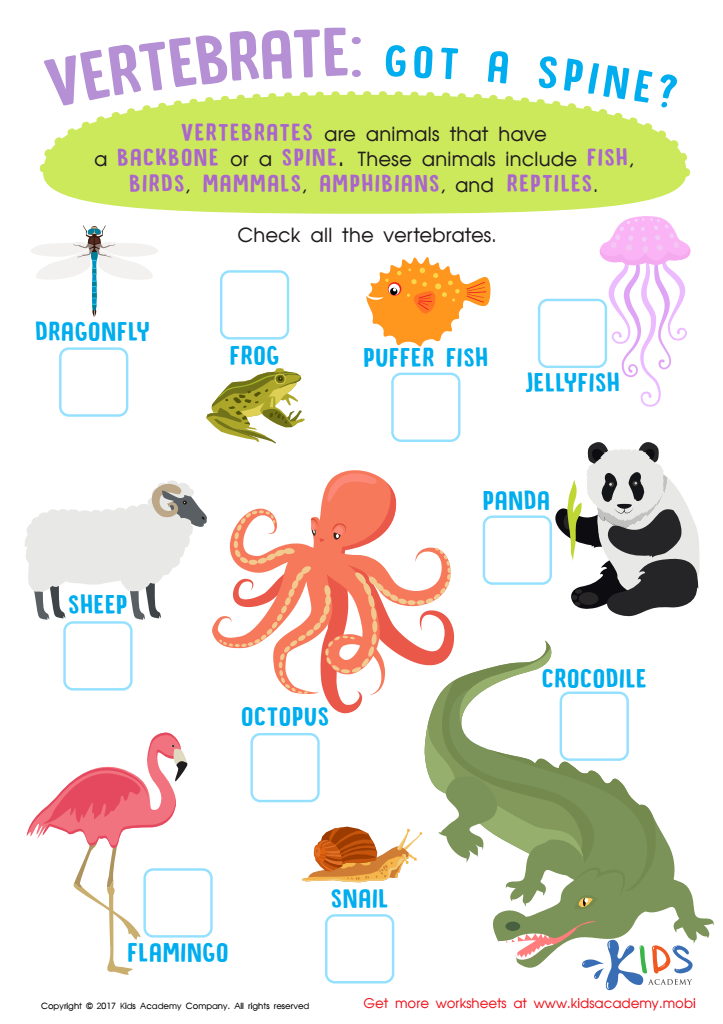
Vertebrates Animals Worksheet for 3rd Grade
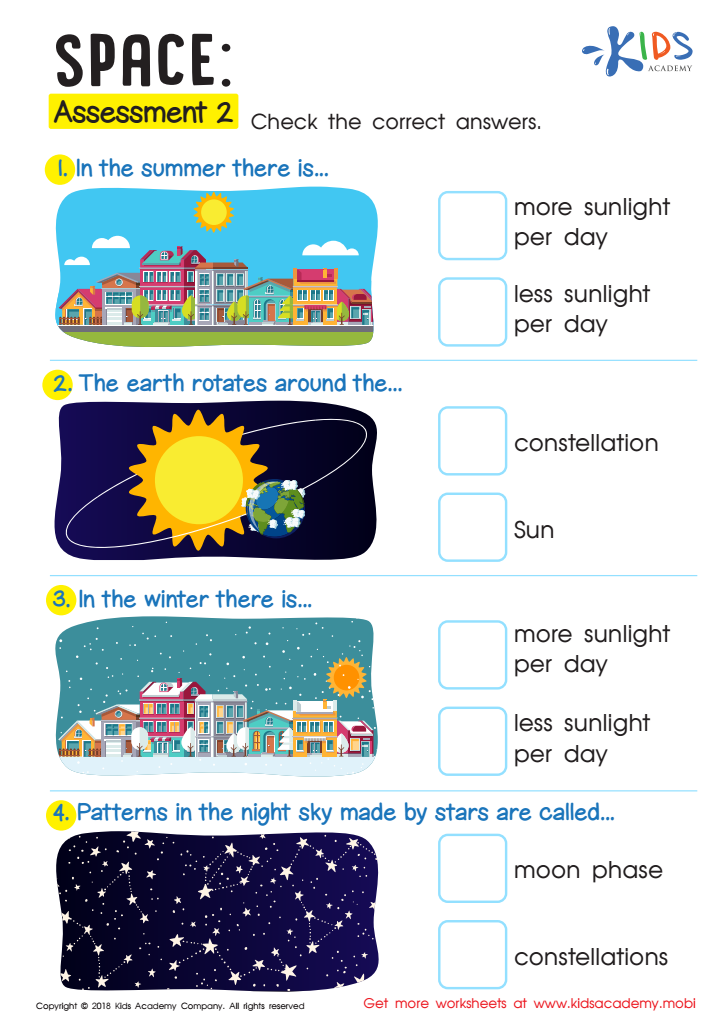
Space: Assessment 2 Worksheet







Identifying animals is a crucial aspect of early science education for children ages 4-9, and both parents and teachers play vital roles in this learning process. Engaging with the natural world fosters curiosity, critical thinking, and observational skills in young learners. Understanding different animal species enhances children’s cognitive development by promoting inquiry-based learning—an essential foundation for scientific literacy.
Learning to identify animals helps children gain a better appreciation for biodiversity and the environment. It can inspire empathy towards animals and a sense of responsibility for their welfare. This knowledge can also serve as a springboard for discussions about ecosystems, habitats, and conservation, fostering a sense of stewardship at an early age.
Additionally, recognizing animals enhances vocabulary development and supports language skills as children learn specific names, classifications, and behaviors. Interactive activities such as sorting, categorizing, or engaging in community-based projects further cement these concepts in a tangible and meaningful way.
By prioritizing animal identification in early education, parents and teachers not only enrich the learning experience, but also cultivate a generation of informed, compassionate, and environmentally conscious individuals. This foundation paves the way for lifelong learners and stewards of our planet.







