Improving reading comprehension Normal Science Worksheets for Ages 4-9
3 filtered results
-
From - To
Enhance your child's reading comprehension with our Normal Science Worksheets designed for ages 4-9. These engaging and interactive worksheets are tailored to spark curiosity and foster a love for learning. Each activity encourages young learners to read carefully, analyze information, and answer questions to deepen their understanding of scientific concepts. Topics range from basic biology to Earth science, providing a well-rounded introduction to the natural world. Perfect for at-home learning or classroom use, our worksheets support essential reading skills while making science fun and accessible. Join us in nurturing confident readers and budding scientists today!
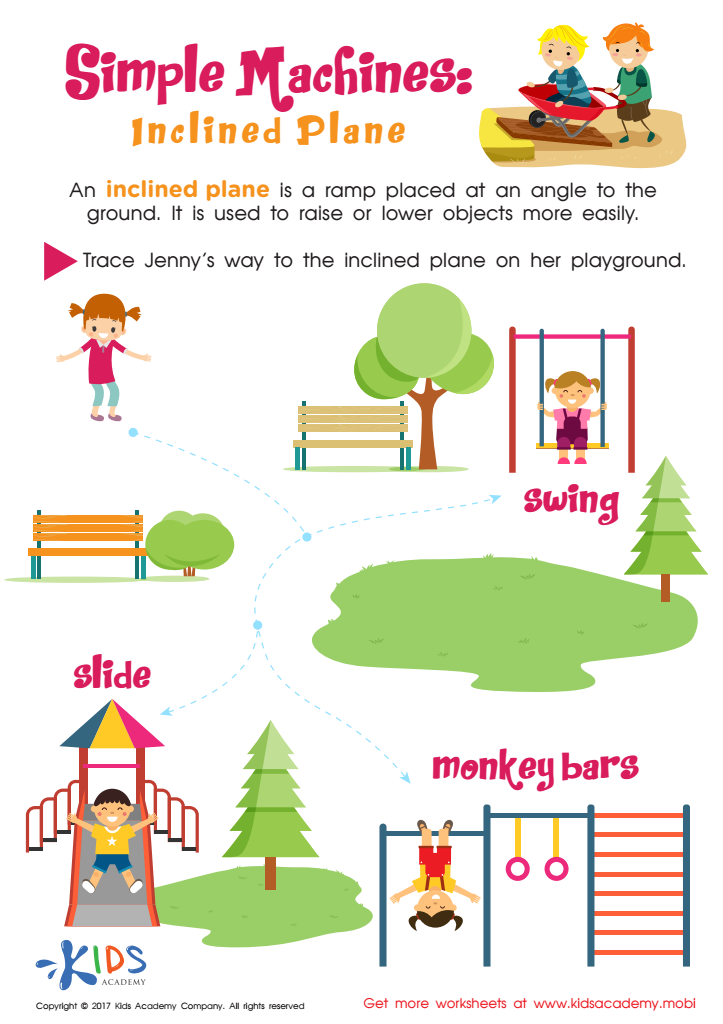
Simple Machines Inclined Plane Worksheet
 Assign to My Students
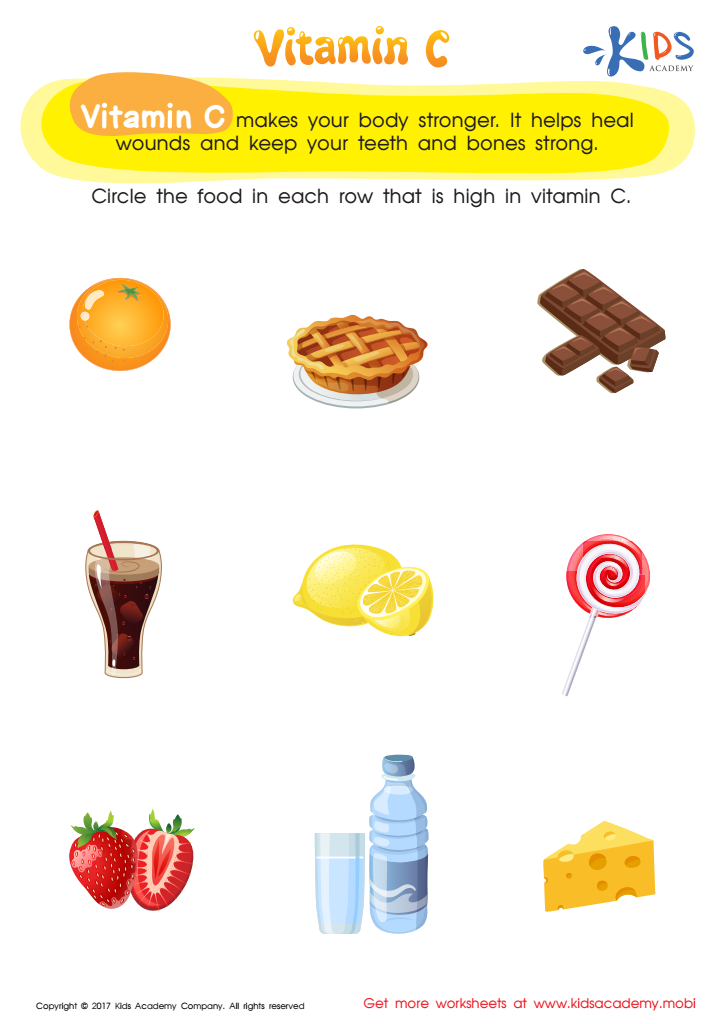
Vitamin C Worksheet
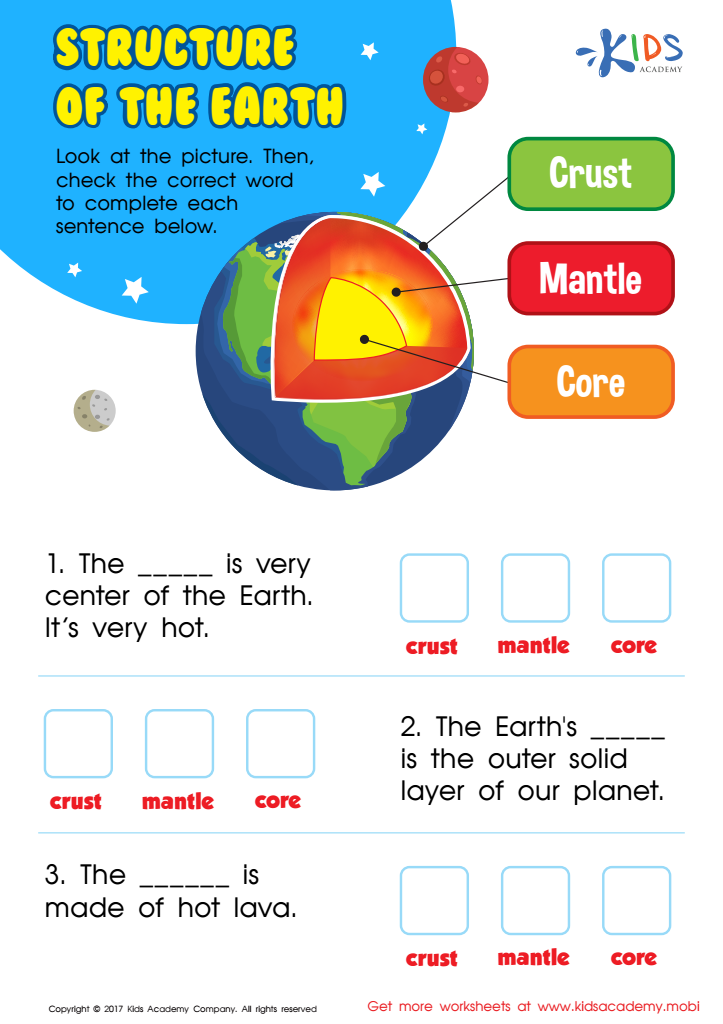
Structure of the Earth Worksheet







Improving reading comprehension in early childhood is crucial for a variety of reasons. For ages 4-9, children's cognitive and linguistic skills are rapidly developing. During this period, they begin to transition from learning to read to reading to learn. Strong reading comprehension skills foster critical thinking, enhance vocabulary, and improve overall academic performance across subjects.
Parents and teachers should care about this development because reading comprehension lays the foundation for future success. When children understand what they read, they are more likely to engage with information critically, ask insightful questions, and connect concepts to real-world scenarios, enhancing their learning experience. Furthermore, proficiency in comprehension boosts a child's confidence, making them more enthusiastic about reading and learning. This enthusiasm often extends to other areas of education, helping to create a lifelong love for reading.
Additionally, early comprehension skills can prevent future learning challenges. Children who struggle with understanding text in their formative years may fall behind academically, impacting their emotional wellbeing and self-esteem. Ultimately, teachers and parents play a key role in nurturing these skills through support, encouragement, and access to high-quality reading materials, thus fostering a generation of thoughtful and engaged readers.







