Learning about ecosystems Normal Plants and Animals Worksheets for Ages 4-9
3 filtered results
-
From - To
Explore the fascinating world of ecosystems with our engaging "Normal Plants and Animals Worksheets" designed for children ages 4-9. These worksheets introduce young learners to the essential components of ecosystems, helping them understand the relationships between plants and animals. With fun activities and colorful illustrations, kids will enjoy discovering the different habitats and the roles each creature plays in their environment. Each worksheet promotes critical thinking and observation skills while making learning enjoyable. Nurture your child’s curiosity about nature and support their science education with these interactive resources that foster a love for exploration and sustainability.
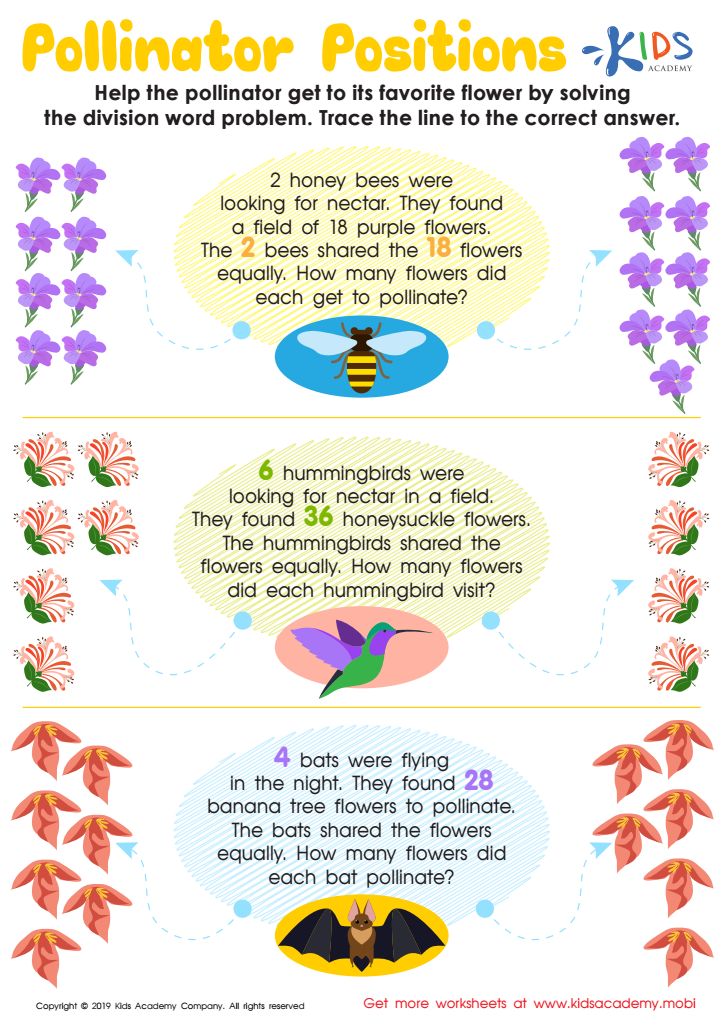
Pollinator Positions Worksheet
 Assign to My Students











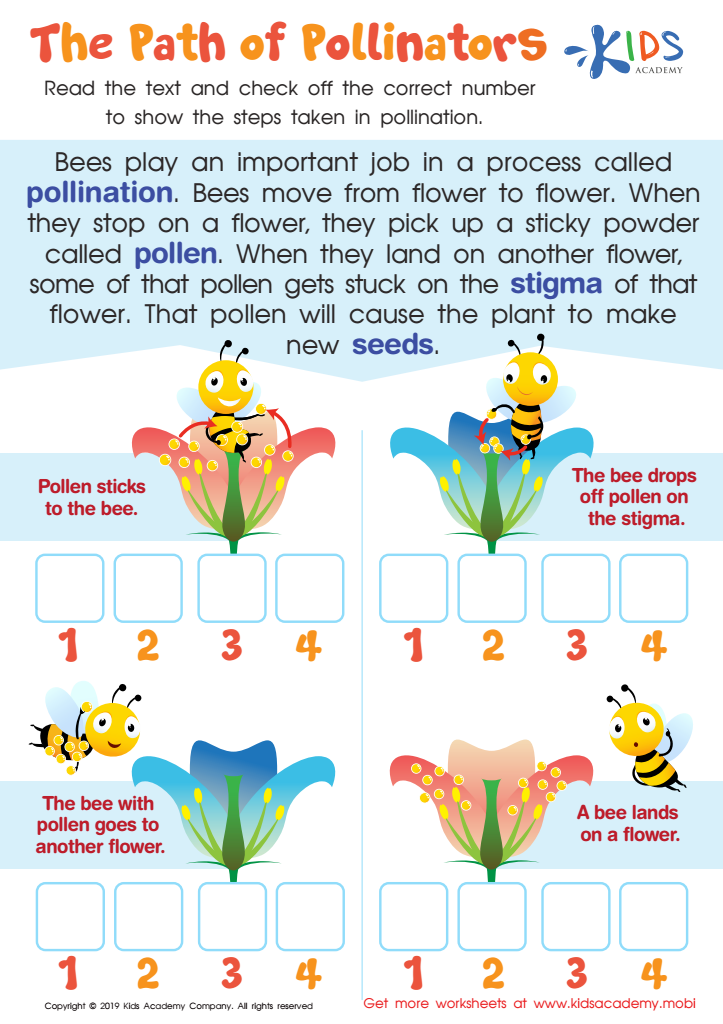
The Path of Pollinators Worksheet
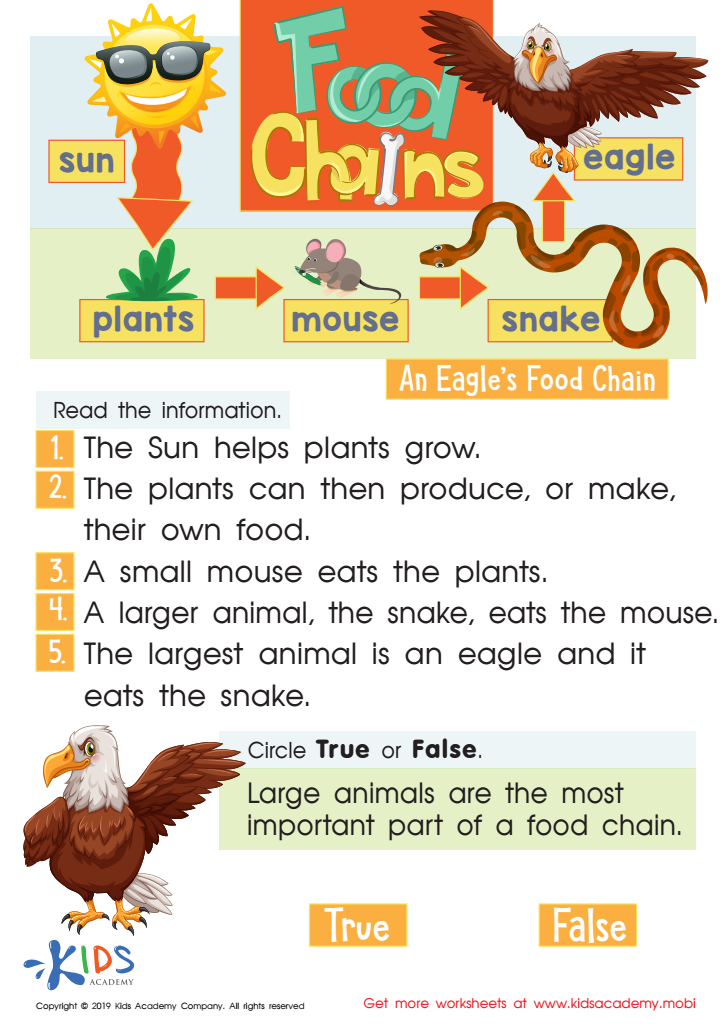
Food Chains Worksheet







Parents and teachers should recognize the importance of teaching young children about ecosystems, specifically normal plants and animals, because it lays a crucial foundation for their understanding of the natural world. For ages 4-9, children are naturally curious and eager to explore their environment. Learning about ecosystems fosters this curiosity, helping them appreciate biodiversity and the interdependence of living organisms.
Introducing children to the concepts of ecosystems promotes environmental stewardship early on, instilling a sense of responsibility for the earth. Understanding the roles of various plants and animals can encourage empathy toward wildlife and inspire children to engage in conservation efforts as they grow.
Moreover, concepts within ecosystems link to key academic disciplines such as science, mathematics, and art, building critical thinking and creative skills. Hands-on activities, like nature walks or gardening, enhance experiential learning and can make complex ideas more relatable and enjoyable.
Lastly, as children learn about the life cycles, habitats, and relationships among organisms, they develop communication skills and vocabulary that are vital for their overall development. Involving children in ecology-themed activities ensures that future generations are informed, empowered, and motivated to protect our planet, ultimately fostering a deeper connection with nature.







