Problem-Solving Skills Normal Community Worksheets for Ages 4-9
6 filtered results
-
From - To
Enhance your child's problem-solving skills with our engaging community worksheets designed specifically for ages 4-9! Our collection features fun, interactive activities that encourage critical thinking and creativity, as children navigate various community scenarios. From identifying solutions to real-world challenges to developing reasoning skills, these worksheets promote essential cognitive abilities while making learning enjoyable. With a focus on relatable community experiences, kids will explore teamwork, communication, and decision-making skills. Perfect for both home and classroom settings, our problem-solving worksheets inspire young learners to think outside the box and become confident, capable problem solvers. Start your child's journey today!

Community Doctors: Maze Printable
 Assign to My Students

At the Market Worksheet

Towns Worksheet

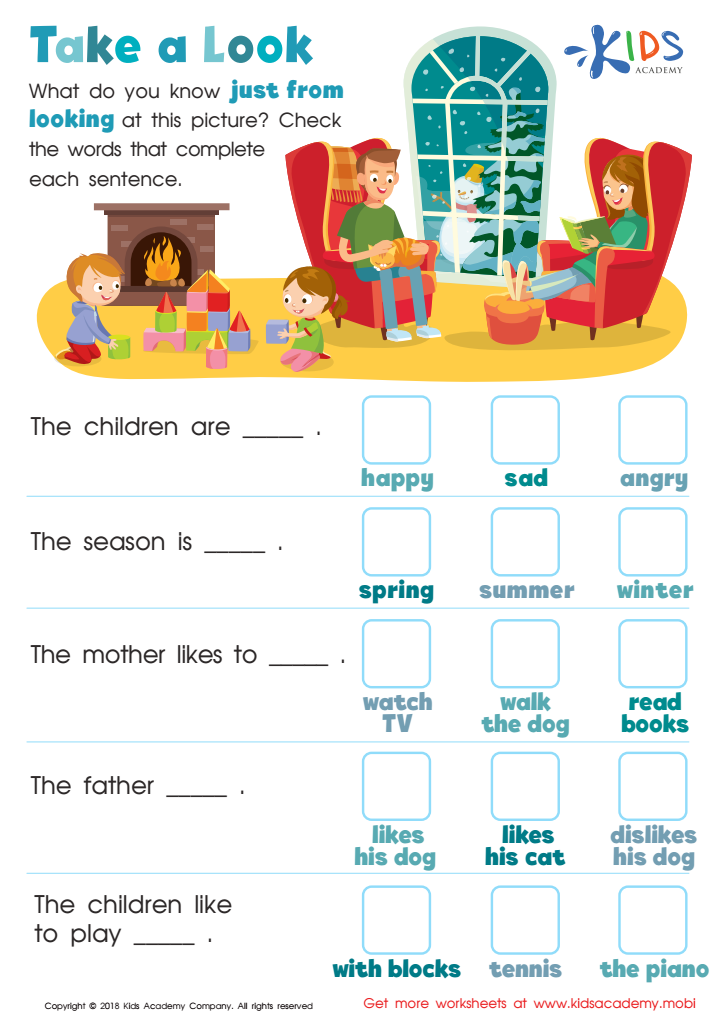
Take a Look - Part 1 Worksheet
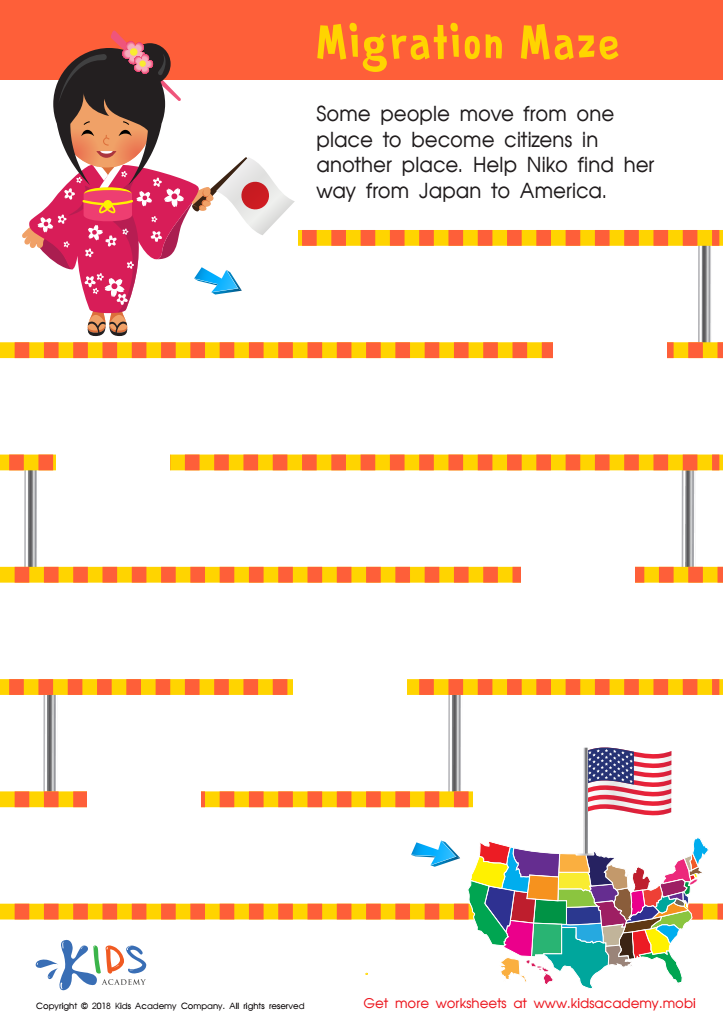
Migration Maze Worksheet








Parents and teachers should prioritize the development of problem-solving skills for children ages 4-9 as these skills are fundamental to cognitive growth and everyday functioning. At this stage in their development, children are naturally curious and eager to explore their environment. Nurturing problem-solving abilities helps them learn how to analyze situations, make decisions, and develop resilience in the face of challenges.
By fostering these skills, parents and teachers equip children with essential tools for academic success and social interactions. For example, when faced with a conflict, a child with strong problem-solving abilities can navigate tough situations with empathy, leading to better friendships and communication. Additionally, engaging children in problem-solving activities enhances critical thinking, encouraging them to consider multiple viewpoints and outcomes.
In community settings, children learn to work collaboratively, navigating different perspectives and solutions collectively. This builds a foundation for teamwork and leadership, qualities that are invaluable in both personal and professional realms later in life. Ultimately, enhancing problem-solving skills in children not only promotes individual confidence and autonomy but also cultivates a supportive and forward-thinking community that values healthy relationships and innovative thinking. Thus, investing in these skills serves the children and the broader community's development.