Shape Recognition Normal Community Worksheets for Ages 4-9
4 filtered results
-
From - To
Discover our engaging Shape Recognition Normal Community Worksheets, specifically designed for children ages 4-9. These worksheets encourage early learners to explore shapes through interactive activities related to their everyday community. Through vibrant illustrations and practical examples, children will enhance their shape recognition skills while connecting learning to real-world contexts. Perfect for classroom or at-home use, these resources promote critical thinking and foundational math skills. Each worksheet includes fun tasks that make learning enjoyable while fostering a deeper understanding of shapes in community settings. Unlock your child's potential with our thoughtfully crafted materials tailored to make shape recognition a delightful adventure!
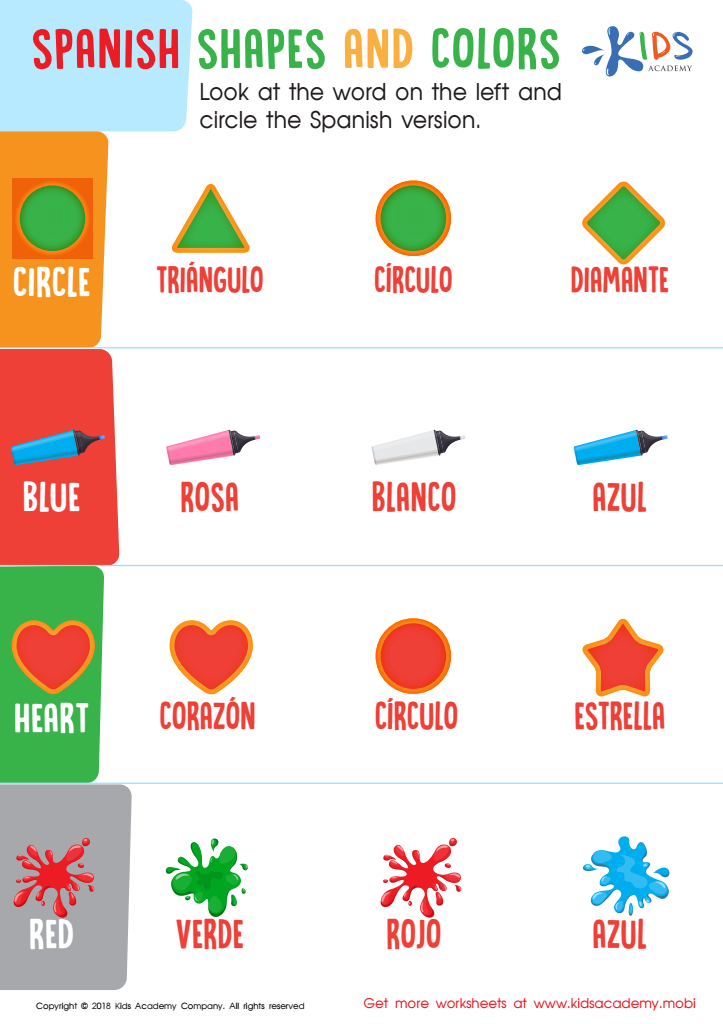
Spanish Shapes and Colors Worksheet
 Assign to My Students
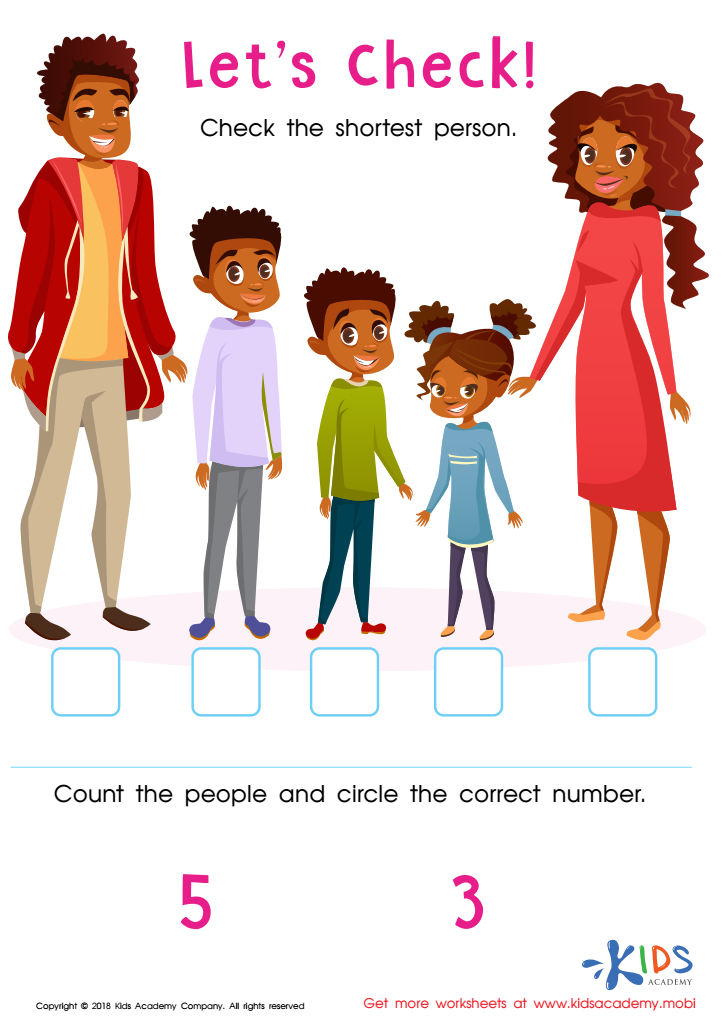
Let's Check! Assessment Worksheet
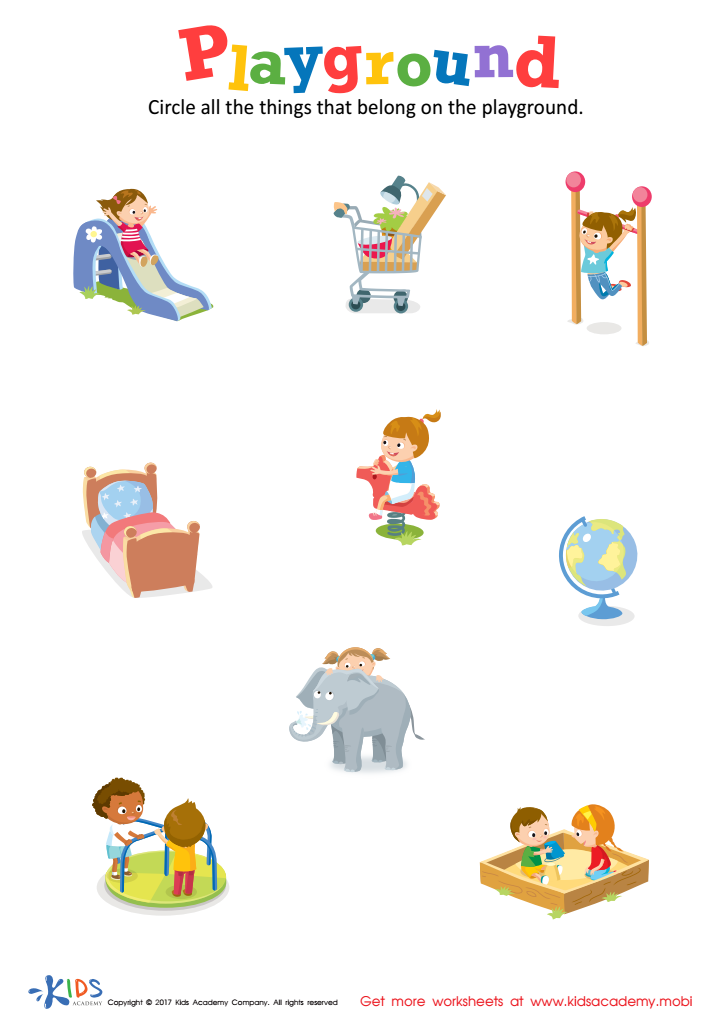
Playground Worksheet
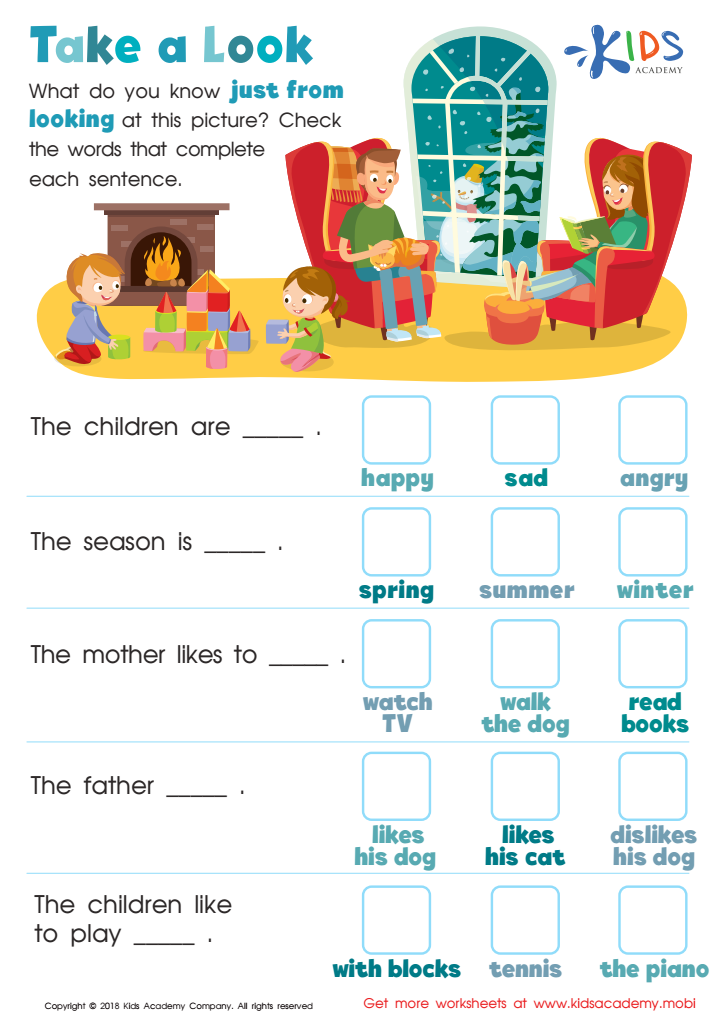
Take a Look - Part 1 Worksheet








Shape recognition is a fundamental skill that plays a crucial role in the cognitive and physical development of children ages 4-9. Parents and teachers should care about fostering shape recognition because it lays the groundwork for more advanced mathematical concepts, such as geometry and measurement. At this age, children are eager to explore their environment, and understanding shapes helps them comprehend the world around them, enhancing their spatial awareness.
Engaging in shape recognition activities cultivates critical thinking and problem-solving skills. It encourages creativity during art projects where children use shapes to create designs, thus linking visual and tactile experiences. Furthermore, these activities can be inclusive, supporting diverse learning styles and providing opportunities for collaborative learning, allowing children to work together and learn from one another.
In addition, parents and teachers play a vital role in creating a supportive learning atmosphere. By incorporating playful activities, books, and games centered around shapes, they can make learning enjoyable and relevant. Ultimately, investing time and resources in shape recognition during these formative years not only prepares children for future academic success but also boosts their confidence in learning and social interactions. Therefore, understanding the significance of shape recognition within a community is essential for fostering holistic child development.








