Visual recognition Normal Social Studies Worksheets for Ages 4-9
6 filtered results
-
From - To
Welcome to our Visual Recognition Normal Social Studies Worksheets for Ages 4-9! Designed to cultivate essential visual recognition skills, these engaging worksheets incorporate fun activities tailored to young learners. Enrich your child's understanding of social studies concepts through vibrant illustrations and interactive exercises that promote observation and critical thinking. Ideal for classroom use or at-home learning, these worksheets foster a solid foundation in recognizing important societal elements such as community helpers, cultural landmarks, and everyday objects. Encourage your child's curiosity about the world while honing their visual discrimination skills. Explore our collection and make learning enjoyable today!
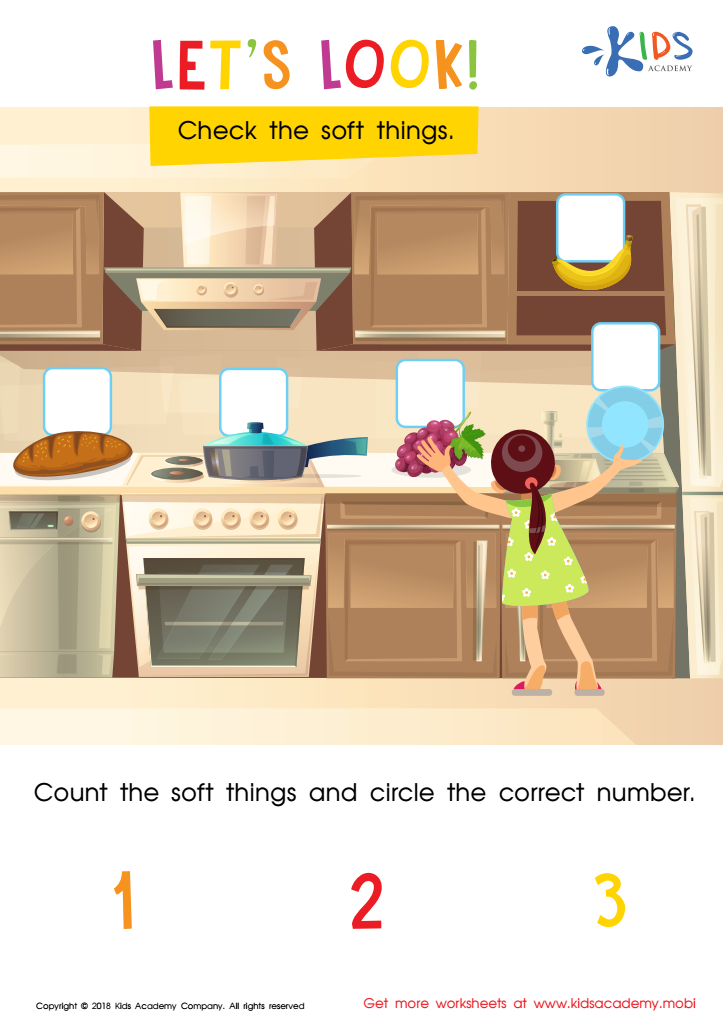
Let's Look! Assessment Worksheet
 Assign to My Students
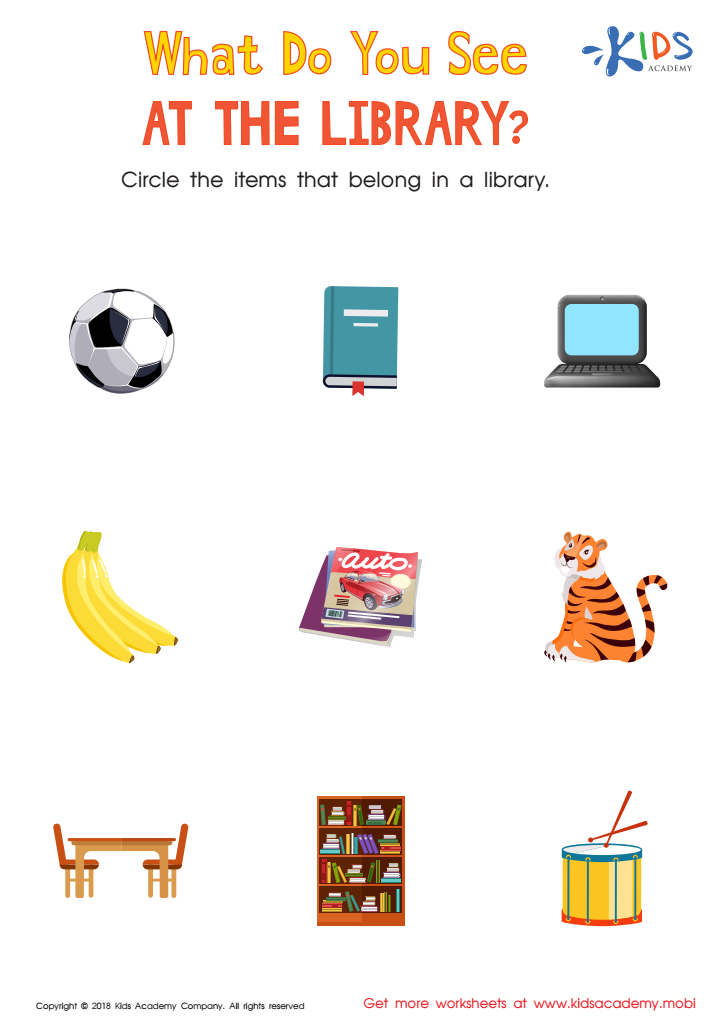
What Do you See at the Library? Worksheet
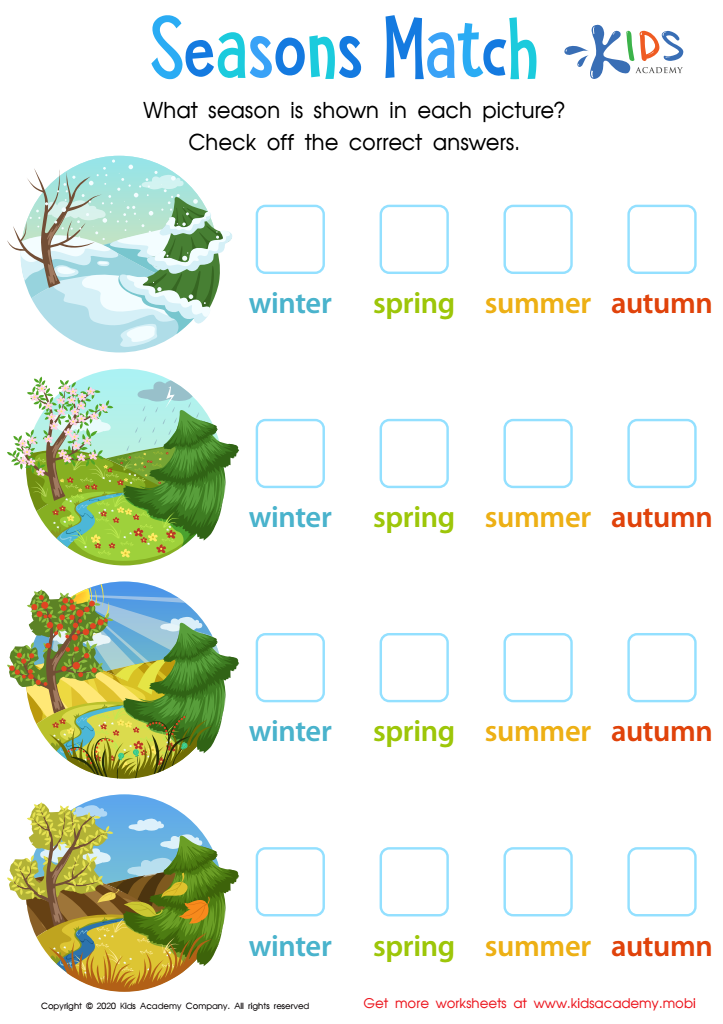
Seasons Match Worksheet
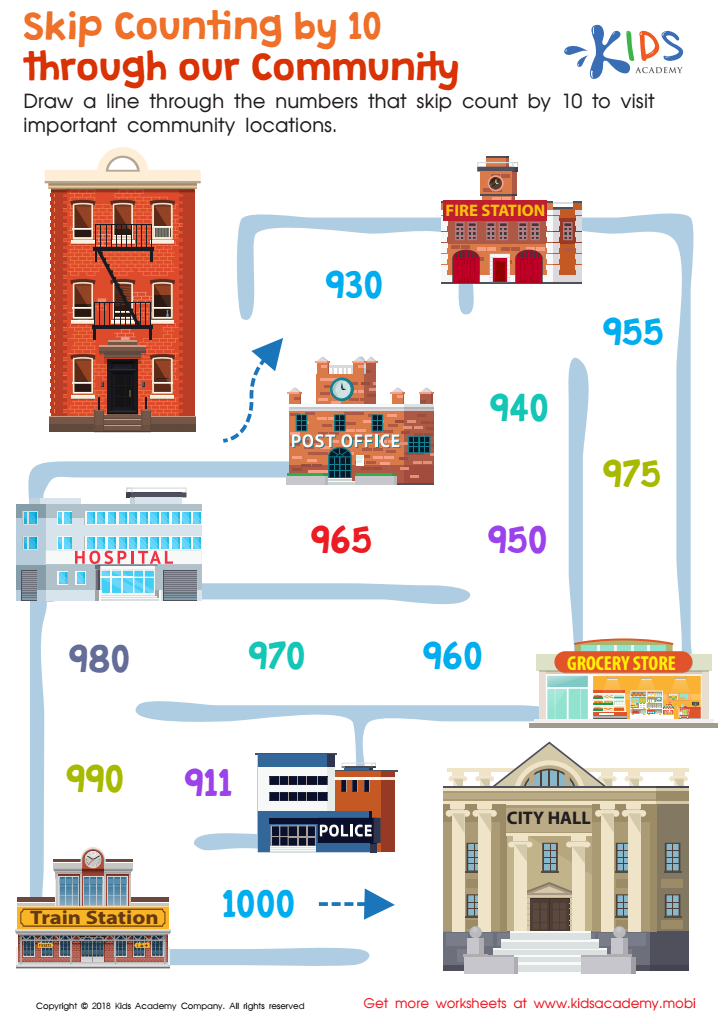
Skip Counting by 10 Through Our Community Worksheet
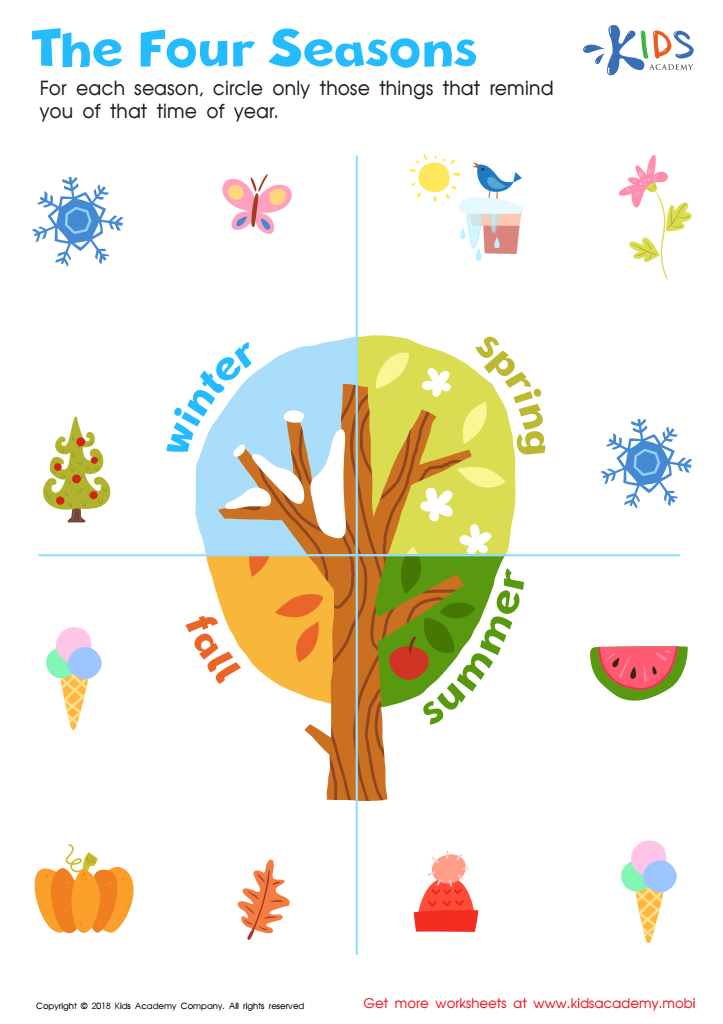
The Four Seasons Worksheet
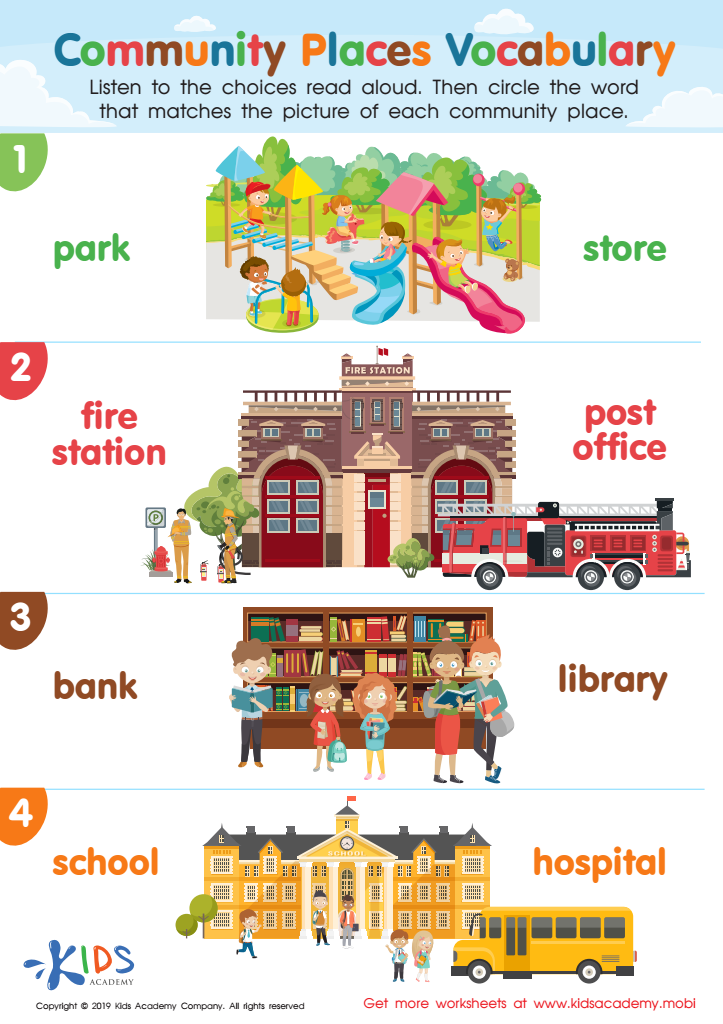
Community Places Vocabulary Worksheet








Visual recognition plays a crucial role in the social studies learning of children aged 4-9. At this developmental stage, children are naturally curious about their environment and the world around them. By focusing on visual recognition skills, parents and teachers can enhance children's understanding and engagement in social studies, fostering lifelong learning.
Incorporating visual aids such as maps, photographs, and illustrations can help children grasp key concepts like community, history, and culture. These visual supports can stimulate discussions and encourage critical thinking, allowing children to make connections between their experiences and the broader world. Recognizing symbols, flags, and landmarks helps children identify with their communities and cultivate a sense of belonging.
Moreover, visual recognition aids in language development. Children learn to articulate what they see, expanding their vocabulary and promoting effective communication skills. By engaging children in visual activities, such as categorizing images or creating visual timelines, educators can create a richer educational experience.
Ultimately, caring about visual recognition in social studies empowers children to explore their world with curiosity, enhancing their cognitive and social development. Parents and teachers play a pivotal role in nurturing this aspect of learning, setting a foundation for informed, aware citizens.








