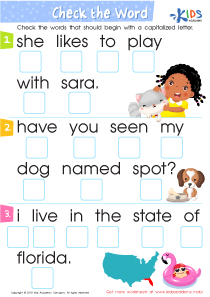
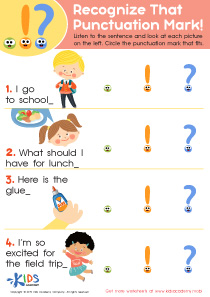
Understanding adjectives Normal Grammar Worksheets for Ages 4-9
3 filtered results
-
From - To
Explore the fascinating world of adjectives with our "Understanding Adjectives Normal Grammar Worksheets" designed for children ages 4-9! These fun and engaging worksheets help young learners grasp the essential concepts of adjectives, empowering them to describe nouns effectively. With colorful illustrations and interactive exercises, children will enhance their vocabulary and improve their writing skills in no time. Each worksheet encourages creativity while fostering critical thinking as kids identify, classify, and use adjectives in sentences. Perfect for classroom or home use, these resources make grammar enjoyable and accessible for early learners. Help your child shine in language arts today!
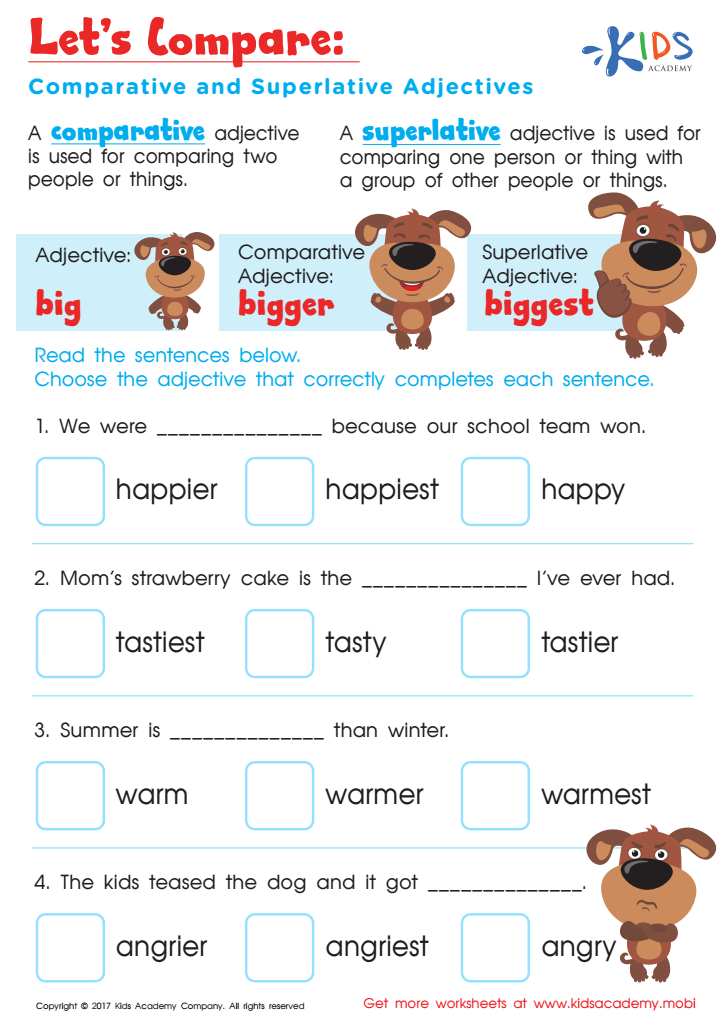
Comparative and Superlative Worksheet
 Assign to My Students
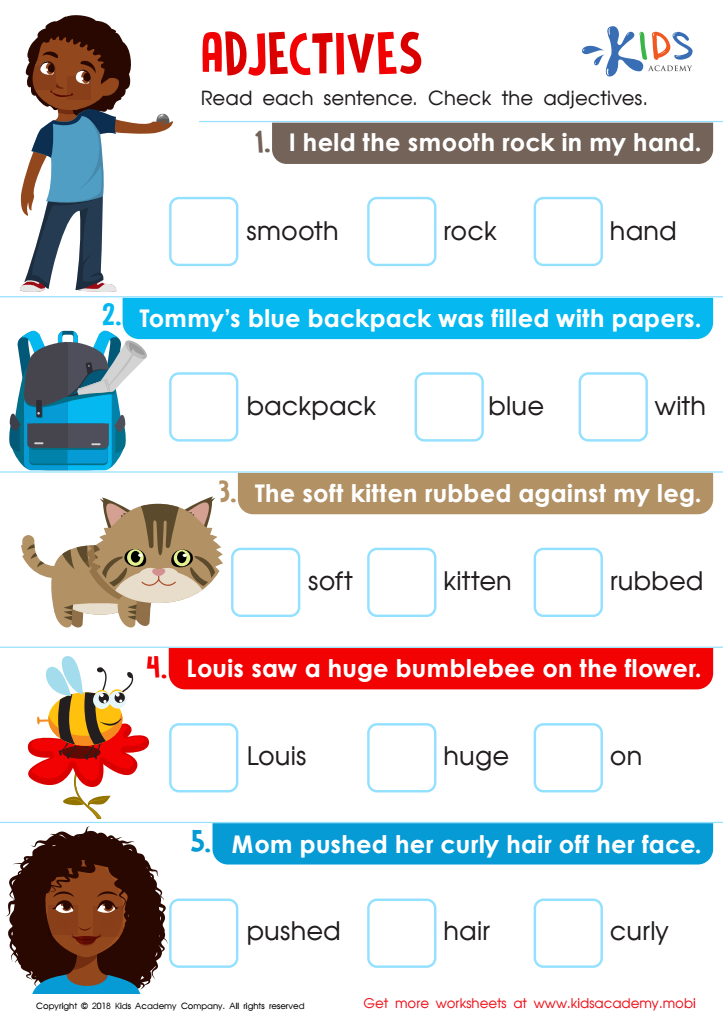
Adjectives Worksheet
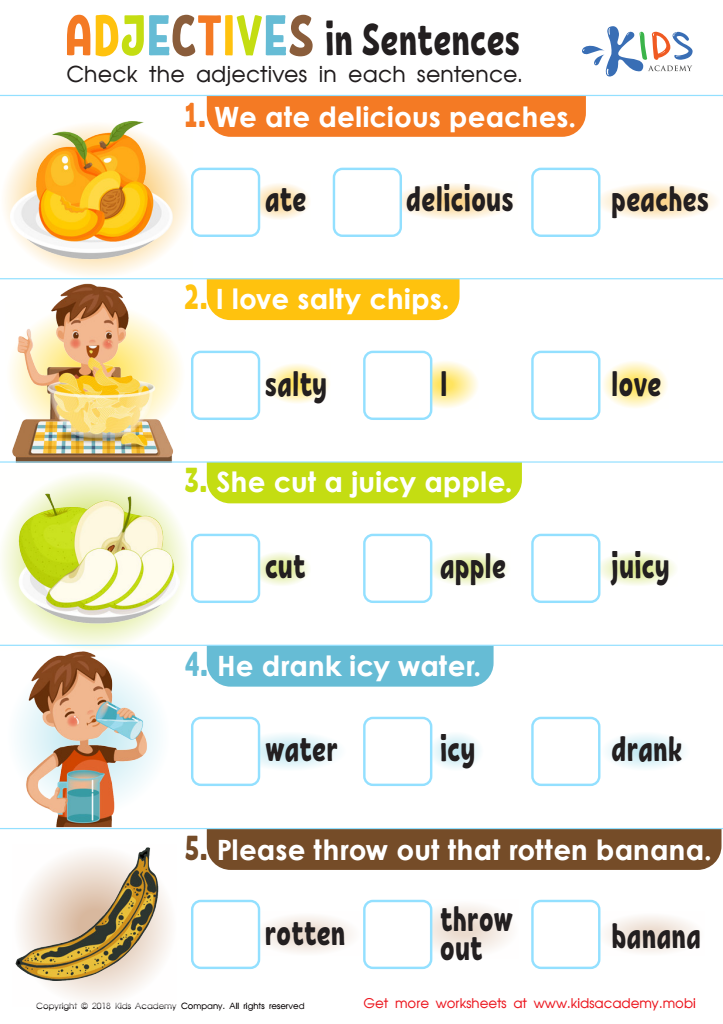
Adjectives in Sentences Worksheet







Understanding adjectives is crucial for children aged 4-9 as they are foundational components of descriptive language. Adjectives enrich vocabulary and help children articulate their thoughts and experiences more vividly. When parents and teachers prioritize teaching adjectives, they support children in developing clear and expressive communication skills.
At this age, children are in a key stage of language acquisition, and learning adjectives encourages them to expand beyond simple sentence structures. They begin to convey nuances of meaning, which enhances both spoken and written expression. For instance, instead of saying, "The cat is big," a child might say, "The fluffy black cat is big," which provides more information and paints a clearer picture.
Additionally, understanding adjectives plays a significant role in reading comprehension. When children can identify adjectives, they better grasp the descriptions and emotions within texts, leading to improved engagement and understanding of stories. Involving parents in this learning process—through activities like describing objects around the house or playing games that focus on descriptive language—fosters a love for language and learning.
Ultimately, instilling a strong grasp of adjectives empowers children, fuels their creativity, and lays the groundwork for effective communication in the future.