Enhancing Reading Comprehension Normal Writing Worksheets for Ages 4-9
3 filtered results
-
From - To
Empower your child’s reading journey with our "Enhancing Reading Comprehension Normal Writing Worksheets for Ages 4-9" from Kids Academy! Designed to build foundational literacy and critical thinking, these worksheets feature engaging activities to improve understanding of texts. Children will explore various reading strategies through fun exercises, which include sequencing, predicting outcomes, and answering comprehension questions. These printable sheets are ideal for reinforcing classroom learning at home and nurturing confident, proficient readers. Tailored for young learners, our comprehensive tools ensure an enjoyable, effective reading experience that fosters a lifelong love for reading.
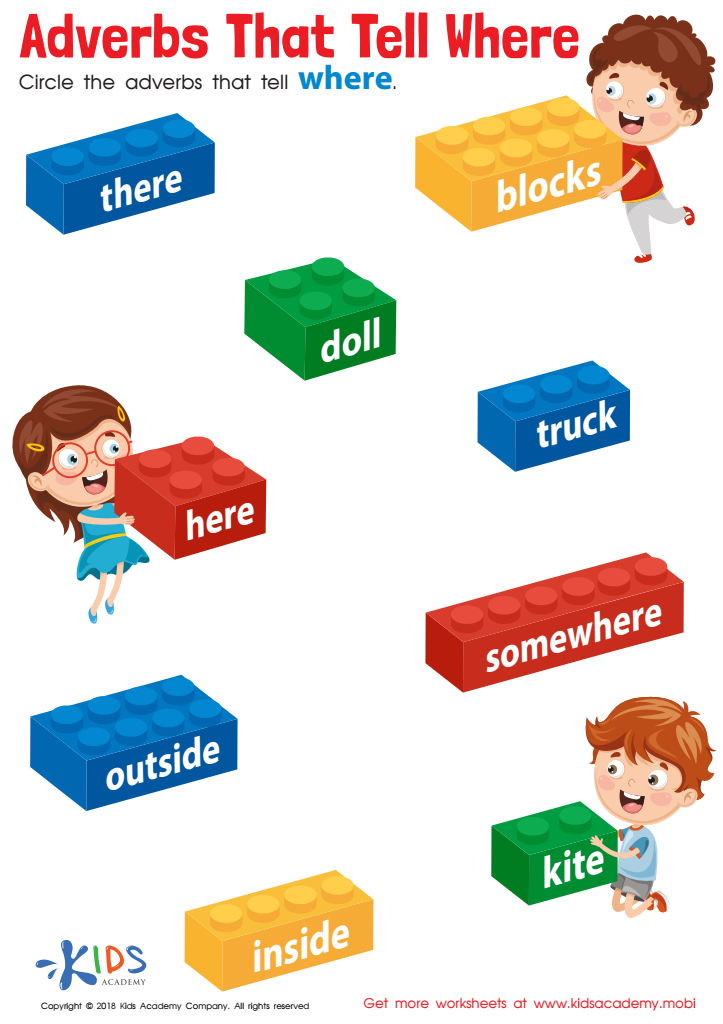
Adverbs That Tell Where Worksheet
 Assign to My Students
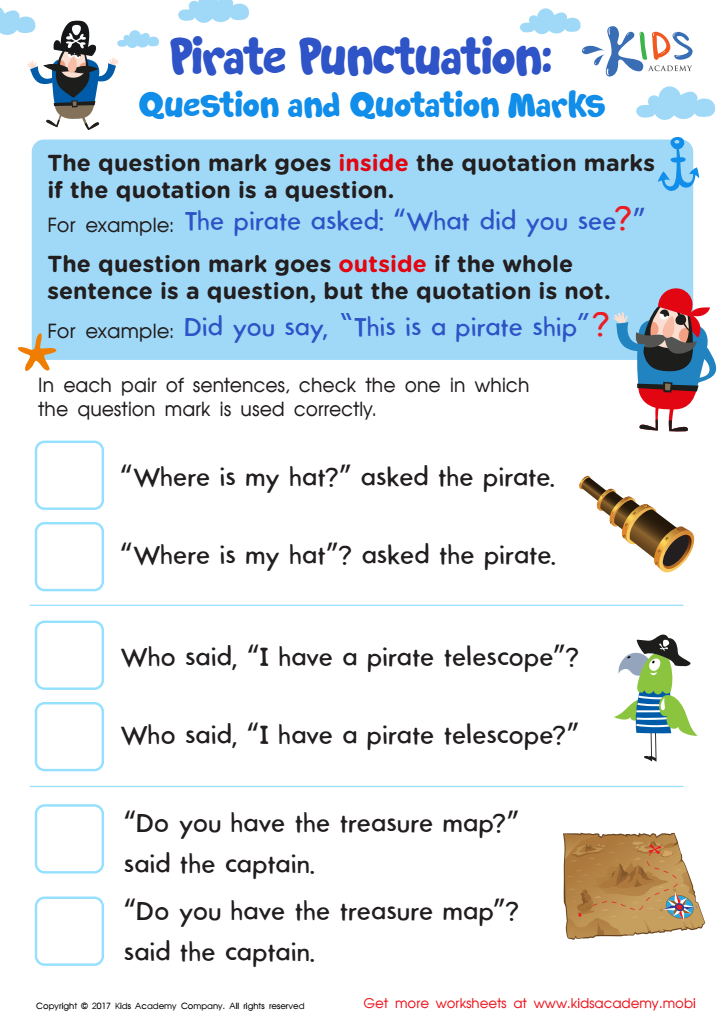
Question and Quotation Marks Worksheet
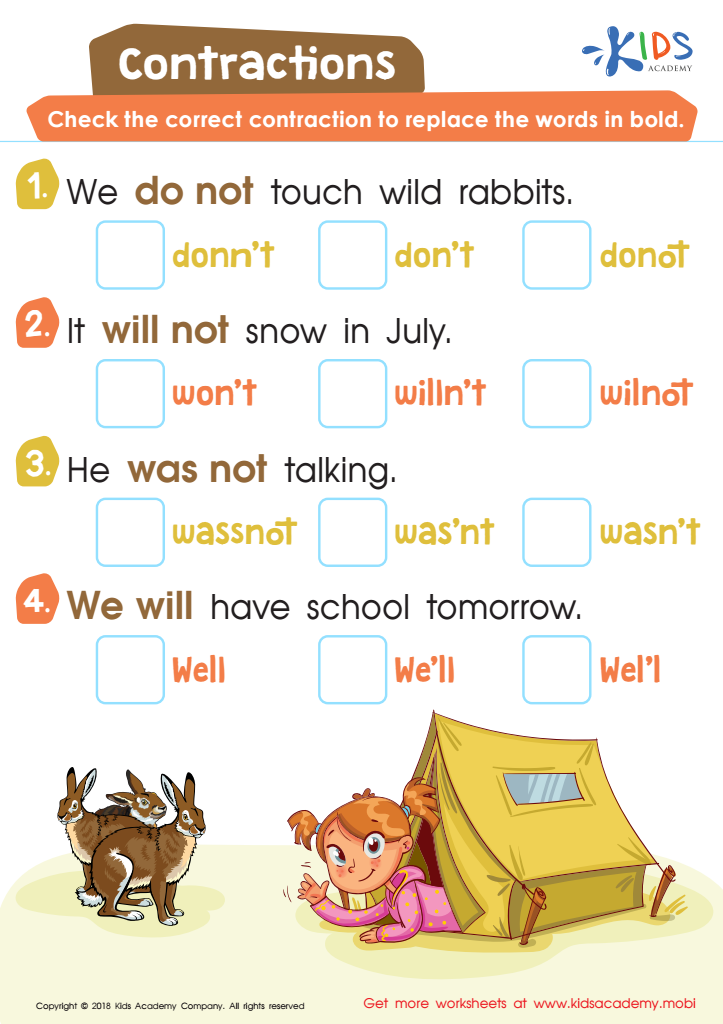
Contractions Worksheet





.jpg)
Enhancing reading comprehension for children ages 4-9 is crucial because these early years are foundational for lifelong learning and development. During this period, children's brains are highly malleable, making it an optimal time to foster essential skills. Reading comprehension goes beyond simply recognizing words; it involves understanding and interpreting the meaning of text, a skill central to academic success and personal growth. When children develop strong comprehension skills, they become confident readers who can tackle complex subjects independently.
For parents and teachers, focusing on comprehension helps children expand their vocabulary, improve critical thinking, and engage in discussions, all of which are important for cognitive development. Children who comprehend well are better able to follow instructions, solve problems, and grasp new concepts, leading to success across all subject areas.
Moreover, reading comprehension is linked to emotional and social development. Stories often introduce children to various perspectives and situations, helping them build empathy and understand the world around them. Poor comprehension skills can lead to frustration and disinterest in reading, negatively impacting educational outcomes and self-esteem.
Therefore, by prioritizing reading comprehension early on, parents and teachers can help children develop a lifelong love of reading, equip them with the tools necessary for academic achievement, and foster well-rounded emotional and social growth.