Reading comprehension Normal Geometry Worksheets for 4-Year-Olds
4 filtered results
-
From - To
Unlock your 4-year-old’s potential with our engaging Reading Comprehension Normal Geometry Worksheets. Designed specifically for young learners, these worksheets integrate basic reading skills with fundamental geometry concepts to spur both intellectual and creative growth. Each interactive activity combines vibrant visuals and fun puzzles to captivate preschoolers' attention and enrich their learning experience. Focus on shapes, sizes, patterns, and spatial understanding while boosting early literacy skills. Ideal for at-home learning or classroom enrichment, our worksheets make education a delightful adventure. Empower your child with the confidence and skills they need for a strong foundation in reading and mathematics. Start exploring now!
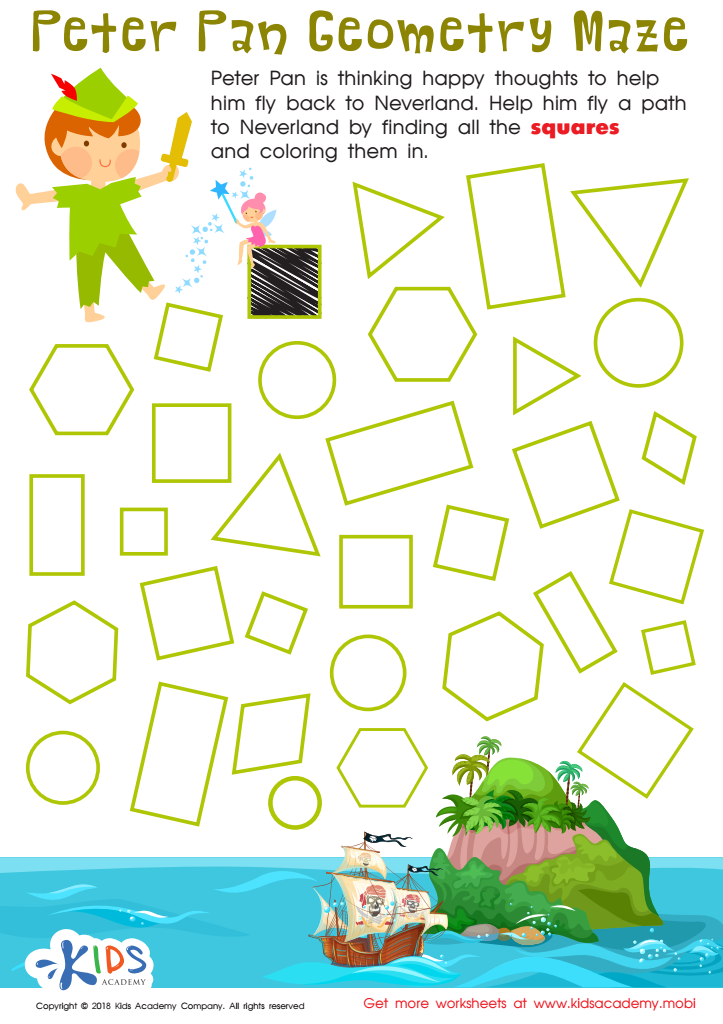
Peter Pan Worksheet
 Assign to My Students











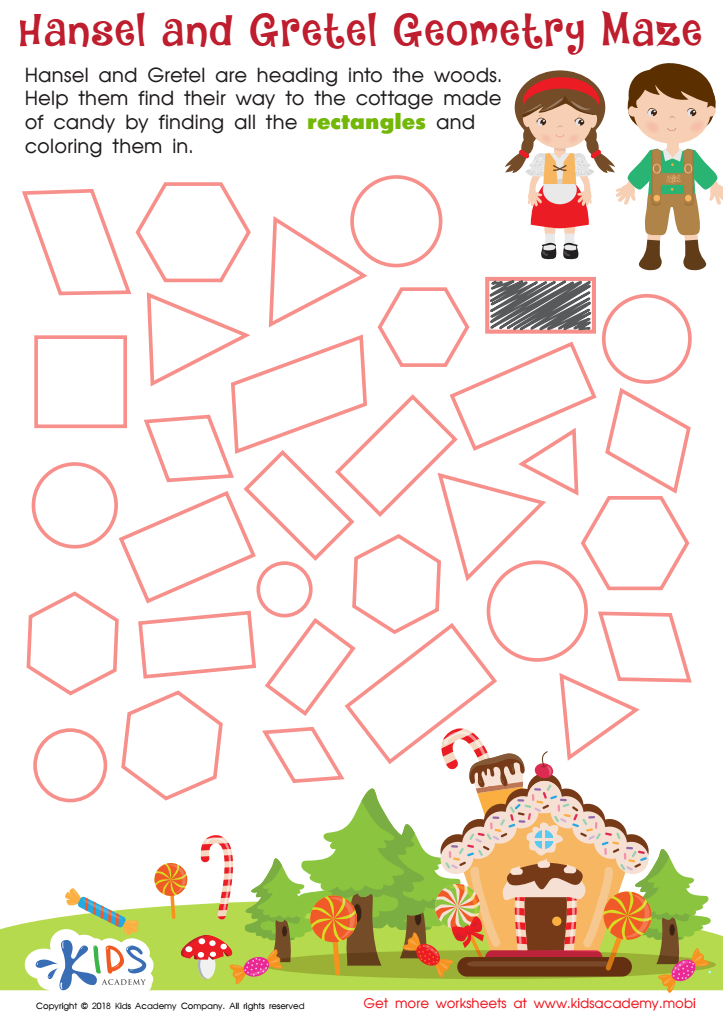
Hansel and Gretel Geometry Maze Worksheet
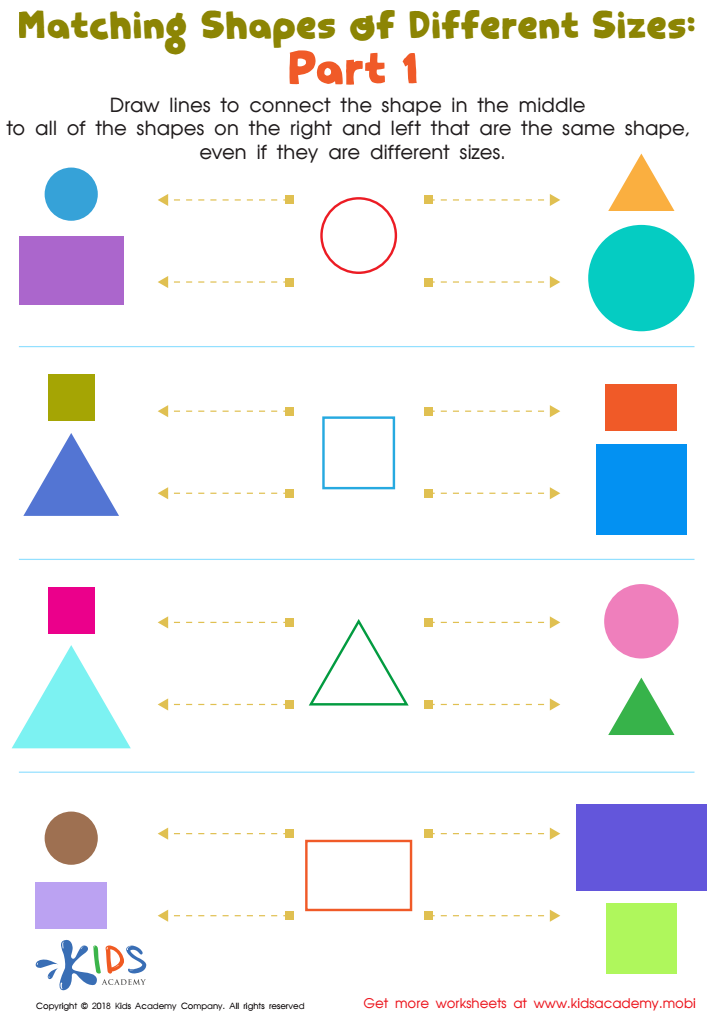
Geometry: part 1 Worksheet
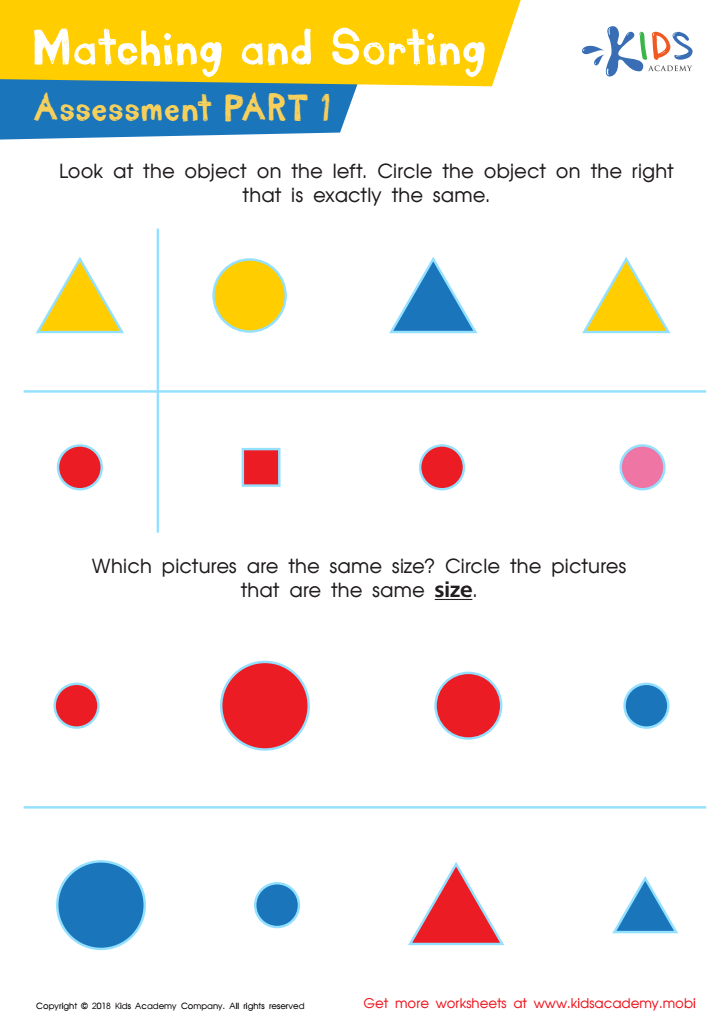
Matching and Sorting for Kindergarten: Assessment 1 Worksheet








Parents and teachers should care about reading comprehension and basic geometry for 4-year-olds because these foundational skills are crucial for early cognitive development and academic success. Early exposure to reading comprehension activities helps build vocabulary, improves listening skills, and fosters a love for reading, which are essential for language development. When children understand what they read or listen to, they are better prepared to think critically, solve problems, and engage with the world around them.
Introducing simple geometry concepts, such as shapes and spatial awareness, at an early age stimulates curiosity and enhances mathematical thinking. Recognizing and naming shapes like circles, squares, and triangles helps children develop visual-spatial skills, which are important for tasks like writing, drawing, and understanding maps. It also lays the groundwork for more complex mathematical concepts they will encounter later in school.
Engaging 4-year-olds in these activities through play-based learning ensures they remain interested and develop these skills naturally. Activities like reading picture books together, playing with puzzles, or exploring shape-sorting toys can make learning enjoyable and interactive. By prioritizing reading comprehension and basic geometry from an early age, parents and teachers set the stage for lifelong learning and academic achievement.








