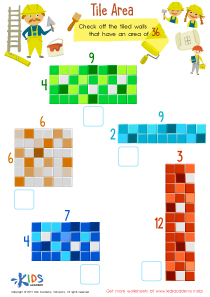
Problem-Solving Skills Normal Matching Worksheets for 4-Year-Olds
5 filtered results
-
From - To
Explore our engaging "Problem-Solving Skills Normal Matching Worksheets" specifically designed for 4-year-olds! These worksheets not only captivate young minds but also encourage critical thinking and reasoning. Children will enjoy matching objects, numbers, or shapes as they develop essential cognitive skills in a fun and interactive way. Each activity is tailored to support early learning, helping little learners build confidence in solving problems creatively. Perfect for home or classroom activities, these adaptable worksheets serve as an excellent resource for parents and educators dedicated to enriching their child's educational journey. Download and watch your child's problem-solving abilities soar!
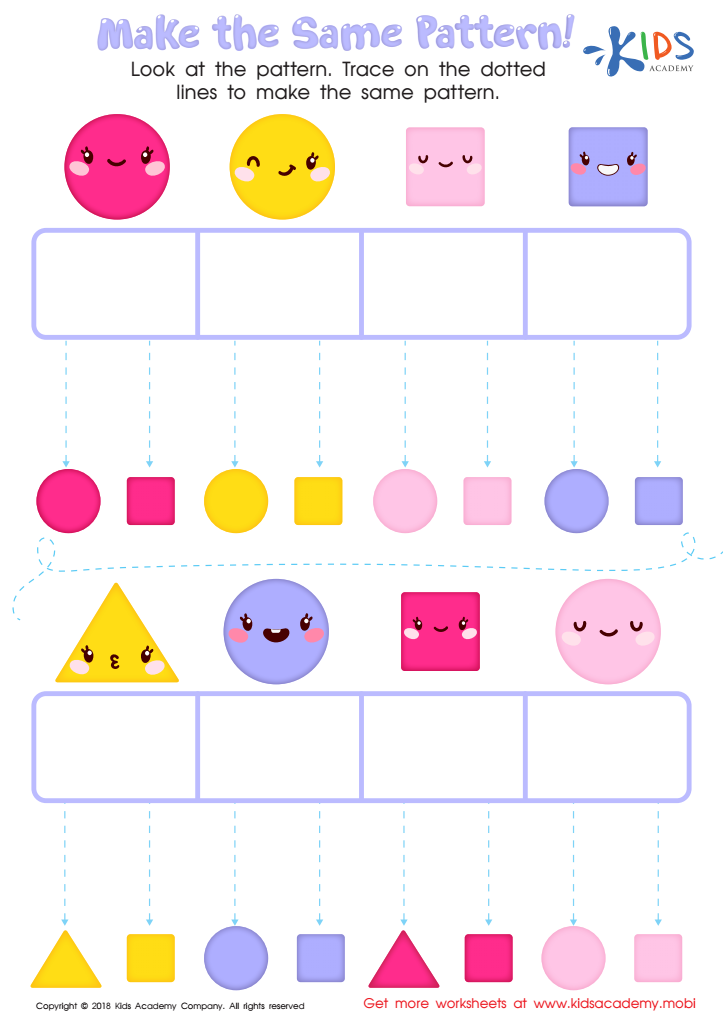
Make the Same Pattern Worksheet
 Assign to My Students
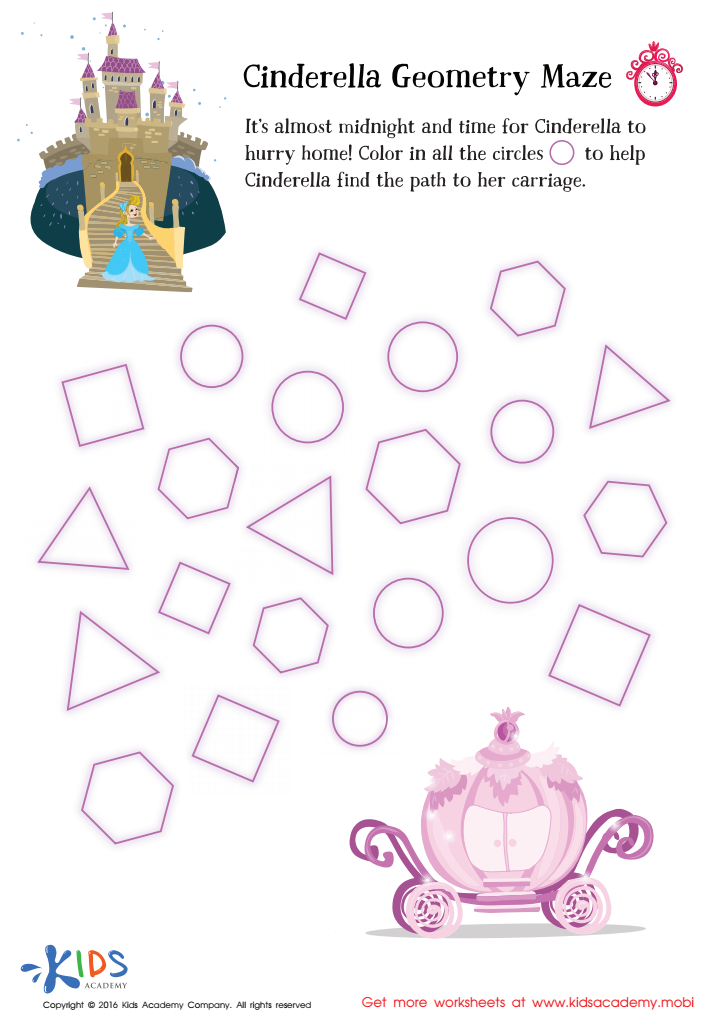
Cinderella Geometry Maze Worksheet
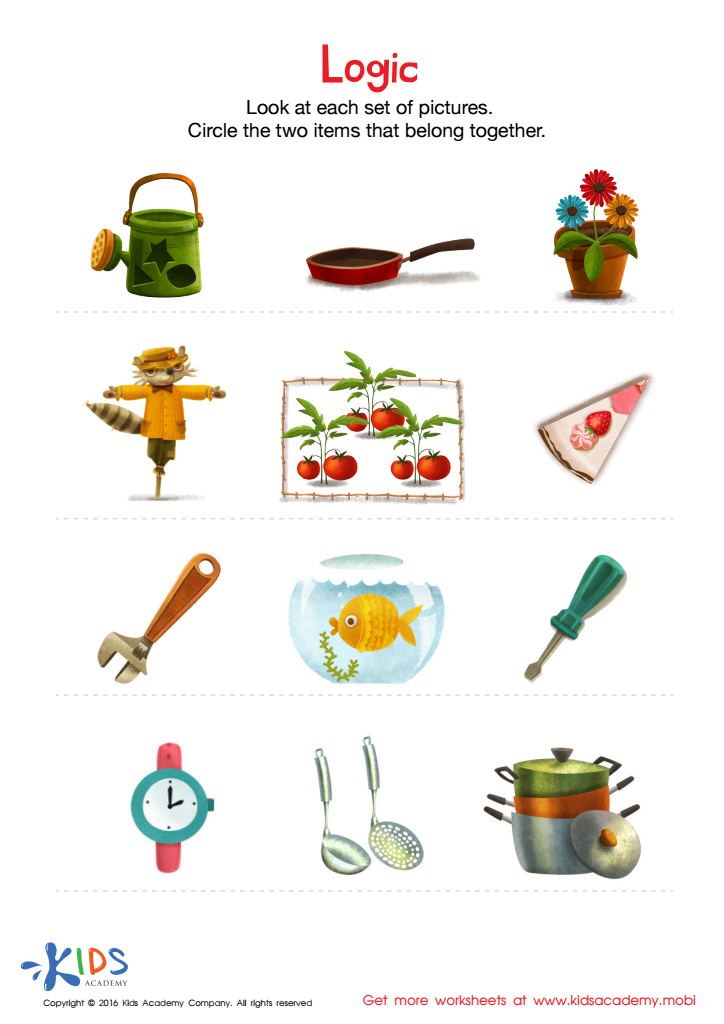
Logic Game Sorting Worksheet
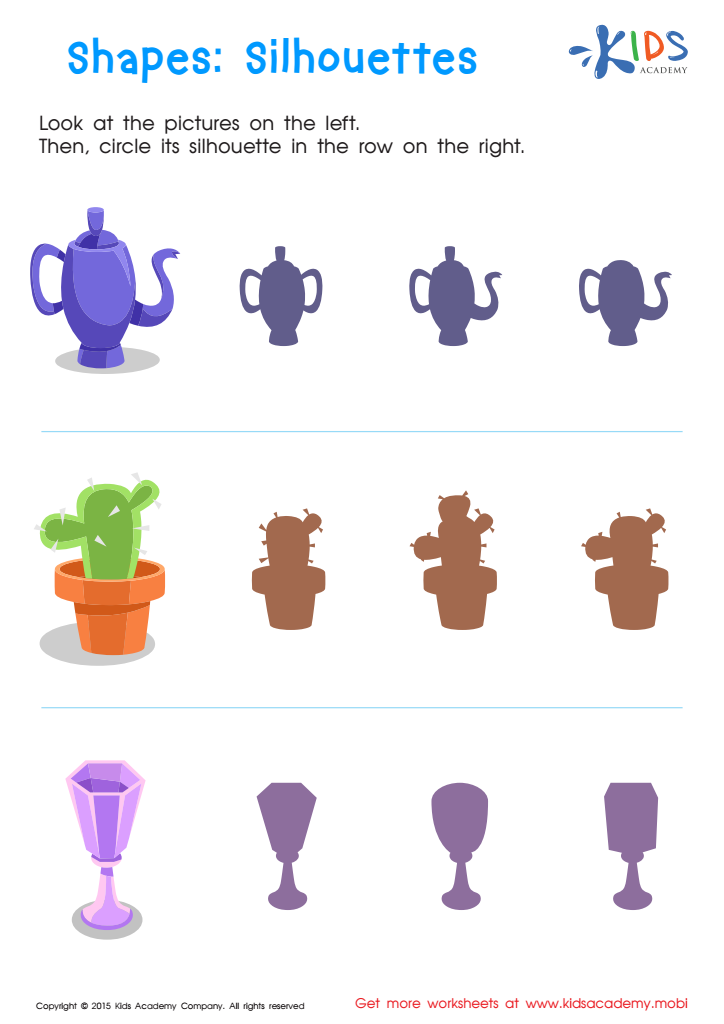
Silhouettes – Shapes Worksheet
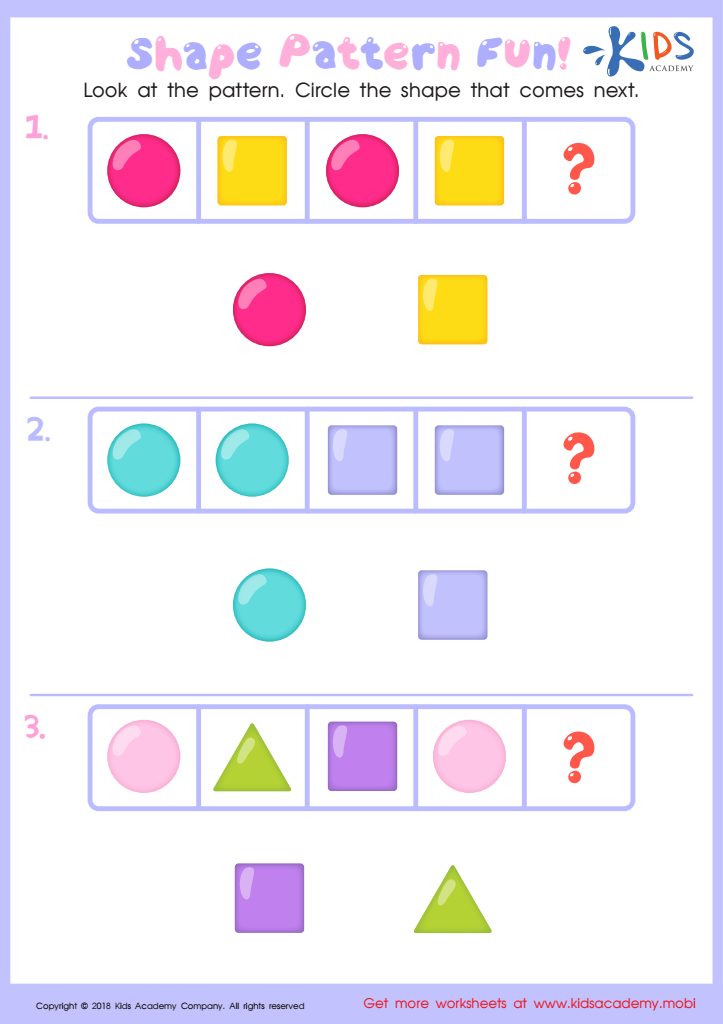
Shape Pattern Fun Worksheet








Parents and teachers should care about problem-solving skills in 4-year-olds because these skills lay the foundation for future learning and development. At this young age, children are naturally curious, eager to explore, and capable of tackling small challenges that help them understand their environment. Children develop critical thinking abilities through activities that involve normal matching, such as identifying similarities and differences between objects, shapes, or colors.
These activities enhance cognitive development, as they encourage children to use logical reasoning and make connections, which are fundamental problem-solving techniques. By nurturing problem-solving skills early on, parents and teachers foster independence and resilience, enabling children to approach challenges with a positive mindset.
Moreover, these skills contribute to social-emotional development. Engaging in normal matching activities promotes cooperation and communication among peers, as children often work together to solve tasks. This interaction helps build teamwork and conflict-resolution skills, which are vital for later social settings like school.
Lastly, fostering problem-solving abilities in preschool-aged children promotes a love for learning and exploration, which can lead to lifelong academic success. Therefore, investing time and resources into developing these skills is crucial for optimal growth and readiness for future educational experiences.