Color Identification Normal Social Studies Worksheets for 4-Year-Olds
3 filtered results
Difficulty Level
Grade
Age
-
From - To
Subject
Activity
Standards
Discover our engaging Color Identification Normal Social Studies Worksheets, specially designed for 4-year-olds! These worksheets not only introduce young learners to colors but also integrate social studies concepts in a fun and interactive way. With vibrant illustrations and age-appropriate activities, children will enhance their color recognition skills while exploring the world around them. Each worksheet fosters critical thinking and creativity, making learning enjoyable and effective. Perfect for parents and educators, our resources aim to build a strong foundation for lifelong learning. Grow your child's knowledge and curiosity with our colorful social studies worksheets today! Explore the joy of learning!
Favorites
With answer key
Interactive
Fireman Worksheet
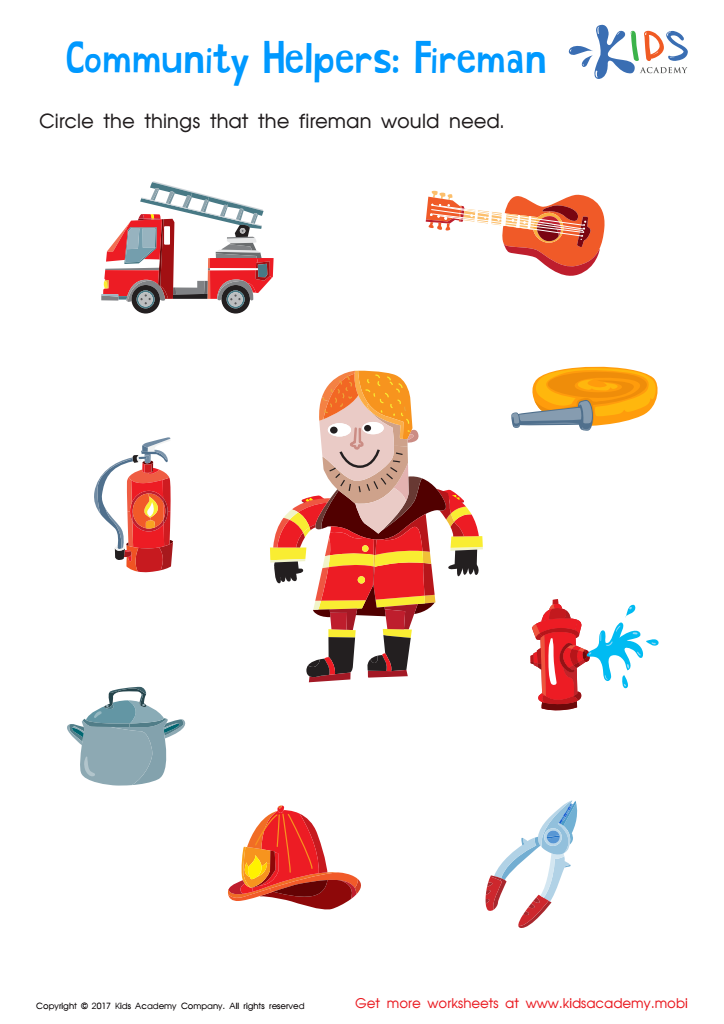
Kids love firemen and their big fire engines! Inspire your child to learn about their duties with this fun fireman worksheet. It'll help your child understand the role of firemen, as well as develop matching and problem solving skills. Get your kid started on understanding a key role in society and have fun too!
 Assign to My Students
Fireman Worksheet
Worksheet
Spanish Shapes and Colors Worksheet
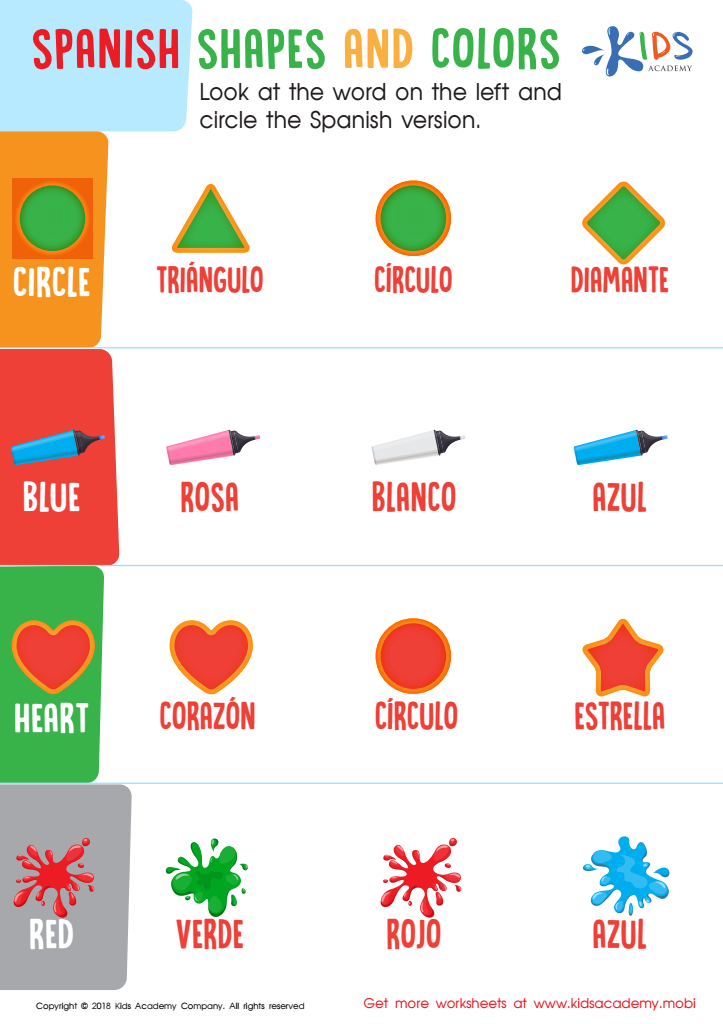
Encourage your children to learn another language from an early age. For example, Spanish - use a worksheet to help with the basics. Point to the English word and ask them to identify and circle the corresponding Spanish word on the right. This way, your kids will grow up with familiarity of the language.
Spanish Shapes and Colors Worksheet
Worksheet
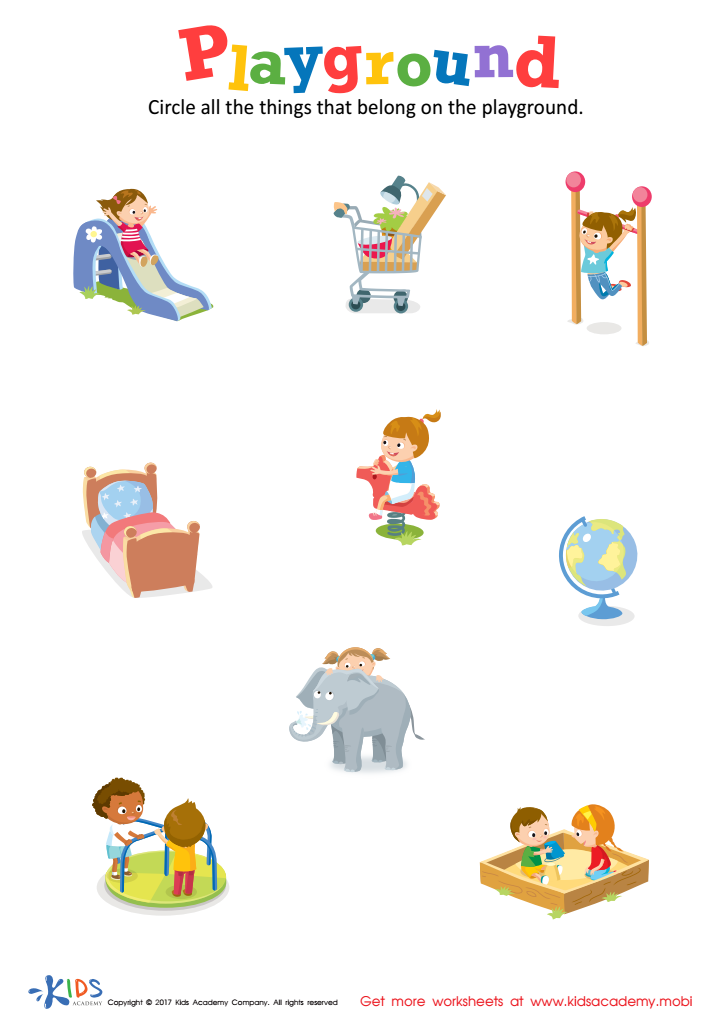
Playground Worksheet
Head to the park with this playground worksheet! It strengthens sorting and cognitive skills while encouraging problem solving. Plus, it's fun-filled and engaging! When finished, head out to the park to see what items your child finds in the playground!
Playground Worksheet
Worksheet
Join Kids Academy for Free
Who is primarily going to use this learning content?








Color identification is a crucial aspect of early childhood development, especially in social studies for 4-year-olds. Understanding colors not only enriches a child's vocabulary but also promotes cognitive skills and sensory development. When children learn to identify colors, they begin to categorize and classify objects in their environment, which formulates the foundation for critical thinking.
In social studies, color identification helps children connect with their surroundings and diverse cultures. For example, discussing flags, clothing, or food can introduce children to different communities, fostering empathy and appreciation for diversity. When educators and parents emphasize color through engaging activities, such as sorting, art projects, and storytelling, children gain valuable exposure to social concepts like community and identity.
Moreover, mastering color identification promotes self-expression and creativity. Children use color to communicate feelings and ideas, whether they are painting a picture or dressing a puppet for playtime. This empowerment leads to confidence in their abilities.
Ultimately, the importance of color identification in this context is not just about recognizing hues; it’s about equipping young learners with the foundational skills they need to thrive in more sophisticated social interactions as they grow. Engaging in these discussions and activities can have a lasting impact on their social understanding and interpersonal relationships.